

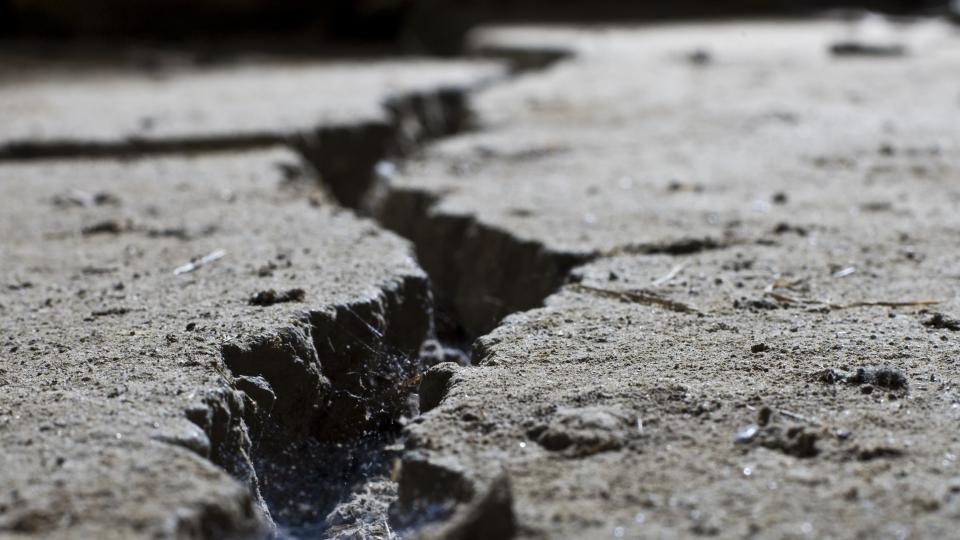
A cracked driveway has a way of aging a home from the curb. At first, it may be one thin line near the garage or a chipped edge along the walkway, then the surface starts to dip, water collects in a low spot, or weeds find their way into the opening. Once that happens, the driveway starts feeling less like a slab of concrete and more like a report card for everything happening underneath it.
In this blog, you’ll learn what usually causes driveway cracks, how to tell when a repair is only cosmetic, and when replacement may be the smarter long term decision. You’ll also see why the right driveway contractor should be looking beyond the visible crack, especially in metro Atlanta, where heavy rain, clay soil, drainage issues, tree roots, and older concrete can all shape what happens next.
Concrete Isn’t as Still as It Looks
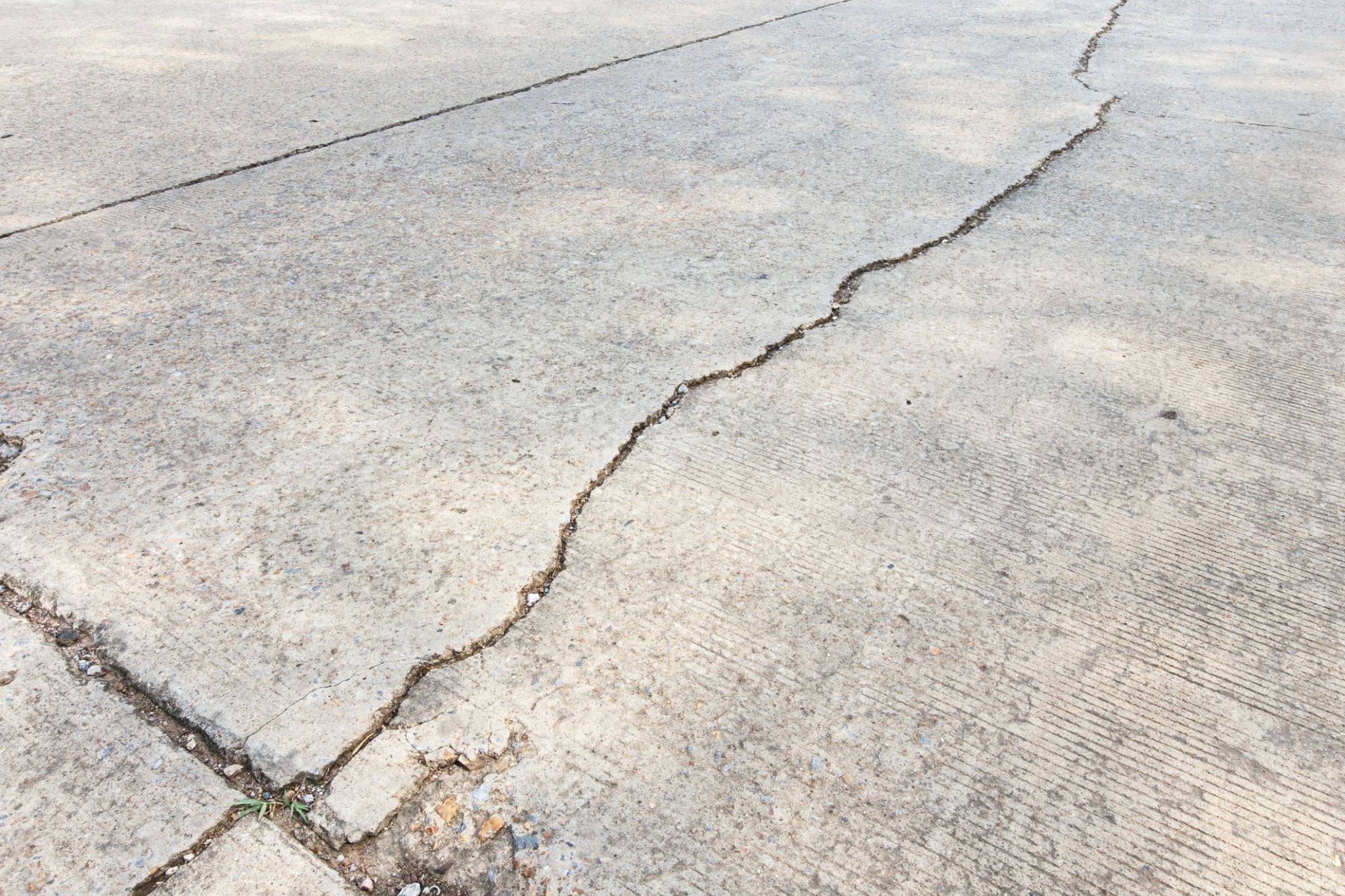
Concrete feels permanent once it hardens, but it’s still affected by heat, moisture, drying, weight, and the ground beneath it. Some hairline cracks come from normal shrinkage as concrete cures. Others form when the slab expands and contracts during seasonal temperature changes, especially if control joints weren’t placed correctly.
Control joints are the planned lines cut into concrete so stress has somewhere to go. They don’t prevent every crack, but they help guide cracking into cleaner, less noticeable locations. The National Ready Mixed Concrete Association’s Concrete in Practice materials describe common concrete issues in practical terms, while the American Concrete Institute guidance treats crack control as part of good concrete construction rather than an afterthought.
The visible crack isn’t always the beginning of the problem. It may be the first part you can see.
The Ground Under the Driveway Matters Most
Many driveway failures begin below the surface. If the base wasn’t compacted well before the concrete was poured, soft spots can settle after the driveway starts carrying everyday loads. A family car may not seem dramatic, but repeated weight over an unsupported slab can expose weak preparation quickly.
Water is another troublemaker. Poor grading can send rain toward the driveway instead of away from it. Downspouts that empty near the slab can keep the base wet. Over time, water can erode soil, soften the subgrade, or settle into small voids below the concrete. In colder regions, freeze and thaw cycles make that problem more aggressive, but Georgia homeowners still have plenty to watch because runoff and clay soil can create movement even without long deep freezes.
Tree roots can also lift sections of concrete slowly. The driveway may not split right away. Instead, one panel rises, an edge becomes uneven, or a crack starts forming where the slab has lost even support.
When a Patch Is Enough
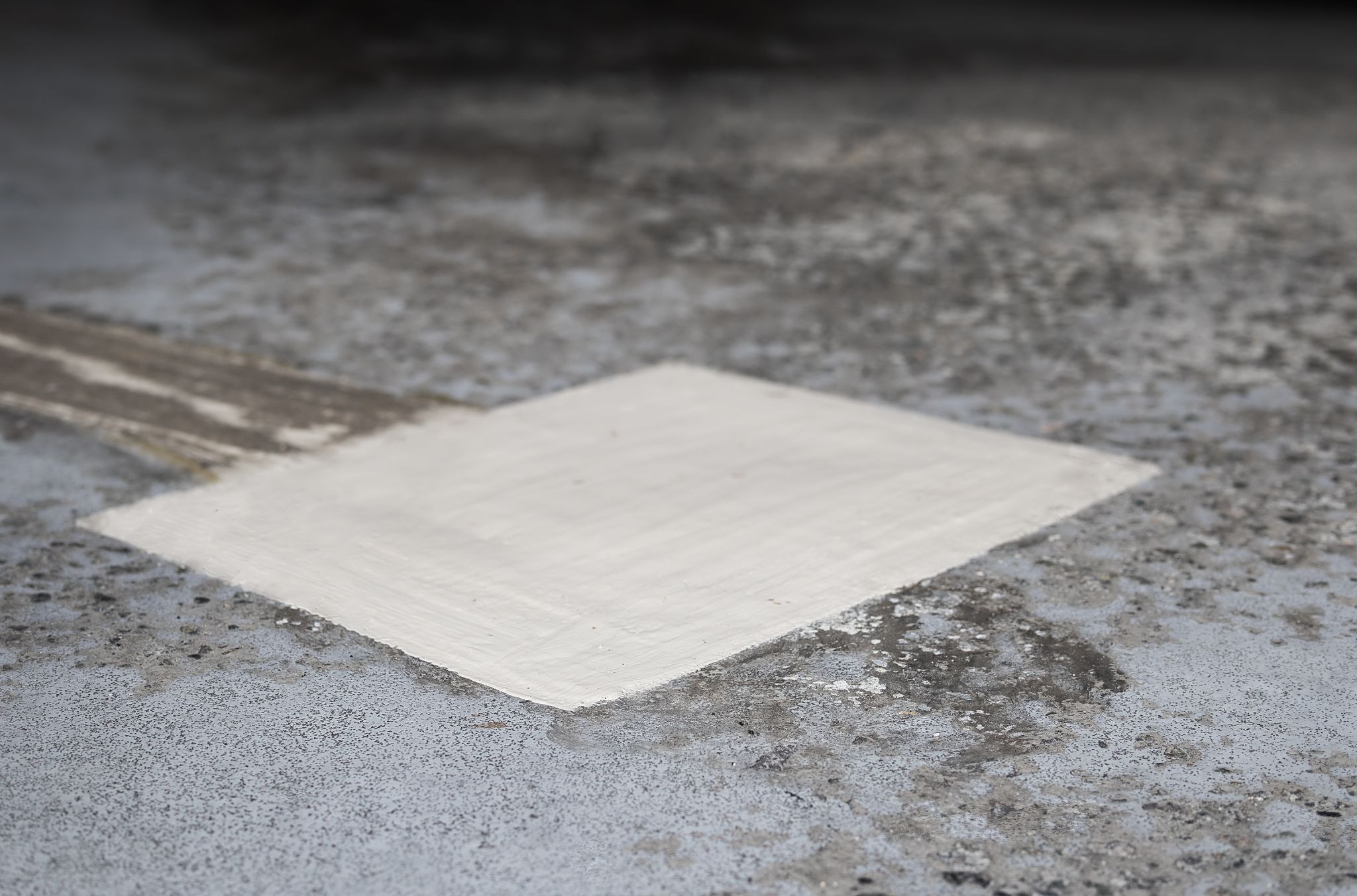
A narrow crack with no major height difference may be repairable. Cleaning and sealing the crack can help keep water, dirt, weeds, and debris out of the opening. That kind of repair won’t make older concrete look brand new, but it can protect the driveway and slow additional wear.
Cosmetic repair makes the most sense when the driveway is still level, water drains away properly, and the crack hasn’t widened over time. Homeowners should set realistic expectations here. Patch material rarely blends perfectly with aged concrete, especially when the driveway has years of sun, traffic, weathering, and surface wear. A good repair can be neat and useful without being invisible.
When the Crack Points to a Bigger Problem
Some driveway cracks deserve a closer inspection before anyone reaches for filler. A crack with one side higher than the other may indicate settling, root pressure, or a base problem. A sunken area near the garage can affect drainage and may push water toward the home. Multiple broken sections, repeated cracking after past repairs, or a slab that rocks under pressure usually means the problem is deeper than the surface.
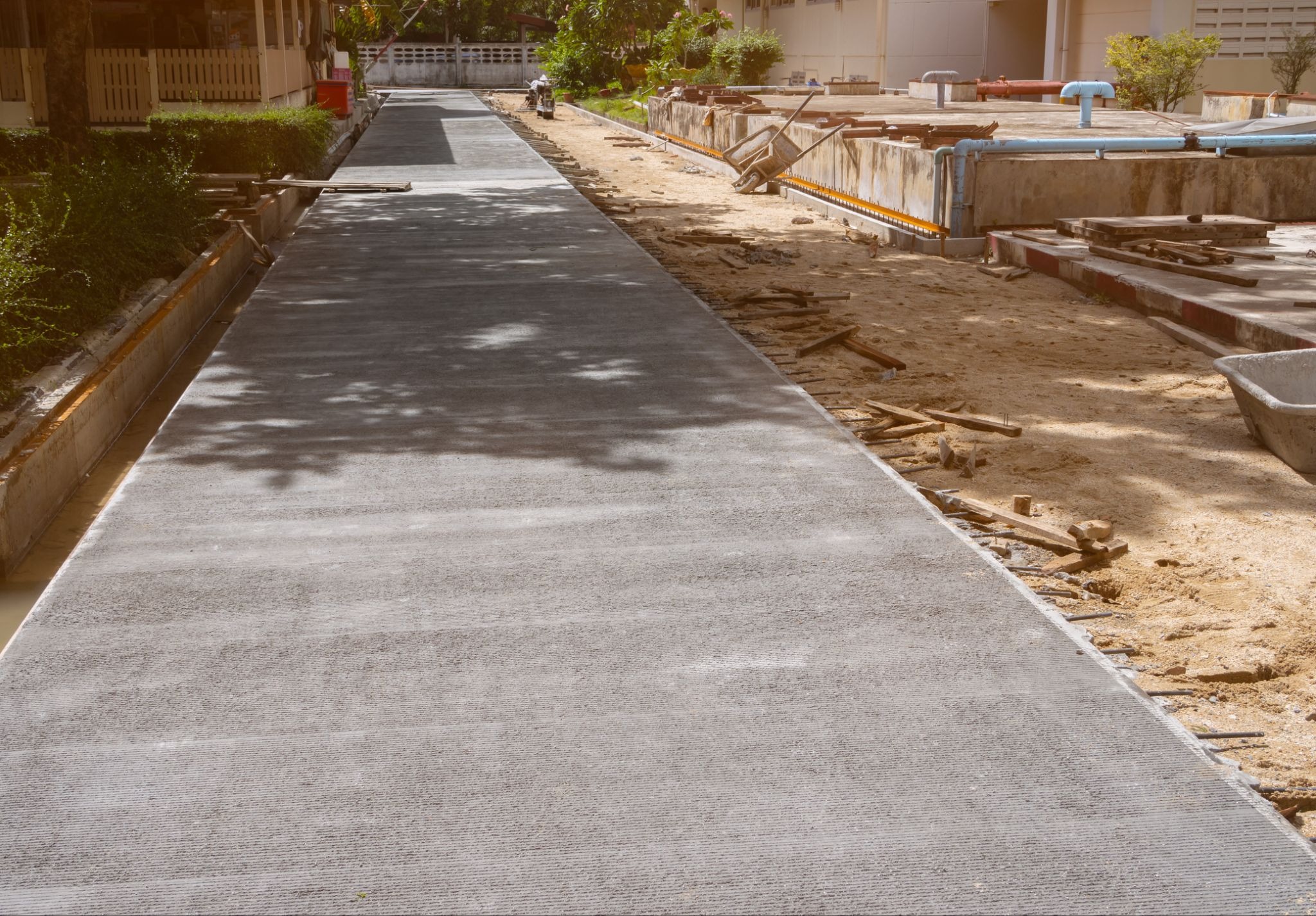
This is where replacement may become the better investment. A new driveway gives the contractor a chance to remove failing concrete, prepare the base properly, correct drainage problems, place joints with intention, and build the slab for the way the driveway will actually be used.
Why Arbor Hills Construction Fits This Work
Driveway work needs more than a crew that can pour concrete. Homeowners should expect a contractor to understand base preparation, removal, replacement, drainage, finishing, hardscaping, and the practical details that make a driveway hold up after the truck leaves.
Arbor Hills Construction is a strong fit for this conversation because the company focuses on concrete driveways and related hardscaping for Atlanta area homeowners. Their driveway services include removing and hauling away old concrete before installing a new driveway, and their broader concrete work includes pavers and retaining walls. That matters when a cracked driveway is connected to grading, drainage, or surrounding hardscape conditions, because the repair conversation may need to include more than the slab itself.
For homeowners, the takeaway is simple: hire someone who can explain why the driveway cracked before recommending what to do next. Arbor Hills Construction brings decades of concrete industry experience to that kind of decision, which helps homeowners avoid paying for a surface fix when the real issue is underneath.
A Better Driveway Starts With the Right Diagnosis
A cracked driveway just means there’s a problem that deserves a careful look before water, roots, settlement, and time widen the damage. The best next step is an inspection from a driveway professional who can separate minor cracking from structural trouble and explain the repair options clearly.
If your driveway is cracked, sinking, uneven, or holding water after rain, TrustDALE certified partner Arbor Hills Construction can help you understand what’s really going on and what repair or replacement path makes the most sense for your home.