

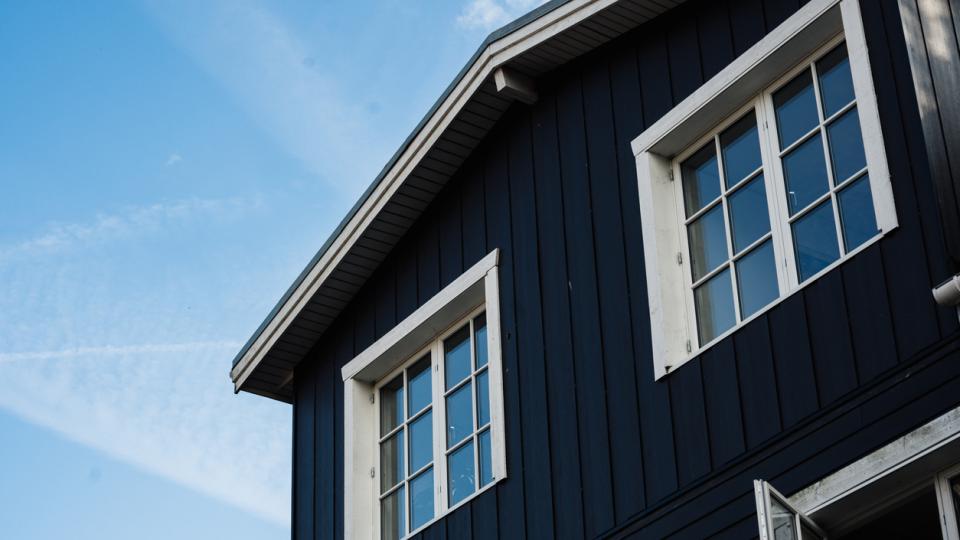
Dark siding has a way of changing the whole mood of a house. A soft charcoal can make an older exterior feel current again, deep navy can sharpen white trim, and black siding can turn a plain elevation into something with real architectural presence. It’s no wonder homeowners keep circling back to darker colors when they start thinking about siding replacement.
Still, dark siding deserves a little more planning than a quick color sample held up in the driveway. In this guide, we’ll look at heat absorption, fading, material limits, neighborhood fit, and the manufacturer guidance homeowners should understand before making the jump.
The Color Looks Different Once It’s on the Whole House
A dark siding sample can look rich and controlled in your hand, but feel much heavier once it’s wrapped around your home. These variations of the exact same color have everything to do with light. For example, the morning sun may soften the color while the afternoon sun sharpens it, and shaded sides of the house may look almost black despite what the actual color is.
That’s why small samples can be misleading. A smart approach is to test the color on more than one side of the home, then look at it at different times of day. You’ll also want to consider the roof color, brick, stone, shutters, trim, gutters, and landscaping. Dark siding tends to pull every surrounding detail into the picture, so a color that looks elegant on a modern farmhouse may feel too severe on a wooded lot with a dark roof and heavy shade.
Heat Is the Detail Homeowners Often Miss
Dark colors absorb more heat from sunlight, and that matters most when the siding material or finish wasn’t designed for that level of heat exposure. Vinyl siding can warp or buckle when it’s repainted darker than its original color, since dark paint absorbs solar heat and transfers it to the vinyl underneath.
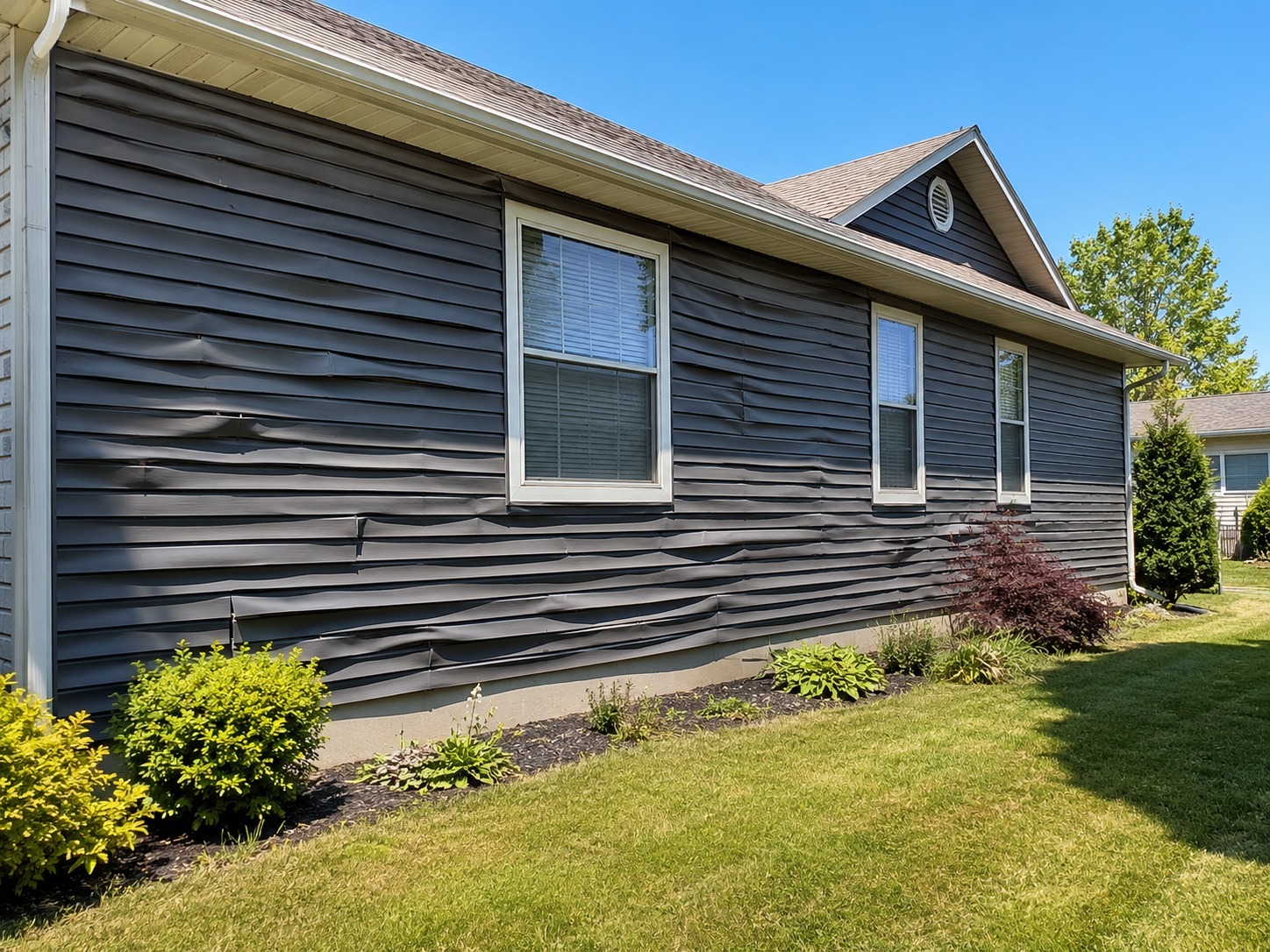
Not to say that dark siding is automatically a bad idea, just that you should be picky about the products you use for the job. When painting vinyl siding, using vinyl-safe paint is a good place to start. Also, factory-finished fiber cement, engineered products, and certain vinyl products offer dark color options that are tested for their intended use.
The biggest mistake is choosing a color first, then hoping the material can handle it later. A good contractor will explain which products are appropriate for your home’s sun exposure, climate, and design goals. If the answer sounds vague, slow the project down.
Fading Is Less About Fear and More About Expectations
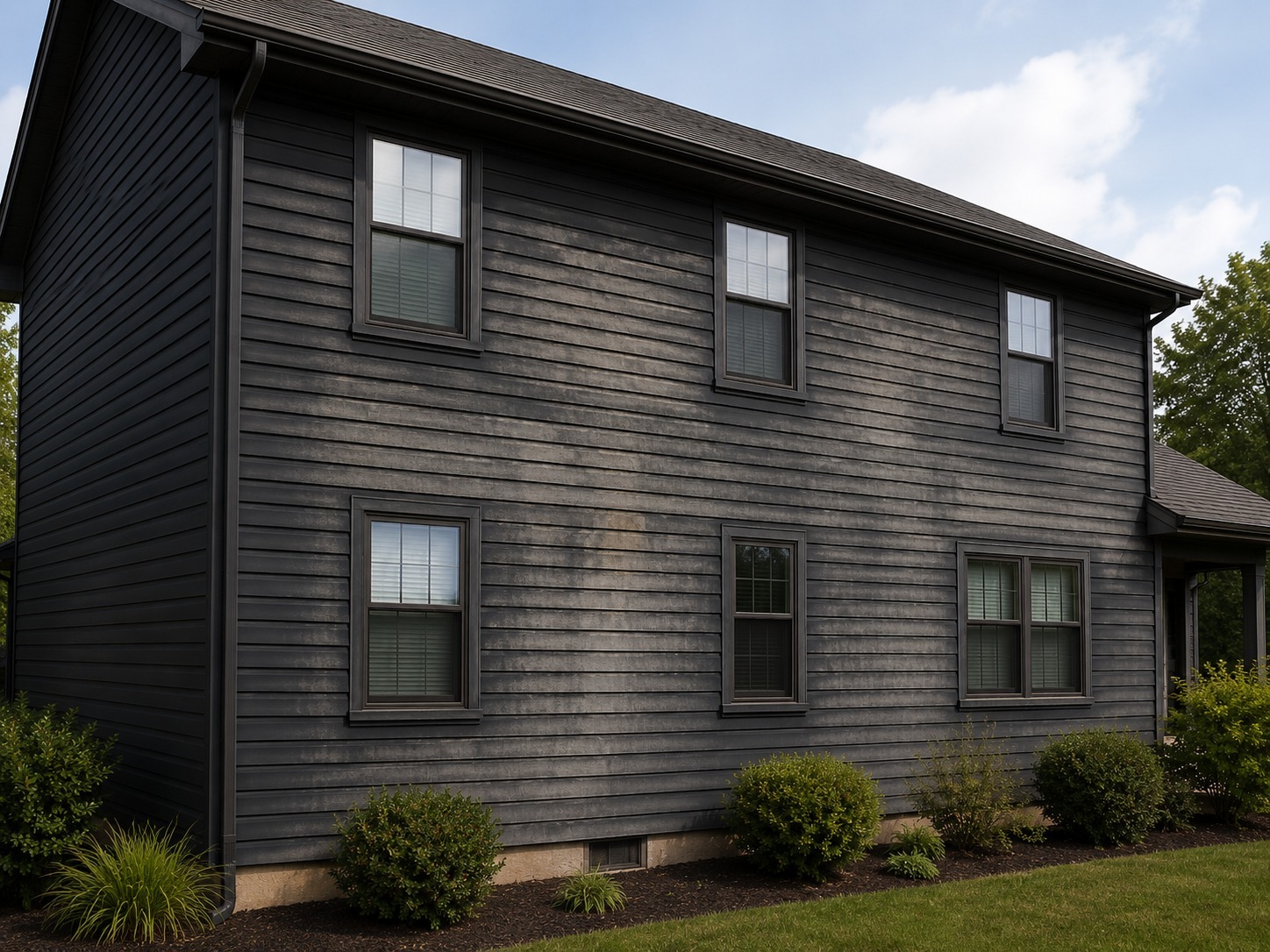
Every exterior finish lives… well, outside. So that means sunlight, rain, dirt, heat, and seasonal changes will eventually leave a mark. Darker colors can make that aging more noticeable since the contrast is stronger. A little fading on pale beige may barely register from the street, but the same wear on deep charcoal shows up more distinctly.
Fading also rarely happens evenly. South and west facing walls usually take the hardest daily sun, while shaded areas under porches, trees, rooflines, and overhangs may hold their original color longer. That can create a patchwork effect over time, especially if one side of the home gets direct afternoon heat while another stays protected.
The practical takeaway here is simple: think about how the whole exterior will age, not just how the color looks on installation day. Ask which sides of your home get the most intense sun, how often the siding should be cleaned, whether nearby trees will shade or stain the surface, and how touch ups or future repairs will blend with the existing color. Dark siding can age beautifully, but it helps to choose it using real world exposure.
Neighborhood Fit Still Matters
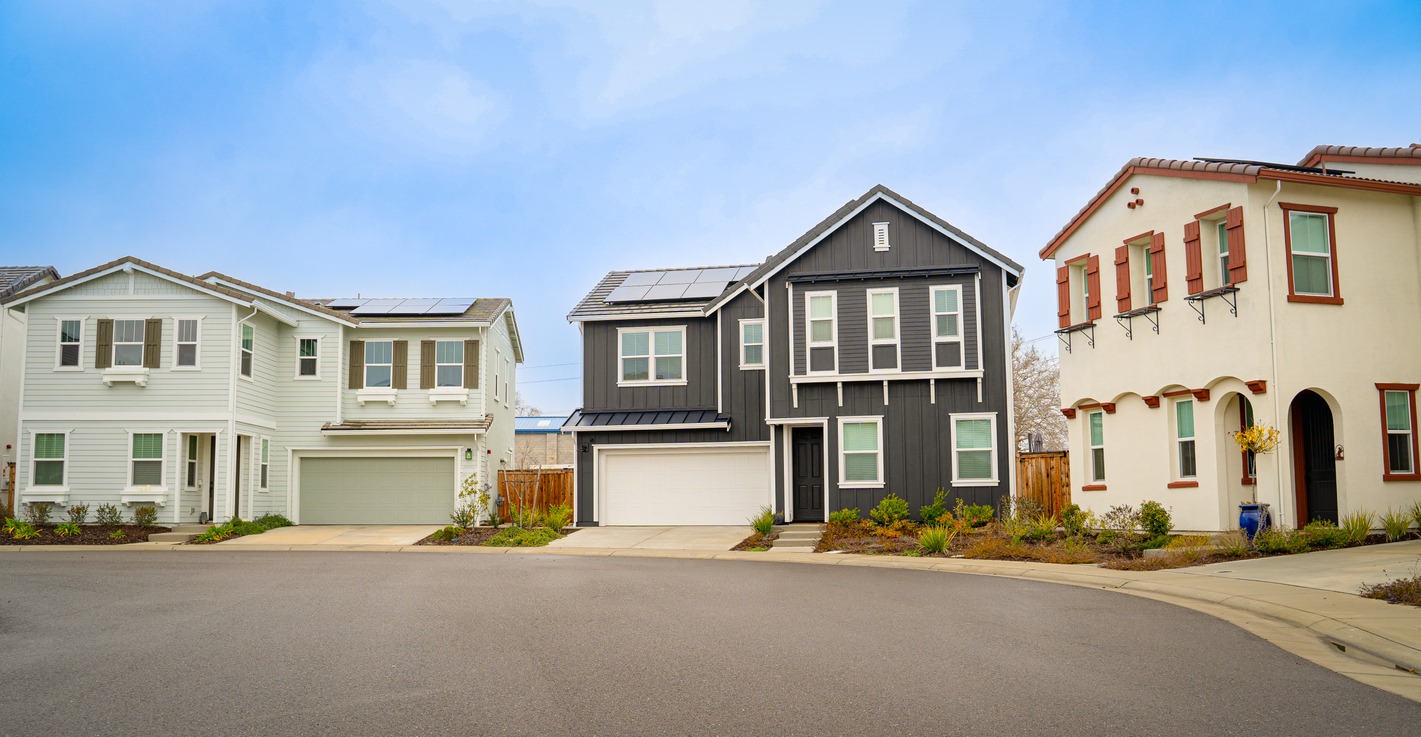
A bold exterior color can look polished in the right setting and slightly out of place in another. Before committing to dark siding, look beyond the house itself. Consider nearby homes, HOA rules, the age of the neighborhood, tree coverage, roof color, and whether your house has enough trim or architectural detail to keep the darker color from feeling flat.
Dark siding often works best when there’s contrast somewhere else. Crisp trim, warm wood accents, lighter stone, copper toned gutters, or a brighter front door can keep the exterior from feeling too heavy. On smaller homes, using dark siding as an accent rather than across the full exterior may offer the same updated feel with less visual weight.
Questions to Ask Before You Choose
Before signing a siding contract, ask a few direct questions:
- Is this color approved by the siding manufacturer for this product?
- Will this material perform well on the sunniest sides of my home?
- What does the finish warranty cover, and what does it exclude?
- Could this color affect heat movement, expansion, or long term appearance?
- How will trim, gutters, fascia, soffits, and the roof color work with the siding?
Those questions help move the conversation away from pure aesthetics and into performance. That’s where a siding project either becomes a lasting upgrade or a really expensive regret.
Where Nelson Exteriors Fits In
Dark siding is a design choice, but it’s also a technical one. Homeowners need someone who can talk through color, material, installation, warranty expectations, and long term maintenance without rushing the decision.
Nelson Exteriors is a strong fit for that kind of project because the company focuses on exterior remodeling and siding replacement with the kind of product knowledge homeowners need before making a major visual change. As a family owned business with decades of experience, they bring practical guidance to choices that can otherwise feel overwhelming: whether fiber cement makes sense, whether a dark shade fits the architecture, how trim should be handled, and what details need attention before installation begins.
That kind of guidance is really important, since dark siding can be stunning. It’s just one of those decisions you should make based on a tiny sample under fluorescent showroom lights. A qualified siding professional should help you see the whole house, not just the swatch.
Make the Bold Choice the Smart Way
Dark siding can give a home presence, depth, and curb appeal that lighter colors don’t always deliver. The best results come from careful product selection, realistic maintenance expectations, and professional installation that follows manufacturer guidance.
If you’re considering dark siding, start with a conversation before you start with a color. TrustDALE can connect you with vetted siding professionals, including Nelson Exteriors, so you can compare options, ask better questions, and choose an exterior that looks good long after the first sunny afternoon.