

A sunlit room feels warm, open, and quietly luxurious, until the rug under the coffee table starts wearing a ghost outline, the sofa arm turns a different shade than the cushions, and the hardwood near the patio door looks tired before its time. Homeowners often blame age, cleaning products, or cheap fabric, but the culprit may be pouring through the glass every afternoon.
In this blog, you’ll learn how sunlight travels through windows, why UV exposure matters inside the home, what low E glass actually helps with, and how to decide whether window upgrades, films, shades, or replacement make sense for protecting furniture, flooring, artwork, and other interior investments.
The Indoor Sunburn Nobody Notices at First
UV damage inside a home usually arrives quietly. A favorite chair doesn’t fade overnight; it loses depth little by little, especially in rooms with strong southern or western exposure. Wood floors can shift in tone, leather can dry and discolor, fabrics can look washed out, and framed artwork can lose crispness in the colors that made it worth hanging in the first place.
Glass blocks some sunlight, but ordinary windows don’t make your interiors immune. The U.S. Department of Energy explains that low emissivity glass, commonly called low E glass, reflects heat energy and ultraviolet light, and it can protect household furnishings from UV induced fading by as much as 75 percent. That number matters because many homeowners spend far more on interiors than they realize: sofas, rugs, flooring, draperies, built-ins, antiques, family photos, and artwork all sit in the same daily path of sunlight.
Low E Glass, Without the Jargon Fog
Low E glass has a very thin coating designed to manage how light and heat move through a window. You usually can’t see the coating, but it changes the performance of the glass in useful ways. In simple terms, the window can still let daylight into the room while reducing the part of sunlight that contributes to heat gain and fading.
That doesn’t mean every low E window performs the same way. Some glass packages are better suited for hot climates, some are aimed at colder climates, and some prioritize visible light more than solar control. The Department of Energy notes that window ratings can help consumers compare products by heat gain, heat loss, visible light transmission, and air leakage. It also points to the National Fenestration Rating Council label as a reliable way to compare energy properties when shopping for windows, doors, and skylights.
The practical takeaway is simple: don’t shop for windows by appearance alone. A pretty window with weak performance can still let your living room cook in the afternoon. A better glass package can help protect the room while keeping it bright enough to enjoy.
Where Fading Usually Shows Up First
Look near big picture windows, sliding doors, breakfast nooks, sunrooms, stair landings, and any room where sunlight hits the same surface day after day. Fading often shows up as uneven color rather than obvious damage. You may notice a rug has a darker rectangle beneath a table, or a wood floor looks richer where furniture blocked the sun. Upholstery near the window may feel slightly brittle, especially on natural fibers or leather.
Artwork deserves special attention. Even when a room doesn’t feel hot, UV exposure can still affect pigments and paper. If you have heirloom photographs, original prints, children’s art you want to keep, or expensive framed pieces, placement matters. A wall that catches strong afternoon sun may not be the best gallery wall unless the window glass, frame glazing, or shade plan accounts for UV exposure.
Protection Without Living in a Cave
The goal isn’t to turn your home into a dim museum. Good UV protection should preserve comfort, daylight, and the character of the room. Start by observing the sun path in the spaces you care about most. Notice which surfaces get direct light, how long the exposure lasts, and whether glare or heat comes with it.
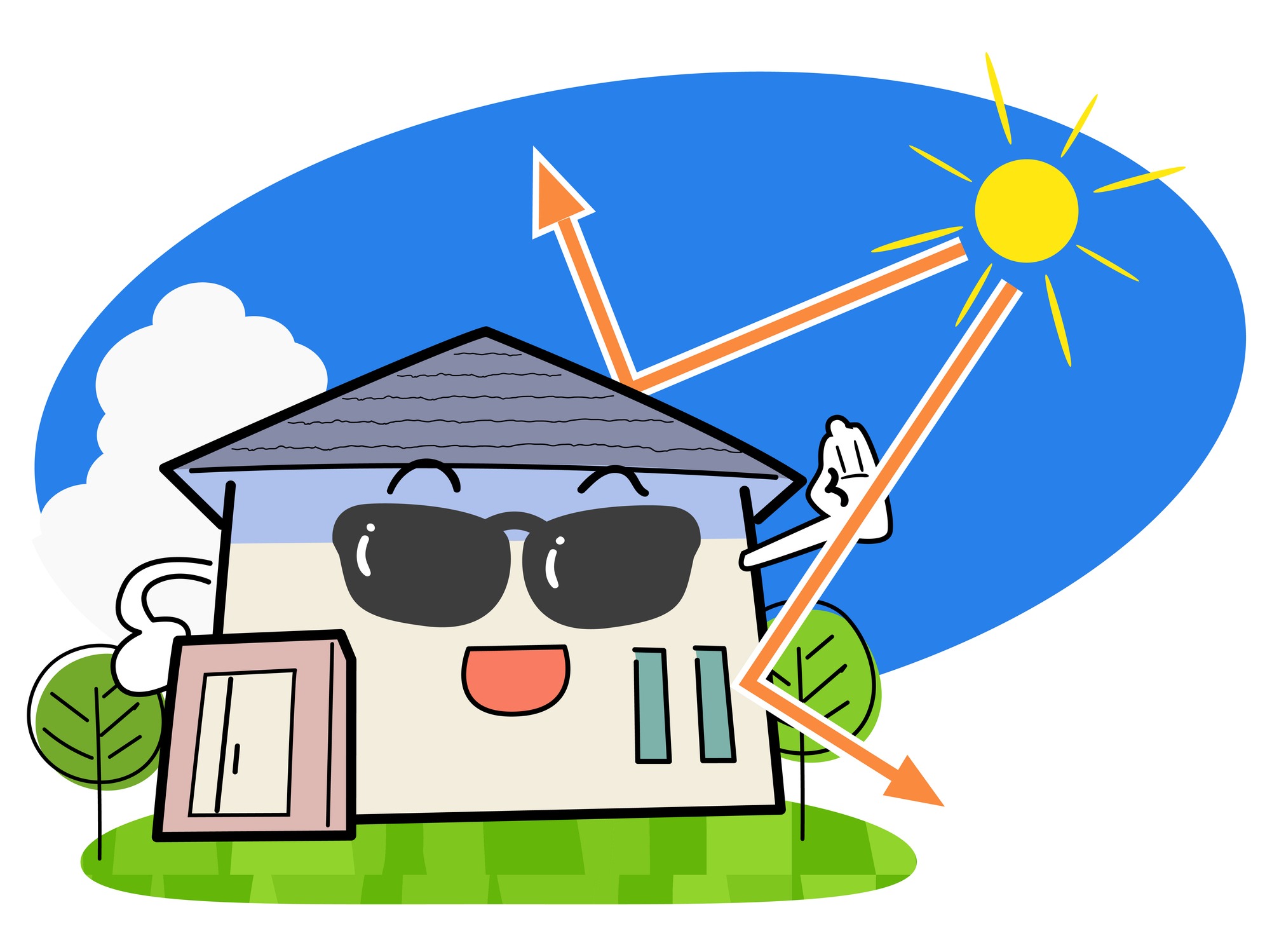
Window films can be useful when the existing windows are still in good condition, especially for a room with one problem exposure. Quality shades, lined draperies, solar screens, and exterior shading can also reduce the daily punishment on fabrics and floors. For older windows, damaged seals, persistent heat gain, or plans to remodel, replacement windows with the right low E glass may give broader benefits than a surface level fix.
A professional window contractor can also help match the glass to the home rather than selling a one size fits all upgrade. Climate, window direction, tree cover, room use, and budget all affect the right choice. The sun hitting a west facing family room in July is a different problem than morning light in a shaded bedroom.
The Bottom Line for Homeowners
If your furniture or flooring is fading faster than expected, your windows deserve a closer look. Sunlight through glass can slowly drain color, dry materials, and shorten the life of items you chose carefully and paid good money to enjoy. Low E glass, window films, shades, and strategic replacement can all help, but the best solution depends on the room, the exposure, and the condition of your current windows.
Before you replace another rug or reupholster a faded sofa, talk with a trusted window professional. TrustDALE’s vetted and certified window partners can help you compare practical options, understand performance ratings, and choose upgrades that protect your home’s comfort and the interiors you’ve worked hard to create.