

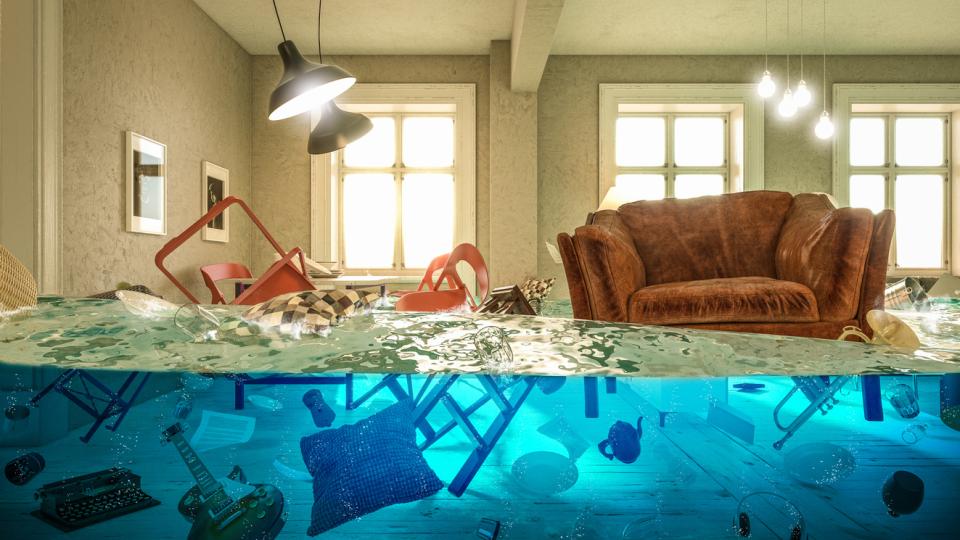
Water has a way of changing a home in minutes. What starts as a small leak or sudden flood can secretly spread beneath floors, behind walls, and into materials that were never meant to hold moisture. By the time it’s visible, the damage has already begun to take shape in places you can’t see.
In this blog, you’ll learn how the first 24 hours after water damage set the tone for everything that follows. We’ll walk through what needs immediate attention, what can wait, and how to make decisions that protect both your home and your wallet.
The First Few Hours Set the Stage
The initial response carries more weight than most homeowners realize. Water doesn’t sit still. It seeps, absorbs, and migrates through porous materials like drywall, insulation, and wood. That movement continues even after the visible pooling disappears.
If it’s safe to do so, shutting off the water source comes first. From there, power in affected areas should be handled with caution, especially when water is near outlets or appliances. Once the immediate hazard is under control, attention shifts toward removing standing water and limiting how far it can travel.
Small actions during this window can quietly reduce long term damage. Towels, mops, and wet vacuums can help in minor cases, but deeper saturation often requires commercial equipment to fully extract moisture from structural materials.
What Most Homeowners Miss Early On
A surface may look dry while still holding moisture underneath. Flooring, baseboards, and lower sections of walls tend to absorb water first, and that trapped moisture creates the conditions where mold begins to form.
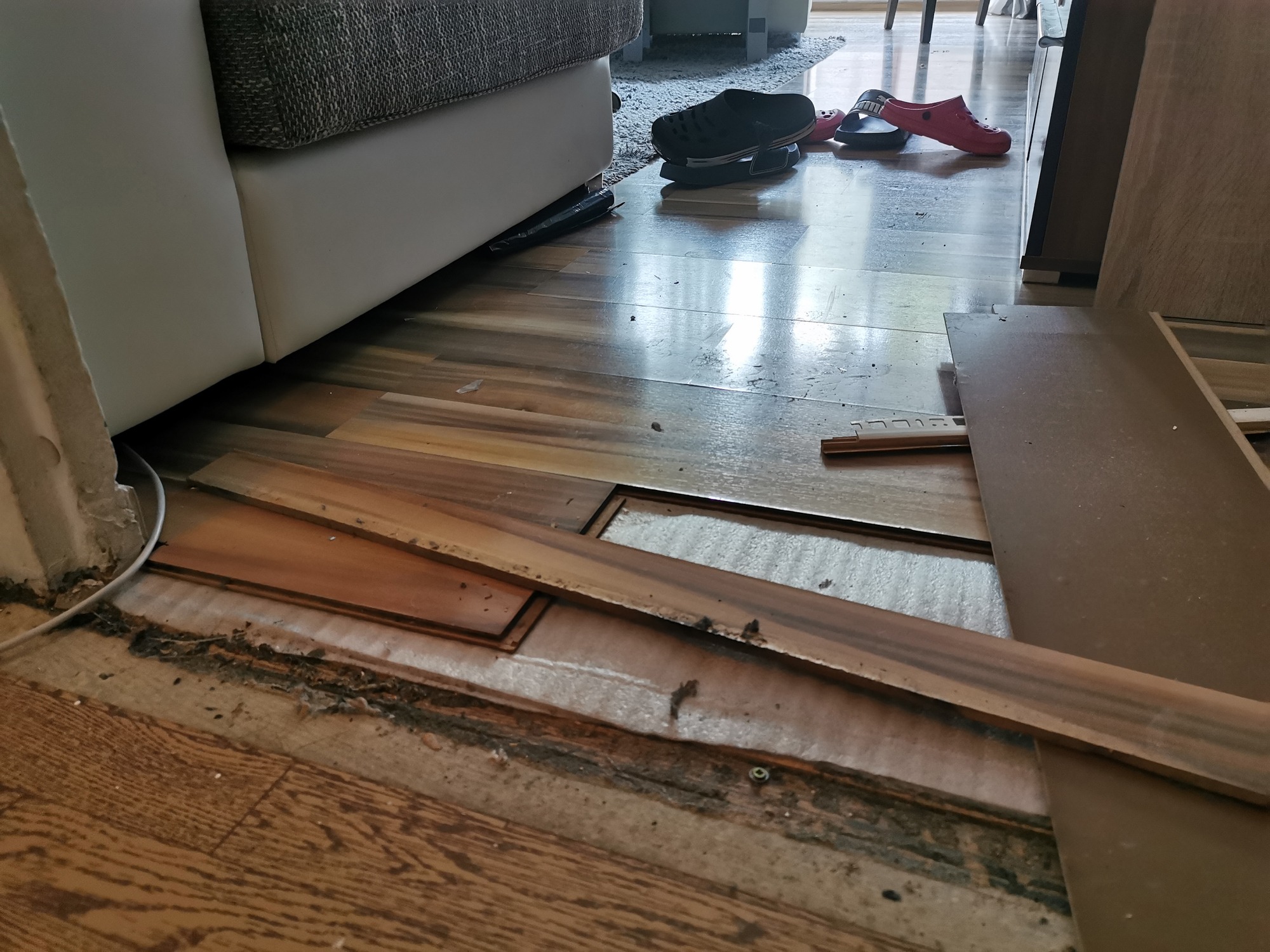
This is where timing becomes critical. According to the Environmental Protection Agency, mold can begin developing within 24 to 48 hours in damp environments, which means the clock starts ticking almost immediately after water exposure.
That hidden moisture often goes unnoticed without proper tools. Moisture meters, infrared imaging, and professional drying systems reveal what the eye can’t. Skipping that step can lead to repairs that feel complete on the surface but unravel weeks later.
DIY Cleanup vs. Professional Restoration
It’s tempting to handle water cleanup yourself, especially when the damage looks manageable. For very small, contained incidents, that approach can work with quick action and thorough drying.
Once water has spread beyond a single area or soaked into structural materials, the situation changes. Drying becomes less about removing visible water and more about pulling moisture from within layers of the home. That requires specialized equipment, controlled airflow, and careful monitoring over time.
There’s also the question of contamination. Water from appliances may be relatively clean, while water from flooding or sewage introduces health risks that need proper handling and disposal.
This is where professional restoration begins to make sense, not as a luxury, but as a way to avoid compounding damage that quietly grows more expensive.
Why Experience Stands Out
When time matters, experience becomes more than a selling point. It shapes how quickly a home can stabilize and how confidently the next steps are handled.
Integrity Restoration and Remodeling approaches water damage with a focus on both speed and precision. Their teams use commercial-grade drying equipment and moisture detection tools to track water beyond what’s visible, helping ensure that affected areas are fully addressed rather than partially treated.
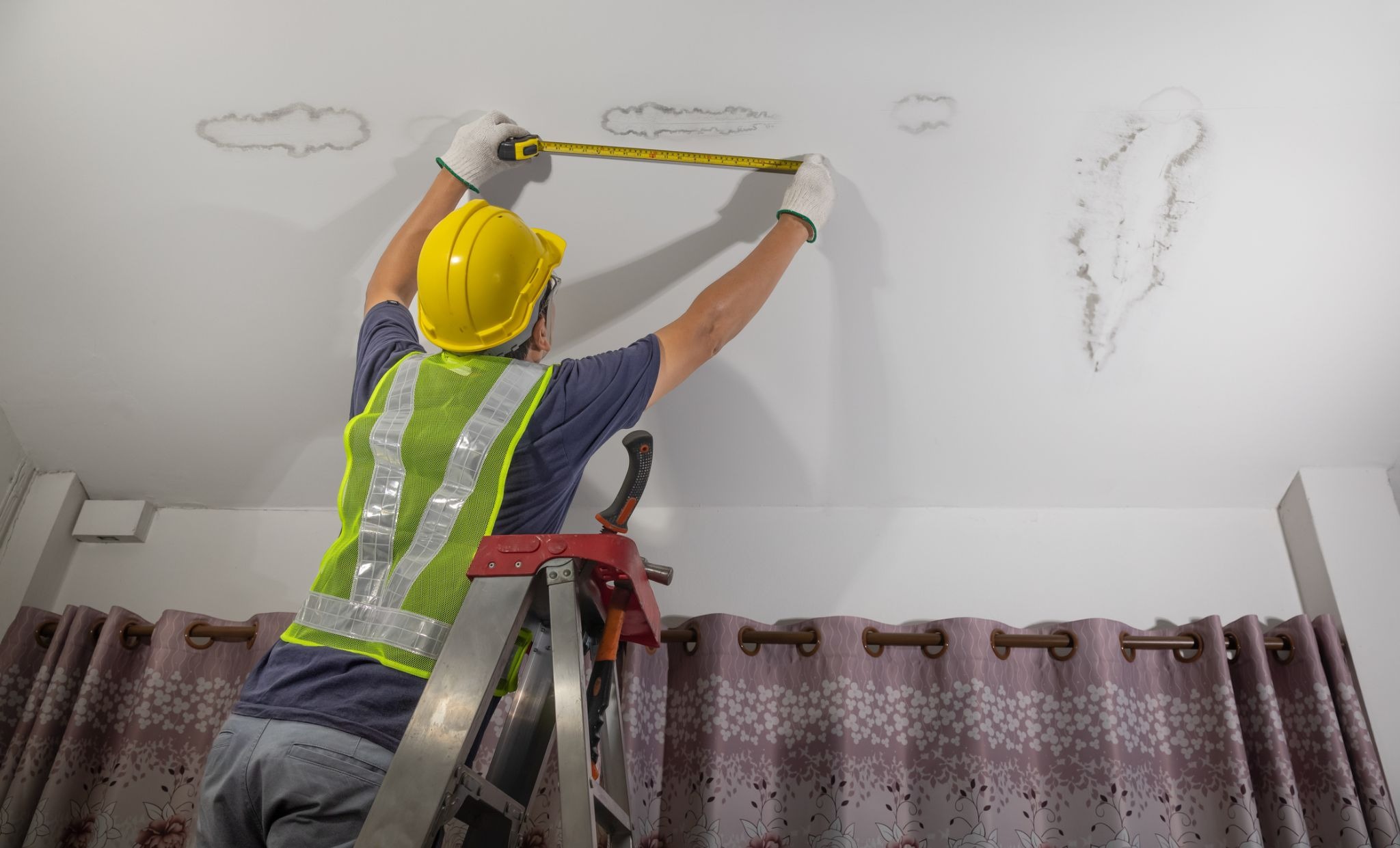
Homeowners often find reassurance in how the process is explained along the way. Instead of rushing through cleanup, the work is handled with attention to what’s happening behind the walls and beneath the surfaces. That level of care can make a noticeable difference in how well a home recovers and how soon normal life can resume.
The First 24 Hours Shape the Outcome
Water damage rarely stays contained to what you see on day one. Left unchecked, it moves deeper, settles into materials, and creates issues that surface later in the form of odors, structural wear, or mold.
Acting quickly doesn’t require panic, but it does require clarity. Knowing which steps to take, when to call for help, and how to avoid shortcuts can keep a stressful situation from turning into a long term problem.
Take the Next Step With Confidence
If your home has experienced water damage, don’t wait to see how things play out. The first 24 hours offer a narrow window to limit damage and protect your space.
For a researched provider you can trust to take these moments seriously, reach out to Integrity Restoration and Remodeling through TrustDALE. Having the right team involved early can make all the difference in how your home recovers and how much you ultimately spend to get there.