
Nothing ruins a morning like a cold shower. Fact.
You're halfway through rinsing your hair, and suddenly the water goes ice cold. Again.
If it seems to be happening more often lately, you're not imagining it. As the weather cools, the water coming into your home gets colder too, so your water heater has to work harder to keep up. Add holiday houseguests lining up for the shower, and even a healthy water heater can run short.
The short answer: hot water usually runs out because of heavy demand, a heater that's too small for your household or a part that's wearing out. The good news is you can narrow down the cause with a few safe checks, and a cold shower doesn't automatically mean you need a new water heater.
Key takeaways
- Back-to-back use adds up. Showers, the dishwasher, laundry and a big tub fill can outpace your heater.
- Tank size isn't the whole story. Your heater's First-Hour Rating tells you more about how much hot water you'll really get.
- Parts wear out. Sediment, a failed heating element or a broken dip tube can all cut your supply.
- Keep DIY checks hands-off. Don't open electrical panels, adjust gas controls or drain a hot tank.
- Get a real diagnosis. Leaks, rust or repeated shutoffs need a plumber, and a written estimate.
Why your hot water runs out: the usual suspects
First, figure out which problem you have. Does the hot water come back after a while, or does it stay lukewarm even after the heater has sat unused for hours? Those point to very different causes.
1. Your household uses more than the heater can keep up with
A long shower, followed by another shower, while the dishwasher runs... it adds up fast. A big soaking tub can use most of a tank in one fill.
That's where the First-Hour Rating (FHR) comes in. According to ENERGY STAR, the FHR estimates how many gallons of hot water a tank heater can deliver in one busy hour, starting full. It counts both the stored water and what the heater can reheat during that hour. That makes it a better measure than tank size alone. You'll find it on the yellow EnergyGuide label or in the owner's manual.
Quick test: spread out your hot-water tasks for a few days. If the problem goes away, your heater may just be undersized for your busiest hour, not broken.
But if you suddenly run out of hot water with the same routine you've always had, that's a sign something has changed inside the heater.
2. Sediment or a worn-out part
Over time, minerals in your water settle at the bottom of the tank. That sediment can make the heater less efficient and slower to recover. Other parts can fail, too:
- Electric heaters: a burned-out heating element can leave you with only part of your usual hot water.
- Gas heaters: a burner or control problem can keep the tank from reheating properly.
- Dip tube: this tube sends incoming cold water to the bottom of the tank. If it breaks, cold water mixes in near the top, and your shower turns cold sooner.
Rust or leaks around the tank are also red flags.
All of these need proper testing. Before you approve a repair or replacement, ask the plumber what evidence points to the diagnosis.
3. Your tankless heater has hit its limit
Tankless heaters don't run out the same way, because they heat water on demand. Instead, they're limited by how much water they can heat at once.
In colder months, the incoming water is colder, so the heater has to raise the temperature more. That lowers the flow it can support. Two showers and the dishwasher at the same time may be more than it can handle.
Don't rely on the big "maximum flow" number on the box. Check the manufacturer's chart for how much hot water your model delivers at your area's winter water temperatures.
Play detective before you call
A few days of notes can save you money and help a plumber zero in on the problem faster.
Keep a quick hot-water log
When the water goes cold, jot down:
- What was running: showers, the dishwasher, washing machine, a bath
- What time it happened
- Whether every faucet lost hot water, or just one
- How long it took for hot water to come back
Is it just one shower?
If only one fixture runs cold, the water heater may not be the problem at all. That shower's mixing valve or cartridge could be the culprit, which is usually a much cheaper fix than a new water heater.
Know what kind of heater you have
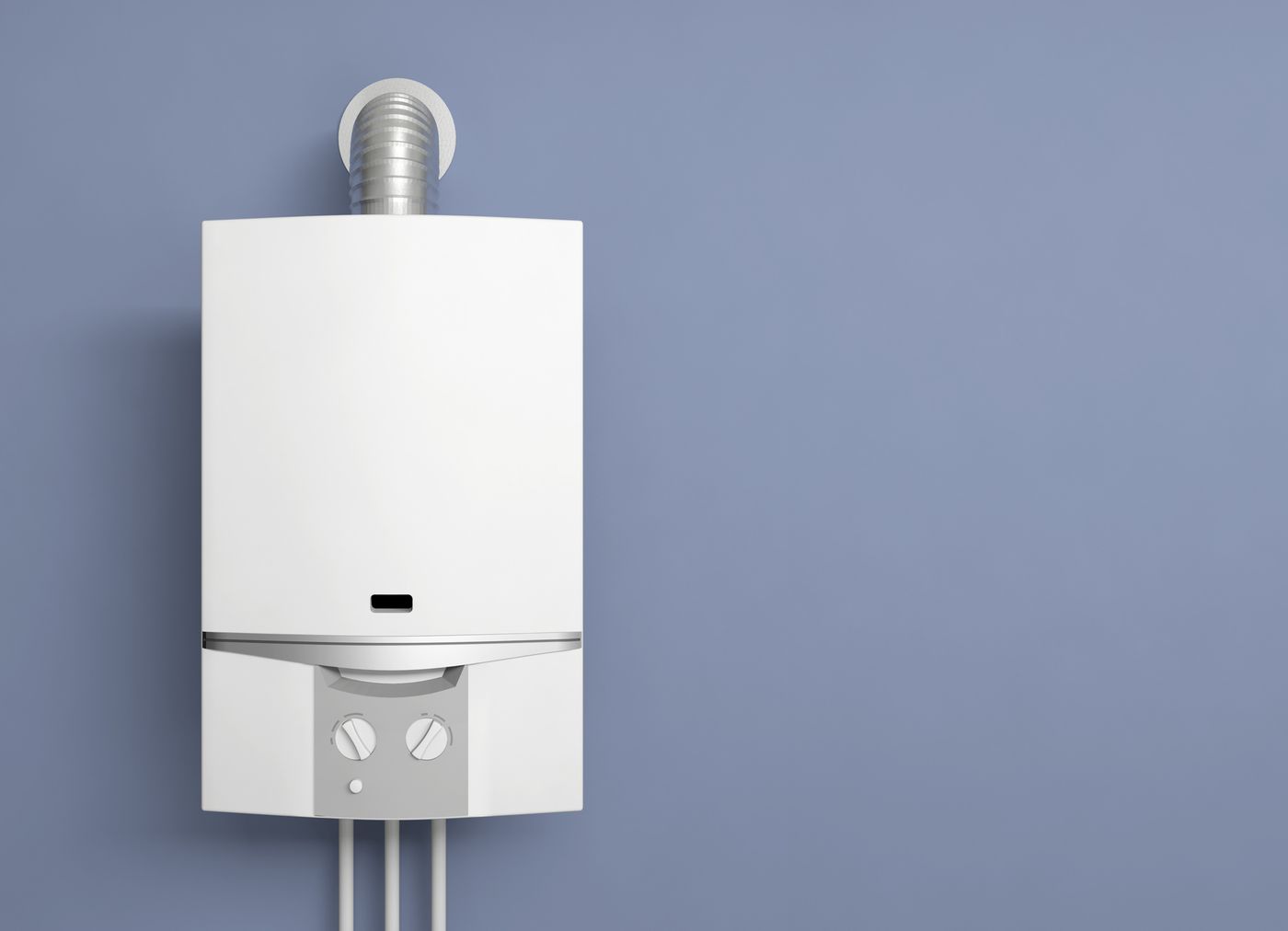
Check the label on the unit, your paperwork or the owner's manual to see whether you have a tank (storage), heat-pump or tankless water heater. Then:
- Tank or heat-pump: compare your busiest hour of hot-water use to the First-Hour Rating.
- Tankless: check the manufacturer's flow chart for the temperature rise you need in winter.
If spreading out your hot-water use fixes the problem, talk to a plumber about whether your heater is sized right before assuming something is broken.
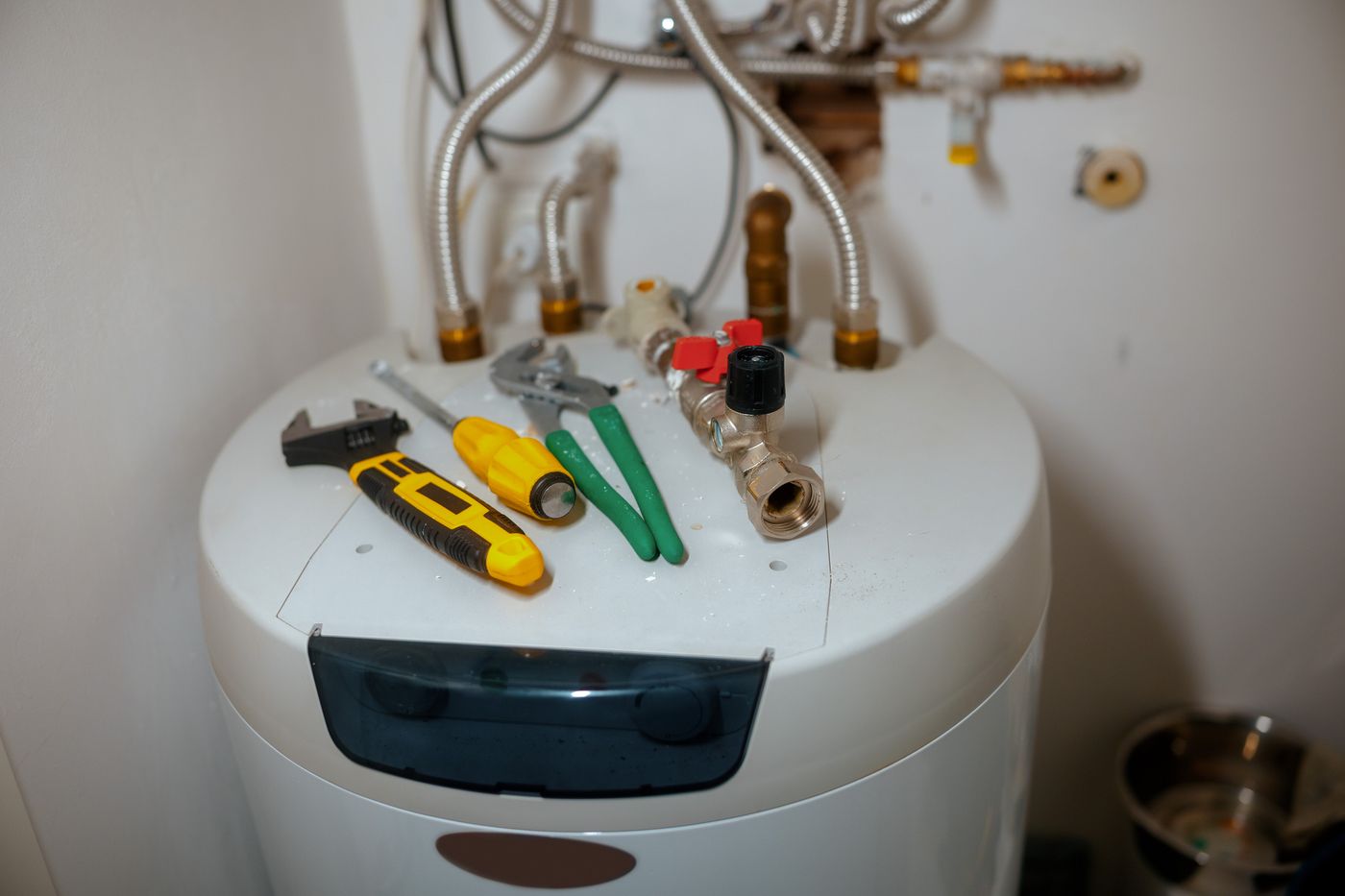
What's safe to check yourself (and what isn't)
| Safe to do | Leave it to a pro |
|---|---|
| Read the owner's manual before touching any settings | Removing electrical covers on the heater |
| Check settings the manual says owners can adjust | Working on gas valves or controls |
| Write down any error code on the display | Draining or flushing a hot tank |
| Look for puddles, drips or rust around the tank | Replacing heating elements, thermostats or dip tubes |
Why not drain the tank yourself? Water in the tank can scald you, and an old drain valve may not close properly once you open it.
If a breaker or safety switch keeps tripping, stop resetting it. Repeated trips are a sign something needs to be diagnosed.
Gas water heater safety
Smell gas? Get out now. Don't flip light switches, use your phone inside or investigate. Call the gas company or 911 from a safe distance.
Gas water heaters also produce carbon monoxide, an odorless gas that can be deadly. The U.S. Consumer Product Safety Commission recommends working CO alarms in your home. Test yours when you check your heater.
When to call a plumber
It's time for a professional if:
- Spreading out your hot-water use doesn't fix the problem
- You see leaks, puddles or rust around the tank
- A safety device keeps shutting the heater off
- You suspect a failed part inside the heater
Questions to ask before you book
- Is there a diagnostic fee? And does it go toward the repair if you approve the work?
- Can I get the diagnosis and estimate in writing? It should list the work, total price and anything not included.
- If I need a replacement, what's included? Ask about removal and disposal of the old heater, permits and any changes needed for installation.
- What's the warranty? Get parts and labor coverage in writing, and ask who handles a covered failure and what you'd still pay for. A manufacturer's parts warranty often doesn't cover the plumber's labor.
Need a plumber you can trust? Find a TrustDALE Certified plumber. Our certified partners pass our rigorous seven-point inspection and are backed by our $10,000 Make It Right Guarantee.
Frequently asked questions
Can a low thermostat setting make hot water run out faster?
Yes. When the tank stores cooler water, you use more of it (and less cold water) to get a comfortable shower, so the supply runs out sooner. But turning it up raises the risk of scalding, especially for kids and older adults. The U.S. Department of Energy suggests 120°F for most homes. Follow your manual rather than cranking the temperature to cover up an unexplained problem.
How long does a water heater take to recover?
It depends on the type of heater, the model, its settings and how much hot water you used. A nearly empty tank takes much longer to reheat than one that was only used to wash your hands. Heat-pump models can also vary by operating mode. Check your owner's manual or ask a plumber what's normal for your unit.
Do I need to flush my water heater every year?
Not necessarily. It depends on your heater, your water quality and the manufacturer's instructions. Tank flushing and tankless descaling are different jobs. If your tank is older or the drain valve looks worn, ask a plumber before flushing, since an old valve may leak or not close properly.
Is it safe to keep using a water heater that runs out of hot water?
Running out of hot water alone usually isn't an emergency. But leaks, rust and repeated shutoffs need prompt attention, especially if water is near electrical parts. If you smell gas, leave right away and call the gas company or 911 from outside.
Should I repair or replace my water heater?
It depends on the diagnosis, the tank's condition, the repair cost and whether the heater is big enough for your household. One failed part doesn't always mean you need a new heater. But repairing an undersized heater won't give you more hot water. Ask for a written comparison of repair vs. replacement, including installation and warranty details.
Why is my hot water running out faster in winter?
The water coming into your home is colder in winter, so your heater has to work harder to warm it up. Tank heaters take longer to recover, and tankless heaters can't deliver as much hot water at once.
The bottom line: diagnose before you replace
A cold shower is frustrating, but it doesn't automatically mean you need a new water heater. Start by tracking when the hot water runs out and comparing your busiest hour to your heater's rating. Sometimes a simple schedule change is all it takes.
If the problem sticks around, or you spot leaks, rust or repeated shutoffs, get a professional diagnosis before you spend money on maintenance, repairs or a replacement.
Ready for hot showers again? Connect with a TrustDALE Certified plumber, backed by our $10,000 Make It Right Guarantee.