
I'm a big believer in the restorative power of a nice, hot shower. But if your home has low water pressure, it can be less than satisfying.
When the shower weakens as the washing machine fills and every faucet feels underpowered, you're likely facing a whole-house supply problem. It can make showers frustrating, slow appliance cycles, and leave you using more water for basic tasks.
Residential water pressure may change when the water supply is restricted or another upstream component affects water pressure. Start with a few safe checks to narrow down the cause before paying for a repair.
Key Takeaways
- Low water pressure throughout the house usually points to a restriction or supply issue affecting the main water path, not a single faucet.
- Pressure and flow are different: normal pressure at rest can still hide a clogged pipe, filter, damaged line, or other restriction under demand.
- Check multiple fixtures, the main shutoff valve, filters, the water meter, and nearby neighbors before calling a plumber.
- A hose-bib pressure gauge can compare static and running pressure; readings below 40 PSI often feel weak, while pressure above 80 PSI can damage plumbing.
- Seek professional help for sudden pressure loss, suspected leaks, major pressure fluctuations, discolored water, or problems that remain after safe homeowner checks.
How Whole-House Water Pressure Works
Whole-house water pressure trouble means water reaches many fixtures with less force than your home normally has. You may notice it at the kitchen sink, upstairs shower, laundry connection, and outdoor spigot.
Pressure and flow aren't the same. Water pressure is the force pushing water through pipes, measured in pounds per square inch, or PSI. Water flow is the volume that reaches a faucet or appliance over time. A partially blocked pipe can allow a normal reading at rest but still limit fixtures once you turn water on.
Your home's normal residential water pressure depends on elevation, the municipal water system, pipe size, plumbing layout, and simultaneous demand. Some neighborhoods receive water from a water tower, while others depend on nearby pumping infrastructure. The water supply enters through a water main, then travels through interior water lines to individual fixtures.
A professional plumber can compare static water pressure, measured with water off, against running pressure while fixtures operate.
How to tell whether the problem affects the whole plumbing system
Test more than one fixture before blaming a faucet. Run a cold-water faucet on the lowest floor, then test an upstairs shower and an outdoor spigot. If all three feel weak, the issue likely affects the main water path.
Next, leave one faucet running while someone flushes a toilet, starts a shower, or begins a washing-machine cycle. A noticeable drop suggests the system cannot deliver enough water under demand, which indicates a limited flow rate.
Weak flow at every fixture points toward a main valve, service line, supply piping, or the municipal supply. By contrast, one slow bathroom sink often has a clogged faucet aerator or a partly closed fixture stop valve.
When a pressure problem is really a flow problem
A strong stream that quickly fades can mean water passes through a narrow restriction, then cannot keep up. Mineral deposits, a clogged filter, a damaged pipe, or a partly closed valve can cause that pattern.
Watch for these clues:
- Pressure changes sharply when another fixture runs.
- Only hot water or only cold water has a weak flow problem.
- One showerhead or faucet stays weak while others work normally.
- Water flow declined after a filter, softener, or plumbing fixture was installed.
A common plumbing problems guide also warns that hidden leaks and major pipe damage become more expensive when homeowners delay action. The key is diagnosis. Replacing showerheads won't correct a restriction near the main supply.
The Most Likely Causes of a Whole-House Pressure Drop
Begin with accessible components, then move toward issues that need testing or repair. Avoid broad replacement work until someone identifies where the water pressure or water flow drops.
A partially closed main shutoff valve or failing pressure regulator
Your main shutoff valve is often near the water meter, where the water main enters the house. It may be in a utility room, crawl space, garage, or basement. Recent work on a water heater may have disturbed the valve or supply connection.
A gate valve may look open even when its internal mechanism has failed. A ball valve should normally sit with its handle parallel to the pipe. Don't force a seized valve, because an older valve can crack or begin leaking.
Many homes also have a pressure reducing valve, commonly called a pressure regulator. It controls incoming pressure before water enters the plumbing system. A failing pressure regulator can cause weak water pressure, high water pressure, or pressure fluctuations that occur when nobody opens a fixture.
Pressure that rises and falls without water use deserves prompt attention. That pattern can stress plumbing components and may point to a failing pressure regulator, thermal expansion, or another pressure valve issue.
Don't dismantle a pressure reducing valve or turn adjustment screws without understanding the system. Incorrect changes can create excessive pressure and lead to leaks.
Clogged, corroded, or undersized supply pipes
Older galvanized steel water lines can narrow internally. Mineral deposits and pipe corrosion reduce the space available for water to pass. Water flow then drops through the restricted section.
An undersized main service line can also limit performance, especially after adding bathrooms, irrigation, or high-demand appliances. New demand may expose limits in residential water pressure. A qualified plumber should measure the flow rate and inspect accessible piping before recommending replacement.
Age alone doesn't prove that your pipes need replacement. A guide to addressing low water pressure similarly identifies mineral buildup, pipe condition, and supply restrictions as common reasons for reduced flow. Those causes require different repairs, which is why a clear diagnosis matters.
Leaks, plumbing damage, or a utility supply problem
A hidden leak can reduce available water pressure while damaging framing, drywall, flooring, or soil around the home. Slower leaks may develop over time, while burst pipes require immediate action.
Check your water meter when every faucet, appliance, irrigation zone, and ice maker is off. If the meter's leak indicator still moves, water may be escaping somewhere.
Also look for unexplained damp spots, musty odors, a sudden bill increase, warm flooring, or soft ground near the water main. Turn off the home's main water supply and call for help quickly if you suspect a major active leak.
Recent street work, utility repairs, hydrant use, or construction can also affect neighborhood pressure. Ask nearby neighbors whether they have the same issue, then contact your municipal water system provider. If several homes report a sudden drop, the problem may be outside your property line.
What You Can Check Before Calling a Plumber
A careful record saves time and makes it harder for anyone to sell you work that doesn't match the problem. Write down when the water pressure changed, which fixtures are affected, and whether the trouble involves hot water, cold water, or both.
Use this homeowner-safe sequence:
- Test faucets on different levels, an upstairs shower, and an outdoor spigot. Compare the water flow at each location.
- Check whether the main shutoff valve and fixture valves are fully open.
- Ask neighbors whether their pressure changed at the same time.
- Check the water meter with all water use turned off.
- Inspect whole-house filters, softener settings, and bypass valves.
- Note any recent plumbing, remodeling, utility, or water-heater work.
Don't open walls, disassemble a pressure control device, or try to repair buried water lines yourself. Leave those tasks to a technician, since a small mistake can cause serious water damage.
Measure water pressure with an inexpensive gauge
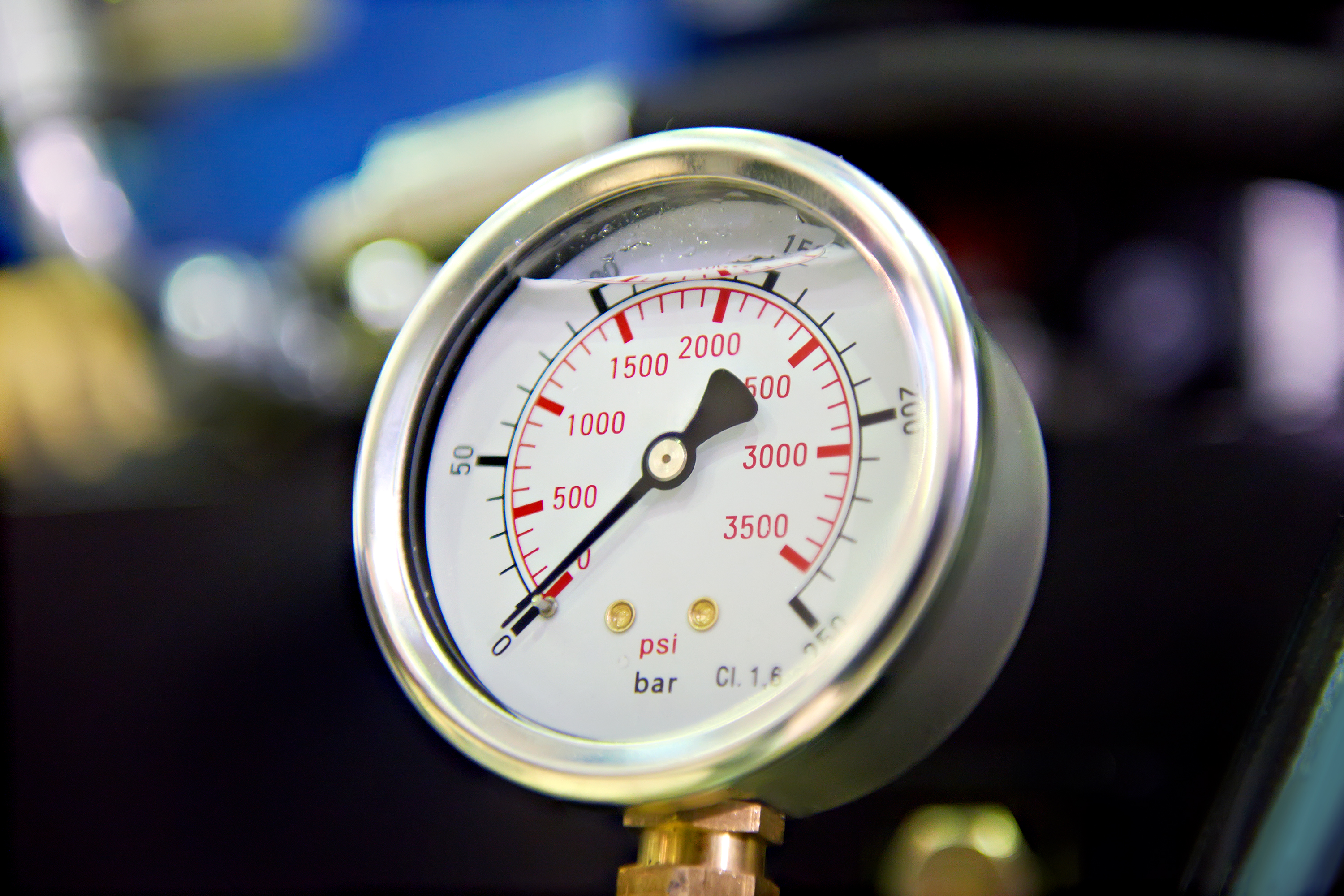
A hose-bib pressure gauge gives you a useful starting point. Attach it to an outdoor spigot or a washing-machine connection. Take one reading with all fixtures off, then take another while a faucet or shower runs.
The first number is your static water pressure. The second shows how the system performs under demand. A major drop between readings may indicate a restriction or inadequate supply. Pressure readings alone don't measure the flow rate, so one gauge test never tells the full story.
Record the water pressure, time, and operating conditions if results seem unusual. Pressure can change during high-demand hours, so repeat the test before calling a technician.
Residential water pressure generally falls between 40 and 60 pounds per square inch (PSI), but local conditions vary. High water pressure above 80 PSI can stress plumbing fixtures, valves, and appliances. Readings below 40 PSI often feel too weak for comfortable showers and simultaneous household tasks.
Check valves, fixtures, filters, and recent plumbing work
Clean or replace a visibly clogged faucet aerator or showerhead if the trouble is limited to that fixture. For whole-house issues, inspect filters for overdue cartridges and confirm a water softener's bypass valve isn't partly closed.
Think back to the timing. A pressure drop after a water heater installation, filtration upgrade, renovation, or utility repair gives a technician a valuable lead. Recent work may have disturbed or restricted nearby water lines, so keep receipts and project paperwork available.
When Low Water Pressure Requires Professional Help
Call a licensed professional plumber when water pressure falls suddenly, stays below your home's normal level, or remains weak after accessible checks. Seek prompt help for unexplained water meter movement, discolored water, pipe noise, wet spots, burst pipes, or signs of a concealed leak. If a leak appears serious, stop the home's supply at the shutoff valve if you can do so safely.
For a significant repair, compare at least three detailed estimates. Each provider should identify the measured cause before recommending a pressure regulator replacement, service-line repair, or whole-home re-pipe. Pressure fluctuations may justify investigating the regulator or supply issue before choosing a full re-pipe. Always compare diagnosis, scope, and warranty terms.
Questions to ask before approving a repair
Ask for measured facts, not vague assurances. A reputable provider should answer these questions clearly:
- What water pressure did you measure with water use off and while fixtures were running?
- How do those readings compare with an appropriate residential water pressure range?
- Is the restriction inside the house, at the service line, near the water main, or on the utility side?
- Can you show the failed part, leak evidence, or measured flow results?
- Could excessive pressure damage my plumbing fixtures?
- What repair options do I have, and what does each option cost?
- Does the price include labor, materials, permits, cleanup, and possible wall repair?
- What warranty covers parts and labor?
Request a written estimate that separates diagnostic work, materials, labor, permits, and potential added work. That format makes proposals easier to compare without overlooking exclusions.
Warning signs of an unreliable plumbing estimate
Be cautious if a contractor recommends a full re-pipe without testing pressure and flow. The same concern applies when someone refuses to explain the diagnosis, offers only a verbal price, or insists you approve major work immediately.
One pressure reading does not prove every pipe in the house needs replacement. Verify licensing and insurance under your state and local rules, review complaint history, and read warranty terms before signing. A reliable provider explains what they found and gives you time to evaluate a large repair. You can take the guesswork out of finding a reliable plumber by going to Trustdale.com, where our Certified Plumbers have already passed our rigorous 7 point inspection process and are backed by our $10,000 Make It Right Guarantee.
Frequently Asked Questions
What causes low water pressure throughout the house?
Common causes include a partially closed main valve, a failing pressure regulator, clogged or corroded supply pipes, hidden leaks, and utility-side problems. Testing several fixtures and comparing pressure with and without water use can help narrow down the cause.
How can I tell whether the problem is pressure or flow?
Attach a hose-bib pressure gauge and record one reading with all fixtures off and another while water is running. A major drop under demand may indicate restricted flow, although pressure readings alone do not measure the full flow rate.
What is a normal residential water pressure range?
Residential water pressure generally falls between 40 and 60 PSI, although local conditions vary. Readings below 40 PSI may feel too weak, while pressure above 80 PSI can stress fixtures, valves, and appliances.
Should I call a plumber for low water pressure?
Call a licensed plumber when pressure drops suddenly, remains below normal, or does not improve after checking accessible valves and filters. Seek prompt help for meter movement when all water is off, wet spots, burst pipes, discolored water, or other signs of a concealed leak.
Can a water filter or softener reduce whole-house water pressure?
Yes. An overdue filter cartridge, incorrect softener setting, or partly closed bypass valve can restrict water flow throughout the home. Inspect these components safely and note whether the pressure problem began after installation or maintenance.
A Clear Path to Restoring Stronger Water Flow
Start by comparing your readings with the home's normal residential water pressure. Then test several fixtures, check valves and filters, ask neighbors about area-wide trouble, and contact the utility if the timing points outside your home.
A measured diagnosis is better than a guess. For leaks, regulator failures, damaged pipes, or unexplained whole-house water pressure problems, you need a professional. But document your readings and obtain a written diagnosis before authorizing expensive work.