

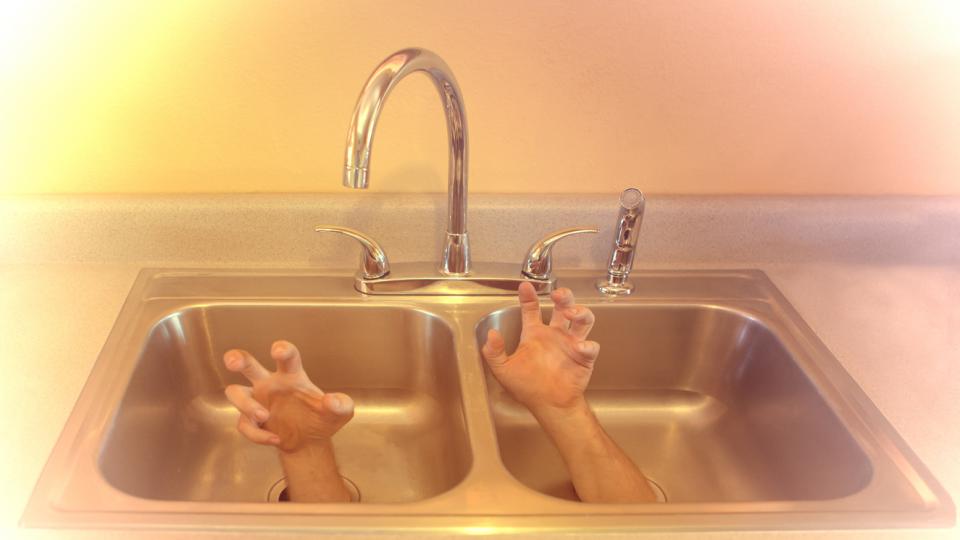
It always starts small. A faint gurgle in the drain, a quick glance and a shrug, and a mental note… that you promptly forget. Days later the soundtrack grows stranger, the sink sulks, and that “probably nothing” turns into “how did water get everywhere.”
In this guide, you will see how those tiny symptoms snowball into big, messy, expensive problems. But don’t worry, we also know how to cut them off before they become a full-blown crisis.
From Harmless Blip to Real Warning
Gurgling toilets, slow drains, and a drip that keeps time at 2 a.m. don’t feel very urgent because they are easy to live with. Life is busy, the water still “works,” and the noise is more annoying than alarming.
The reality is less cute.
Gurgling often means air is trapped in your drain or vent system. Slow drains suggest developing blockages or early sewer line trouble. That rhythmic faucet drip is not only wasting water but signaling worn parts that can fail under pressure.
Small signs are not random. They are the early chapters of a horror story you want to end now.
When The Plot Thickens
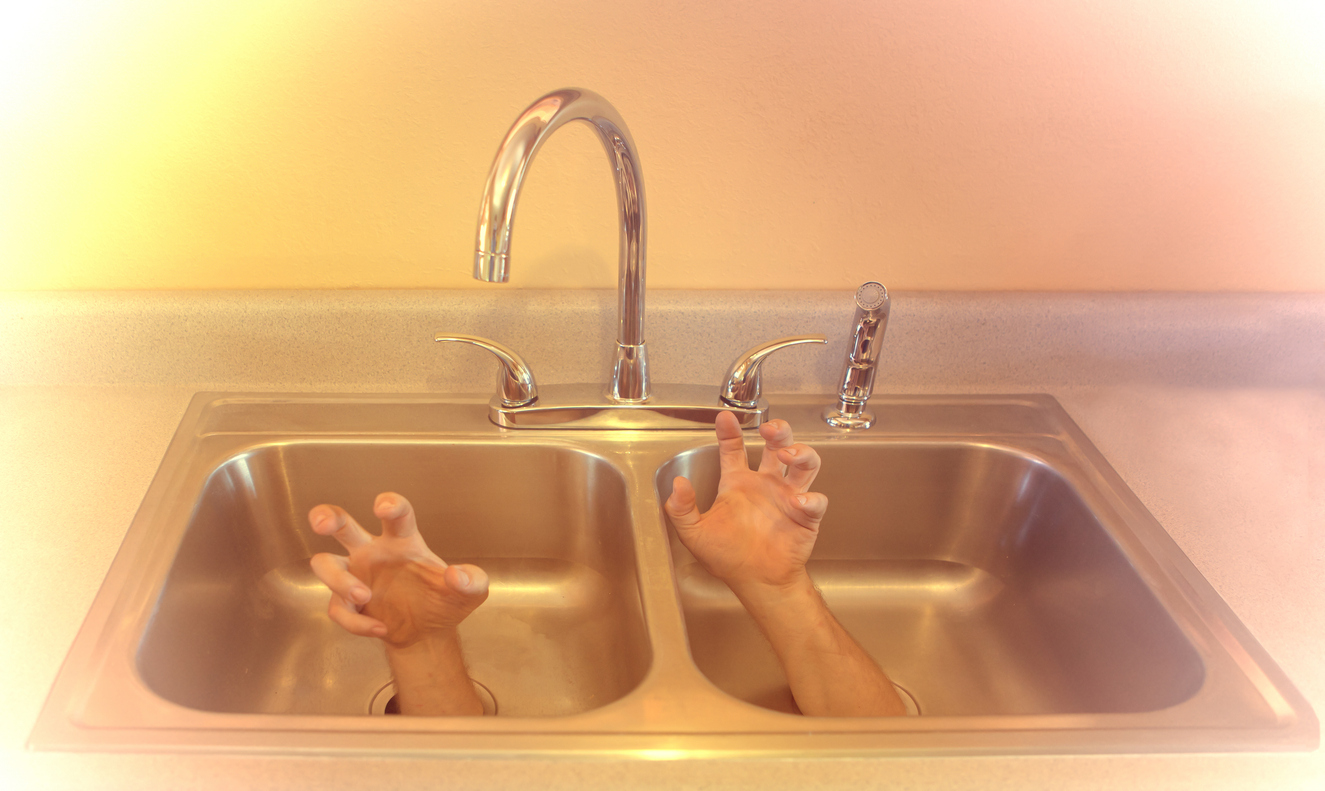
Ignore the hints and the home begins to talk louder. Gurgles become burps and then backups. Odors creep in because waste gases are escaping where they should not. That innocent drip migrates behind walls and under cabinets, where it quietly feeds mold and rots wood.
As pressure fluctuates, weak points in old pipes give way. Corroded fittings split. Supply lines pop. A “minor” leak that was adding a cup of water a day becomes a sudden spray. What was once a quick fix is now a hunt for hidden damage, swollen drywall, and warped flooring. The repair bill grows right along with the mess.
Welcome To The Splash Zone
This is where the apocalypse branding earns its name. Basements flood after a heavy rain reveals a sewer line clog. A main line backs up and sends sewage into tubs and sinks. Belongings are ruined, boxes melt into pulp, and the smell is a memory you will never forget.
Then comes the aftermath: Extraction fans, dehumidifiers, tear-outs. Insurance calls. Mold remediation. Replacement of insulation, subflooring, and baseboards.
By the time it is over, the cost can dwarf what it would have been with a simple early intervention. The intangible costs are real too. Lost time, disrupted routines, and the stress of living in a construction zone.
How To Stop The End Times Before They Start
You do not need superpowers to avoid a plumbing disaster. You just need a plan and the discipline to act on early clues.
- Schedule routine inspections for older homes or if you have had past issues
- Learn the location of your main water shutoff valve and test it annually
- Install mesh strainers to keep hair and debris out of drains
- Fix drips and running toilets promptly to reduce wear and catch pressure problems early
- Call a licensed plumber at the first sign of recurring gurgles, slow drains, or sewage smells
A professional can scope drains, spot faulty vents, test water pressure, and replace failing parts before they fail spectacularly. If you have trees near your sewer line, ask about root intrusion. If your pipes are aging, discuss materials and replacement timelines. The quiet, unglamorous work of prevention is always cheaper (and way less dramatic) than the work of cleaning up.
The Final Word
Today’s gurgle can be tomorrow’s basement flood. The choice is simple: pay a little attention now or pay a lot later. Stay vigilant, fix the small stuff quickly, and when the same symptom keeps popping up, bring in a certified plumbing pro.
Your future self will thank you when your bathroom remains a bathroom and not a water feature.