

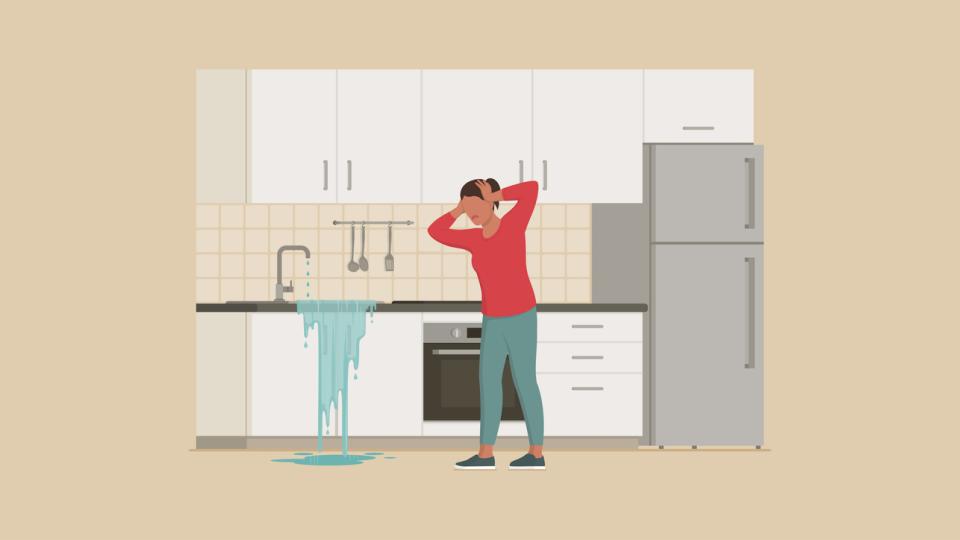
It starts with something deceptively simple. You notice a sluggish sink or a toilet that burbles when flushed. You grab a plunger and think, “No big deal.” But in plumbing, those little annoyances can quickly turn into serious problems. Knowing when to step aside and call in a professional can mean the difference between a minor inconvenience and a major headache.
When It’s More Than a Stubborn Blockage
First, understand that minor clogs (like hair in the shower, or leftover food in the kitchen drain) are often manageable with tried-and-true household tools. But certain signs point to trouble brewing beneath the surface. These include water backing up into other drains when you run something that shouldn’t cross-connect. A gurgling toilet can indicate a deeper blockage in your main sewer line. That’s a sign you need an expert with the right tools and training.
Unexpected leaks merit immediate attention. A single drip might feel trivial until you find water seeping into your walls or ceilings. Hidden moisture can cause mold, weaken structural components, and trigger costly repairs down the line. Plumbing professionals can locate and fix leaks before they escalate into soaked floors or ruined drywall.
flooding or water pooling around fixtures is a clear alarm bell. If water is emerging from unexpected places, like baseboards or underneath a toilet, don’t wait to see if it stops. Shut off your main water line and call a plumber.

Additional Signals That It’s Time to Call a Pro
Your system emits strange smells or a sewer-like odor. That could mean sewer gases are leaking through cracks or worn seals. If you’re suddenly hearing loud banging or a high-pitched whine when turning on taps, the issue might lie in excessive water pressure, failing valves, or misaligned pipes. Misdiagnosing that yourself could make things worse. Professional plumbers carry tools to measure pressure, replace failing components, and adjust your system safely.
Valuable Advice Before the Plumber Arrives
Turn off your water supply when you notice persistent leaks or flooding. That quick step can limit potential damage while you await help. Clear any clutter around fixtures so the plumber can work without delay. Take photos of stains or leaks to help your plumber pinpoint the issue immediately. Ask if they offer emergency or weekend service and whether they can share up-front pricing. Trustworthy pros will respect your home and your budget.

Healthcare for Your Home: Prevent Damage Before It Starts
Monitoring your plumbing’s health can help you avoid emergencies altogether. Have your sewer line inspected every few years. Install drain screens to catch debris before it builds up. Avoid pouring grease or fibrous food down the drain. If you live in a cold climate, know how to safely insulate pipes to prevent freezing.
Closing Thoughts
DIY plumbing feels like the most cost effective option, but occasionally stepping back and inviting a professional into your home is the smarter, safer path. That decision can protect your home from water damage, preserve your peace of mind and often costs far less than cleanup and repairs after a catastrophe. Listen to your plumbing. When it speaks in gurgles, leaks, strange noises or odors, the right response is often one you can’t DIY. Let the pros handle the serious stuff while you stay dry and stress-free.