

A carpet can look “fine” until the sunlight hits it and your living room suddenly has waves. Dirt settles into the folds, vacuuming gets harder, and the loose spot keeps flexing until the fibers give up. Replacing carpet is expensive and disruptive, so repair or restretching often makes more sense.
When Carpet Waves, Your House Pays
Buckles, wrinkles, and bubbles are not supposed to be part of normal life. Improper installation is one of the most common reasons for these issues. When installers fail to properly secure the carpet to tack strips, or leave excess material tucked beneath baseboards, ripples and slack appear within a few years. Tack strips can lose their grip over time, allowing the carpet to loosen and wrinkle.
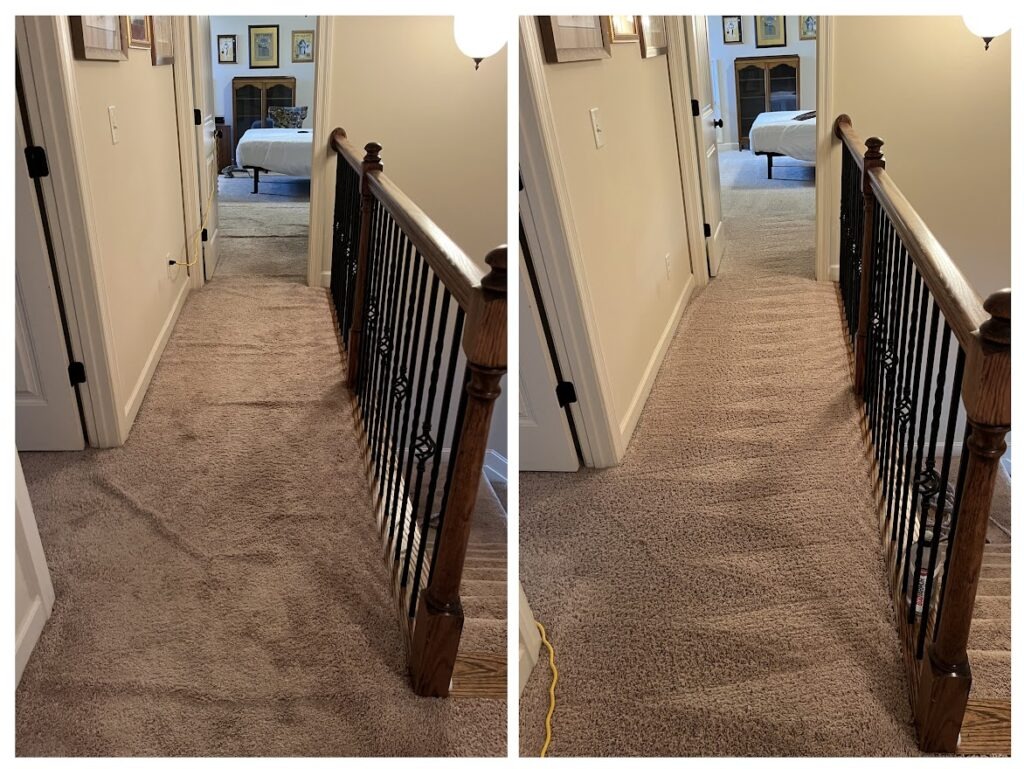
Bad installs, humidity swings, heavy furniture, padding that shifts, can all leave carpet slack. The fix is mechanical, which is why the contractor matters. Technicians at Hughes Dry Professional Carpet Care, a TrustDALE certified partner, are fully bonded, uniformed, and insured and provide free inspections with upfront pricing – a solid checklist for homeowners to reference when comparing anyone’s quote.
Restretch or Repair?
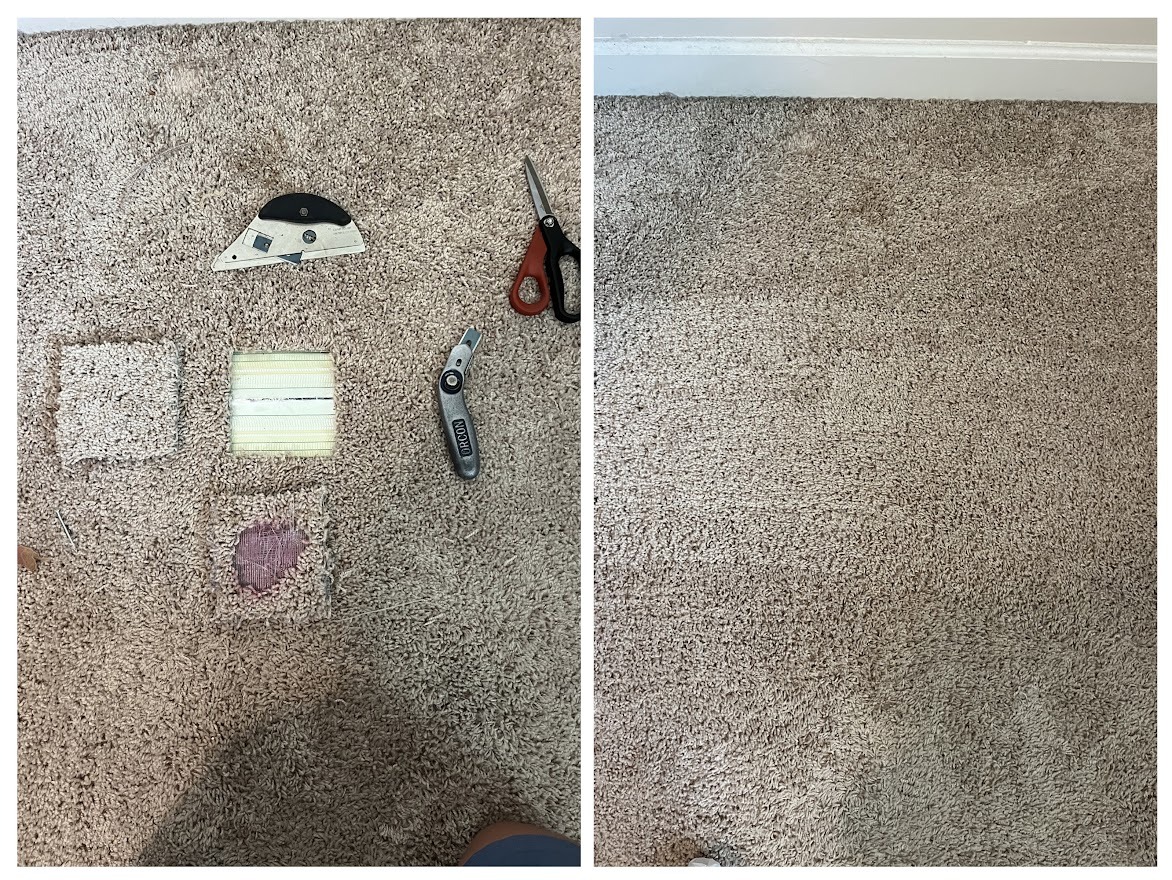
Restretching is for broad looseness, the kind you notice in the middle of the room or along a walkway. Repair is for localized drama: a torn seam, a burn, pet damage, a bleach spot that refuses to blend in. You can often patch with a donor piece from a closet or leftover remnants and keep the rest of the carpet in play.
To keep the fix from turning into a repeat appointment, look for the same qualities you’d demand from any home service provider: real expertise, real tools, and a plan they can explain. Hughes Dry is an example of a company that checks all the boxes. Their team follows a meticulous process: cutting the carpet correctly, closing seams, re-tacking it securely, and power stretching it back into place for a smooth, durable finish.
Time and Money: The Adult Section
Most stretching or small repairs are handled in a single appointment, but the clock moves based on furniture and complexity. Clear breakables, pick up toys, and make a path. If a patch is likely, finding remnants now saves awkward rummaging later.
Pricing depends on scope, not just square footage: stairs, seam work, furniture moving, and whether padding or tack strip needs attention. If moisture is involved, treat it like a different category of problem. EPA guidance notes that wet vacuums alone will not dry carpets and that wet carpets must be pulled up and dried, then reinstalled, with padding also dried.
If you want the carpet tightened and refreshed without waiting around, low-moisture cleaning can help. Hughes Dry describes a dry extraction process designed to clean without soaking and to leave carpets ready for immediate use, which is useful when you’re trying to get back to normal fast.
If your carpet is buckling or coming loose, get a quote before you talk yourself into replacement. Start with a TrustDALE certified partner, and use Hughes Dry as the “this is what professional looks like” reference point.