

You’ve seen the ads: “Get paid to test apps and games on Testerup!” It sounds like easy money, but is it real, or just another online gimmick? In this post we’ll break down how Testerup operates, what users report about its legitimacy, and what to watch out for before handing over personal information or chasing payouts.
What Testerup Claims to Be
According to its marketing, Testerup is a platform where you can test mobile games, apps, or products in exchange for cash rewards. You sign up (often via your email or social media login), choose tasks or “missions” such as downloading a game, reaching a certain level, playing for a set time, or completing a survey. Then once you hit those milestones you become eligible for payouts (often cited at $70–$100 or more).
The app is available through major app stores, and features a large social media presence, which naturally gives it a veneer of legitimacy.
Behind the scenes, Testerup is operated by German-based company Aestimium GmbH, which specializes in mobile “earn-to-play”, reward-based app models.

The Legitimacy Debate
Is Testerup a scam? The short answer: no, not in the criminal sense. But the longer, more nuanced answer is that it is a high-friction reward system that benefits the platform far more than the user.
Here’s what user feedback reveals:
- Some users report successfully receiving small payouts
On the flip side, many users complain about the difficulty of reaching the minimum withdrawal threshold (commonly ~$70) and about accounts being flagged or tasks denied for unclear reasons.
Complaints include that the advertising of “earn $120” or “earn thousands” is misleading because the tasks that pay higher amounts typically require many hours of gameplay or making in-app purchases.
Complaints also target the tracking systems: some tasks don’t properly register progress if you use a VPN or ad blocker, or if you’ve downloaded a game before.
- Some complaint boards show very low ratings that cite long waits or denied payouts.
So, while Testerup appears operational and does pay users who follow all requirements, the pay-off is often small relative to the time invested and the conditions. The risk lies in time wasted and data exposure rather than outright fraud.
How to Stay Safe with “Get Paid to Play” Platforms
If you decide to try platforms like Testerup, here are some practical consumer-safeguard tips:
- Limit the personal info you provide. Avoid giving full banking details or highly sensitive personal data before verifying the company’s registration and reading its privacy policy.
- Be skeptical of large promised payouts for simple tasks. Many such apps monetize your data or push you toward in-app purchases rather than paying you upfront. For example, several high-pay tasks require you to spend money in the game to progress.
- Use privacy tools when testing unknown apps. This may include a VPN, a disposable email account, or a secondary device when possible. Especially if the app requests tracking permissions or uninstall-restrictions.
- Research the parent company. Check sites like Better Business Bureau or consumer advocacy platforms to see if there are complaints or regulatory issues.
- Weigh time vs reward. Even though Testerup is “legit,” the time investment to hit the ~$70 minimum may far outweigh the benefit.
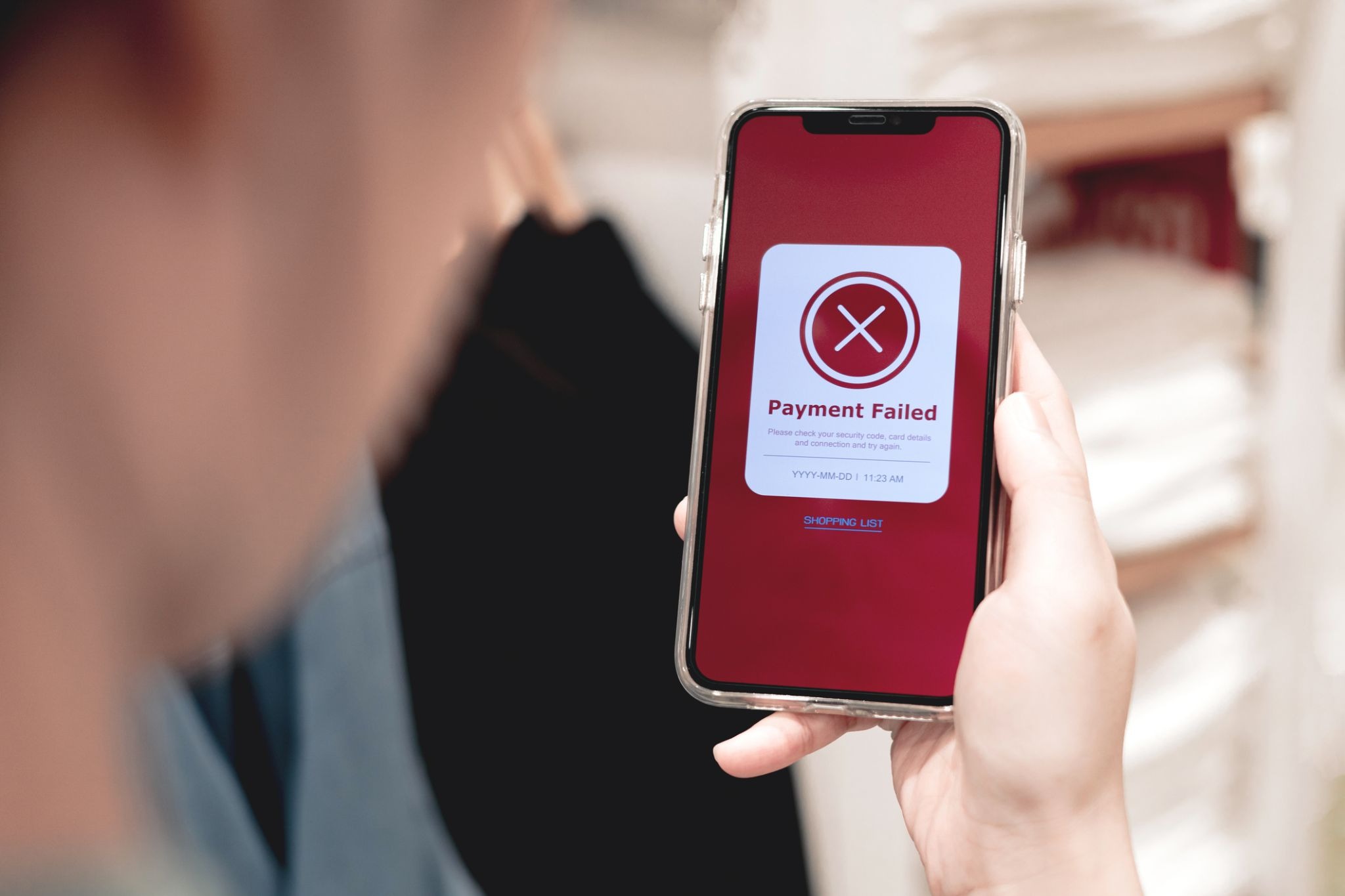
In short: Testerup is technically legitimate. It’s just that something legit doesn’t necessarily mean “worth your time or data.” If you’re looking to earn a few extra dollars while casually playing mobile games, it might serve. But if your aim is reliable income or you’re uncomfortable with tracking/promotions/in-app purchase traps, it may not be the best path.
If an offer sounds too good to be true, it usually is. Before signing up for any online rewards program, check verified consumer reviews and carefully evaluate the tasks and data-privacy implications. Stay cautious, and if you’re unsure, consider only participating in platforms you’ve vetted through trusted watchdog sites.