


Why Weather Matters More Than You Think
Ever notice paint that peels, fades, or bubbles months after it’s applied? The culprit might not be the paint, it might just be the weather. Every successful paint job depends not just on color or technique but also on timing. Temperature, humidity, and sunlight all interact with paint chemistry in ways that can dramatically affect the finish and longevity.
In this article, we’ll break down how climate conditions impact painting results, and how experienced professionals like CertaPro Painters, a TrustDALE certified partner, plan every step around those environmental factors to make your home’s color last beautifully for years.
Temperature Trouble: When It’s Too Hot or Too Cold to Paint
Paint chemistry is surprisingly sensitive. Most paints perform best when applied between 50°F and 85°F. Outside that range, even premium products can falter.
When it’s too cold, paint thickens and struggles to spread evenly. The slow drying process leads to poor adhesion, cracking, or peeling. This especially occurs on exterior surfaces exposed to overnight chills. On the other hand, when it’s too hot, paint can dry before it bonds properly, leaving brush marks, streaking, or a chalky texture.
Professional painters anticipate these challenges. Crews at CertaPro Painters use detailed weather forecasts, digital thermometers, and even surface temperature sensors to determine the best time of day for application. They’ll often start early in the morning or wait until late afternoon to avoid midday heat spikes.
The industry has also evolved with temperature flexible paints, designed to cure effectively in cooler or warmer conditions. CertaPro’s experts know which formulations perform best in your local climate, helping homeowners avoid costly do-overs.

Humidity, Rain, and the Battle Against Moisture
Moisture is paint’s quiet saboteur. High humidity or residual dampness can keep paint from curing properly, leading to bubbling, blistering, or mildew beneath the surface. It’s especially risky on porous materials like wood, stucco, or concrete, which trap water vapor inside.
Before opening a single can, professional painters test the surface. Tools like moisture meters detect dampness invisible to the eye, ensuring that walls are completely dry before priming or painting begins. In coastal or humid regions, pros rely on breathable primers that let moisture escape without compromising adhesion.
For homeowners, the rule of thumb is simple: If you can feel dampness, it’s too soon to paint. Even after a light rain or heavy morning dew, the surface should be given ample drying time. CertaPro’s experienced teams factor in not just daily weather, but recent rainfall and upcoming humidity patterns before starting any project.
Sunlight, Shade, and UV Resistance
The sun, while beautiful, is brutal on paint. Over time, intense UV rays break down pigment molecules and paint binders, causing fading, chalking, and surface degradation. South-facing walls, decks, and trim are particularly vulnerable.
Today’s UV-resistant paint formulations are engineered to fight this breakdown. Many high-end exterior paints include reflective pigments and additives that deflect sunlight and maintain color vibrancy longer. CertaPro’s experts help homeowners choose products rated for their region’s solar intensity and exposure levels.
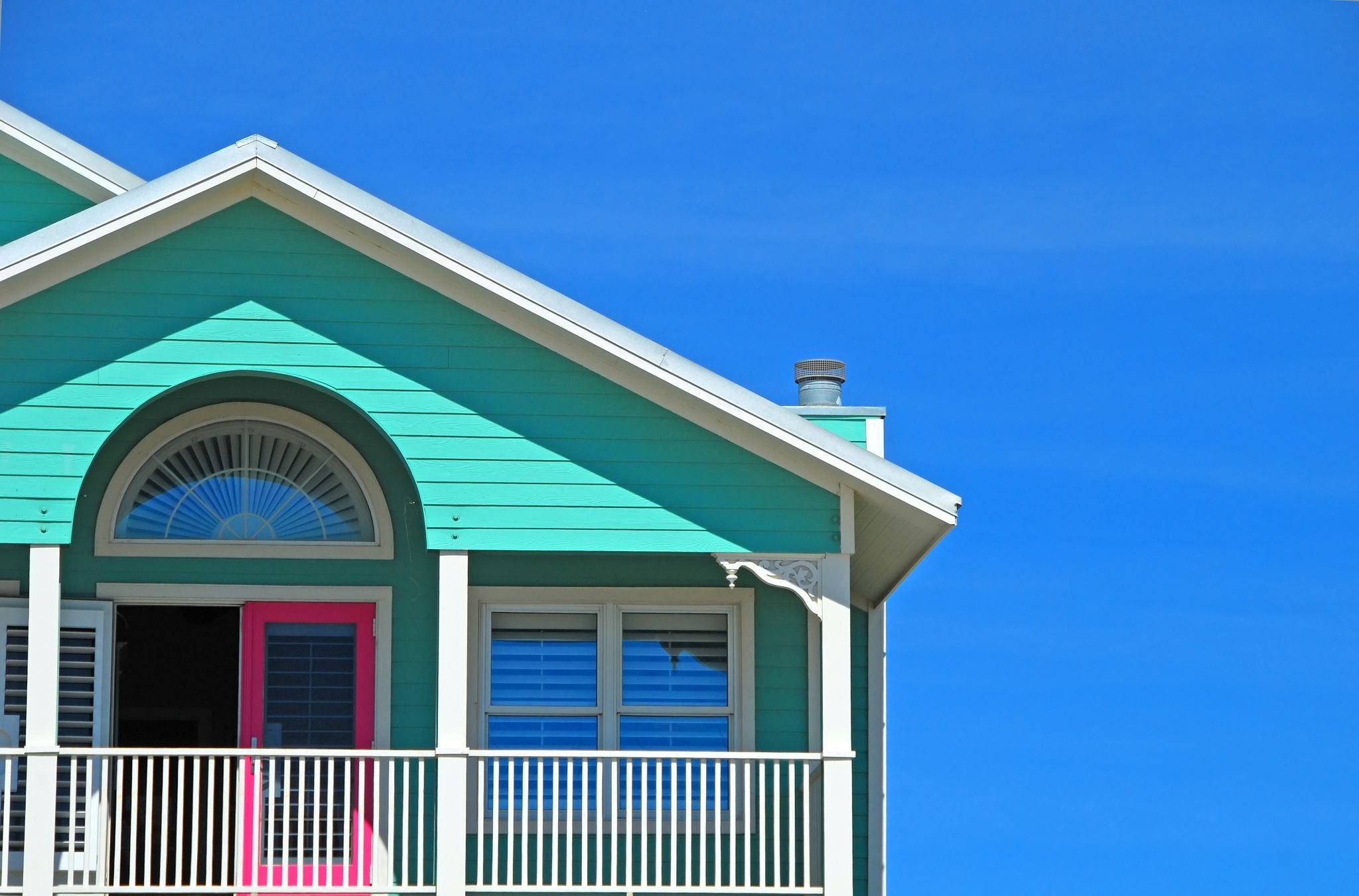
Another smart strategy is color selection: light-reflective shades work better in direct sun, reducing heat absorption, while matte finishes hold up better in shaded or moisture-prone areas. Geography also plays a role. Coastal homes face salty air and high humidity, while inland properties may need more UV protection for dry heat. A skilled painter understands these microclimate differences and adapts accordingly.
Planning for Perfection
A great paint job is more than just technique. It’s also about timing, materials, and environmental awareness. By understanding how climate affects paint performance, homeowners can make smarter decisions that extend the life of their investment.
Professionals like CertaPro Painters, a TrustDALE certified company, bring color expertise and climate strategy. Their teams know how to work with (not against) the weather, ensuring every finish cures properly, adheres fully, and stands strong through changing seasons.
Before you paint, plan for the weather. Connect with a TrustDALE certified painting expert like CertaPro, who knows how to make your home’s color last through every season.