

Your aging air conditioner quits during a heat wave, and the technician quotes a four-figure repair. Paying for the fastest fix can feel like the only option, especially when you need to air condition your home or business again quickly.
Still, AC repair or replacement is a big financial decision. An air conditioning system’s age, repair history, refrigerant, warranty coverage, energy efficiency, and installation quality all play a role in determining the better choice. The same cost comparison can apply to a heat pump, which both heats and cools.
Here are some tips for how to know when a repair is the best option, and when it's time to pull the trigger on a brand new unit.
Key Takeaways
- Repair usually makes sense for a newer, well-maintained air conditioner with one clearly diagnosed, reasonably priced failure.
- Replacement deserves serious consideration when the system is more than 10 years old, needs major or repeated repairs, uses outdated refrigerant, or has rising operating costs and poor comfort.
- Compare the complete cost of repair with the full replacement scope, including equipment, installation, permits, electrical work, refrigerant handling, disposal, startup testing, and warranties.
- Get a written diagnosis and at least two or three detailed replacement estimates that identify equipment capacity, SEER2 rating, installation requirements, warranty coverage, and exclusions.
- A qualified contractor should inspect the property, evaluate airflow and ductwork, perform an appropriate load calculation, and verify system performance before final payment.
AC Repair or Replacement: How Do You Decide?
Start with the system's age and service record. An air conditioner includes more than the outdoor cabinet, so evaluate the entire air conditioning system, including the indoor air handler. Energy Star advises homeowners to consider replacement when heating and cooling equipment is more than 10 years old or no longer keeps the property comfortable. Its heating and cooling guidance also supports repair for newer systems with a good service history.
A good service record should include regular inspections, basic airflow maintenance, and timely air filter changes. It should also document prior refrigerant work. The same approach applies to a heat pump, which may have different operating modes and service needs.
A repair often makes sense when one known part fails in an otherwise dependable unit. Replacement deserves closer attention when the equipment is older, performs poorly, and keeps returning to the service list.
Some contractors use the "$5,000 rule" as a quick screen. Multiply the unit's age by the repair price. A high result can point toward replacement, but it is not a guarantee. It does not account for your climate, electricity costs, energy efficiency, maintenance history, or how long you expect to stay in the property.
This framework mainly addresses central air conditioning. Age and repair economics differ for window air conditioners and portable air conditioners, so apply the "$5,000 rule" cautiously to room units. Passive cooling, such as shading sunny windows, can reduce heat gain while you decide, but it doesn't replace a diagnosis.
The same decision process can also apply to a ductless mini split, a heat pump, or equipment with inverter technology.
When air conditioner repair is usually the better choice
Repair is often reasonable when a younger air conditioner is under about 10 years old, has consistent maintenance, and has one isolated problem. A failed capacitor, contactor, fan motor, or electrical component does not automatically mean the entire system has reached the end.
Comfort problems should be diagnosed before replacement. Ask whether the thermostat, airflow, humidity control, or system performance is affecting thermal comfort.
Ask the technician for a written diagnosis that identifies the exact failed component. The invoice should separate parts, labor, refrigerant, diagnostic charges, and taxes. Also ask how long the repair warranty lasts.
An evaporator coil failure may justify a replacement estimate, but the diagnosis should explain its condition and expected service life. A minor electrical repair is also very different from a compressor failure.
Replacing one worn part can be practical when the compressor, condenser coil, blower, controls, and refrigerant circuit remain in good condition.
When replacing the AC system can save money over time
Replacement becomes more compelling when your unit is more than 10 years old and needs a compressor, evaporator coil, or repeated refrigerant work. A heat pump may also deserve replacement when repairs become frequent or its performance no longer matches the home's needs.
The same applies when the system runs for long periods, cools unevenly, or sends utility costs upward without improving comfort. A properly selected replacement can reduce energy use and related greenhouse gas emissions.
A second meaningful repair within about 24 months should prompt a closer review. It is not an automatic reason to replace, but it may show that the system is entering a costly cycle.
Compare the current repair, likely future repairs, remaining service life, and operating cost. A reliable five-year-old system needing a $400 repair is a different case than a 12-year-old system needing $2,000 in major work. Ask whether the proposed replacement has enough cooling capacity for the property and whether the indoor equipment works with the outdoor unit.
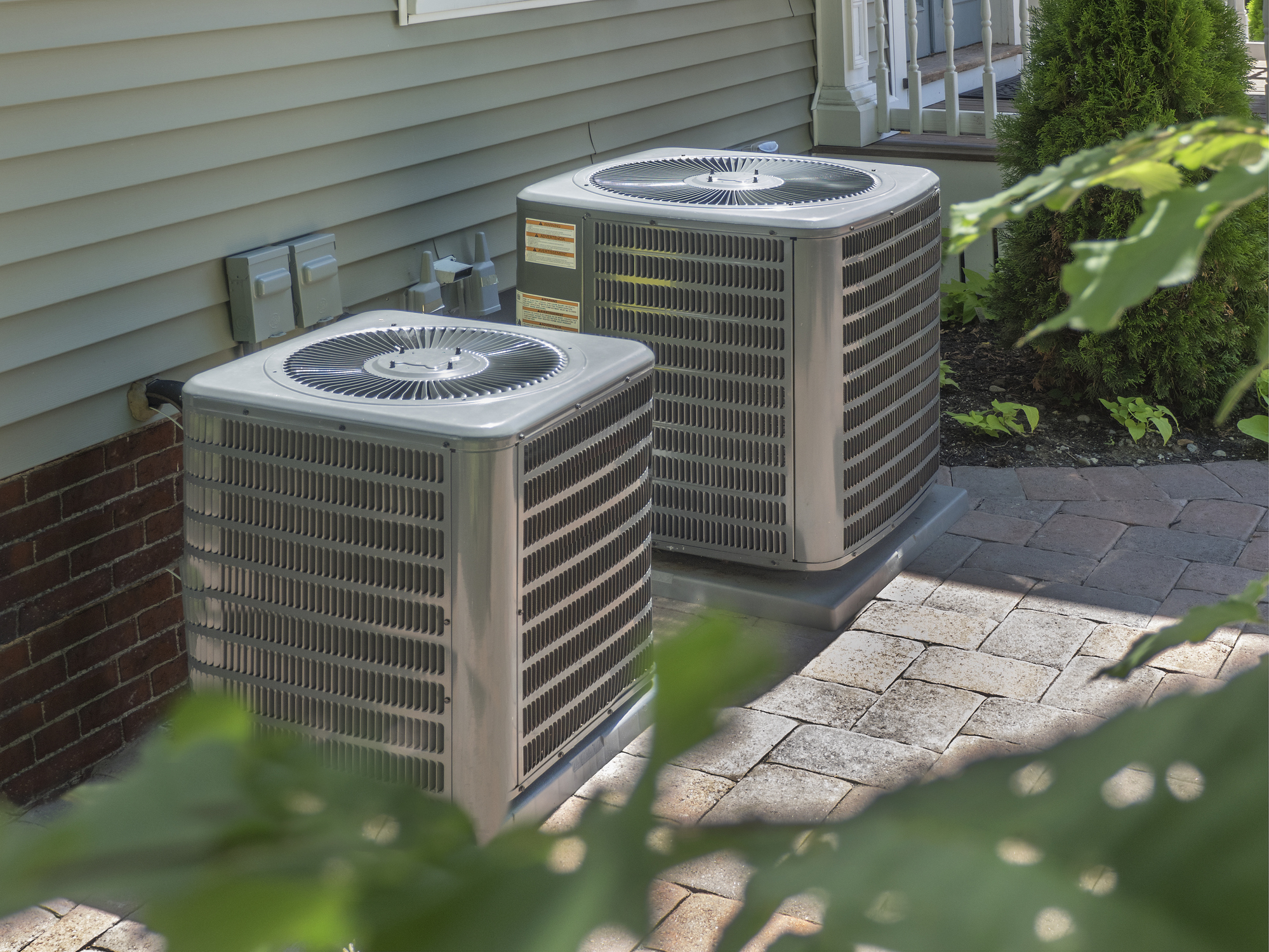
Compare the Real Cost of AC Repair With Replacement
The invoice due today matters, but it is only one part of the decision. A replacement proposal for an air conditioning system should include equipment, installation labor, permits, electrical work, thermostat compatibility, disposal, startup testing, and refrigerant handling.
There is no universal payback period for new equipment. Cooling costs depend on local weather, cooling capacity measured in British thermal units, insulation, duct leakage, thermostat settings, business hours, and electricity rates. Passive cooling measures, such as shading sunny windows, may reduce heat gain before you compare operating costs.
For example, spending $400 to restore a five-year-old air conditioner may be sensible if it has cooled well. An isolated evaporator coil or condenser coil failure may cost less than replacement, especially if the compressor has years of expected life. Spending $2,000 on a 12-year-old air conditioner with an aging evaporator coil, condenser coil, and compressor deserves a replacement estimate before you authorize the repair.
Most conventional systems use vapor-compression refrigeration to move heat outdoors. Willis Carrier helped advance modern air conditioning, but today's practical concern is accurate diagnosis, safe refrigerant handling, and total cost. A heat pump uses related vapor-compression refrigeration to move heat in either direction, so its repair and replacement comparisons can include both heating and cooling.
Check refrigerant, efficiency, and comfort before you choose
Ask which refrigerant your current system uses and whether a leak is part of the problem. A sealed system should not need routine additions. Repeated charging without finding and repairing the leak can turn a small problem into a recurring expense. Price leak detection and leak repair separately, and ask whether the technician is also testing components such as the expansion valve.
Older equipment may make a repair less attractive when parts are difficult to source or other components are near the end of their service life. The technician should explain whether the fault is isolated, what related parts could fail next, and what the complete repair will cost.
For every replacement proposal, get the manufacturer, model number, cooling capacity, equipment type, and SEER2 rating in writing. An Energy Star label reflects measured energy efficiency, but it doesn't guarantee lower bills in every home or business. Compare certified equipment through the ENERGY STAR Product Finder.
A ductless mini split, window air conditioners, and portable air conditioners each have different installation and replacement economics. For central air conditioning, ask whether inverter technology, a heat pump, or another design changes expected energy use and maintenance costs. A heat pump may also reduce greenhouse gas emissions, but compare heating costs and service needs as well as cooling performance.
Long run times, humidity problems, short cycling, hot rooms, and unusually high bills can point to failing equipment. They can also point to duct problems, airflow restrictions, poor sizing, an air handler problem, or inadequate humidity control. After passive cooling measures reduce heat gain, check whether comfort problems persist. Don't approve a replacement until the contractor investigates the cause.
Review warranties before paying for either option
"Warranty included" does not tell you enough. Manufacturer parts coverage and contractor labor coverage are separate protections.
For a repair, confirm the warranty period for both the replacement part and labor. For new equipment, ask about compressor coverage, parts coverage, labor coverage, registration deadlines, exclusions, transfer rules, and who handles a warranty claim. If a heat pump includes a reversing valve, ask how that component is covered and why its repair estimate differs from a conventional system.
Keep the signed proposal, equipment model numbers, paid invoice, startup paperwork, warranty registration confirmation, and service records showing refrigerant work. Those documents can matter years later.
Know What a Trustworthy HVAC Replacement Estimate Includes
A professional replacement estimate gives you enough detail to compare proposals line by line. It should cover the complete air conditioning system, not just the price of an air conditioner. A vague one-page price leaves too much room for surprise charges.
The written scope should identify the brand, model number, cooling capacity, expressed in British thermal units when applicable, SEER2 rating, equipment price, labor, and thermostat. For central air conditioning, it should identify the indoor air handler and evaporator coil, outdoor condenser coil and compressor, plus the equipment pad, disconnect, breaker work, condensate drain, float switch, line-set work, ventilation ducts, refrigerant recovery, old-unit removal, disposal, permits, startup testing, and customer walk-through. Confirm that the listed cooling capacity fits the property, rather than choosing equipment by size alone.
Required work and optional upgrades should appear as separate charges. Passive cooling improvements, such as added shading, should also remain separate from required mechanical work. The estimate should state who pulls the permit and verify any Energy Star certification or efficiency claims. Be wary of a salesperson who recommends a system size without inspecting the property, measuring key conditions, considering shading and heat gain, or discussing ductwork and thermal comfort.
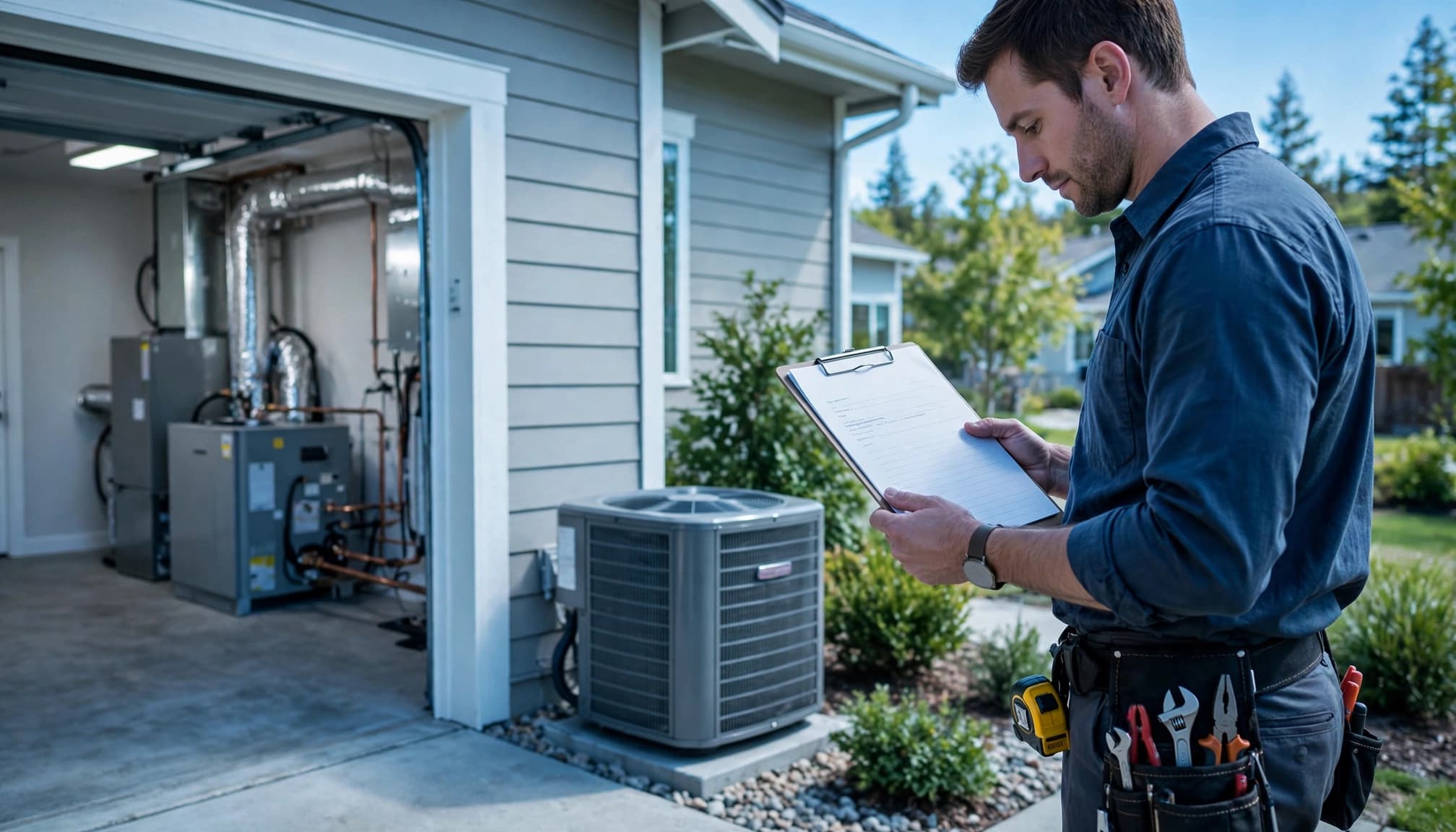
Ask these questions before signing an AC repair or replacement contract
Get direct answers before you agree to any work:
- What exactly failed, and can you show me the evidence?
- What caused the failure, and how long should this repair last?
- What is the complete price, including refrigerant, parts, labor, and diagnostic fees?
- Does the repair have a parts warranty and a labor warranty?
- Is replacement based on an on-site inspection, a load calculation, and the home’s required cooling capacity?
- Is the proposal for an air conditioner or a heat pump, and does it include heating capability?
- Which equipment model and SEER2 rating are included? Does it use inverter technology, and how will that affect controls, service, and warranty coverage?
- If it’s a heat pump, what equipment and controls support heating operation?
- What work is excluded, and what could trigger an added charge?
- Who will obtain required permits and perform the installation?
- Who will test drainage, airflow, electrical connections, and refrigerant performance at startup?
- For a heat pump, will the startup process verify heating and cooling operation?
Get at least two or three detailed replacement estimates. Compare heat pump proposals separately from cooling-only equipment, since their installation requirements and heating performance differ. The lowest bid may exclude electrical corrections, duct work, a float switch, permits, or labor coverage that another quote includes.
A lower equipment price can become the higher project cost when the estimate leaves out required installation work.
Choose an HVAC Contractor Who Protects Your Decision
Verify that the contractor holds the license or registration required in your location and carries current insurance. Requirements differ by state and municipality, so confirm them with the appropriate local authority.
A qualified provider should inspect the equipment on-site and perform a load calculation before recommending cooling capacity. Ask whether the team has the training and tools to diagnose a failed compressor, handle refrigerant properly, and document Energy Star claims. The inspection can also consider passive cooling features, such as shading or building orientation, but these supplement a mechanical assessment.
Ask for recent references involving air conditioner repairs or installations. Prioritize providers experienced with both cooling-only systems and heat pump systems, especially if your property has rooftop equipment, zoning, unusual ductwork, or commercial operating hours. Confirm they can also service a heat pump if your needs change.
You can find Vetted HVAC Service Providers backed by our $10,000 Make It Right Guarantee on TrustDale.com. Certified TrustDale partners have passed a rigorous seven-point inspection process and are backed by the guarantee for qualifying services.
Protect Your Investment After the Decision
If you repair the air conditioner, ask the technician which maintenance can reduce another failure risk. Replace or clean the air filter according to the manufacturer’s guidance, equipment requirements, and occupancy.
Keep the outdoor condenser clear of leaves, grass clippings, and stored items. Clean the evaporator coil and condenser coil as recommended, and report unusual compressor sounds promptly. For a heat pump, follow its specific maintenance and control guidance. Window air conditioners and portable air conditioners also need clearances and regular filter care. Use blinds, shade, and other passive cooling strategies to reduce heat gain.
If you replace the system, request final documentation before the crew leaves. Record the complete air conditioning system, including model and serial numbers, cooling capacity, air handler details, and Energy Star certification. You should also receive warranty registration instructions, permit information, thermostat guidance, and a copy of the startup checklist.
Confirm that the installation performs as promised
A new air conditioner can underperform if the installer overlooks airflow, drainage, electrical connections, refrigerant charge, or leakage in the ventilation ducts. Before final payment, confirm that the system reaches the thermostat setting, drains correctly, and does not short cycle.
Ask the installer to explain air filter size, maintenance intervals, thermostat compatibility or calibration, and heat pump control settings. Confirm that the refrigerant charge is correct and the system operates without leaks. Efficient operation supports expected energy efficiency and can reduce greenhouse gas emissions, while responsible disposal helps limit the impact of old equipment. A careful walk-through gives you a record of what was installed and what normal operation should look like.
Frequently Asked Questions
Is it better to repair or replace an air conditioner?
Repair is often the better choice when a newer, dependable system has one isolated failure and a reasonable repair cost. Replacement becomes more attractive when the system is older, repairs are recurring, comfort is poor, or a major component such as the compressor has failed.
How does the $5,000 rule help with an AC decision?
The rule multiplies the system’s age by the repair price to provide a quick replacement screen. It is not a guarantee because it does not account for climate, energy costs, maintenance history, system efficiency, or how long you plan to stay in the property.
What should an AC replacement estimate include?
A detailed estimate should list the equipment model, cooling capacity, SEER2 rating, indoor and outdoor components, labor, permits, electrical work, refrigerant handling, disposal, startup testing, and thermostat compatibility. It should also separate required work from optional upgrades and explain parts and labor warranties.
Should I get more than one HVAC estimate?
Yes, obtain at least two or three detailed estimates for comparison. The lowest bid may exclude important work such as duct repairs, electrical corrections, permits, drainage components, or labor coverage.
Make the Choice With the Full Picture
Repair a newer, dependable air conditioner when the problem is limited, clearly diagnosed, and reasonably priced. Give replacement serious consideration when age, repeated failures, high operating costs, refrigerant concerns, or a major failure change the math.
Do not authorize work until you understand the diagnosis, complete price, warranty coverage, equipment details, and installation scope. The same comparison applies to a heat pump, including its cooling and heating responsibilities. Passive cooling can reduce demand at low cost, but it doesn't replace professional diagnosis. A detailed comparison protects you better than the first estimate or the cheapest offer. Consider passive cooling alongside vapor-compression refrigeration when evaluating heat pump equipment and the full air conditioning system.