

As the air turns colder the fireplace becomes a gathering point in many homes. But what many families don’t realize is that a neglected chimney can quietly turn a peaceful evening by the fire into a serious safety hazard.
Recent data show that home fires involving heating equipment remain significant in the United States. From 2016 to 2020, fire departments responded to almost 45,000 home structure fires caused by heating equipment.
In this article, you’ll learn the key risks of a dirty chimney including fire and carbon monoxide dangers, plus what you should do now to keep your household safe this winter.
Fire Risk: When Creosote Builds Up and Waiting Time Runs Out
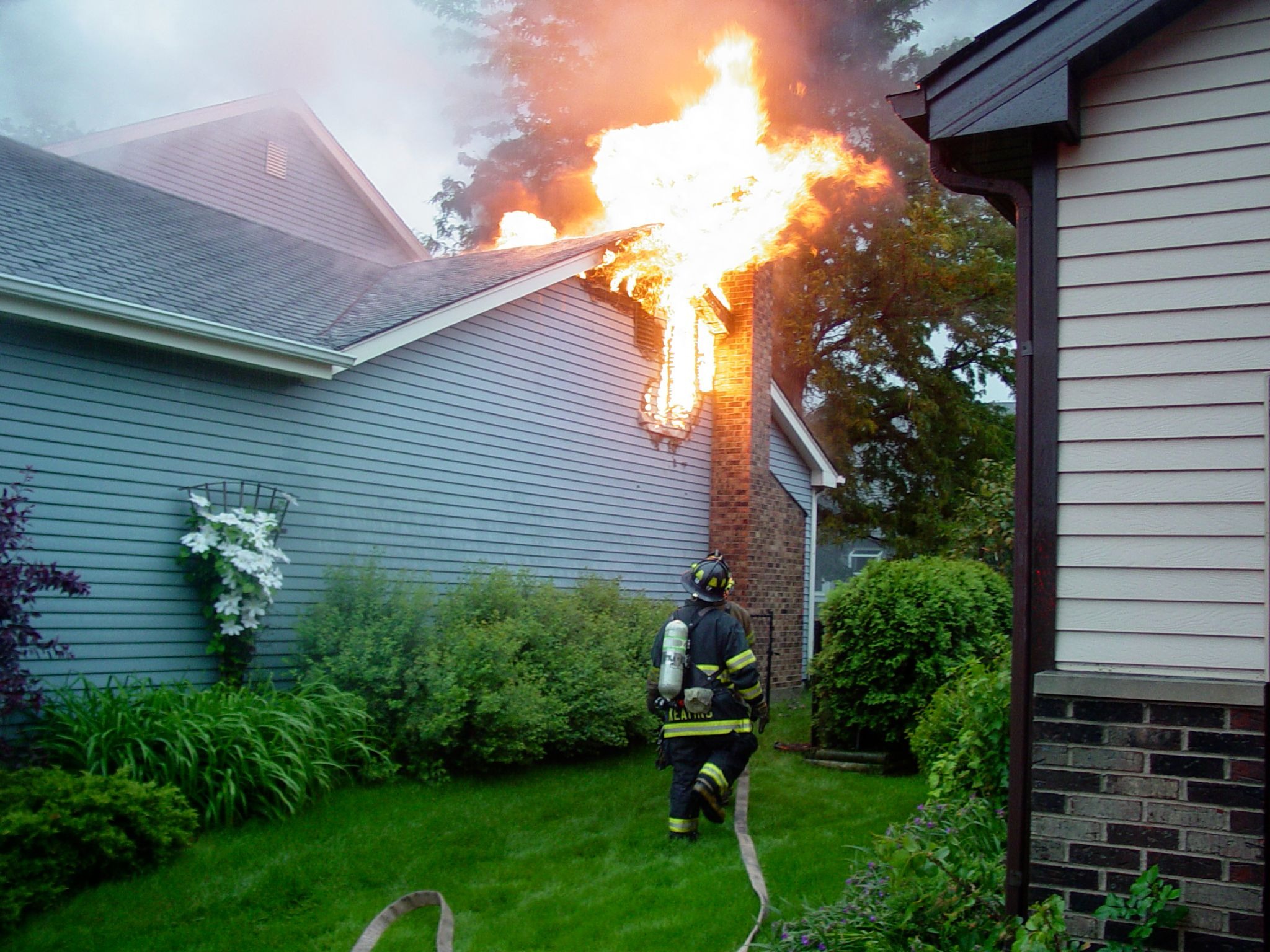
One of the most urgent threats hidden in a neglected chimney is creosote buildup. Creosote is a sticky flammable residue left behind when burning wood or other fuels. That buildup is the leading cause of chimney fires. Some reports estimate over 20,000 chimney fires annually in the U.S. alone.
These fires can start silently inside the flue and then spread heat, embers or flames into the structure of your chimney and beyond. Since the cold season drastically increases the use of home fireplaces, it also raises the risk of such fires in winter. If you burn wood regularly or don’t have your chimney cleaned each year you may be placing your home at elevated risk.
Hidden Exposure: Carbon Monoxide and the Unseen Hazard
Fire isn’t the only danger from a dirty chimney. Blocked flues, cracked liners, or improper venting can trap carbon monoxide (CO) inside your home. Since CO is colorless and odorless, it makes this risk especially stealthy.
If the chimney cannot vent properly because of debris, like dead leaves, fallen chimney caps, or damaged dampers, then exhaust gases can back up and enter living spaces. Symptoms of carbon monoxide exposure include headaches, dizziness, hallucinations, and nausea… and in the worst cases, it can be fatal.
Smart Steps to Prevent Danger Before You Light the Fire
Start your winter safe season by acting now. Here are key action points:
- Schedule a certified chimney inspection and cleaning once every year at minimum. Frequent fireplace users may need twice yearly service.
- Burn only properly seasoned hardwoods that burn hotter and cleaner. Unseasoned wood accelerates creosote formation.
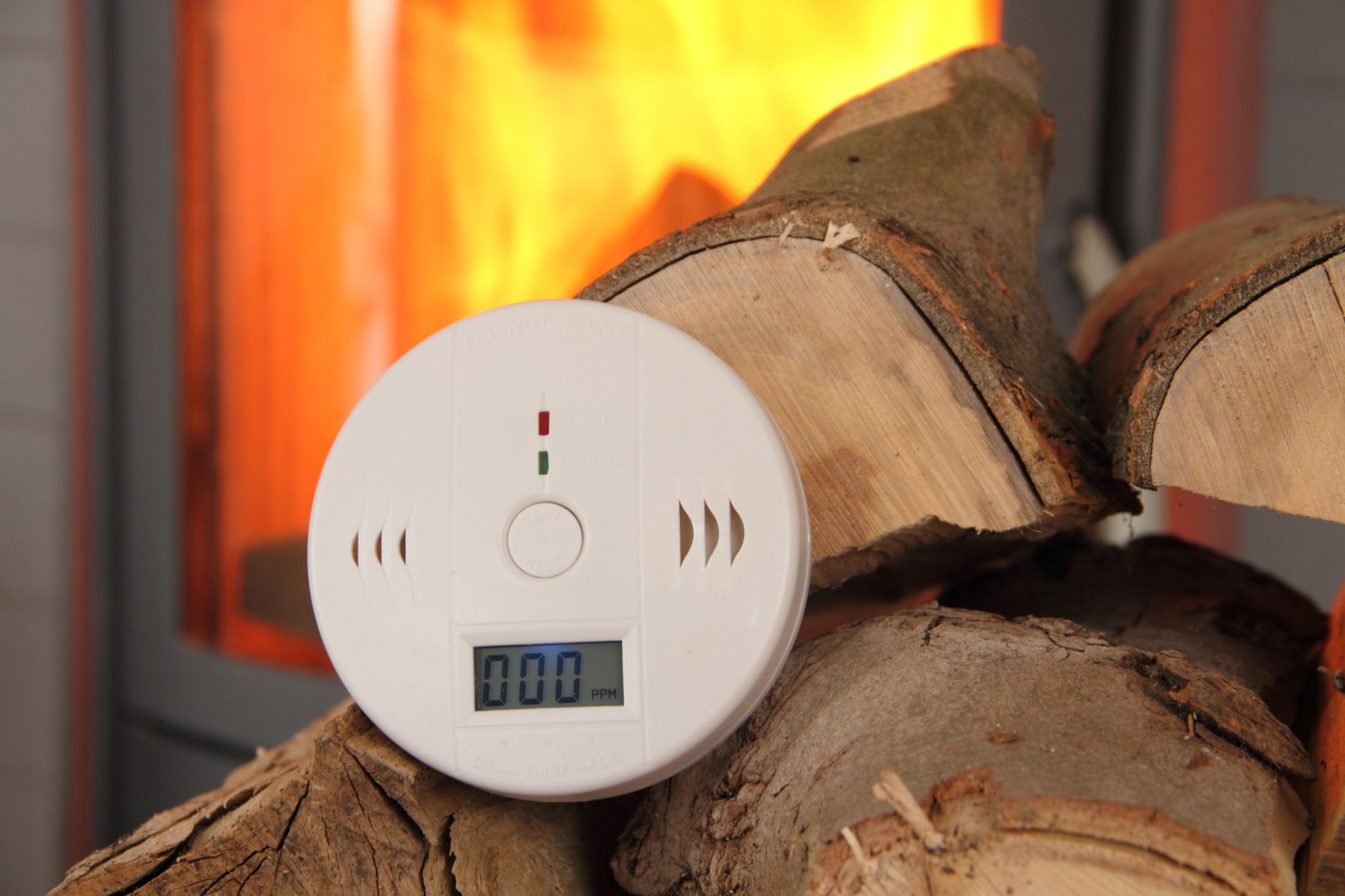
- Install and test a carbon monoxide detector near fireplaces and in sleeping areas.
- Keep your chimney cap and damper in good working order. Make sure the flue is free of nests leaves and debris that block exhaust.
- If you notice smoke backing into the room unusual soot build up around the firebox or strange odors call a professional immediately.
Your Family Deserves a Cozy Season Without Hidden Risks
Preparing your fireplace and chimney now means you can enjoy warmth and comfort while reducing serious risks. A clean chimney does more than let fire burn. It protects your home from flames creeping from the flue, and from harmful gases building inside.
If you hadn’t yet booked your inspection, we’re already in November! For the sake of your health and your home, this should be your very next step. Having peace of mind when you light that first fire of the season is worth every minute of planning.