

When “Just a Little Noise” Becomes a Big Problem
That strange clunk from your washing machine or faint burning smell from your dryer might seem like no big deal, but ignoring these warning signs could put your home and safety at risk. Broken appliances often start with small, barely noticeable symptoms that spiral into major issues. From water damage to fire hazards, what starts as an inconvenience can quickly become an emergency.
This guide breaks down the hidden dangers of neglected appliances, why waiting to repair them costs more in the long run, and how to spot the signs before disaster strikes.
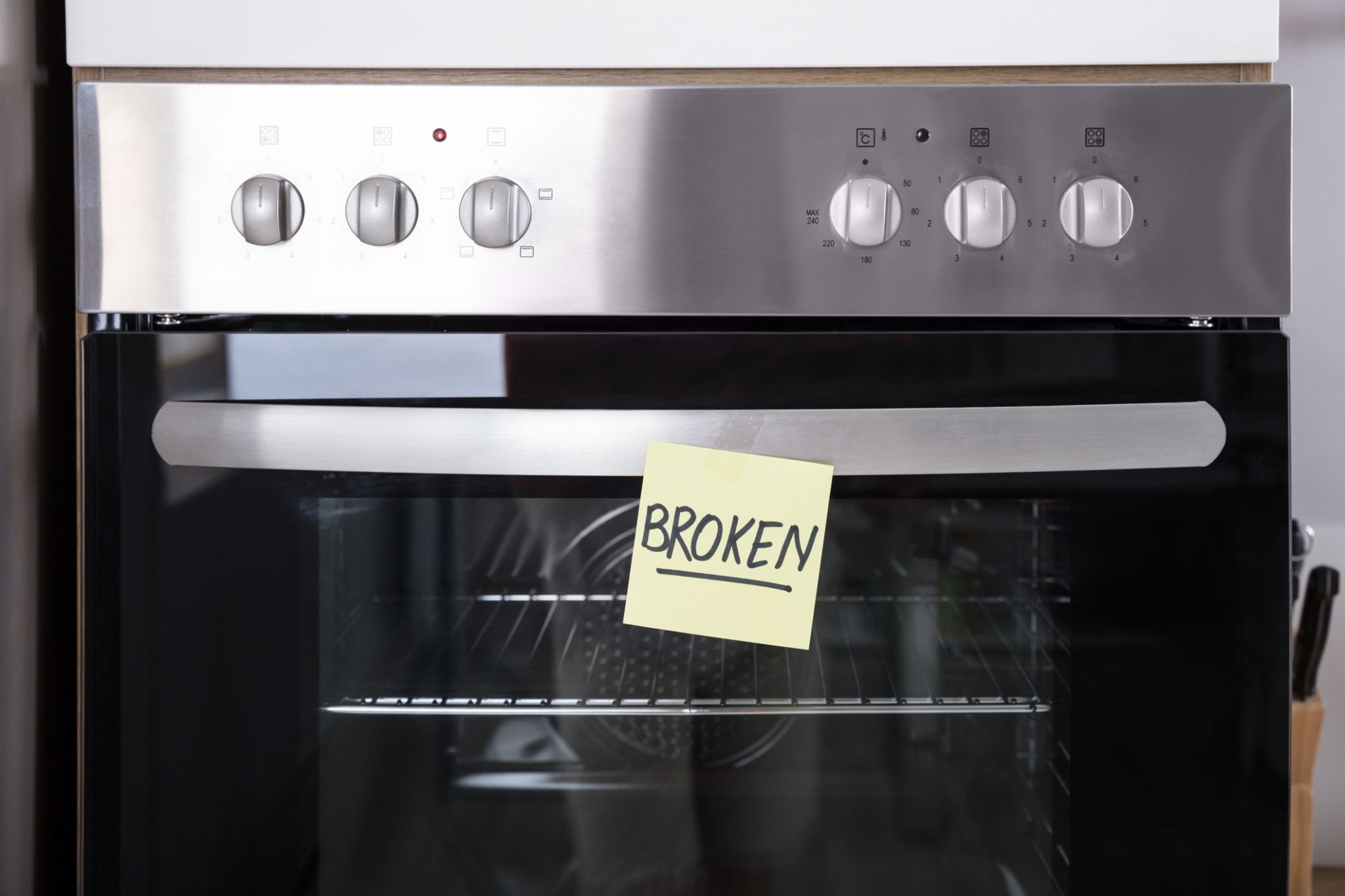
The Real Dangers Lurking Behind Everyday Appliances
Your home’s most dependable machines can quietly become ticking time bombs when things go wrong.
- Water leaks and flooding: A leaky hose on a washing machine or fridge might not look like much, but over time, it can cause thousands of dollars in water damage. Even small leaks lead to mold growth behind walls or under flooring, creating long-term health and structural problems.
- Electrical hazards: Frayed cords, loose connections, or failing motors can overheat or spark fires, especially in dryers and microwaves. The U.S. Fire Administration reports that clothes dryers are one of the top causes of home fires each year.
- Gas leaks and carbon monoxide risks: For gas-powered stoves and dryers, cracked lines or loose fittings can cause dangerous leaks. Even a small amount of gas can lead to nausea, headaches, or in the worst case, explosions.
- Food safety concerns: A refrigerator that can’t maintain 40°F or colder becomes a breeding ground for bacteria. One day of spoiled food can mean days of stomach illness or hundreds of dollars in wasted groceries.
These are not hypothetical scenarios. They happen every day in homes where minor malfunctions go unaddressed for too long.

Why Procrastinating on Repairs Costs More Than You Think
Putting off a repair rarely saves money. In fact, it almost always does the opposite.
When an appliance part wears out, it strains the rest of the system. Like how having a broken foot makes it difficult to walk. That strain causes other components to fail faster, forcing the unit to work harder and use more energy. Inefficiency doesn’t just drive up your power or water bill, it shortens the appliance’s lifespan.
Think of it this way: a simple $150 repair today could prevent a $1,500 replacement next year. Likewise, a neglected fridge coil or clogged dryer vent may double your energy consumption before you even notice. Over time, the “just wait and see” approach ends up costing more in utilities, wasted food, and emergency service calls.
Red Flags You Should Never Ignore
Appliances often give subtle clues that something’s wrong long before they quit entirely. Pay attention to:
- Strange or loud noises that weren’t there before
- Burning, musty, or chemical smells
- Uneven cooling or heating
- Frequent tripped breakers or blown fuses
- Moisture, rust, or scorch marks around outlets or vents
One of the biggest mistakes homeowners make is the “one more cycle” mindset: running the washer one more time, cooking one more meal, or drying one last load despite obvious warning signs. That extra use can push a struggling appliance over the edge, leading to a total breakdown or even a safety hazard.

How to Stay Safe and Save Money
You don’t need to be an expert to prevent appliance disasters, just a proactive homeowner.
- Perform seasonal checks on seals, vents, and filters.
- If you ever see smoke, sparks, or smell something burning, unplug the unit immediately and call for help.
- Schedule professional maintenance at least once a year, especially for major appliances like dryers, refrigerators, and HVAC systems.
- Keep a simple record of each appliance’s purchase date, repairs, and warranty coverage so you can plan ahead for replacements rather than react to breakdowns.
These small habits can extend your appliances’ lifespan, reduce utility bills, and most importantly, protect your home and family.
Don’t Wait for an Emergency - Act Early
Broken appliances aren’t just inconvenient, they can quietly endanger your home, health, and budget. Acting at the first sign of trouble can mean the difference between a quick fix and a costly disaster.
Before that leak, smell, or flicker turns into something worse, contact a TrustDALE certified appliance repair partner. Every certified provider has been thoroughly vetted for reliability, transparency, and quality service, so you can trust that your home is in safe hands.
Because when it comes to appliance safety, “better safe than sorry” isn’t just a saying. It’s smart homeownership.