

That “Innocent” Old Paint Might Be Hiding Something Dangerous
That faded, cracking paint on your walls might seem like nothing more than a cosmetic issue. But beneath its surface, there could be real threats to your family’s health. Many older homes still contain lead-based paint, hidden mold, or toxic fumes trapped in old finishes. All of these can cause serious health problems if disturbed.
Understanding what’s in your walls before sanding, scraping, or repainting can help you avoid exposure to dangerous substances that were once considered harmless. Here’s what every homeowner should know before tackling that next paint project.
The Ghost of Paint Jobs Past: Why Lead Paint Is Still a Threat
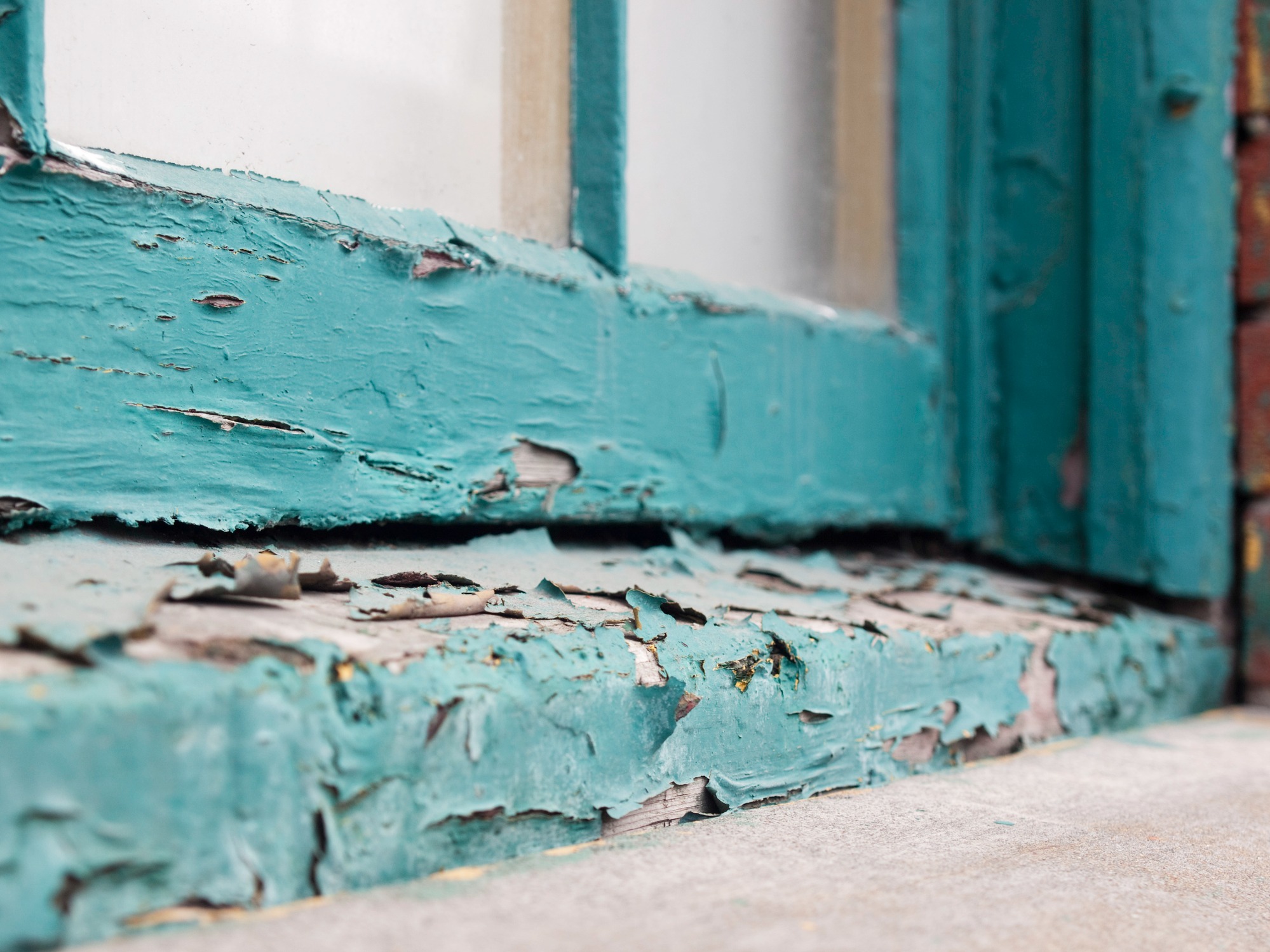
If your home was built before 1980, there’s a good chance lead paint is lurking somewhere under the surface. Although lead-based paint was officially banned in 1978, it remains in millions of American homes, especially on trim, windowsills, doors, and older plaster walls.
When lead paint chips, peels, or is sanded, it releases microscopic dust that’s toxic when inhaled or ingested. Even small amounts can cause developmental delays, behavioral issues, and neurological problems in children. Pregnant women are especially at risk, as exposure can harm unborn babies.
What to look for: cracking or flaking paint, particularly around windows and high-friction surfaces. Never dry-sand or scrape suspicious paint yourself. Home test kits and certified lead inspectors can determine if your walls are safe to disturb. If lead is detected, professionals trained in EPA’s Lead-Safe Work Practices should handle the removal.
Mold and Mildew: Hidden Health Hazards Behind the Paint
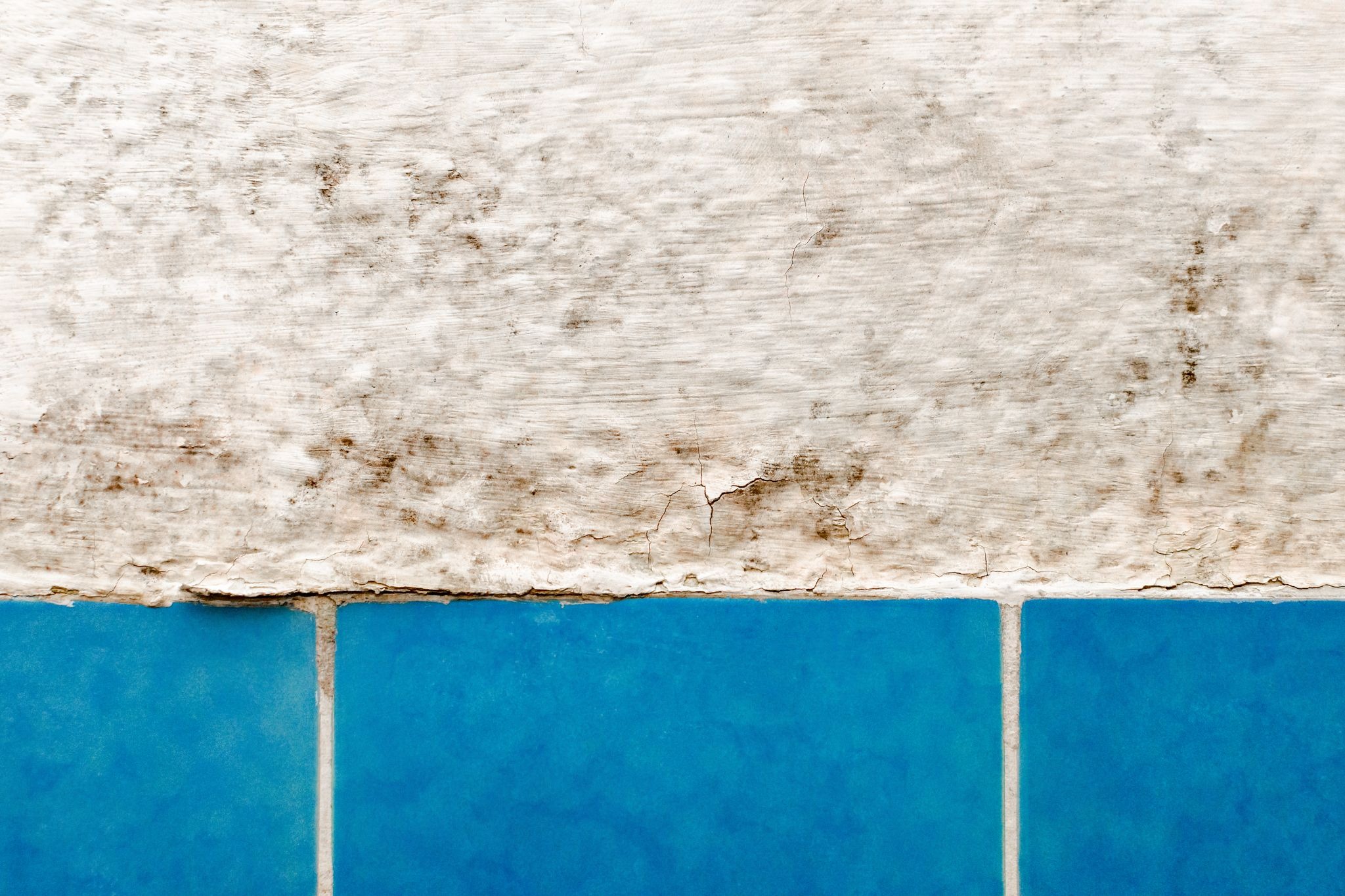
Old or improperly sealed paint can trap moisture, creating the perfect breeding ground for mold and mildew. This often happens when bathrooms, basements, or kitchens aren’t ventilated properly, or when a water leak goes unnoticed behind painted drywall.
Signs of trouble include bubbling or blistering paint, discolored patches, and that unmistakable musty odor. Mold doesn’t just damage walls, it can also trigger respiratory issues, allergic reactions, and long-term health problems. If you or someone you love has asthma or weakened immune system, you know the kinds of problems mold and mildew can cause.
To fix it safely, the source of moisture must be eliminated before repainting. Mold remediation professionals can clean and seal affected areas, while dehumidifiers and exhaust fans help prevent future growth. Once the area is dry, choose mold-resistant primer and paint for an extra layer of protection.
Toxic Fumes: The Invisible Side Effect of Fresh Paint
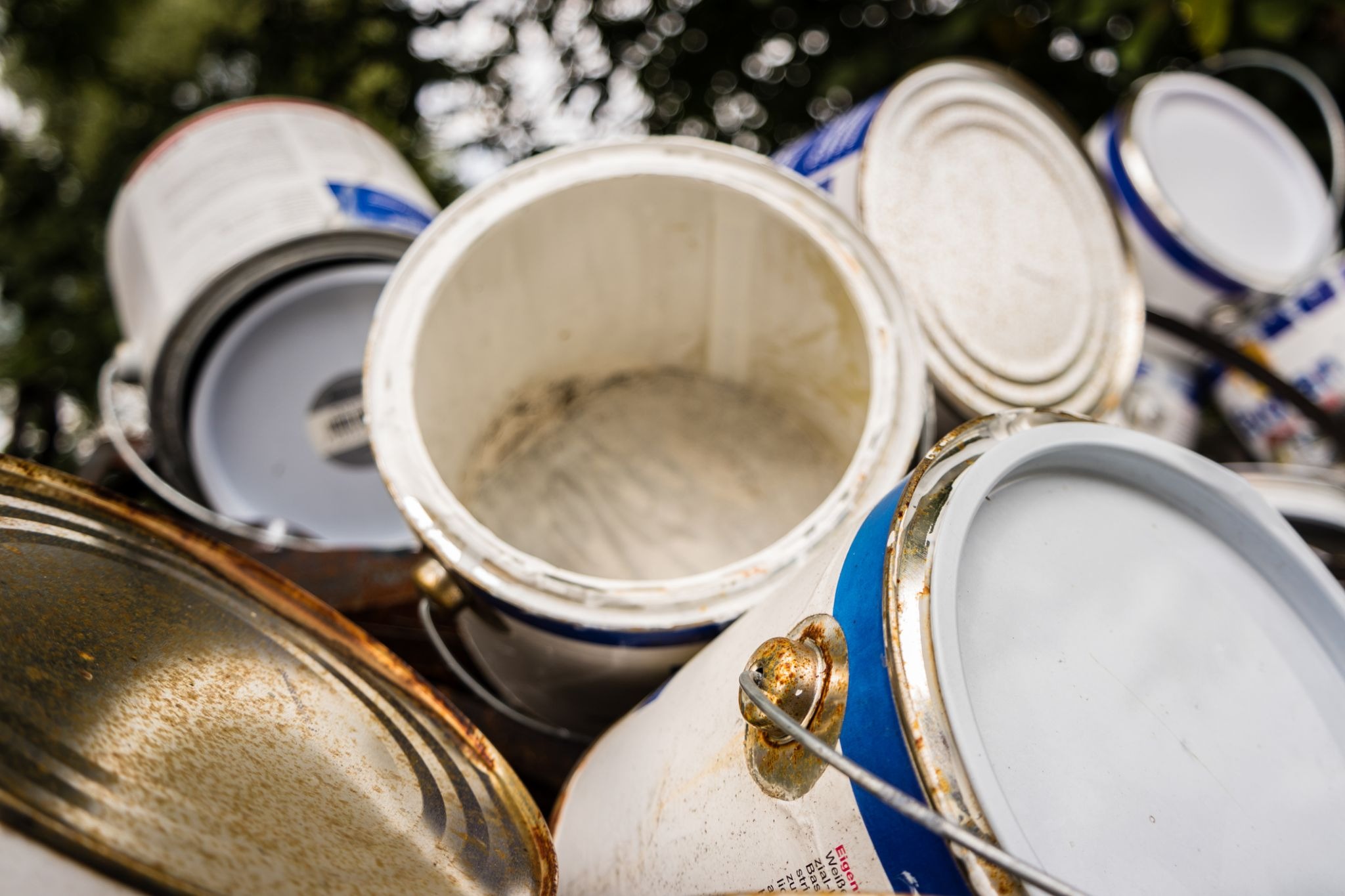
Not all paint problems come from the past. Some modern products, especially older oil-based formulas, release volatile organic compounds (VOCs) as they dry. These gases can linger in the air for days or weeks, causing headaches, dizziness, nausea, and long-term health risks linked to liver or kidney damage with prolonged exposure.
Fortunately, safer alternatives now dominate the market. Low-VOC and zero-VOC paints perform just as well as traditional options without compromising indoor air quality. Always ventilate well when painting: open windows, use fans, and wear a respirator mask if necessary. For enclosed spaces, consider using air purifiers rated for VOC reduction.
How to Safely Handle or Replace Old Paint
Before beginning any renovation, take these steps to protect yourself and your home:
- Test before you touch. Always check for lead in homes built before 1980 using a certified test kit or inspection service.
- Contain and protect. Use heavy-duty plastic sheeting to catch dust and paint chips, and wear protective clothing and masks.
- Call in professionals. Certified lead abatement and mold remediation experts have the training and equipment to remove hazardous materials safely.
- Choose smarter products. For future projects, opt for low- or zero-VOC paints and primers to maintain healthy indoor air.

Know What’s Under Those Layers Before You Paint
Old paint isn’t just outdated, it can be genuinely hazardous if handled carelessly. Whether it’s the lingering threat of lead, hidden mold behind the walls, or fumes from older coatings, knowing what you’re dealing with can make the difference between a safe home and a health hazard.
If your house was built before 1980, get your paint tested before starting any renovation. A fresh coat of paint should make your home healthier, not riskier. With a little awareness and preparation, you can make sure it does exactly that.