

-default.jpg)
More Than Just Looks: Why Flooring Impacts Health
When most people think about flooring, they think about colors, patterns, and resale value. But the truth is, what’s under your feet plays a big role in your family’s health. Old carpets, worn laminates, and outdated vinyl can harbor allergens, trap moisture, and even release harmful chemicals into the air you breathe every day.
By replacing old flooring, homeowners aren’t just upgrading their home’s appearance—they’re taking a major step toward creating a safer, healthier living environment.
What Lurks Beneath Old Floors
The flooring in your home quietly collects years of use, and with it, hidden health hazards.
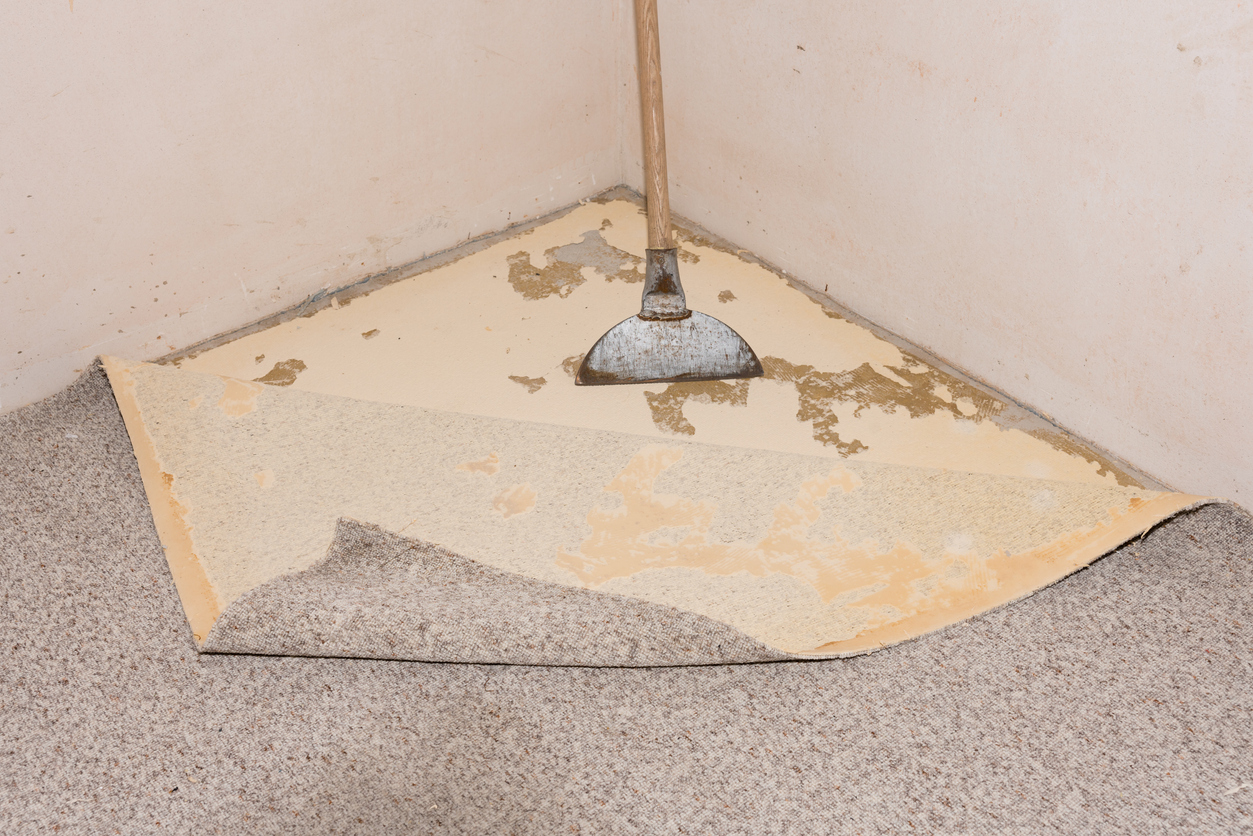
- Carpets act as allergen magnets. Dust mites, pollen, and pet dander accumulate in carpet fibers, no matter how often you vacuum. These particles can trigger sneezing, coughing, and worsening asthma.
- Moisture turns floors into breeding grounds. Spills, leaks, or even high humidity seep into carpets or subflooring, encouraging mold and mildew growth. Mold exposure has been linked to respiratory irritation, fatigue, and other health concerns.
- Some older flooring emits chemicals. Vinyl and laminate products manufactured decades ago may release volatile organic compounds (VOCs) over time. Prolonged exposure to VOCs can cause headaches, dizziness, and long-term respiratory issues.
It’s easy to forget that flooring ages just like any other surface in your home. Over time, its ability to remain clean and safe diminishes.
Why New Flooring Is Healthier for Your Home
Modern flooring isn’t just designed to look better—it’s engineered to support healthier living.
- Hard surfaces don’t trap allergens. Options like hardwood, tile, and luxury vinyl plank (LVP) are much less likely to harbor dust and dander compared to carpet. A quick sweep or mop keeps them clean.
- Low-VOC and eco-friendly materials are available. Many manufacturers now offer flooring that minimizes chemical off-gassing, making indoor air safer to breathe.
- Maintenance is easier and more effective. Smooth surfaces are more resistant to bacteria buildup, making it simpler to maintain a hygienic home—especially in kitchens and bathrooms where germs thrive.
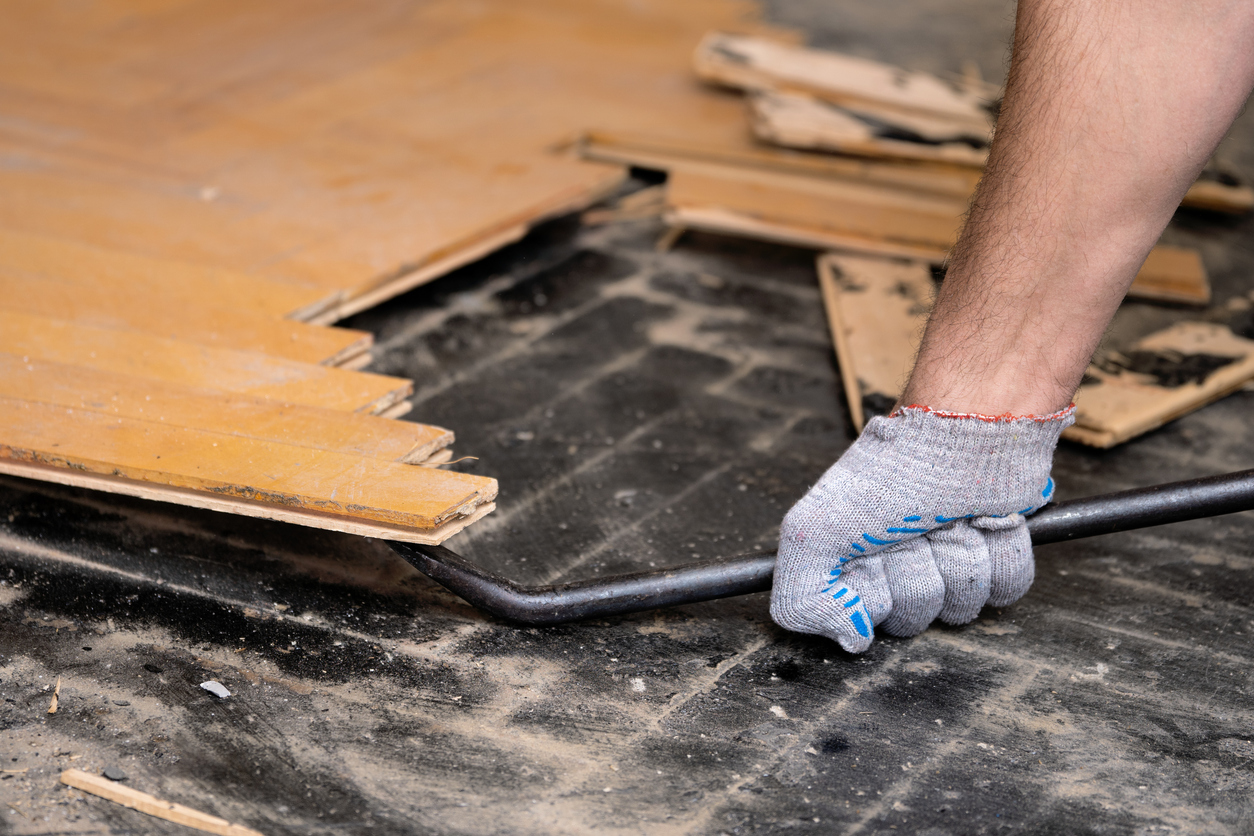
Replacing old flooring doesn’t just make rooms look brighter; it directly reduces the sources of common indoor health irritants.
Signs It’s Time to Replace Your Floors
While flooring won’t last forever, knowing when it’s time to replace it can help you avoid hidden health risks.
- Carpets older than 8–10 years are often beyond a deep clean, especially in homes with kids or pets.
- Allergy or asthma symptoms that seem worse at home could be linked to lingering dust, mold, or VOCs from flooring.
- Any flooring with visible mold, dark stains, or foul odors should be replaced immediately to prevent exposure.
When in doubt, a flooring professional can inspect your home and help determine whether repair, cleaning, or replacement is the right call.
Flooring as a Wellness Investment
Your home should be a place of comfort, not a source of health concerns. Upgrading old flooring goes far beyond aesthetics—it’s an investment in better air quality, fewer allergens, and a safer living environment for the people you love most.
If you’re noticing persistent issues with your current floors, it may be time to consider a healthier upgrade. TrustDALE certified flooring professionals are vetted for quality, safety, and reliability—giving you peace of mind that your investment will truly protect your home and family.