

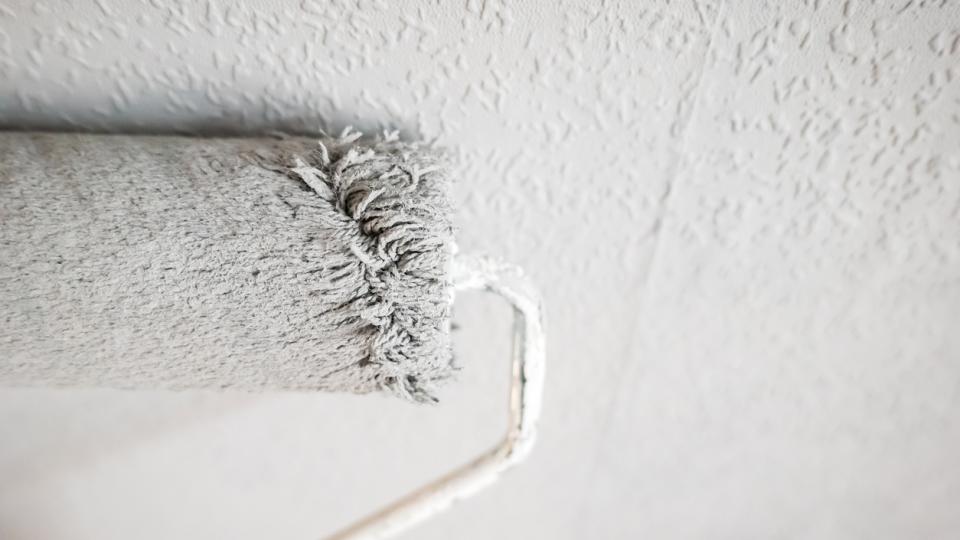
Popcorn ceilings and textured walls may have been all the rage decades ago, but today most homeowners see them as dated eyesores. Still, removing them isn’t always an option. Many people turn to paint for a quick refresh, only to find that textured surfaces don’t cooperate. What looks like a simple weekend DIY can quickly spiral into streaks, drips, and a ceiling that’s worse than when you started.
In this post, we’ll unpack why textured walls and ceilings are so difficult to paint, the tools and techniques professionals use to achieve a clean finish, and when it might make more sense to remove texture altogether.
Why Painting Textured Surfaces Feels Like a Losing Battle
The trouble with popcorn ceilings and textured walls is that they’re far from smooth. Popcorn, in particular, is fragile. Touch it, or even look at it the wrong way? You know it, we know it: those suckers will flake and crumble like a dried biscuit.
So imagine what happens once you’ve slathered gobs of wet paint all over them. Those retro lil popcorn balls get moisture-heavy and peel themselves right off your ceiling ( probably right onto the exact spot your dropcloth didn’t cover).
Textured walls pose their own headaches. Since they’re uneven by design, they tend to soak up far more paint than expected. Instead of a uniform finish, DIY painters often end up with patchy spots where the roller couldn’t reach into the grooves, or streaky areas where too much paint pooled in one place.
Common pitfalls include:
- Overloading rollers, which leads to heavy drips down walls.
- Pressing too hard, leaving roller lines across textured bumps.
- Using the wrong paint consistency, resulting in uneven absorption.
What feels like a straightforward project often becomes an endless cycle of touch-ups, frustration, and wasted paint.
How Professionals Tame the Texture
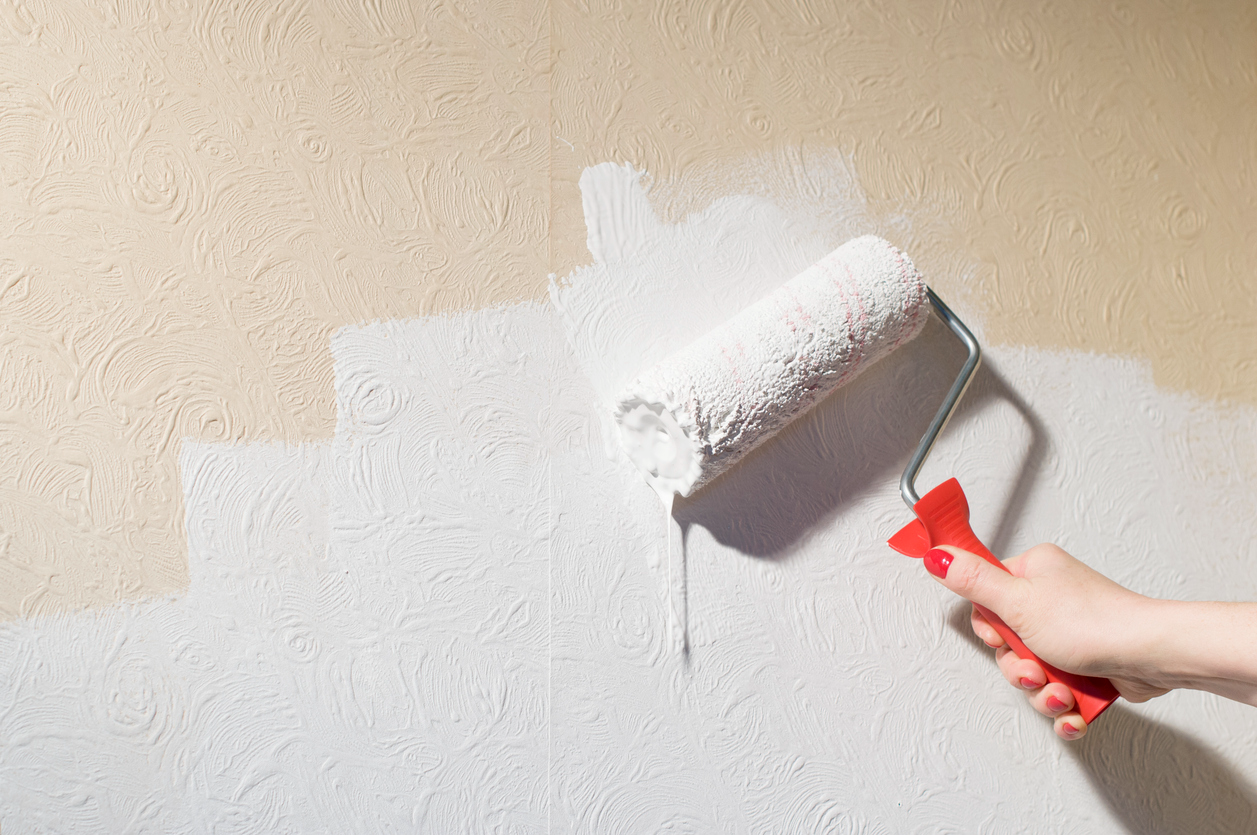
Painting texture successfully comes down to using the right tools and knowing how to apply them. Standard rollers or brushes simply don’t cut it.
Professionals rely on specialized rollers with thicker naps designed to hug the contours of texture. In many cases, they skip rollers altogether and use sprayers that evenly coat popcorn or textured surfaces without disturbing the underlying material.
Primer is another must-have step. Without it, textured surfaces soak up paint like a sponge, requiring multiple coats that may still look uneven. A high-quality primer seals the surface first, creating a foundation that prevents peeling and reduces the number of paint layers needed.
Most importantly, pros understand how to balance coverage with control. Instead of drowning texture in paint and creating a dripping mess, they know how to layer it evenly while keeping the room (and themselves) clean.
Paint or Remove? Knowing When to Decide
For some homeowners, painting over texture is only a temporary fix. In older homes, popcorn ceilings installed before the 1980s may even contain asbestos. That turns a simple paint job into a safety hazard requiring professional testing and, in many cases, certified abatement.
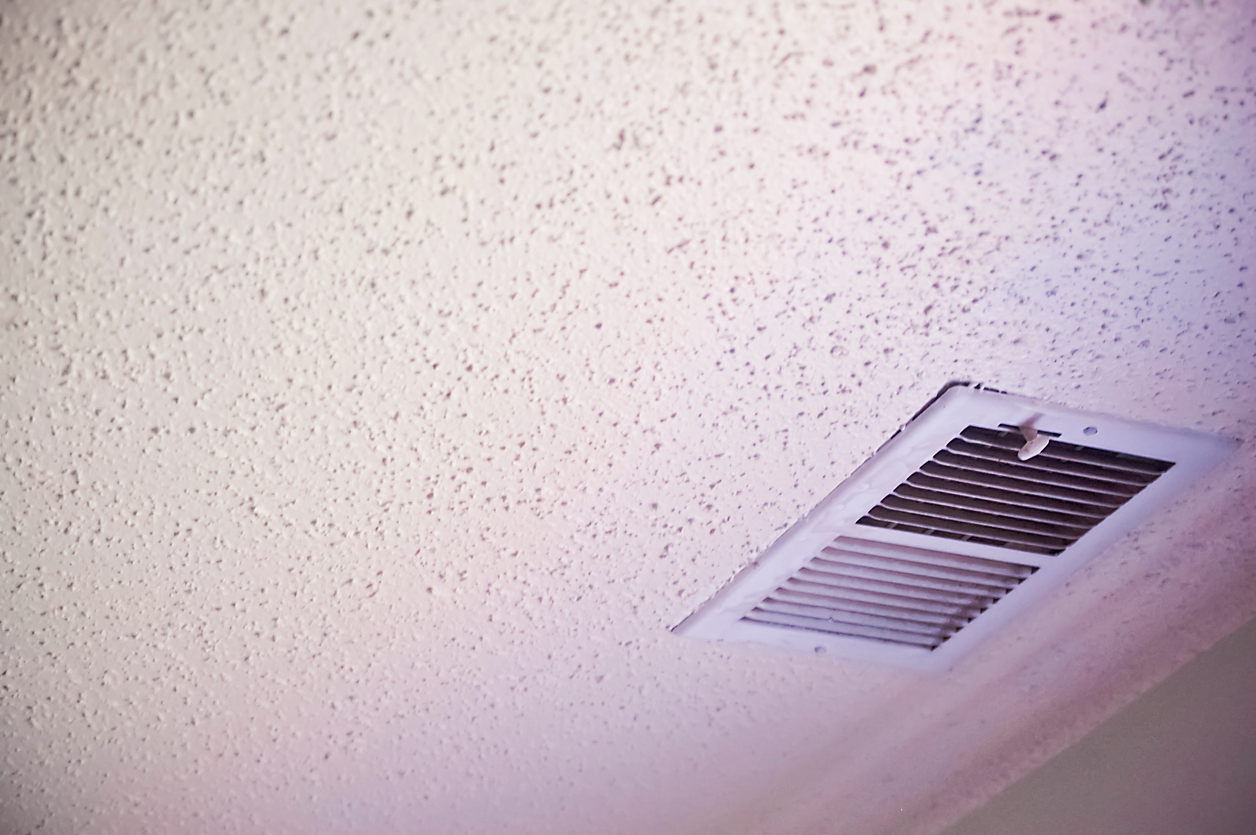
Even when asbestos isn’t an issue, many homeowners eventually choose removal instead of repainting every few years. While removal can be more expensive upfront, it often adds long-term value by modernizing the look of a home and eliminating maintenance headaches.
This is where a professional painter’s guidance is invaluable. They can assess whether painting is practical, whether removal makes more sense, and how to handle potential safety concerns.
Conclusion: Don’t Let Popcorn Become a Disaster
Painting textured walls and ceilings isn’t impossible, but it’s one of the messiest and most frustrating projects to take on without the right equipment and experience. What looks simple on the surface often ends in patchy coverage, wasted supplies, and hours of cleanup.
If you’re ready to update your popcorn ceilings or textured walls without the headache, turn to a TrustDALE certified painting partner. These experts bring the right tools, the right techniques, and the peace of mind that comes with a job done right the first time.