

Your Siding Does More Than Look Good
You may not have thought much about the protection your home’s siding offers. It may seem like just a design element, but it’s also your first line of defense against rain, wind, and heat. A quality siding choice keeps your home safe, comfortable, and energy-efficient while shaping its entire curb appeal. But with so many materials on the market, homeowners often ask: which one gives the best balance of beauty, protection, and value?
Vinyl, Fiber cement, and wood siding are three of the most popular options. We’ll walk you through the differences between each type, and compare real-world performance across cost, durability, and maintenance.
Vinyl Siding: Budget-Friendly and Low Fuss
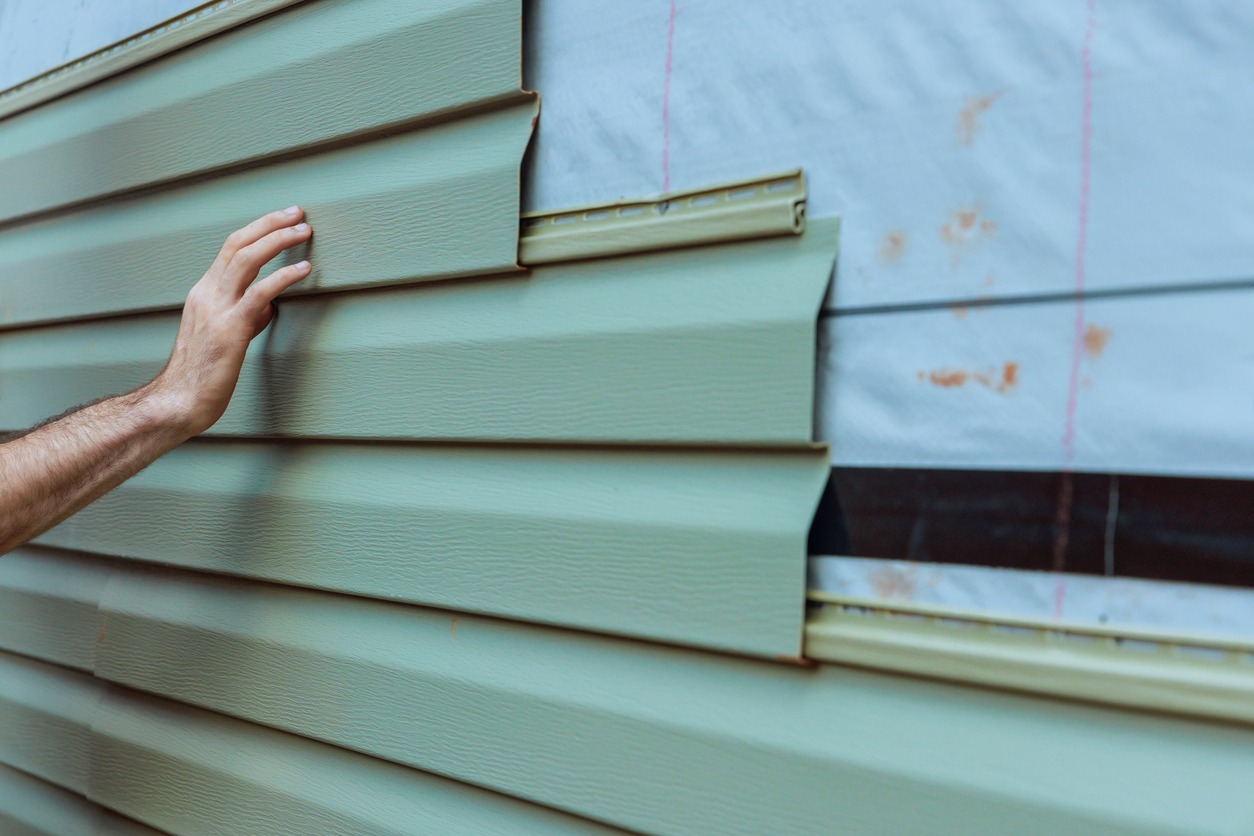
Best for homeowners who want affordability, minimal maintenance, and a clean, consistent appearance.
Vinyl siding has earned its reputation as the go-to choice for homeowners who want dependable protection without the high price tag.
Durability: Vinyl stands up well to moisture, insects, and rot, making it ideal for humid or rainy climates. However, it can become brittle in extreme cold, sometimes cracking or fading after prolonged exposure to harsh sun.
Cost: It’s the most budget-friendly option on the market, both in material and installation costs. Its significant upfront savings is a big reason why vinyl remains the most common siding choice in the U.S.
Maintenance: Minimal upkeep is one of vinyl’s biggest perks. A quick rinse with a garden hose or mild detergent usually keeps it looking fresh. No painting or sealing required.
Appearance: Manufacturers now offer vinyl in a wide range of colors, textures, and even wood-grain finishes. While it’s come a long way from the plastic look of early models, it still can’t perfectly mimic the warmth of real wood.
Fiber Cement: Durable, Stylish, and Built to Last
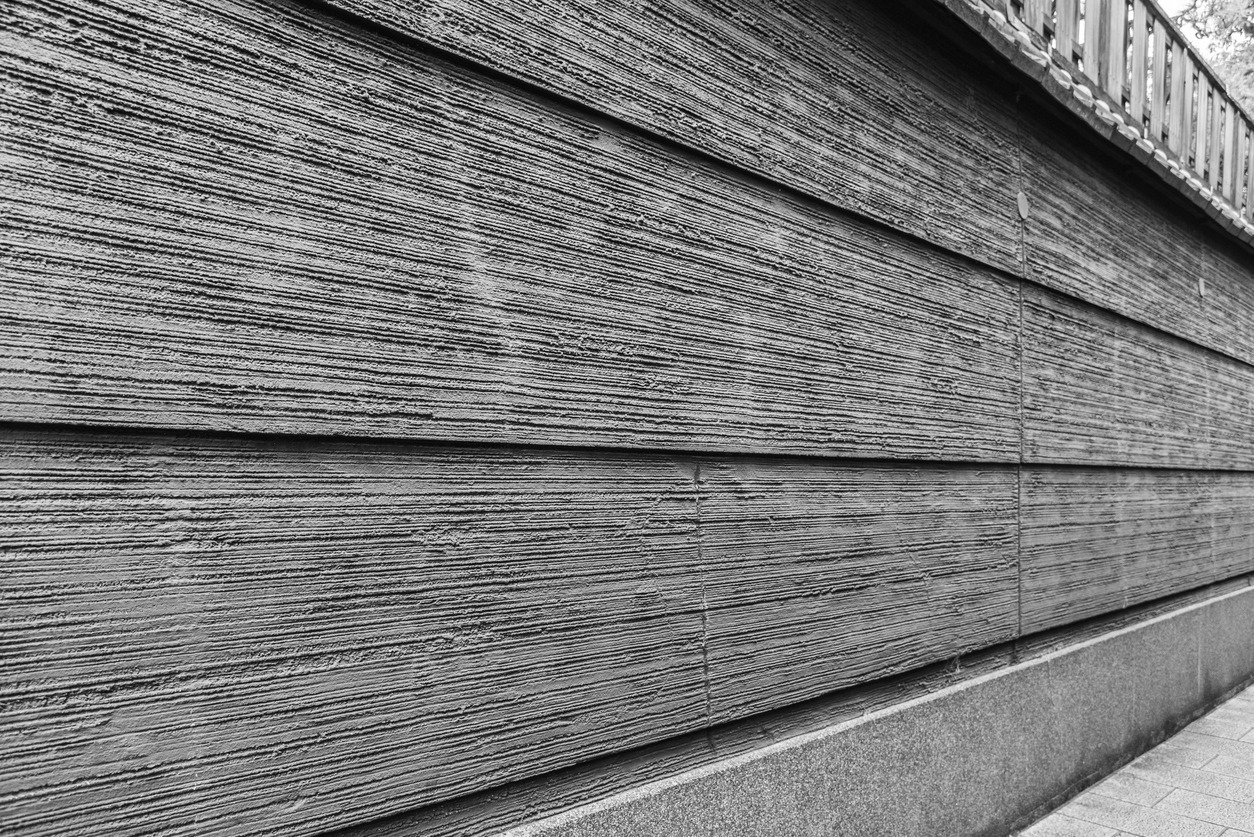
Best for homeowners who want long-term durability and upscale aesthetics without the frequent upkeep of wood.
Fiber cement siding is often described as the “sweet spot” between vinyl and wood. This is the option that combines the best parts of both with its strength, longevity, and design flexibility.
Durability: This material is exceptionally tough. Made from a mix of cement, sand, and cellulose fibers, it resists fire, termites, and rot. It’s also less likely to warp or swell, even in extreme weather conditions. Some brands, like James Hardie, are also fire-resistant, meaning it will not kindle by direct flame exposure nor will it accelerate an existing fire.
Cost: Expect to pay more than vinyl but less than high-end wood siding. The installation process is labor-intensive since the panels are heavier, which can raise labor costs slightly.
Maintenance: Once painted, fiber cement holds its color for a decade or more before needing touch-ups. It doesn’t peel or crack easily, making it one of the lowest-maintenance “painted” sidings available.
Appearance: Fiber cement can convincingly imitate wood, stucco, or even stone. The result is a high-end look without the vulnerabilities of natural materials.
Wood Siding: Classic Beauty, Constant Care
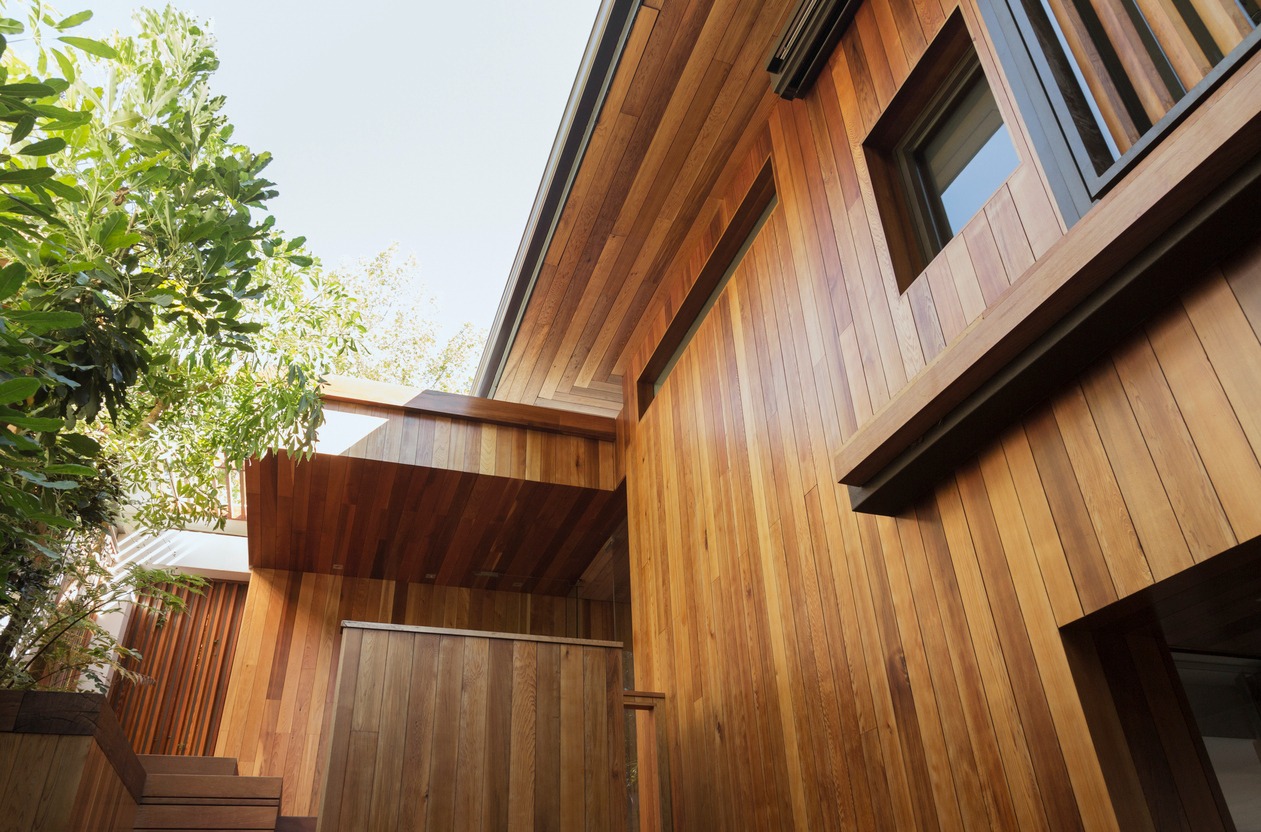
Best for traditionalists and design purists who value craftsmanship and are willing to invest in maintenance.
Wood siding is timeless for many reasons, most of all its warmth and rich, natural beauty. Owning it, though, means committing to ongoing care.
Durability: With proper maintenance, wood siding can last 30 years or more. However, it’s susceptible to rot, termites, and moisture damage if not consistently sealed or painted.
Cost: It’s the priciest of the three, both upfront and in the long run. Regular refinishing, staining, and potential repairs can add up.
Maintenance: Wood requires periodic painting or sealing. Depending on your climate, it could be every 3 years up to every 7 years. Neglecting this process can lead to warping or cracking.
Appearance: No other siding matches the authentic grain and texture of natural wood. For homeowners seeking traditional charm or historical accuracy, nothing else compares.
Choosing the Right Siding for Your Home
Your ideal siding depends on three key factors: climate, budget, and long-term plans.
- In regions with intense sun or storms, fiber cement’s toughness may pay off over time.
- For quick installation and easy maintenance, vinyl remains the best value.
- If you’re restoring a historic home or want natural elegance, wood is worth the effort. Just make sure you’re ready and willing to perform the necessary upkeep.
Energy efficiency and resale value also play a role. Fiber cement and wood can enhance curb appeal and home value, while vinyl offers great insulation when paired with proper underlayment.
The Bottom Line
Each siding type brings a unique mix of beauty, cost, and protection. The right choice depends on what matters most to you, whether it’s low maintenance, a timeless appeal, or long-term durability.
Before making your decision, consult a TrustDALE certified siding professional in your area. These experts have been thoroughly vetted for quality, reliability, and transparent pricing. With this peace of mind, you can invest in your home’s exterior with total confidence.