

Gas has a way of making every errand feel a little more expensive. You fill up, drive your usual route, make the same stops, and somehow the needle seems to fall faster than it should. For many drivers, it isn’t due to just one problem, like some dramatic mechanical failure quietly hiding under the hood. It’s much more likely due to a pileup of habits, maintenance delays, and small choices that burn fuel without you even noticing.
In this guide, we’ll look at the everyday reasons your car may be using more gas than necessary, from how you accelerate to what’s sitting in your trunk. You’ll also learn when a change in driving behavior may help, when maintenance deserves attention, and why paying more at the pump doesn’t always mean you’re doing your engine a favor.
Your Right Foot May Be Spending More Than You Think
Fuel economy often starts with the way a driver handles ordinary moments: pulling away from a light, merging onto the highway, slowing for traffic, or rushing through a short trip across town. Hard acceleration sends the engine looking for more fuel right away, and repeated braking forces the car to regain speed again and again. That pattern feels normal when traffic is annoying, but it can turn a simple commute into a more expensive one.
A smoother drive usually works better. Press the accelerator steadily, let the transmission shift naturally, and look farther ahead so you’re not reacting at the last possible second. When a red light is already waiting for you, taking your foot off the gas early lets the car slow down with less wasted motion. Cruise control can also help on open highways when conditions are dry and traffic is steady, since it keeps your speed from creeping upward without you noticing.
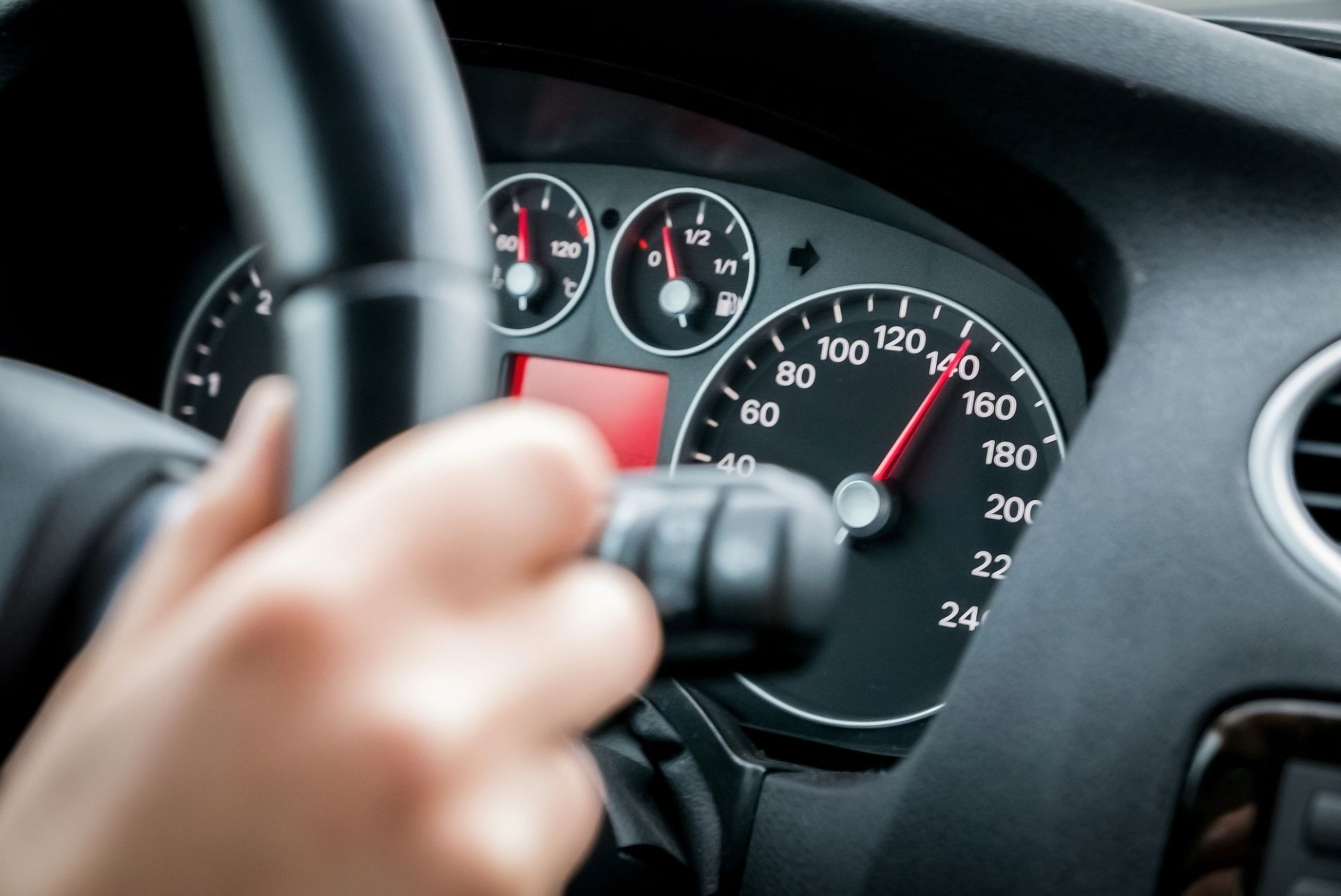
Speed is another big one. Once highway speeds climb, wind resistance starts working against the car more aggressively. That means driving faster can cost more even when the road feels wide open. Keeping closer to the posted speed limit is one of the simplest fuel habits to adopt, and it doesn’t require a new part, a service appointment, or a complicated plan.
Just don’t camp out in the far left lane. Yeah, I’m looking at you, Atlanta.
Maintenance Problems Can Turn Into Gas Problems
A car that’s behind on maintenance often gives small warnings before it becomes a larger headache. Poor fuel economy can be one of those warnings. A check engine light, worn components, dirty filters, or neglected service can make the engine work harder than it should. Even when the car still feels drivable, it may be using more fuel to produce the same result.
Tire pressure deserves special attention because it affects both mileage and safety. Underinflated tires create more rolling resistance, wear unevenly, and can hurt handling and braking. They’re also easier to ignore because they don’t always look obviously low from the driveway. Checking tire pressure regularly, using the number listed for your vehicle, and not guessing by appearance can protect both your fuel budget and the tires themselves.
Routine service matters for the same reason. Modern vehicles don’t need old fashioned tune ups in the way older cars did, but they still need maintenance based on the manufacturer’s schedule. Oil, filters, sensors, spark plugs, and other components all play their part in keeping the vehicle efficient. When something feels off, getting it checked sooner can prevent a small fuel issue from becoming a more expensive repair.
Idling Is the Sneaky Gas Leak
Many drivers still warm up the car longer than necessary, especially in colder weather. Today’s vehicles generally don’t need extended idling before normal driving. Letting the engine sit and run mostly burns fuel while the car goes nowhere, which is about as useful as leaving the faucet on because you might want water later.
Prolonged idling during errands, school pickup lines, driveways, and parking lots can add up too. If you’re stopped for more than a short moment and it’s safe to do so, turning off the engine may save fuel. Many newer vehicles already handle this through automatic stop start systems, though drivers sometimes turn the feature off because it feels unfamiliar. The idea behind it is simple: an engine that isn’t running isn’t burning gas.
Your Car May Be Carrying Around a Closet
Extra weight forces the vehicle to work harder, especially during stop and go driving. A few small items won’t ruin your gas mileage, but heavy tools, sports gear, boxes, and other forgotten cargo can become part of every trip whether you need them or not. Cleaning out the trunk is not glamorous, but it’s one of the cheapest fuel saving tasks available.
Roof racks, cargo boxes, and specialty carriers deserve a second look as well. They change the way air moves around the vehicle, especially at highway speeds. An empty rack might seem harmless, but anything mounted on top of the car can create drag. When you’re not using it, taking it off can help the vehicle move through the air more efficiently.

Premium Gas Isn’t Automatically Better
The word “Premium” sounds persuasive at the pump, but your owner’s manual gets the final vote. If your vehicle requires premium fuel, use it. If your vehicle only recommends or allows regular fuel, paying more for premium may not improve fuel economy, performance, or emissions in a meaningful way.
The better habit is to buy the fuel your manufacturer specifies and keep the rest of the car in good condition. Gasoline choice can matter, but guessing upward at the pump isn’t the same as proper care. Your vehicle was engineered around specific requirements, and the manual is a better guide than the label on the most expensive button.
The Bottom Line for Drivers
Better fuel economy usually comes from a cluster of ordinary decisions: smoother acceleration, steady speeds, proper tire pressure, timely maintenance, less idling, lighter cargo, and the right fuel for your car. None of these changes require you to drive like every trip is a science experiment. They simply keep your car from wasting energy where it doesn’t need to.
For more help protecting your vehicle and your wallet, TrustDALE connects consumers with vetted auto service professionals who can help identify maintenance issues before they become costly surprises. A little attention now can make the next trip to the gas station feel a bit less painful.