

Not Just for Santa: Why Your Chimney Deserves More Credit
It’s not just Santa’s shortcut! Your chimney is one of the most fascinating (and misunderstood) parts of your home. Far from being just a decorative stack of bricks, it’s a carefully engineered system that affects your home’s air quality, efficiency, and safety.
Most homeowners only think about their chimney either when temperatures drop or when something goes wrong. But understanding how this structure actually works reveals a world of physics, history, and craftsmanship that’s hiding in plain sight. Let’s take a closer look at some of the surprising things your chimney can teach you.
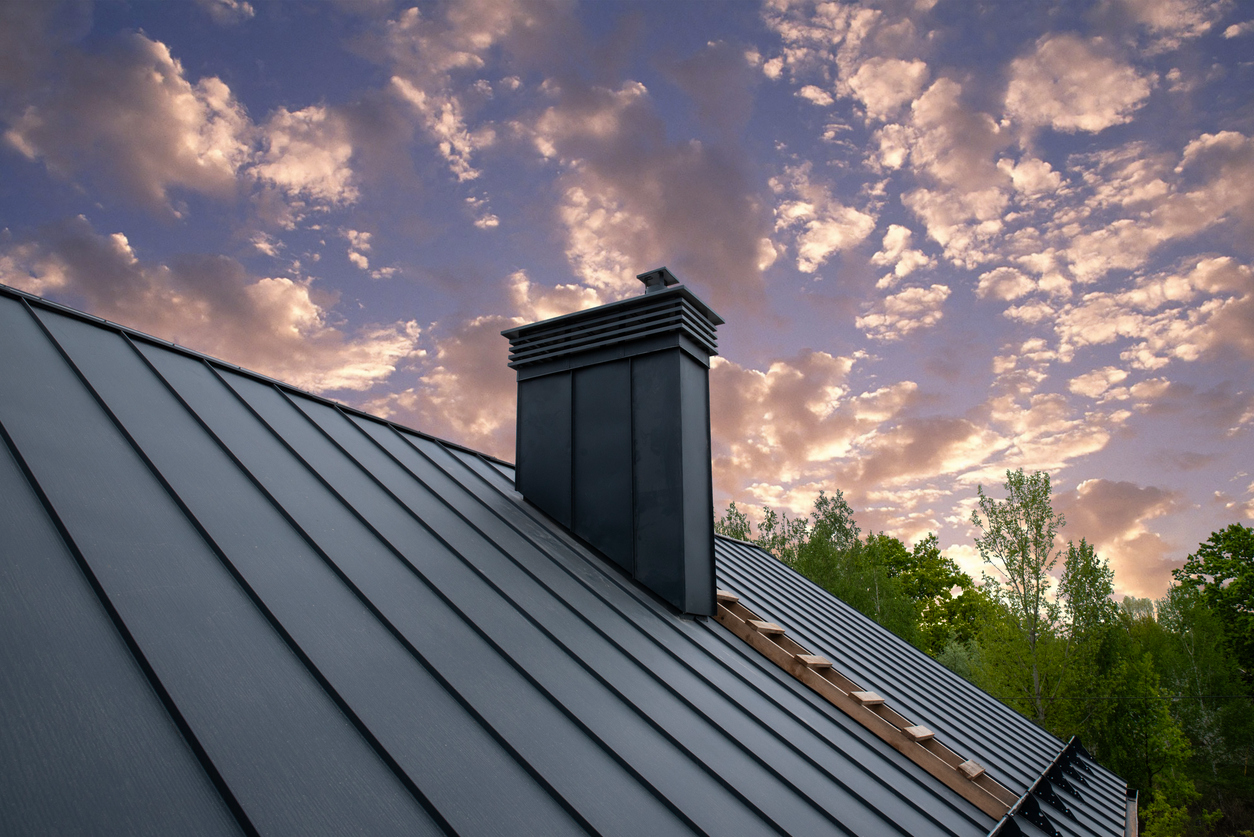
How Airflow Makes the Magic Happen
Chimneys may look simple, but they operate on pure science. The “draft effect” is what makes them function – hot air from your fire rises naturally, pulling cooler air up through the chimney and carrying smoke, gases, and particles safely out of your home.
When this draft isn’t working properly, though, the results aren’t cozy. Poor draft can leave your living room filled with smoke, cause your fire to burn inefficiently, or even allow harmful gases like carbon monoxide to linger. Modern homes often use chimney liners, typically made from stainless steel or clay, to help improve airflow and protect the structure from heat damage. These liners aren’t just safety features; they’re key to keeping your fire burning clean and steady.
The Sticky, Dangerous Truth About Creosote
If you burn wood, you’re creating creosote. This gunk is an oily, black residue that forms when smoke cools and condenses along the chimney walls. At first, it’s a light coating of soot. But over time, it hardens into thick, tar-like deposits that are both stubborn and highly flammable.
According to the National Fire Protection Association, creosote buildup is one of the leading causes of house fires each winter. What’s worse is that you don’t need to be a daily fire-builder for it to form. Even occasional use can create enough residue to become a hazard.
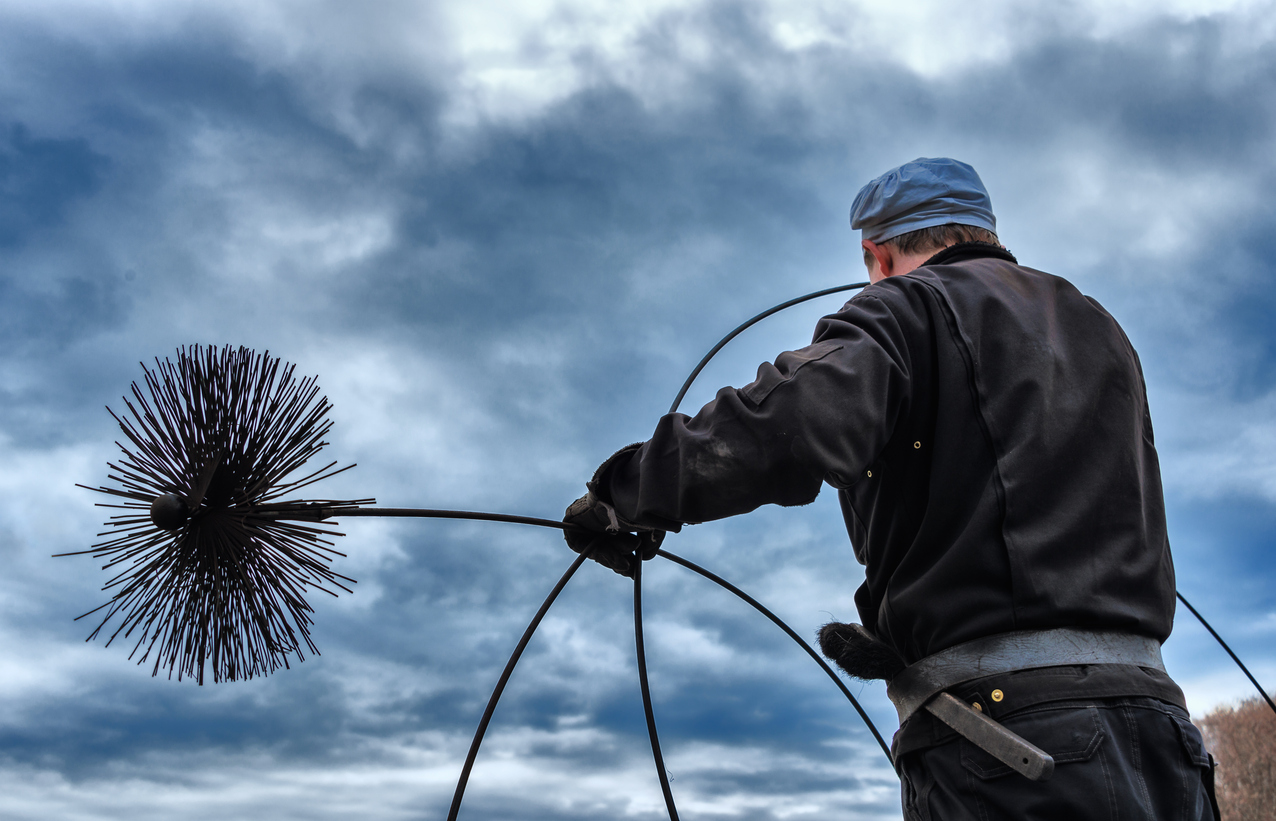
That’s why professional cleanings and inspections are critical. Certified chimney sweeps use specialized tools and cameras to identify hidden buildup and remove it safely. That’s something DIY methods simply can’t match.
When Your Chimney Becomes a Wildlife Hotel
It might not surprise you to know that chimneys are prime real estate for small animals. Birds, squirrels, and even raccoons often build nests inside flues, especially during the off-season. While it might seem harmless, a blocked flue can trap smoke and carbon monoxide inside your home. In some cases, animals or debris can even ignite from stray sparks.
I remember when I was growing up, every spring my best friend’s chimney sounded like a bird sanctuary. We loved hearing all the chirps and echoed squeaks of the bird babies nesting in the darkness. Only now, as a homeowner myself, do I understand why her parents didn’t enjoy it quite as much as we did.
Fortunately, a simple chimney cap can prevent most of these problems. Acting like a small metal umbrella, it keeps out rain, debris, and wildlife, all while improving airflow. It’s one of those unsung heroes of home safety that costs little but protects a lot.
From Medieval Towers to Modern Design
Chimneys have been around since the Middle Ages, but their design has come a long way. Early chimneys were enormous, drafty smoke funnels that often filled homes with soot. Colonial builders used clay instead of metal for liners, and it wasn’t until the 20th century that engineering caught up with the demands of modern heating systems.
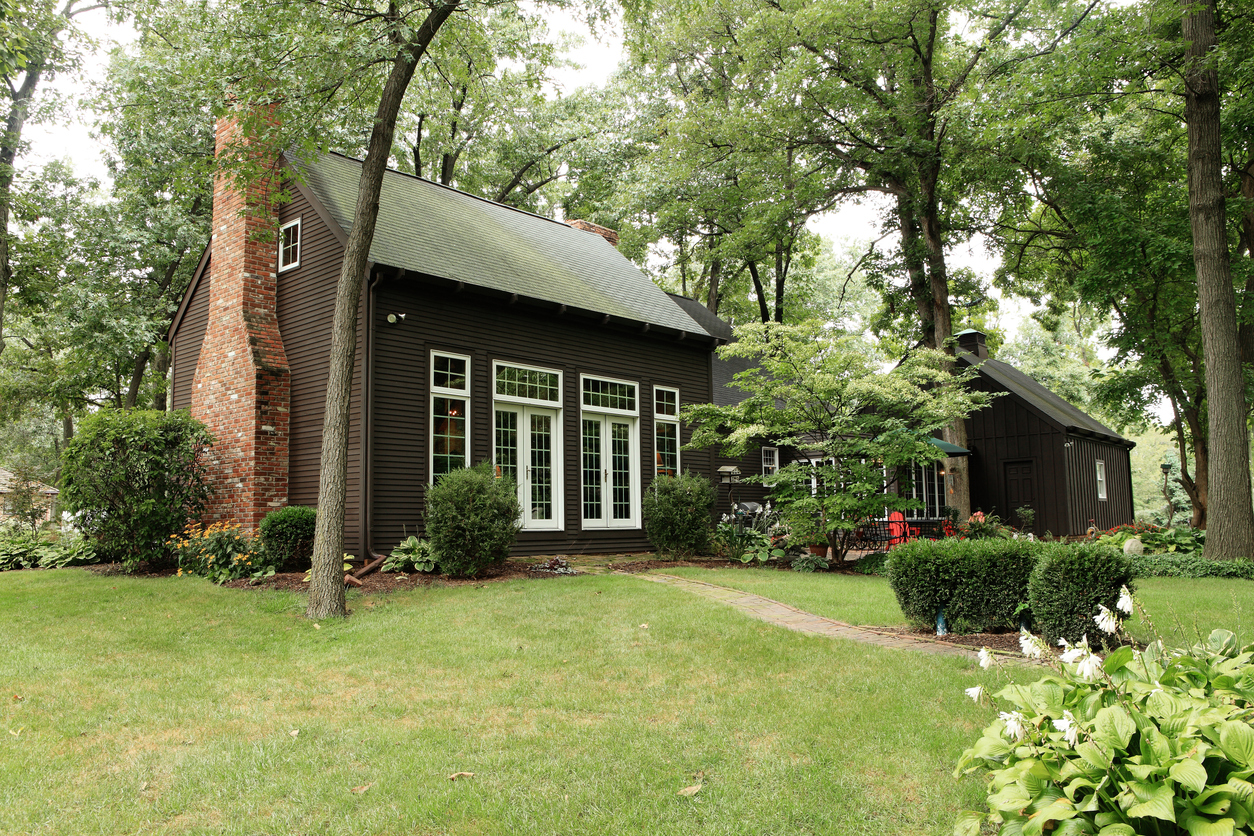
Today’s chimneys blend form and function by using materials like stainless steel, insulated flues, and even smart dampers that respond to airflow changes automatically. Many still maintain the traditional aesthetic of brick and stone, but under the surface lies some serious technology.
Keeping Your Chimney Safe and Sound
Your chimney is more than a decorative architectural feature! It’s a living, breathing system that keeps your home safe and comfortable. Between the physics of airflow, the chemistry of combustion, and the occasional animal tenant, there’s a lot happening behind the scenes.
The best way to keep it working properly? Schedule regular inspections and cleanings with a TrustDALE Certified chimney and fireplace company. These vetted professionals meet strict standards for quality, safety, and transparency, which gives you valuable peace of mind that your home’s warm glow stays exactly where it belongs.