
Fireworks Safety Tips for a Safer Fourth of July
Fireworks can turn a happy holiday into an ER visit in seconds. That risk is highest for families, kids, and first-time users who treat small consumer fireworks like toys.
Good fireworks safety lowers the chance of burns, eye injuries, fires, and property damage. The basics in this guide line up with current Consumer Product Safety Commission tips for home fireworks, and they're easy to follow in a real backyard or neighborhood setting.
A little planning will get you more bang for your buck than a bigger box of fireworks. Start with the risks, because they happen faster than most people expect.
The CPSC's message is "Don't Be a Dummy." And while this video is light-hearted, the message it sends is a serious one.
What the biggest fireworks risks are, and why they happen so fast
Most fireworks injuries happen quickly and stem from what seems like a small mistake. Someone leans over a fuse, a child steps closer for a better view, or a dud gets a second try.
Even small items can throw hot sparks, flaming paper, and debris. A bottle rocket in a driveway, a fountain near dry grass, or a sparkler waved near a face can cause harm before anyone has time to react. Noise is part of the risk too, because a loud blast can startle people and lead to falls or panic.
The injuries people get most often
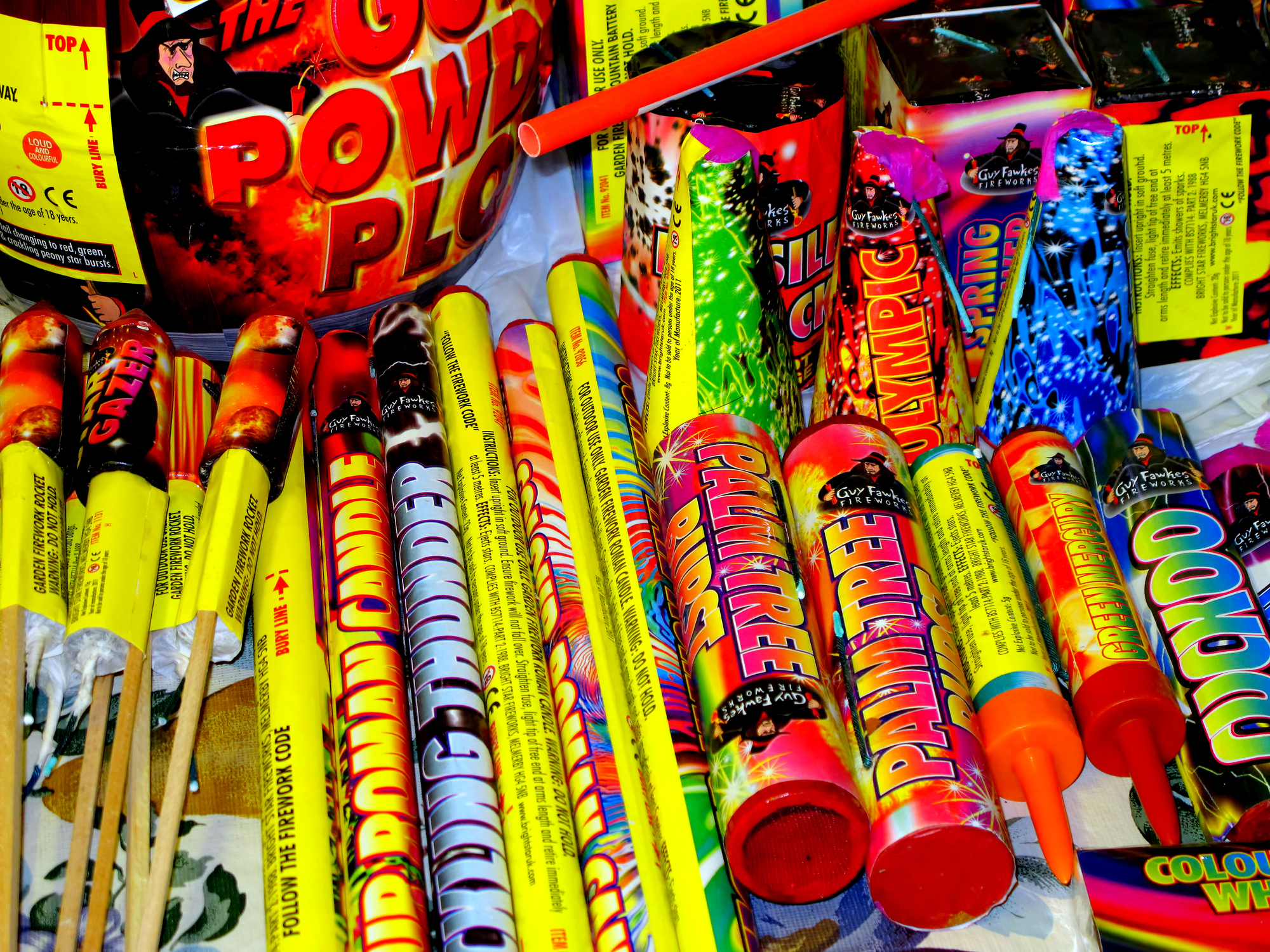
Burns are the injury emergency rooms see the most, especially on hands, fingers, legs, and feet. That makes sense, because people often hold fireworks too long, light them too close to their bodies, or walk around in sandals.
Eye injuries are also common and can be serious. A single spark, ash fragment, or exploding piece of casing can hit a person who never touched the fuse. That's why bystanders get hurt so often. They stand too close, look down from above, or gather in a tight circle around the launch area.
Cuts and bruises happen after misfires, falls, or sudden blasts. Teens also get hurt when they rush, show off, or ignore distance rules. Younger children can get burned simply by picking up a hot casing off the ground.
How fireworks start fires at home
Home fires often begin with something small. A few sparks land in dry grass, a cardboard box catches, or a hot firework rolls under a deck chair.
Backyards have more fuel than people think. Mulch, patio cushions, wooden fences, roof shingles, leaves in gutters, and trash cans can all easily catch fire. Even when a firework looks like it has burned itself out, the tube or wrapper may stay hot enough to start a fire for several minutes.
Used fireworks create problems after the noise stops. If they go straight into a trash bag, they can smolder and then flare up later. That's why cleanup matters almost as much as lighting.
How to set up a safer fireworks area before the first spark
A safer show starts before anyone touches a lighter. Choose legal consumer fireworks from a reputable seller, read the labels in daylight, and check your city or county rules before the holiday starts.
Next, set up the area like you're planning for a mistake, not hoping one won't happen. Put pets indoors, keep children well back, and tell guests where they can stand before the first fuse is lit.
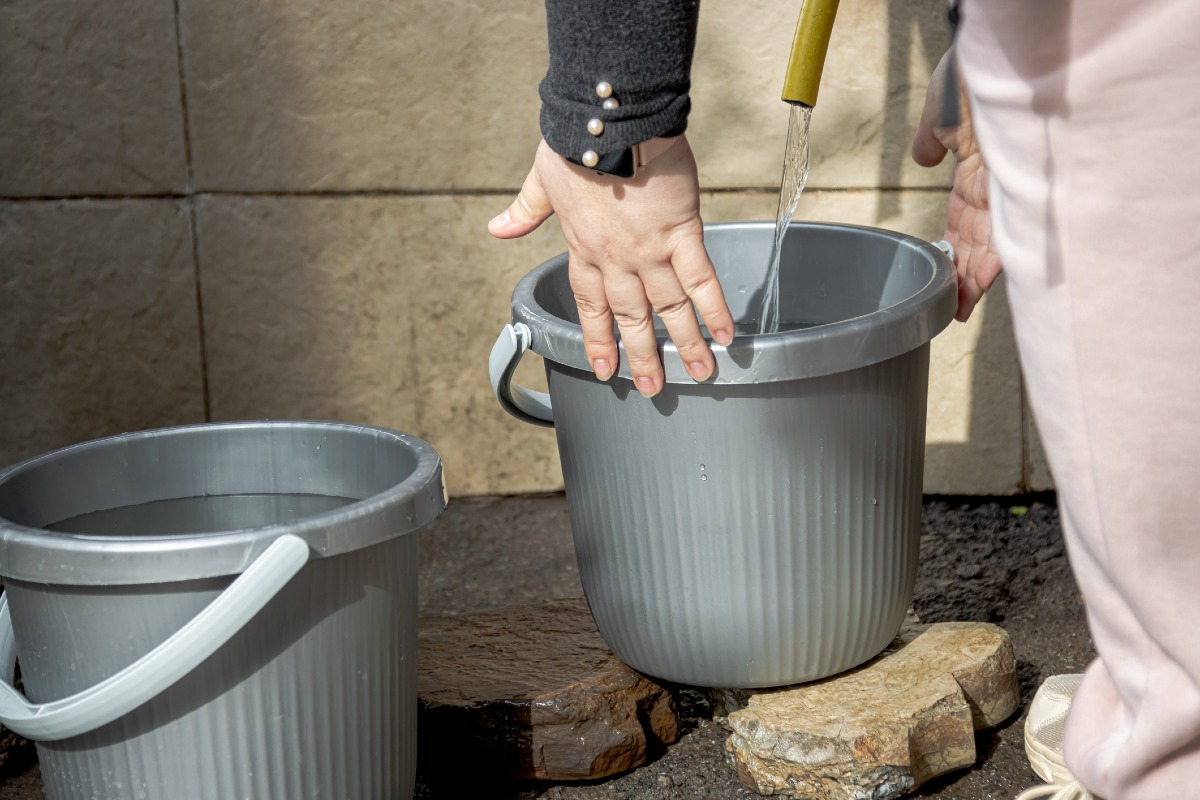 Keep a bucket of water and a hose handy to quickly put out flames
Pick the right spot and clear the area
Use a flat, open outdoor space with a wide buffer around it. Keep fireworks away from homes, cars, garages, trees, sheds, grills, and anything flammable.
Clear out dry leaves, loose paper, cardboard, and yard debris. Also look up, because low branches and porch roofs can catch sparks floating through the air.
Driveways, sidewalks, and streets can still be risky. They seem open, but they fill up fast with chairs, coolers, bikes, and neighbors standing shoulder to shoulder. If people don't have enough room to stay back, the area isn't safe enough.
Keep a water source and safety tools close by
Water needs to be ready before the first spark. A hose is best for wetting grass and putting out small fires, while a bucket works well for spent fireworks and duds.
This quick setup covers the basics:
| Tool | What it's for |
|---|---|
| Garden hose | Wet nearby grass, cool hot debris, and knock down a small ground fire |
| Bucket of water | Soak spent fireworks, sparklers, and duds before disposal |
| Fire extinguisher | Stop a small fire fast if it spreads beyond what water can handle |
| Phone | Call 911 if someone is hurt or a fire gets out of control |
Keep these tools within a few steps, not across the yard. Also review the CPSC fireworks safety page before the holiday, because it covers the home-use rules many people forget in the moment.
Dress for safety, not just for comfort
Clothing matters more than people think. Wear closed-toe shoes, skip loose sleeves, and avoid dangling jewelry that can swing into a flame.
Natural fibers are a better choice when possible. Cotton is usually safer than thin synthetic fabrics, which can melt against skin. Long hair should be tied back, and anyone lighting fireworks should keep both hands free.
Light it right
Once the show starts, simple rules matter most. Pick one person to light fireworks, and keep everyone else back until that person is done.
Use a long lighter, light one device at a time, and move away right after the fuse catches. Never lean over a firework, and keep alcohol away from anyone handling fireworks. A crowded yard already has enough distractions.
Why supervision matters for kids and teens
Children should never light fireworks on their own. Teens also need close supervision, because over-confidence leads to fast mistakes.
Sparklers are the part many parents underestimate. They can burn at about 2,000 degrees Fahrenheit, which is hot enough to cause serious burns in a split second. That's one reason CPSC warns parents to keep children away from them.
For very young kids, use glow sticks instead. They don't throw sparks, and they won't stay hot after the fun is over. During a neighborhood show, adults should keep children behind a clear viewing line and remind them not to run toward anything that lands on the ground.
What to do with fireworks that fail to go off
A dud is one of the most dangerous moments in a home display. People get impatient, walk over too soon, and then try to relight it. Wait at least 20 minutes before you go near a firework that didn't ignite. After that, soak it thoroughly in a bucket of water, leave it there for several minutes, and then dispose of it.
Never relight a dud. The second try is where many hand and face injuries happen.
If a device tips over while burning, don't try to grab it. Back away, warn everyone nearby, and let it fizzle out if the area is clear. If it starts a fire, use water or an extinguisher right away. This is when it pays to have that bucket of water or hose handy.
Handle sparklers with extra caution
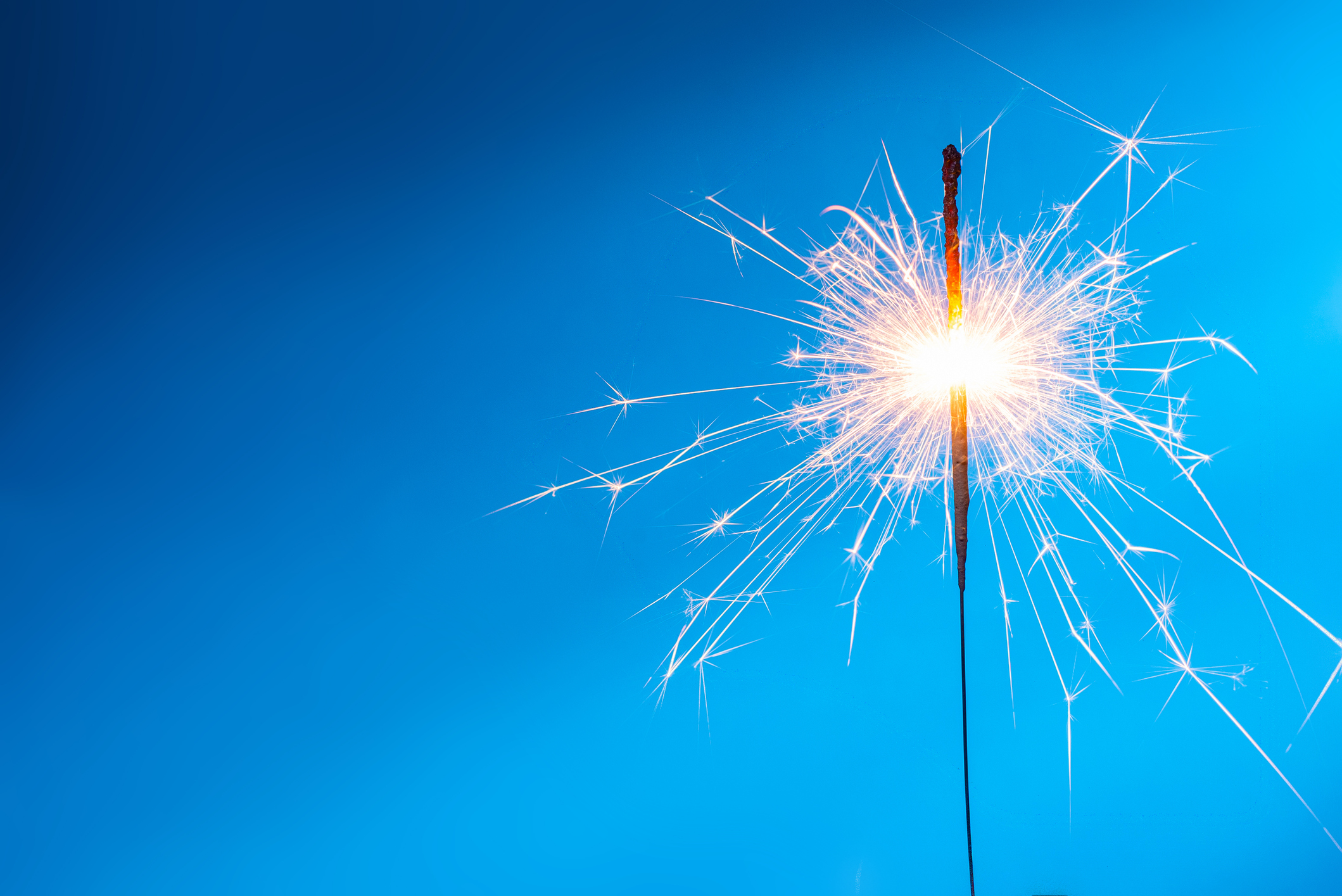
Sparklers look small and harmless, but they can burn skin, clothing, and eyes fast. Children often hold them at face level or wave them near siblings without meaning any harm.
Give each person plenty of space. Don't let kids run with sparklers, cross them like swords, or toss them on the ground after the flame fades. The wire stays hot.
When a sparkler is finished, drop it into a bucket of water. Don't leave it on concrete, grass, or a picnic table where someone might touch it. Small children should never be given sparklers because the danger of injury is just too great.
After the show, clean up safely and check for hidden hazards
The danger doesn't end when the last firework goes dark. Spent tubes, paper scraps, and hot fragments can smolder out of sight for a long time.
Walk the area slowly with a flashlight if it's dark. Check the grass, flower beds, deck edges, driveway cracks, and the space around trash cans. If anything looks warm, smoky, or partly burned, soak it.
How to dispose of spent fireworks the safe way
The safest method is simple. Place used fireworks, duds, and spent sparklers in water, keep them there long enough to get fully soaked, and then bag them for the trash once they're cold and saturated.
Don't throw fireworks away dry. A trash bag full of half-burned paper and hot tubes can ignite after everyone goes inside.
Local disposal rules may be stricter, so check them before the holiday. For current safety alerts, recalls, and seasonal guidance, the Consumer Product Safety Commission is the main federal source.
When to call for help after an injury or fire
Call 911 right away for an eye injury, breathing trouble, loss of consciousness, or any fire that isn't out fast. If a burn is large, blistering, or on the face, hands, feet, or groin, get medical care promptly.
Don't try to tough out an eye injury. Cover the eye lightly and get help. For smaller burns, cool the area with clean, cool water, then seek care if the pain is severe or the skin is badly damaged.
A Safe Show Is the Best Show
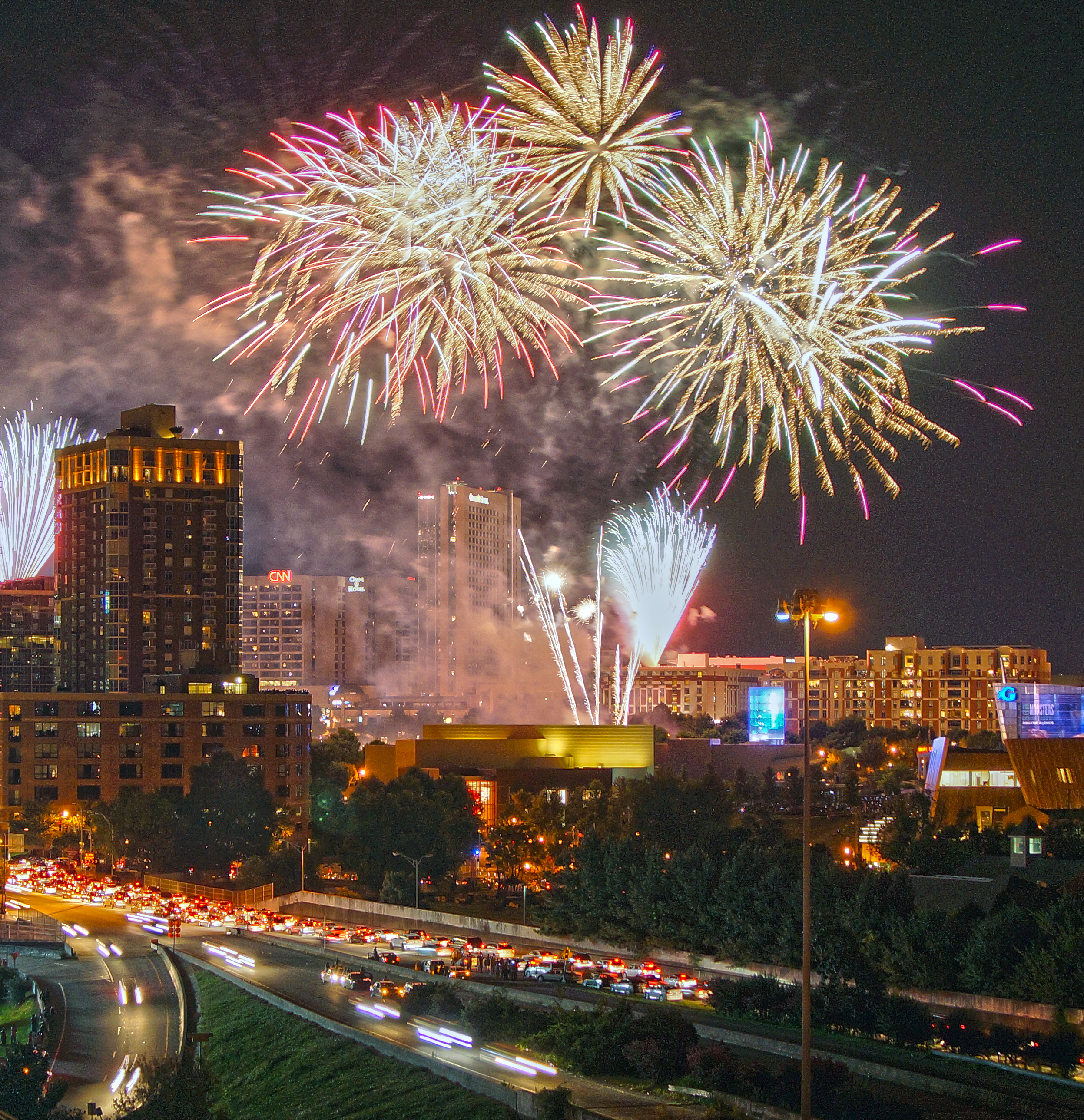
The best fireworks display is the one people remember for the sky, not for a trip to urgent care or a call to the fire department. A safe setup, clear spacing, and calm decisions cut the biggest risks before the first fuse is lit.
Keep the plan simple. Choose the right spot, keep water close, give kids distance, and stop the show if anything feels unsafe. Better yet, let the pros handle the show and be a spectator at one of the countless fireworks displays. With America turning 250, many venues have amped up their shows this year to celebrate the milestone.