
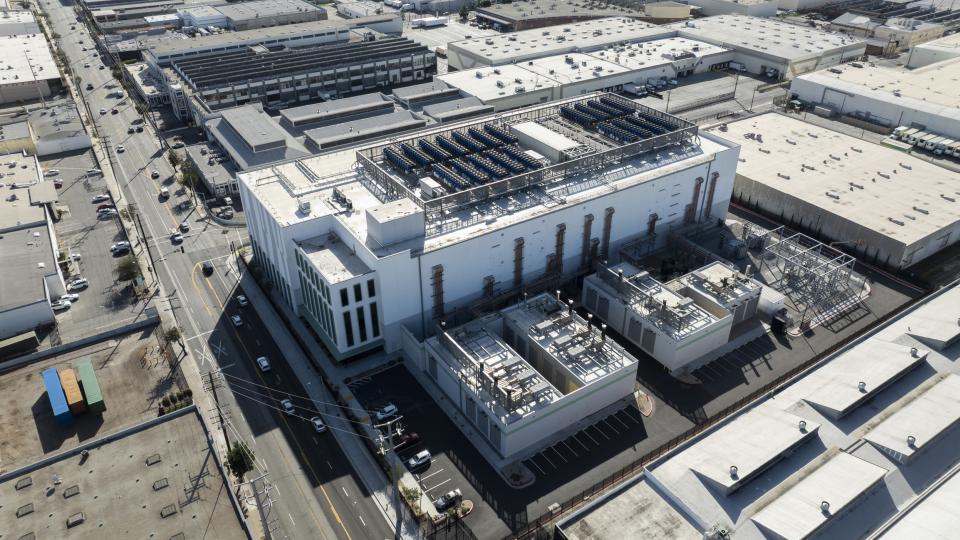
How Data Centers Affect Bills, Water and Neighborhoods
A new data center may look far removed from daily life, but its costs can land close to home. You might see them in your power bill, local water rules, road traffic, or a zoning fight down the street.
That doesn't mean every project is bad for a community. It means the real tradeoffs deserve a plain look before utilities, cities, and developers lock in deals that households may help pay for.
And it's an issue that is affecting more and more communities.
GPB reported in October 2025 that 26 data centers were under construction within 60 miles of Atlanta and another 52 were planned.
How data centers can show up on your monthly power bill
Data centers use enormous amounts of electricity, and utilities plan around that demand years in advance. When a utility expects several large facilities to connect to the grid, it may need more power plants, more transmission capacity, and more local equipment. In fact, according to the Lawrence Berkeley National Laboratory, by 2028, data centers could use 12 percent of all the electricity consumed in the U.S..
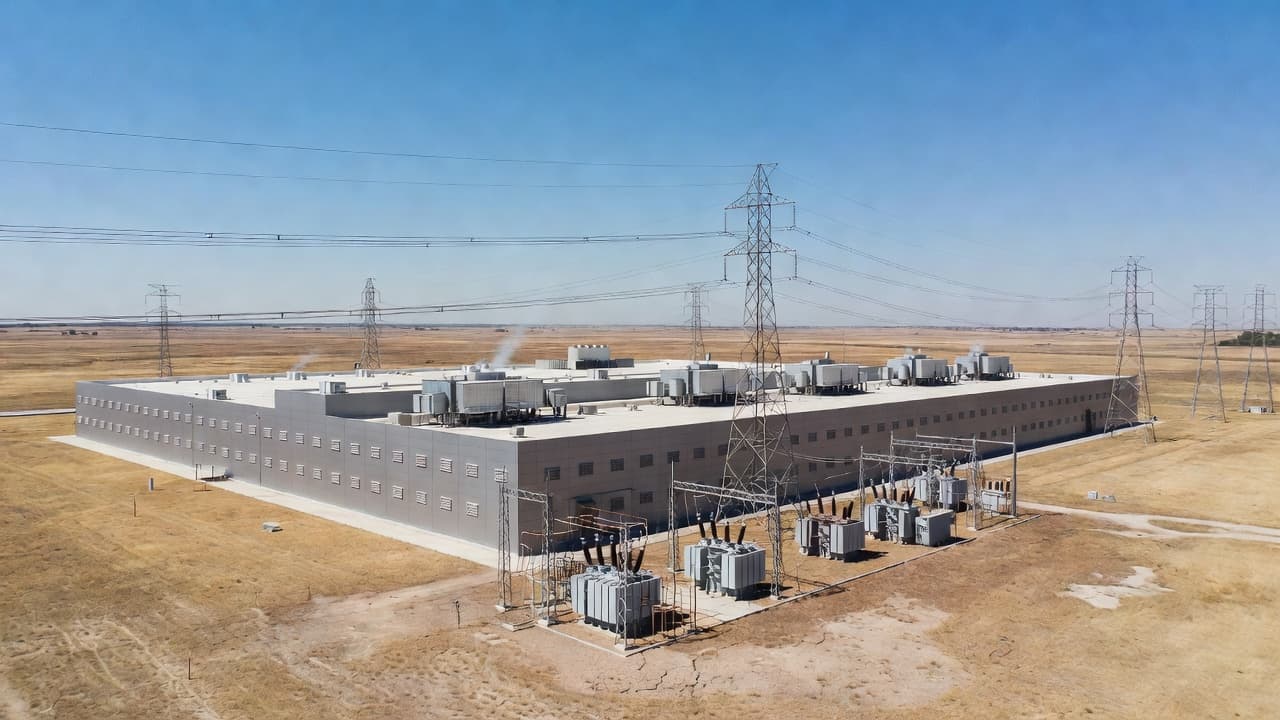 For consumers, the key issue is simple: who pays for those upgrades? In many states, some costs get spread across all ratepayers, especially when utilities argue that new infrastructure supports system-wide reliability. A utility's rate case is where that argument often moves from boardroom talk to your monthly statement.
Why new transmission lines and substations can raise costs for households
A single large data center campus can draw as much power as a town. To serve that load, utilities may build new substations, larger transformers, and longer transmission lines. Those are expensive projects, and they don't stay on paper. They show up in utility filings, then in rates.
State rules matter here. In some cases, big customers cover more of their direct connection costs. In others, regular customers absorb part of the wider grid buildout because the utility treats it as a shared investment.
Georgia Power has become a clear example of how this turns public. As the company plans for rapid load growth tied in part to data centers, regulators and consumer groups have pushed on the same question: how much new generation and grid spending is necessary, and how much risk belongs on households. That debate isn't unique to Georgia. A review from the Environmental and Energy Study Institute notes that power demand from data centers is already contributing to higher energy bills in some high-growth areas.
How special contracts for big users can shift more risk to regular customers
Large power users often negotiate special contracts. On paper, that can sound reasonable. A data center promises steady demand, and the utility wants the new business.
The problem appears when the deal is too generous or too optimistic. If a utility locks in a favorable rate, builds ahead for future growth, and that growth slows or arrives late, the utility still has to recover its spending somewhere. Households may end up carrying more of the burden.
That risk gets sharper when utilities overbuild for projects that never fully ramp up. A substation, a new line, or added generation capacity still has to be paid for. In other words, regular customers may backstop a bet they never approved. The State Energy & Environmental Impact Center's overview lays out this consumer concern in plain terms: giant new loads can strain the grid and your wallet at the same time.
The water footprint of data centers and what it means for communities
Electricity isn't the only pressure point. Many data centers also need large amounts of water for cooling, especially in hot weather. That matters more when several facilities cluster in one area or when a region already struggles with drought.
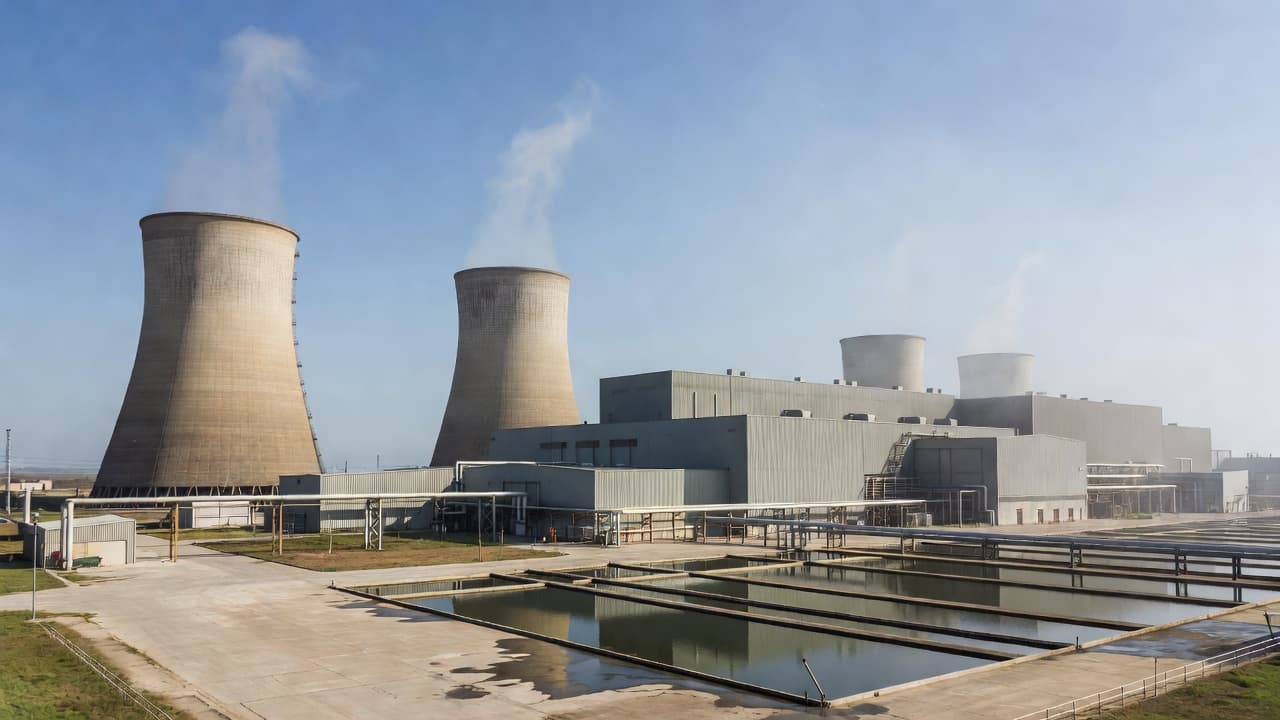 Consumers feel this issue in practical ways. Water utilities may need to expand treatment, pumping, or storage. During dry periods, residents may also face tighter restrictions while industrial demand keeps rising.
Cooling needs, drought pressure, and local water concerns
Servers produce heat all day, every day. That heat has to go somewhere, so operators use cooling systems that may rely on water, air, or a mix of both. Water-cooled systems can be efficient, but they also raise local supply concerns.
There are two water questions. First, there is direct on-site use, such as evaporative cooling. Second, there is indirect water use tied to electricity generation, because many power plants still use water too. When both demands rise together, the strain on a region can grow fast.
The pressure gets worse in dry climates and in fast-growing suburbs. One facility may fit within a local system. Several large campuses on the same utility can change the picture.
How water demand can affect prices and access for nearby residents
When a city or county has to expand its water system, somebody pays. Sometimes that cost lands on the project through fees. Sometimes it spreads across the customer base over time through higher rates.
Residents may also feel the pinch through access, not only price. Lawn watering limits, irrigation rules, and drought restrictions tend to hit households first because local governments can control residential use quickly. That can create frustration when people see industrial growth moving ahead at the same time. Consumer Reports says a data center can use the same amount of water per day as 16,000 households.
Right of way land grabs, zoning fights, and who gets to decide
A data center isn't only a building. It often brings power corridors, access roads, utility easements, stormwater work, and large land assemblies. Even if the facility sits a mile away, the supporting infrastructure can still affect nearby homeowners.
That change can feel abrupt. Land that residents expected to remain agricultural, wooded, or low-density may be tied up for industrial use. Then come the practical effects: truck traffic, construction noise, brighter night lighting, and backup generator testing.
What happens when utility corridors and easements cut through neighborhoods
Utilities need rights of way for transmission lines and access routes. Those corridors can cross private land or run close to subdivisions, schools, and small businesses. For property owners, that may mean years of planning meetings, survey crews, and uncertainty.
The burden isn't only visual. Construction can disrupt roads and drainage, and a wider transmission corridor can change how a property looks and feels. Some homeowners also worry about resale value, especially when large towers or substations sit near a home but bring no direct benefit to that household.
Long review periods add another problem. During that time, buyers and sellers are left guessing about what the final footprint will be. That uncertainty alone can change how people feel about staying put.
Why local zoning hearings often become a consumer issue
Zoning fights around data centers usually start with land use, but they rarely end there. Residents may end up debating tax breaks, road widening, setbacks, landscaping, noise limits, and how much local oversight remains once a deal is signed.
Those hearings matter because they shape daily life. A county may trade a rural road for a heavy industrial corridor. A town may accept a rezoning package in exchange for future tax revenue, even if nearby homeowners absorb years of disruption first.
People also push back when they feel control has slipped away. If a project arrives with state backing, utility support, and a fast-track timeline, local input can feel more symbolic than real. That is why zoning meetings often become a consumer issue, not just a planning issue.
The hidden tradeoffs behind jobs, taxes, and promised benefits
Supporters usually make the same case: data centers bring jobs, tax revenue, and economic growth. Sometimes that's true. Still, those benefits vary a lot from project to project, and they don't always line up with the costs that residents carry.
A simple comparison helps sort the headline promises from the consumer math.
Which benefits reach residents, and which mostly stay with the company
| Common promise | What residents may get | Consumer caution |
|---|---|---|
| Construction jobs | Short-term local work | The jobs taper off after the build |
| Permanent jobs | Some full-time roles | Many facilities employ fewer workers than people expect |
| Tax revenue | New money for local budgets | Incentives or abatements can reduce the payoff |
| Grid investment | More capacity in the area | Households may help pay for upgrades |
The takeaway is not that benefits are fake. It is that temporary gains and long-term public costs are not the same thing.
Questions to ask before a city or utility gives a project special treatment
Before officials approve a project or a utility signs a special deal, residents should push for clear answers. The State Energy & Environmental Impact Center's consumer-focused summary is a useful reminder that public protections matter as much as promised growth.
A short list of questions can cut through the sales pitch:
- Who pays for new substations, transmission lines, and added generation if demand falls short?
- How much on-site water will the facility use, and how much extra water is tied to the power it consumes?
- What ratepayer protections apply if the project is delayed, downsized, or canceled?
- How much tax revenue remains after abatements, credits, or other incentives?
- Can the public review the utility contract, zoning conditions, and community benefit promises?
Those questions don't stop development. They help communities decide whether a project is a fair deal.
Conclusion
Data centers support the services people use every day, but that doesn't make their local impact invisible. Higher electric costs, water stress, land conflicts, and public subsidies can all reach households long before any promised payoff does.
The most useful question is still the simplest one: who pays? Before a new project moves forward, consumers should know where the costs go, how the risks are shared, and what protections are in place for the people already living there.