

Spring comes early in Georgia, and pests don’t waste time. A few warm days, a little rain, and suddenly the yard feels different. Mosquitoes start circling at dusk, ants show up where they shouldn’t, and homeowners begin spotting the kind of activity that hints at bigger trouble ahead. What looks minor in March can turn into a frustrating, expensive mess by the time summer settles in.
In this third entry in our Spring Into Action series, you’ll learn why spring is the right time to get pest control in place, which pests matter most in Georgia, and what a good prevention plan should actually do. The goal isn’t just to kill bugs after they appear. It’s to protect your yard, reduce pressure around the house, and make your outdoor space somewhere you’ll actually want to use.
Georgia’s Spring Wake Up Call
Georgia’s climate gives pests a head start. Mild winters, rising humidity, regular rainfall, and long warm seasons create ideal conditions for insects to emerge, breed, and spread quickly. That’s especially true around yards, crawlspaces, mulch beds, gutters, shaded corners, and any area where moisture lingers longer than it should.
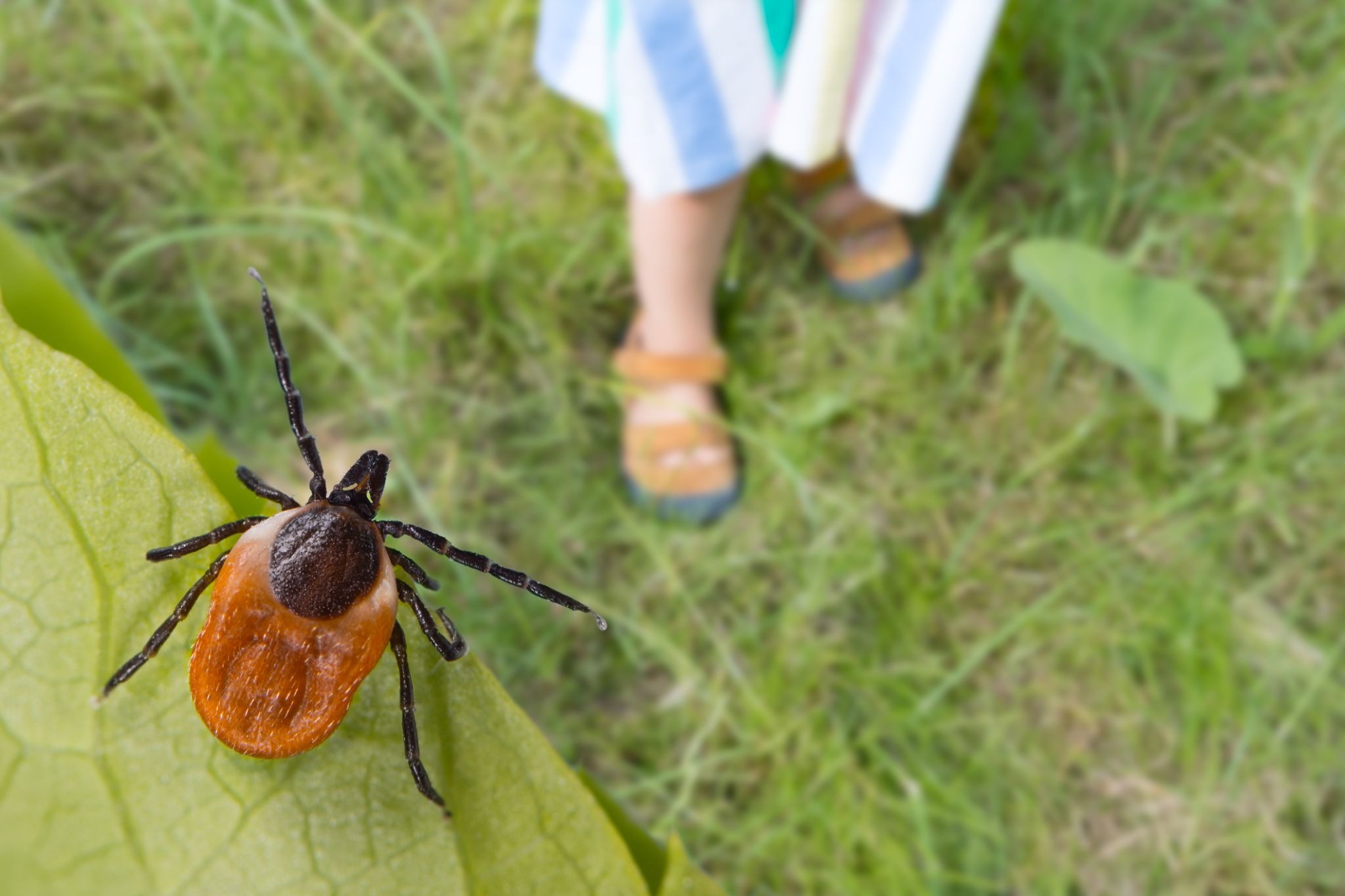
Mosquitoes get the most attention, and for good reason, but they’re only part of the spring story. Fire ants become more active as soil temperatures rise. Termite swarms can begin in spring, which is often when homeowners first realize they may have a structural issue. Ticks also become more active in warmer weather, particularly in overgrown areas and along wooded edges. Roaches, spiders, and other nuisance pests start pressing closer to homes as food, water, and shelter become easier to find.
The University of Georgia Cooperative Extension notes that Georgia homeowners deal with a wide range of pests in and around the home, including ants, termites, and other species that affect both safety and property conditions. That local expertise matters because Georgia pest pressure is not generic. It has its own rhythm, and successful treatment depends on understanding it. (UGA Cooperative Extension)
It’s Not Just About Mosquitoes
Mosquitoes are the pest that ruins the evening first. They turn patios, porches, and backyards into places people avoid. Standing water in flowerpot trays, clogged gutters, toys, tarps, birdbaths, and low spots in the yard can create breeding areas faster than many homeowners realize. Once they get established, enjoying the yard becomes a negotiation.
Still, Georgia homeowners should think bigger than bites. Fire ants can turn a lawn into hostile territory, especially for children and pets. Ticks create a different kind of concern because they don’t announce themselves right away. They hide in brush, tall grass, and transition areas where lawns meet wooded space. Termites bring the highest financial stakes of the group. Unlike mosquitoes or ants, they can stay hidden while causing damage behind walls, under floors, or around structural wood.
That’s why spring pest control works best when it’s broad minded. A serious provider should look at breeding conditions, nesting opportunities, entry points, moisture issues, and the overall pressure around the property rather than treating one visible symptom and calling it done.
The Advantage of Getting Ahead Early
The smartest spring pest strategy is preventive, not reactive. Once pest activity becomes obvious, the population is often already established. Early treatment gives professionals a chance to reduce conditions that invite pests before the season gets fully underway.
For mosquitoes, that may mean identifying water sources and building a treatment plan around the yard’s problem areas. For ants, it often means targeting colonies before activity spreads closer to outdoor living spaces or into the house. For termites, spring is an important inspection window because swarming can reveal activity that was easy to miss during colder months. For ticks, habitat management and perimeter attention matter more than many homeowners realize.
Georgia’s Department of Public Health warns that several mosquito borne viruses circulate in the state each year and identifies West Nile virus as the most common non travel associated mosquito borne virus reported in Georgia. That’s one reason early mosquito control matters. This isn’t only about comfort. In some cases, it’s also about reducing health risk around the home. (Georgia Department of Public Health)

What Good Pest Control Should Actually Do
A strong spring pest plan should feel customized to the property. Every yard has its own pressure points. One home may back up to trees and struggle with ticks and mosquitoes. Another may battle fire ants in open sunny lawn areas. Another may need a sharper focus on termite monitoring because of moisture conditions, landscaping, or prior activity.
Good pest control should include inspection, not just spraying. It should address where pests live, how they’re getting close to the home, and what environmental conditions are helping them thrive. It should also come with practical homeowner guidance. That may include trimming overgrowth, reducing standing water, correcting drainage, moving wood away from the foundation, or adjusting how mulch and debris are managed.
When a provider explains the why behind the treatment plan, that’s a good sign. Pest control works best when the service and the homeowner are solving the same problem together.
Make Your Yard Feel Like Yours Again
Spring should open up your outdoor space, not hand it over to pests. Georgia homeowners deal with a long pest season, and the earlier you act, the more control you keep over the outcome.
If you want to enjoy your yard before pests settle in for the season, now’s the time to move. Visit TrustDALE.com to find a trusted pest control professional who can help protect your home, your yard, and the way you live outside this spring.