

A soft corner of trim may look harmless at first, the kind of small blemish homeowners promise themselves they’ll deal with after the next busy weekend. Exterior wood rot rarely announces itself with a grand collapse. More often, it moves quietly behind paint, under caulk, along joints, and through damp pockets where the surface still looks almost respectable.
In this blog, you’ll learn why exterior wood rot can spread before you notice it, where it tends to hide, and why a small repair can turn into a larger project when moisture keeps feeding the damage. You’ll also learn when a homeowner can handle a minor fix and when it’s smarter to bring in a professional before the rot wanders deeper into siding, trim, decking, or framing.
The Quiet Chemistry of a Soft Spot
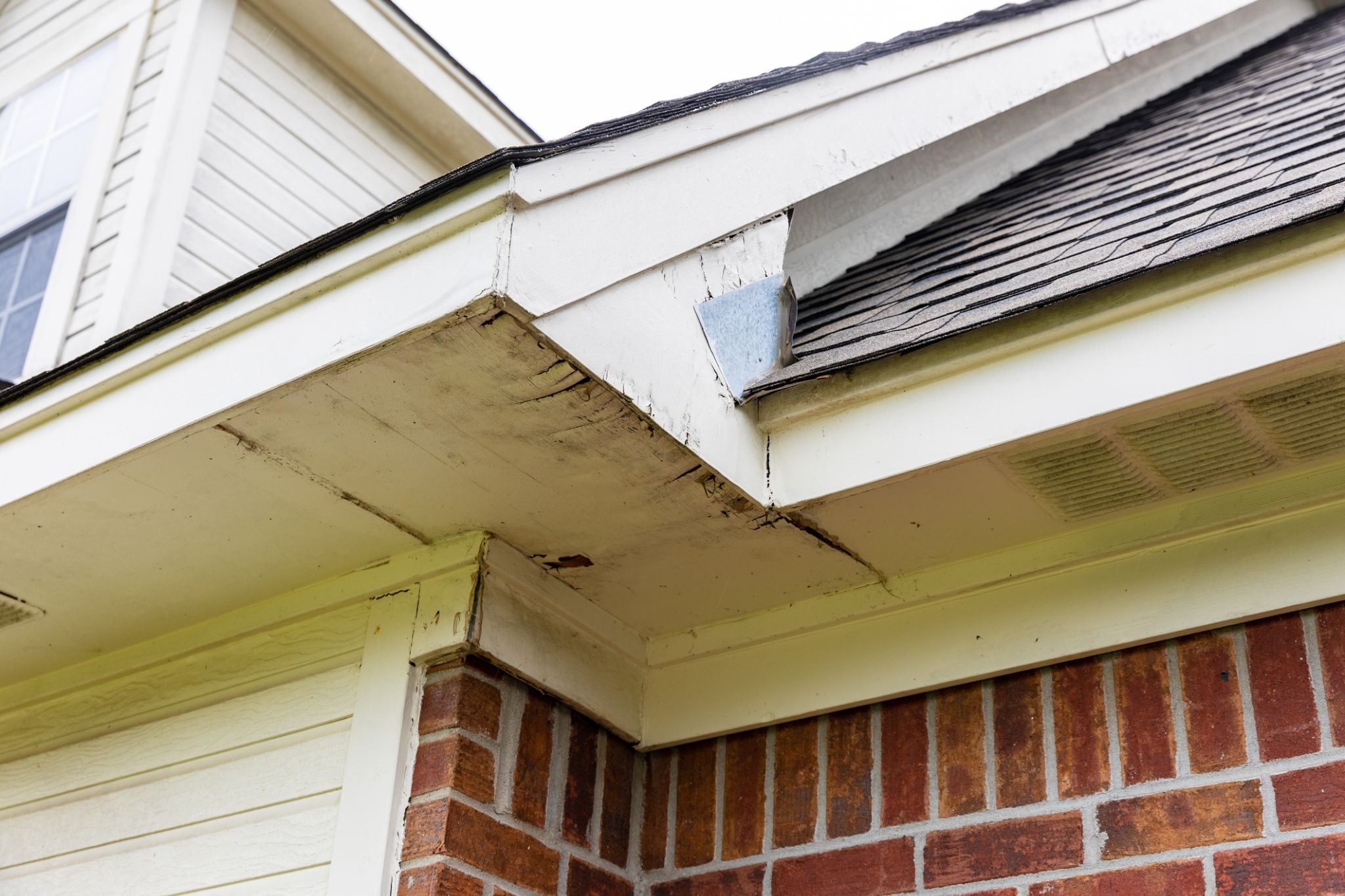
Wood rot begins with a simple invitation: moisture that stays too long. The USDA Forest Products Laboratory explains that decay is caused largely by fungi, and fungal growth depends on mild temperatures, moisture, oxygen, and wood as a food source. That’s why exterior rot loves shaded trim, leaky gutters, open end grain, cracked paint, and places where water can sit instead of drying quickly.
The tricky part is that rot often travels through the path of least resistance. Paint may keep the face of a board looking intact while the backside softens. A window sill may show one darkened corner while the joint underneath has already absorbed water. Fascia near a gutter can look merely weathered from the ground, while the upper edge hidden behind the gutter has begun to crumble. By the time your finger sinks into the wood, the rot may have been working for months.
Paint Can Hide a Small Swamp
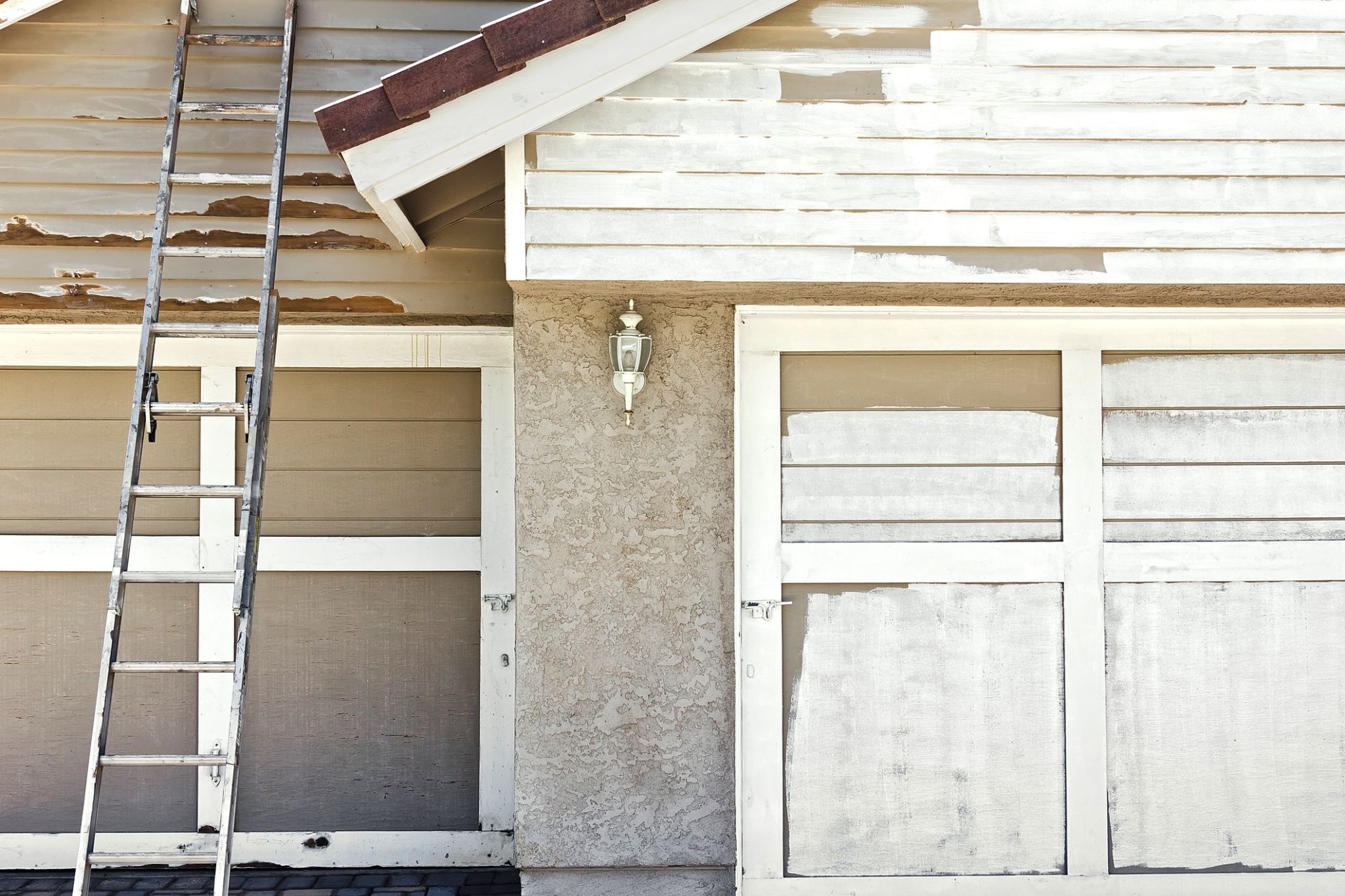
Fresh paint can make a home look protected, but paint over damp or damaged wood can act like a lid on a pot. Once water gets behind the coating through a crack, nail hole, failed caulk seam, or exposed end cut, the surface may dry faster than the wood beneath it. That trapped moisture gives decay organisms the steady conditions they need.
This is why bubbling paint, rippled siding, brown staining, or a seam that keeps reopening should be treated as clues rather than cosmetic annoyances. Exterior wood is always negotiating with rain, humidity, sprinklers, roof runoff, and shade. When one part of that system stops shedding water properly, the damage can begin in one board and then move into neighboring pieces through joints, fasteners, or shared contact points.
Where Rot Likes to Travel
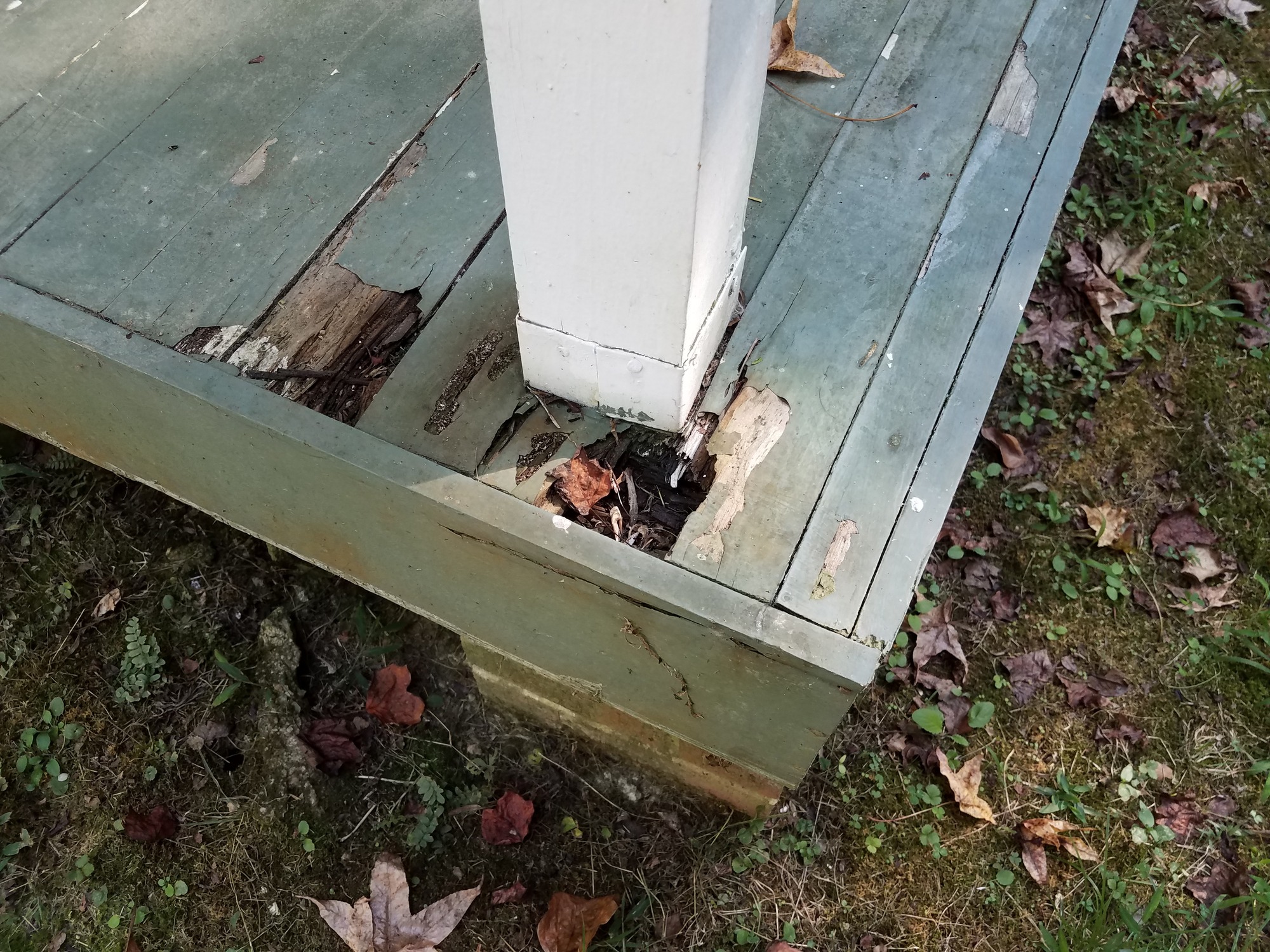
Rot usually spreads around places where water changes direction. Look closely at the bottom edges of door frames, window trim, deck posts, porch columns, fascia boards, soffits, corner boards, and siding near rooflines. These areas collect water, receive splashback, or depend on sealants that eventually age.
The EPA’s moisture control guidance for buildings emphasizes controlling water movement across site drainage, foundations, walls, roof and ceiling assemblies, plumbing systems, HVAC systems, and maintenance practices. That matters for exterior wood because rot is rarely a single board problem. It often points to a moisture route somewhere nearby, such as a gutter spilling behind fascia, a downspout draining too close to the wall, flashing that’s missing, or landscaping that keeps siding damp.
The DIY Line Is Smaller Than It Looks
A homeowner may be able to handle a small, surface level repair when the damaged area is dry, limited, and easy to access. That kind of repair usually involves removing the softened material, letting the area dry, using the right filler or replacement piece, sealing exposed end grain, caulking properly, and repainting with careful prep. The repair should also include fixing the moisture source, because patching rot without solving the water problem is a little like mopping under a dripping sink while admiring your technique.
A professional should step in when rot appears around structural areas, spreads across multiple boards, returns after prior repairs, sits near windows or doors, affects decking or railings, or appears close to rooflines. Pros can trace the moisture path, remove damaged material cleanly, check whether framing is involved, and replace exterior components so water moves away from the home instead of into it. That judgment matters because the visible rotten area is often the last page of the story, not the first.
Small Clues Worth Taking Seriously
Walk the exterior of your home after a heavy rain and again on a dry day. Wood that stays damp longer than surrounding areas deserves attention. Press gently around trim corners and lower edges with a gloved hand, looking for softness, flaking, staining, swelling, or seams that have pulled apart. Keep an eye on gutters that overflow, sprinklers that hit siding, vines that trap moisture, and mulch piled against wood.
The goal isn’t to become suspicious of every weathered board. It’s to notice patterns. If one window always has peeling paint on the same corner, something is guiding water there. If a porch column feels soft near the base, water may be wicking upward. If fascia rot appears below a gutter joint, the gutter may be part of the repair.
Get the Rot Stopped Before It Wanders
Exterior wood rot rewards delay. Once moisture finds a repeat path, the damage can move beyond trim and into areas that cost more to open, repair, and refinish. A careful inspection and timely repair can protect curb appeal, preserve the home’s exterior shell, and prevent a minor soft spot from becoming a bigger carpentry project.
For homeowners who want the problem handled correctly, TrustDALE can connect you with vetted home repair and exterior service professionals who know how to find the moisture source, remove damaged wood, and restore the area with long term protection in mind. Getting a quote early gives you a clearer picture of the damage before rot gets another season to spread.