

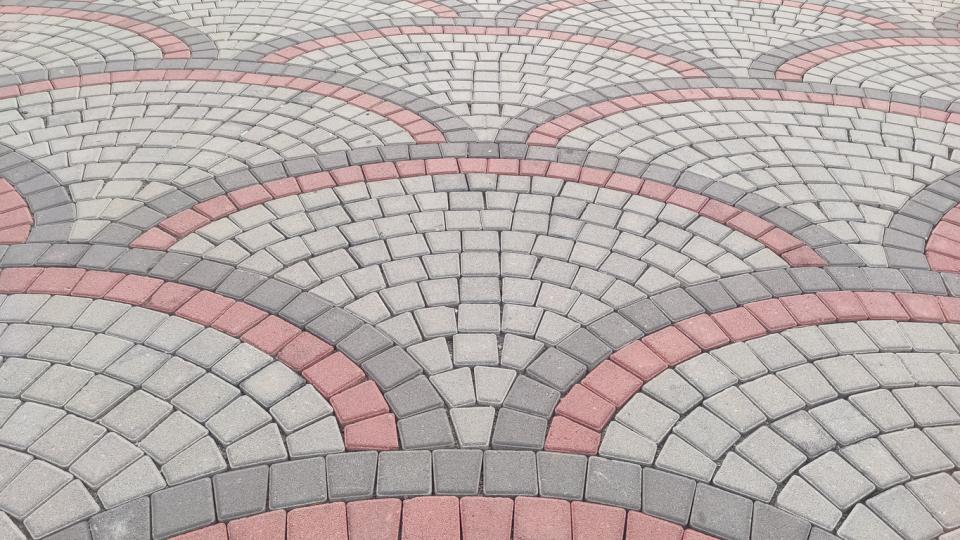
Step into most backyards and you’ll see it right away. A patio that looks finished but feels forgotten. The furniture sits untouched, the layout feels slightly off, and the space never quite pulls you in the way it should. It exists, but it doesn’t live.
In this blog, you’ll learn what separates a patio that gets occasional use from one that becomes part of your daily routine. We’ll walk through how design choices, materials like patio pavers, and thoughtful planning shape a space that feels natural to spend time in, not forced.
Where Good Patios Go Quiet
A patio doesn’t get ignored by accident. It usually comes down to how the space fits into everyday life. If it feels disconnected from the house, too exposed to the elements, or awkward to move through, people instinctively avoid it.
Sometimes the issue is scale. A patio that’s too small limits how it can be used, while one that stretches too wide can feel empty and uninviting. Other times, it’s placement. If you have to walk across uneven ground or navigate around obstacles just to reach it, that small inconvenience adds up.
Then there’s the subtle parts: the way sunlight hits the space during the day, whether there’s a natural place to sit or gather, whether it feels like an extension of the home or something separate. Those details shape how often the space gets used.
Designing Around Real Life
The most successful patios don’t start with aesthetics, they start with habits. Think about when you’re most likely to use the space – morning coffee, weekend evenings, casual dinners, or time with family.
That rhythm influences everything. Shade becomes essential if the sun is strongest in the afternoon. Lighting matters more if the space comes alive after dark. Seating arrangements shift depending on whether the goal is conversation or relaxation.
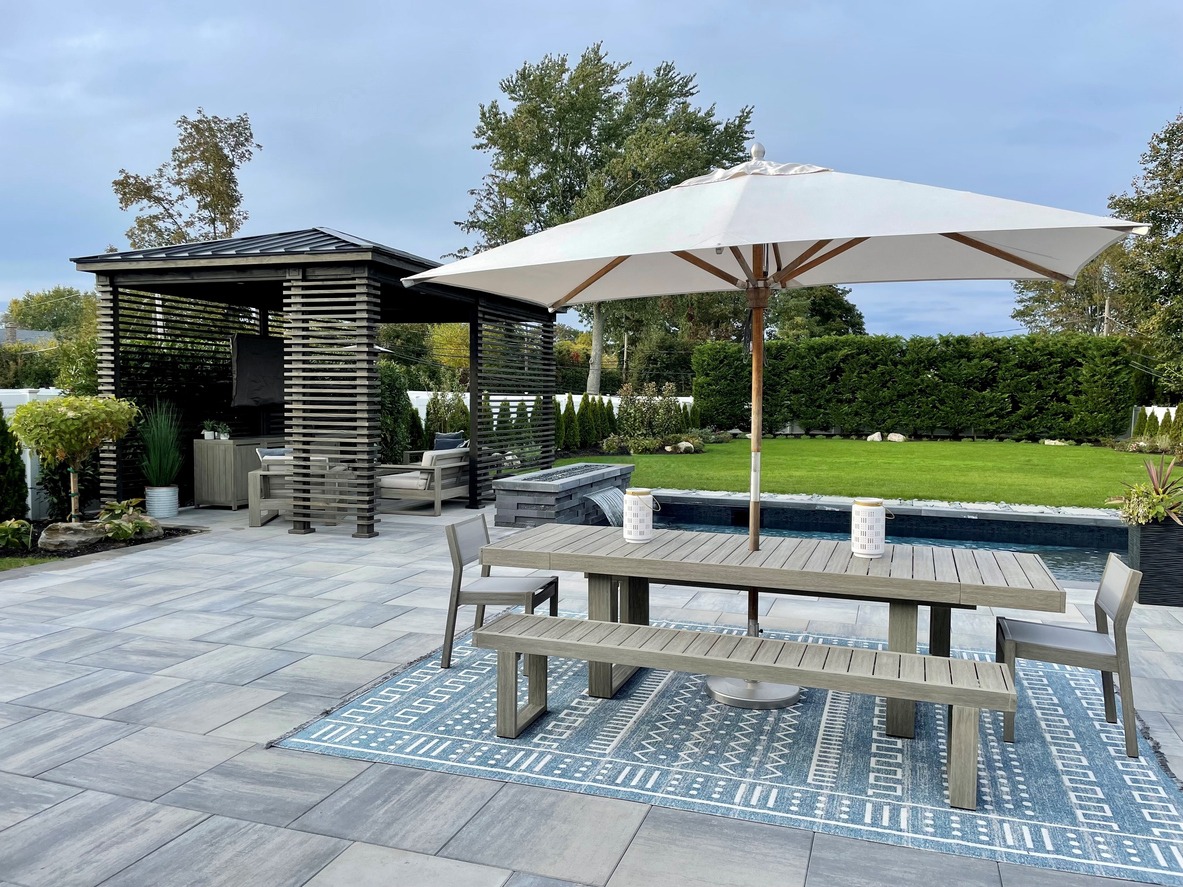
Layout plays a bigger role than most people expect. A patio that gently guides movement, with clear areas for sitting, walking, and gathering, feels effortless to use. You’re not thinking about where to go or how to arrange things. It just works.
This is where patio pavers start to stand out. They allow for flexibility in shape and flow, creating spaces that feel intentional without looking rigid. Instead of forcing a square or rectangle into the yard, the design can respond to how you actually move through the space.
Why Patio Pavers Change the Experience
Material choice isn’t just about appearance. It changes how the patio feels underfoot, how it holds up over time, and how adaptable the design can be.
Patio pavers bring a level of control that poured concrete can’t match. Individual units allow for curves, patterns, and subtle transitions that soften the space. If part of the patio ever needs repair, sections can be adjusted without tearing everything out.
There’s also a practical side. Pavers tend to handle shifting ground better, which matters in areas where weather and soil conditions fluctuate throughout the year. According to the Interlocking Concrete Pavement Institute, properly installed paver systems can flex with minor ground movement, reducing the risk of cracking over time.
That durability blends into the everyday experience. You’re not worrying about damage or maintenance. The space stays consistent, which makes it easier to use without hesitation.
The Details That Keep You There
A patio that gets used longer isn’t built around one feature. It’s the layering of small decisions that make staying outside feel natural.
Comfort leads the way. Seating that invites you to settle in, not just pass through. Surfaces that stay cool enough underfoot. A sense of enclosure that offers privacy without closing the space off.
Then there’s atmosphere. Lighting that softens the space in the evening, subtle elevation changes that create visual interest, and transitions that connect the patio to the rest of the yard.
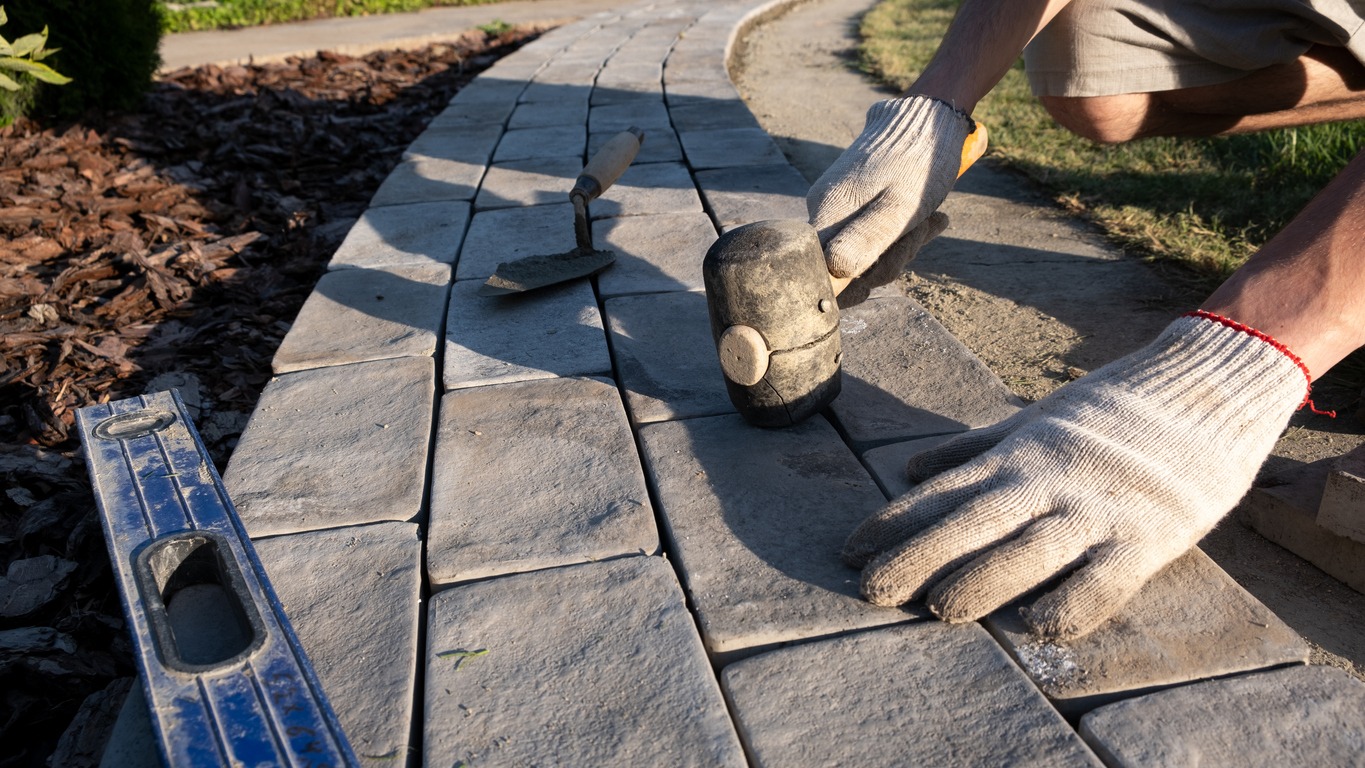
Even the edges matter. Clean, well-defined borders using pavers or complementary materials help the space feel complete. Without that definition, a patio can feel like it fades into the yard rather than standing as a destination.
Why Professional Design Makes the Difference
It’s easy to underestimate how many moving parts go into a patio that truly works. Grading, drainage, base preparation, and layout precision all play a role long before the first paver is set in place.
That’s where a company like Clear Creek Landscaping brings real value. Their approach goes beyond installation. They look at how the space connects to your home, how it will be used across different seasons, and how materials like patio pavers can be arranged to support both durability and design.
A well-built patio looks clean on day one, and it also holds its shape, drains properly, and continues to feel intentional years down the line. That kind of consistency is what turns a backyard feature into a space you actually rely on.
Make Your Backyard Worth Stepping Into
A patio should feel like an open invitation. Not something you have to think about using, but something you naturally drift toward at the end of the day.
If your current space feels underused or you’re starting from scratch, it’s worth getting the design right from the beginning. Clear Creek Landscaping can help you create a patio with pavers that fits how you live, not just how it looks.
Explore your options, ask the right questions, and take the next step toward a backyard that finally feels complete.