

A roof repair always comes with the expectation that once it’s done, the problem is behind you. No more buckets in the attic, no more checking the ceiling after every storm. Just a fix that holds and a home that feels secure again.
In reality, not every repair earns that kind of confidence. Some hold for years without a second thought, while others start slipping almost as soon as the next round of weather rolls through. In this blog, you’ll learn how long a roof repair should realistically last, what separates a temporary patch from a durable solution, and how to tell if the work you’re paying for will actually stand up over time.
The Difference Between a Patch and a Real Repair
Not all roof repairs are built with the same intention. Some are designed to stop a problem quickly, especially when weather or timing limits what can be done. Others are meant to correct the underlying issue so it doesn’t come back.
A quick patch often focuses on the visible symptom. A leak gets sealed, a shingle gets replaced, flashing gets covered. It can look clean from the outside, but the surrounding materials or structural concerns may still be compromised. That’s where short lifespans usually begin.
A lasting repair tends to go deeper. It addresses moisture intrusion, checks the integrity of nearby materials, and ensures that everything around the damaged area supports the fix. That added attention usually translates into a repair that blends into the roof rather than standing out as a weak point.
What a Reasonable Lifespan Looks Like
The lifespan of a roof repair depends heavily on the type of issue and how it was handled. A properly completed repair on an asphalt shingle roof can often last anywhere from five to ten years, sometimes longer when conditions are favorable and the surrounding roof is still in good shape.
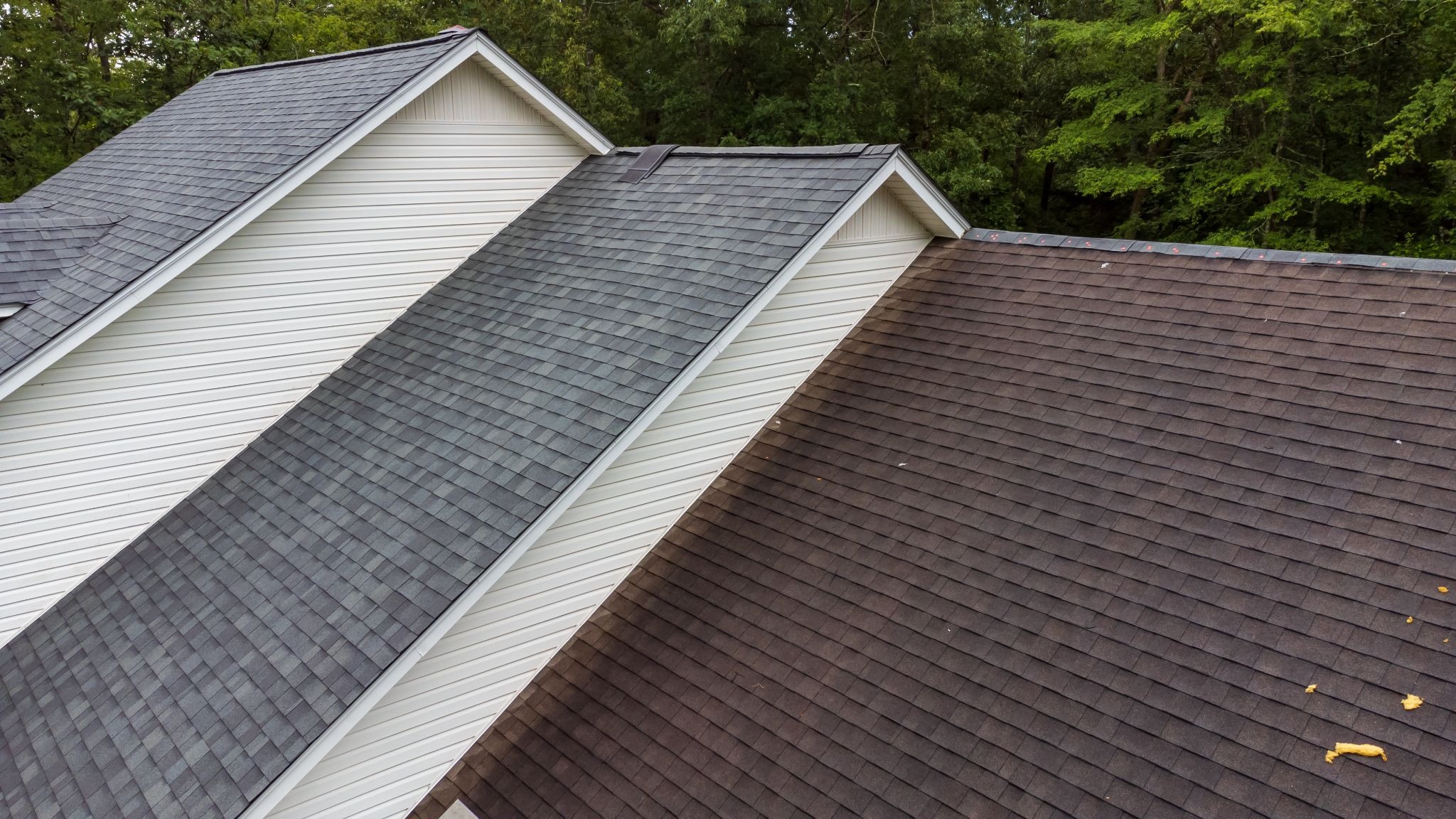
Shorter lifespans tend to point back to incomplete work. If a repair lasts only a season or two, something beneath the surface was likely missed or underestimated. Weather exposure, poor material matching, or rushed workmanship can all shorten how long that fix holds.
It’s also worth considering the age of the roof itself. A repair made on a newer roof has a better chance of lasting because the surrounding materials still have life left in them. On an older roof, even a well-executed repair may serve more as a temporary extension rather than a long-term solution.
Subtle Signs a Repair Might Not Hold
Most failing repairs don’t announce themselves right away. They tend to leave small clues before turning into a full problem again.
Keep an eye out for these early signals:
- Slight discoloration or new staining near the original repair area
- Shingles that don’t quite sit flush with the rest of the roof
- Granule loss collecting in gutters shortly after the repair
- Flashing that looks lifted or uneven
These details often show up before a leak returns. Catching them early can save you from repeating the same repair cycle over and over.
When DIY Efforts Fall Short
There’s a certain appeal to handling a roof repair yourself. For minor issues, it can seem straightforward enough to replace a shingle or seal a small gap. Sometimes that works, especially when the damage is isolated and easy to reach.
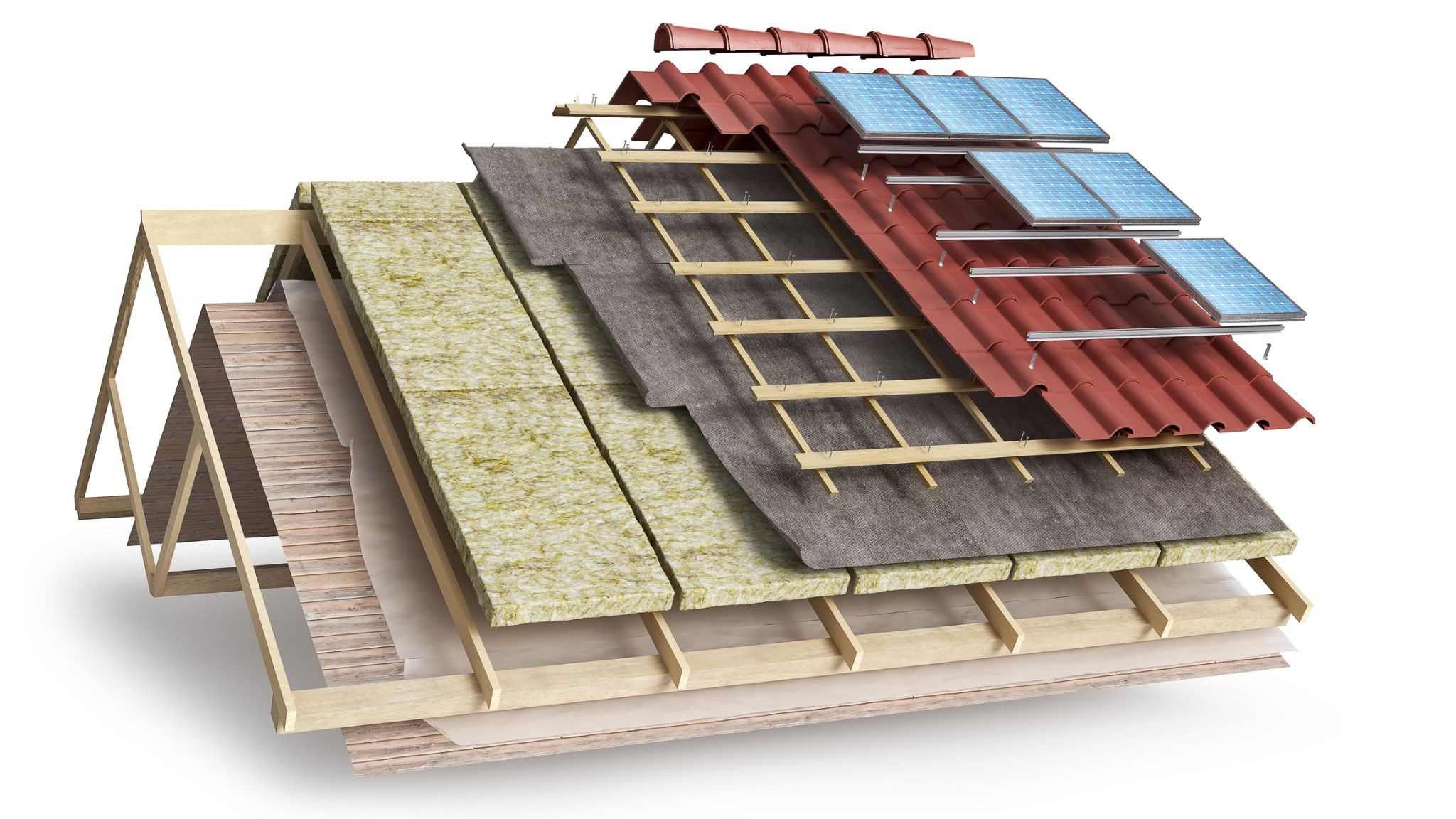
The challenge comes from what isn’t visible. Roof systems are layered, and water doesn’t always travel in predictable paths. A repair that looks complete from the surface can still leave space for moisture to work its way underneath.
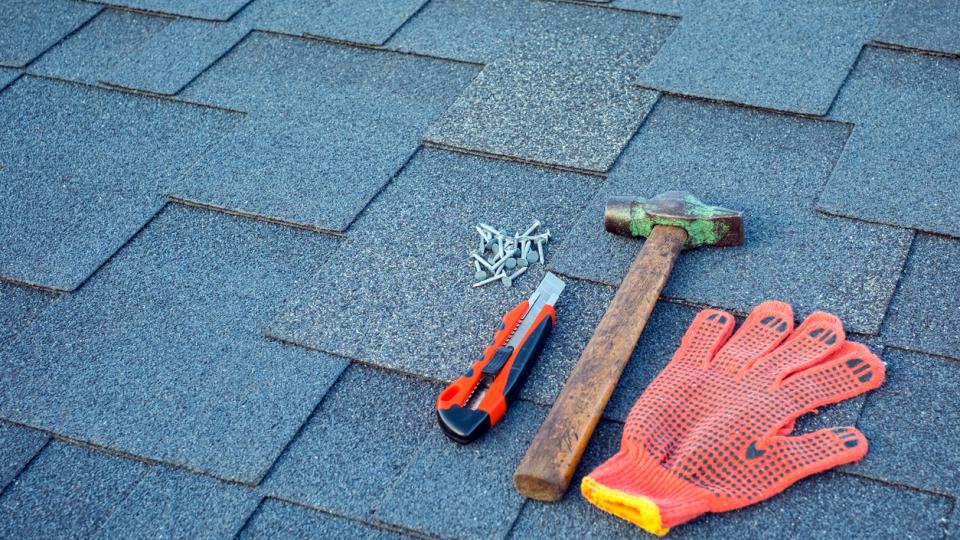
Safety plays a role here too. Roof work carries risk, particularly on steeper pitches or aging materials. What starts as a simple fix can quickly turn into a situation that requires more than just basic tools and a free afternoon.
Why Professional Repairs Tend to Last Longer
A professional approach usually involves more than just fixing what’s obvious. There’s a process behind it that includes evaluating how the damage started, checking surrounding areas, and using materials that match the existing roof as closely as possible.
Experienced contractors also understand how different roofing systems behave over time. That knowledge helps them avoid quick fixes that might look fine today but fail under seasonal stress.
If you’re aiming for a repair that blends in and holds up, that level of detail makes a difference. It shifts the outcome from something temporary to something you don’t have to think about again for a while.
Make the Repair Count
A roof repair should feel like a resolution, not a placeholder. If you’re unsure whether a recent fix will last or you’re dealing with an issue that keeps coming back, it’s worth getting a second look from a trusted professional.
TrustDALE connects you with vetted roofing experts who focus on doing the job right the first time. Get a quote, ask the right questions, and make sure the next repair is one you won’t have to revisit anytime soon.