

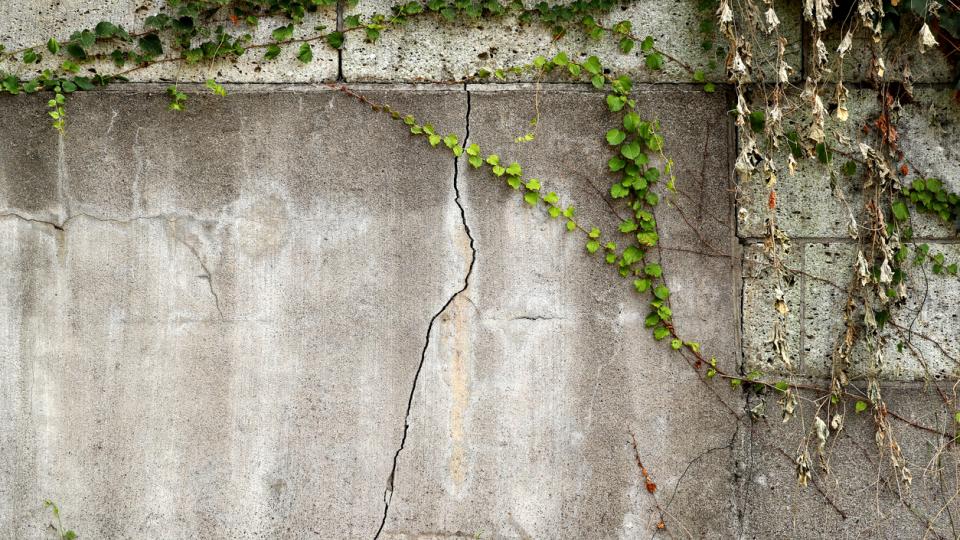
A retaining wall usually blends into the background. It holds soil in place, manages elevation, and keeps your yard usable. You don’t think much about it until a small crack shows up, or the wall starts leaning, or when water begins pooling where it shouldn’t.
In this blog, you’ll learn what causes retaining wall problems, the warning signs that often show up early, how quickly those issues can escalate, and when it makes sense to bring in a professional like Clear Creek Landscaping to get the situation under control.
Why Retaining Walls Start to Fail
Most retaining wall problems trace back to pressure and water. Soil expands and contracts with moisture. Rainwater builds up behind the wall. Over time, that pressure pushes outward.
Drainage plays a major role here. When water has nowhere to go, it adds weight and force against the structure. Without proper drainage systems like gravel backfill or weep holes, even a well built wall is eventually going to struggle.
Construction quality matters just as much. A wall built without the right base, reinforcement, or materials won’t hold up long term. The ground underneath can shift, especially in areas with heavy rain or clay soil, which puts even more stress on the wall.
The Warning Signs You Shouldn’t Ignore
Retaining walls rarely fail overnight. They give off signals early, but those signs are easy to brush off.
Cracks along the surface often show up first. These can start small but tend to grow as pressure increases. A slight lean is another red flag. Even a small tilt can indicate movement behind the wall.
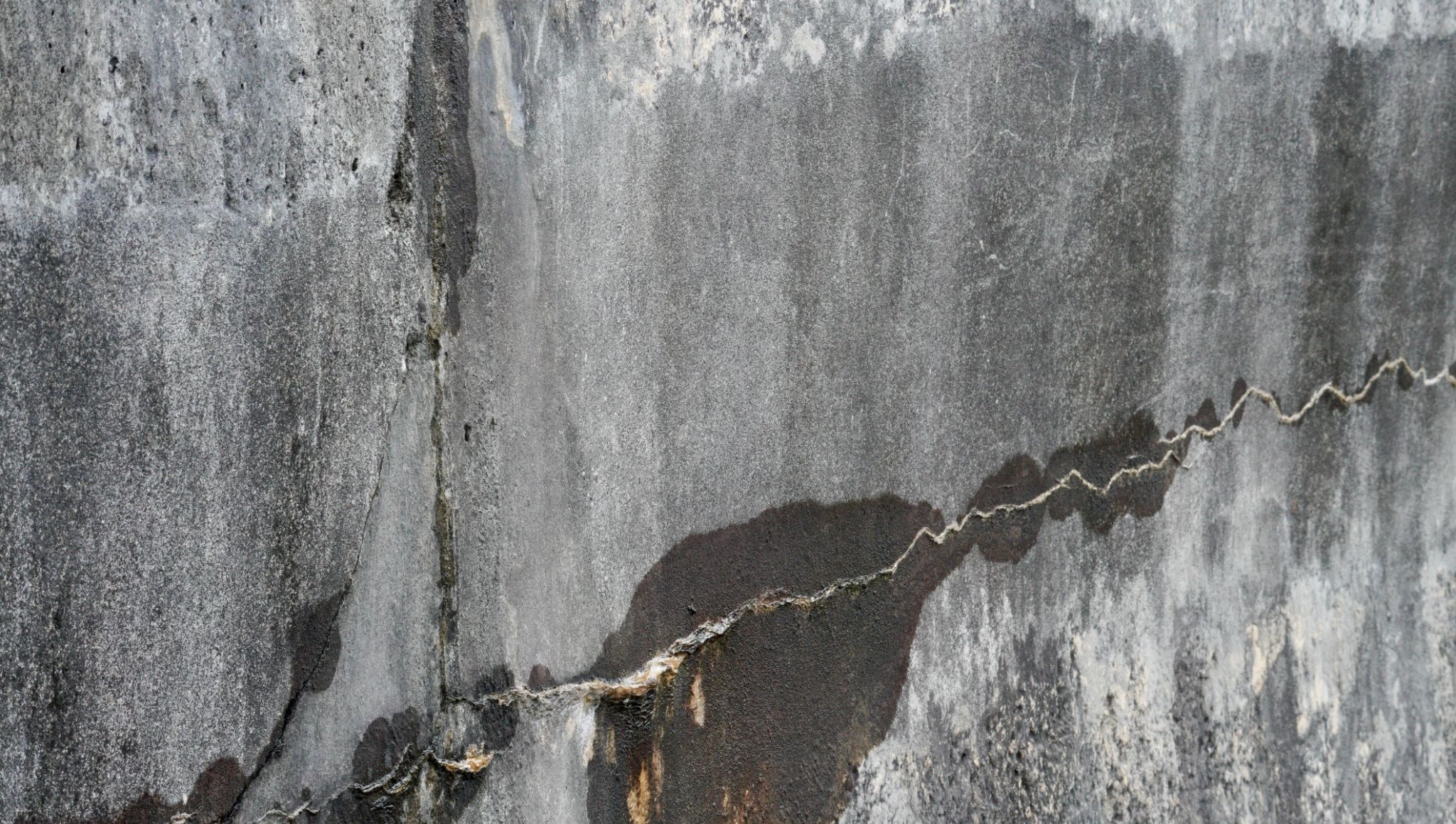
You may also notice bulging sections, loose stones or blocks, or water pooling near the base. In some cases, soil starts spilling over the top or washing out from behind the structure.
These issues point to underlying problems that won’t resolve on their own. The longer they sit, the more complicated and expensive the repair becomes.
How Small Issues Turn Into Big Repairs
A minor crack today can turn into structural failure down the line. Once a wall begins to shift, the pressure behind it doesn’t ease up. It continues to build.
Water intrusion accelerates the process. Saturated soil adds weight and weakens the wall’s stability. Over time, sections can collapse or separate completely.
According to industry data, drainage failure is one of the leading causes of retaining wall damage, often driving up repair costs due to the need for excavation and rebuilding (https://www.ncma.org). When repairs reach that stage, you’re no longer dealing with a quick fix. You’re looking at reconstruction.
DIY vs Professional: Where It Gets Risky
Some homeowners try to patch cracks or reset a few blocks on their own. That can help cosmetically, but it doesn’t address what’s happening behind the wall.
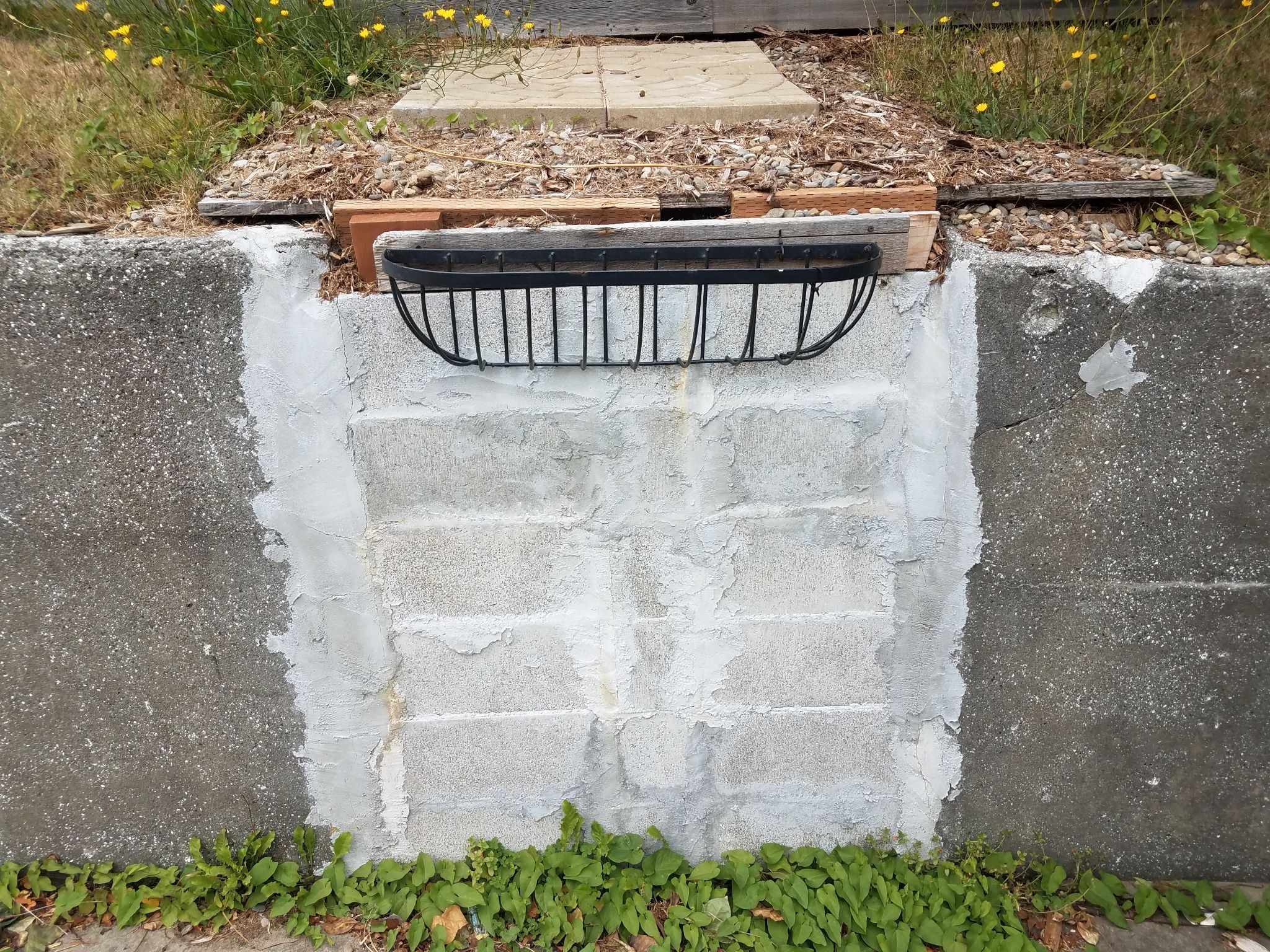
Retaining walls deal with structural forces. Fixing them requires an understanding of grading, drainage, soil conditions, and load-bearing design. Missing one of those factors can lead to repeat failure.
Professional work focuses on solving the root problem. That might include rebuilding the base, improving drainage, or redesigning the wall to better handle pressure. It’s a different level of solution compared to surface fixes.
Why the Right Masonry Work Matters
Retaining walls need to hold up over time under constant pressure from soil and water.
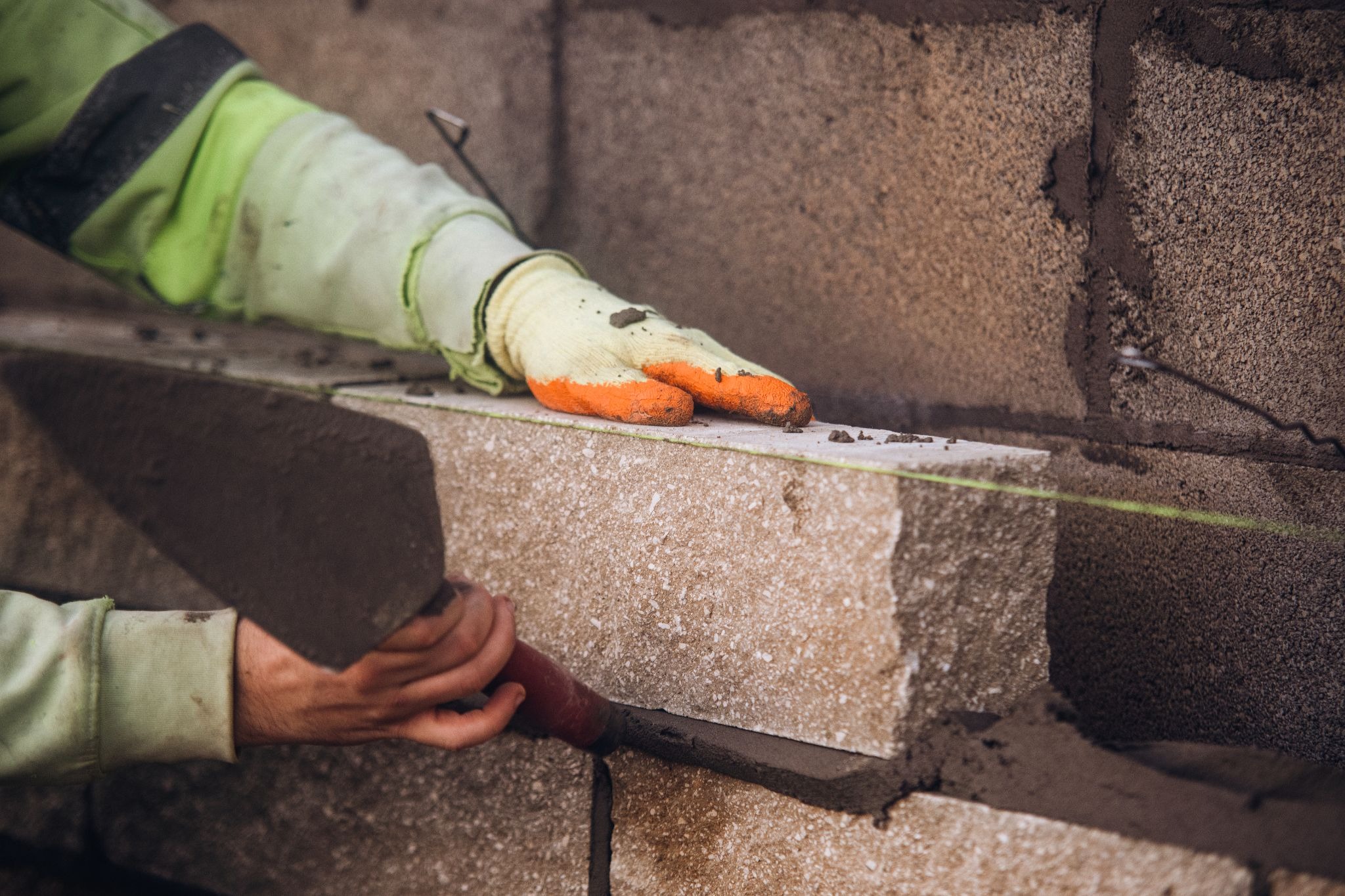
That’s where experienced masonry professionals like Clear Creek Landscaping come in. They focus on building and repairing retaining walls with proper structure, drainage, and materials that match the conditions of your property. Their approach centers on long term performance, not quick fixes.
Homeowners who work with a skilled masonry team tend to see fewer recurring issues because the underlying causes get addressed from the start.
Don’t Wait Until It Collapses
Retaining wall problems don’t stay small. Once you see signs like cracks, leaning, or water buildup, the clock starts ticking.
Taking action early gives you more options and keeps costs manageable. Waiting often leads to larger repairs, more disruption, and higher expense.
If your retaining wall shows signs of stress, it’s worth having it evaluated by a trusted professional. Clear Creek Landscaping offers the kind of expertise homeowners need to stabilize the problem and build a solution that lasts.