

Most people think of tree removal as a loss. That makes sense, considering it’s a pretty sad goodbye to shade, greenery, or sentimental roots. But the thing is, sometimes cutting down the right tree can make your property safer, brighter, and even more valuable. Strategic tree removal isn’t about clearing land recklessly. On the contrary, it’s more about creating balance.
In this post, we’ll explore how removing certain trees can enhance curb appeal, open up outdoor living potential, and even boost your home’s resale value, all while maintaining responsible and sustainable landscaping practices.
When Trees Become More Burden Than Benefit
We all learned in elementary school that trees are essential to a healthy ecosystem. But not all trees belong in the places they root, or grow in a healthy way. Overgrown trees can block natural light, cast heavy shade on lawns, or obscure views that would otherwise make your property feel open and inviting.
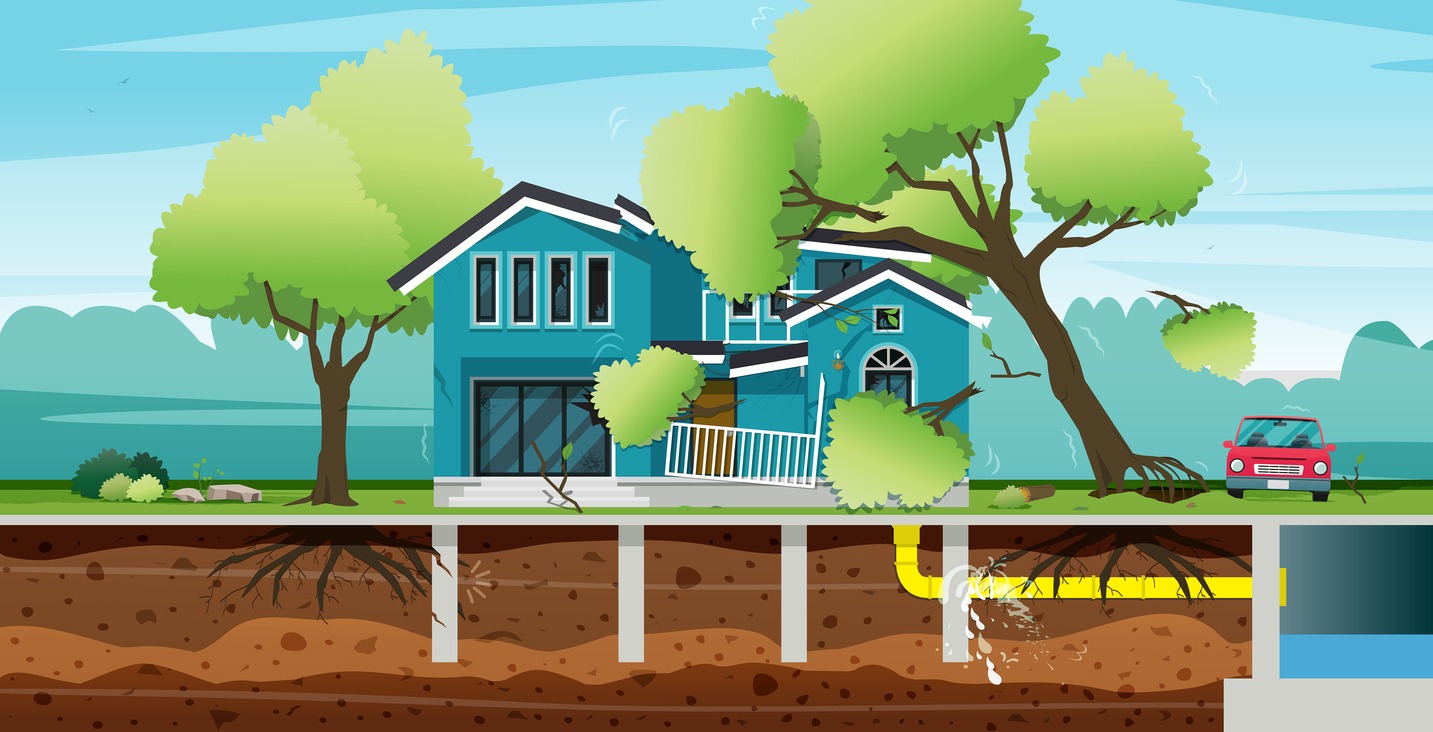
And those roots can wreak havoc underground. Those suckers will force their way through anything, all the while nonchalantly cracking your driveway, shifting your patio, or even damaging your home’s foundations over time. Severe storms often cause trees or large branches to fall, leading to some of the most common types of property damage for homeowners. That’s especially for those trees that are old, overgrown, or positioned close to the house.
And then there are diseased, leaning, or decaying trees. These pose real safety risks, threatening not only property but personal well-being. In these cases, removal isn’t just aesthetic, it’s preventative maintenance.
Letting the Light In
Removing a problematic tree can transform both the inside and outside of your home. More sunlight means greener grass, healthier gardens, and more inviting outdoor spaces. Inside, improved natural light can make rooms feel larger, warmer, and more welcoming. This is a subtle but powerful change that buyers notice immediately.
With more open space and light, homeowners often find new opportunities to create functional outdoor areas. These may include spaces like a patio for entertaining, a vegetable garden, or a landscaped walkway. These enhancements not only elevate day-to-day living but also strengthen curb appeal and perceived property size.
How Strategic Tree Removal Enhances Curb Appeal
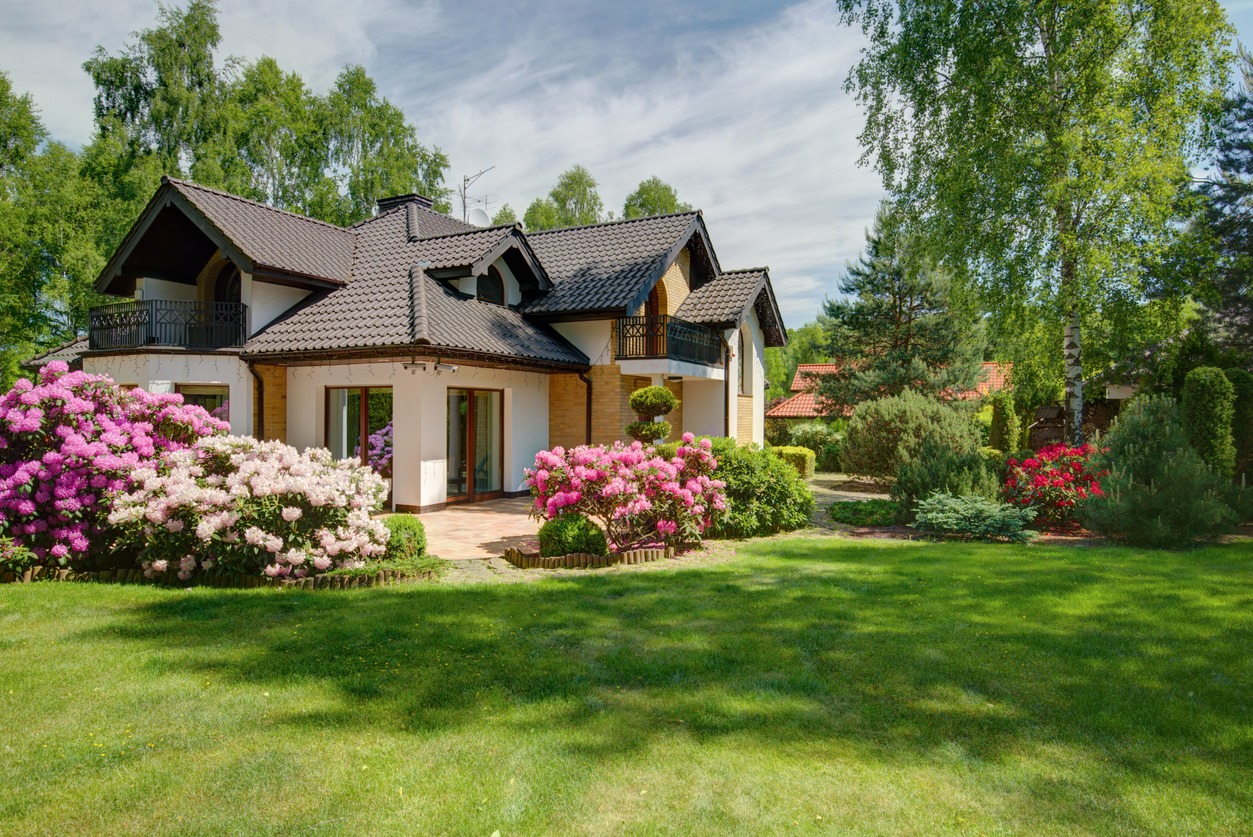
First impressions matter. When it comes to your home, the landscape often sets the tone. Strategic tree removal can highlight architectural details hidden by overgrowth, reveal the full beauty of your home’s façade, and bring symmetry back to a cluttered yard.
An uncluttered, well-proportioned landscape signals care and attention, which translates to higher buyer confidence. Even a modest front yard can look larger and more refined when crowded or misshapen trees are removed or trimmed properly. Real estate experts consistently cite curb appeal as one of the top drivers of property value, and a balanced landscape is at the heart of that equation.
The Long-Term Financial Payoff
Tree removal is about aesthetics and smart financial moves. Fewer trees mean fewer leaves clogging gutters, less debris to rake, and lower maintenance costs over time. Eliminating roots that threaten driveways or plumbing can prevent expensive repairs down the road.
There’s also the benefit of reduced storm risk. A single fallen branch during a strong wind can result in thousands of dollars in damage or even injury. Proactively removing vulnerable trees helps homeowners avoid those emergencies altogether.
Meanwhile, the remaining trees on your property often thrive with less competition for sunlight, nutrients, and water. Not having to fight for resources leads to a healthier, more balanced landscape that appeals to future buyers. Combined, these improvements can subtly but meaningfully increase resale value, especially in markets where well-kept outdoor spaces are a major selling point.
Responsible Tree Removal and Smart Replanting
Of course, tree removal should always be thoughtful, not reactionary. The goal is balance – not bare ground. A certified arborist can assess which trees are safe to remove, which can be saved through pruning, and how to maintain the ecological balance of your property.
Replacing a removed tree with a smaller, well-placed species can preserve shade, improve air quality, and ensure the yard remains vibrant for years to come. Native species, in particular, offer sustainability benefits and typically require less water and maintenance.
In short, responsible tree care means knowing when to remove and what to replace. It’s an investment not just in property value, but in environmental stewardship.
Conclusion: Growth Sometimes Starts with Letting Go
It may seem counterintuitive, but removing a tree can sometimes be the most valuable improvement you make to your property. Whether it’s improving sunlight, showcasing your home’s beauty, or reducing safety risks, the benefits go far beyond what’s visible at first glance.
If you’re unsure whether a tree on your property is helping or hurting your home’s value, consult a certified tree care professional. With expert evaluation, you can make informed choices that keep your home beautiful, safe, and ready to grow in value long after the stump is gone.