

Plugging “just one more thing” into an outlet feels harmless. In reality, overloaded circuits and misused power strips spark thousands of home fires in the United States every year, causing preventable deaths, injuries, and costly damage. In 2023 alone, the U.S. Fire Administration estimated 23,700 residential fires from electrical malfunctions, with 305 deaths, 800 injuries, and roughly 1.5 billion dollars in losses.
In this guide, we’ll explain why outlet overload is dangerous, the red flags to watch for, and the safer choices that protect your home and family.
What makes an overloaded outlet so risky
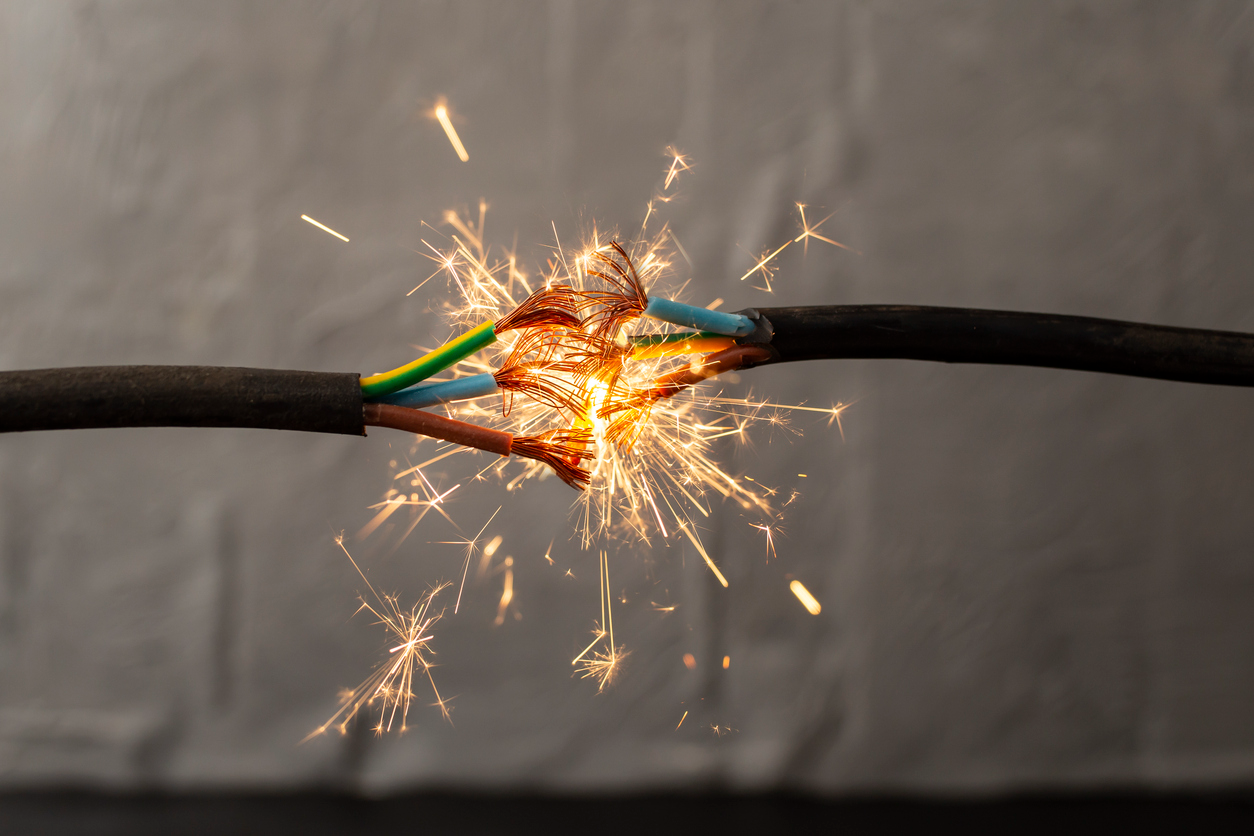
Every circuit is designed to carry only so much current. When too many devices draw power at once, wires, outlets, and cords heat up behind walls and furniture. That hidden heat is what ignites fires. Devices that heat or move air tend to be the worst offenders, including space heaters and many kitchen appliances. CPSC guidance is blunt about space heaters in particular. Always plug them directly into a wall outlet rather than a power strip or extension cord to avoid overloading and fires.
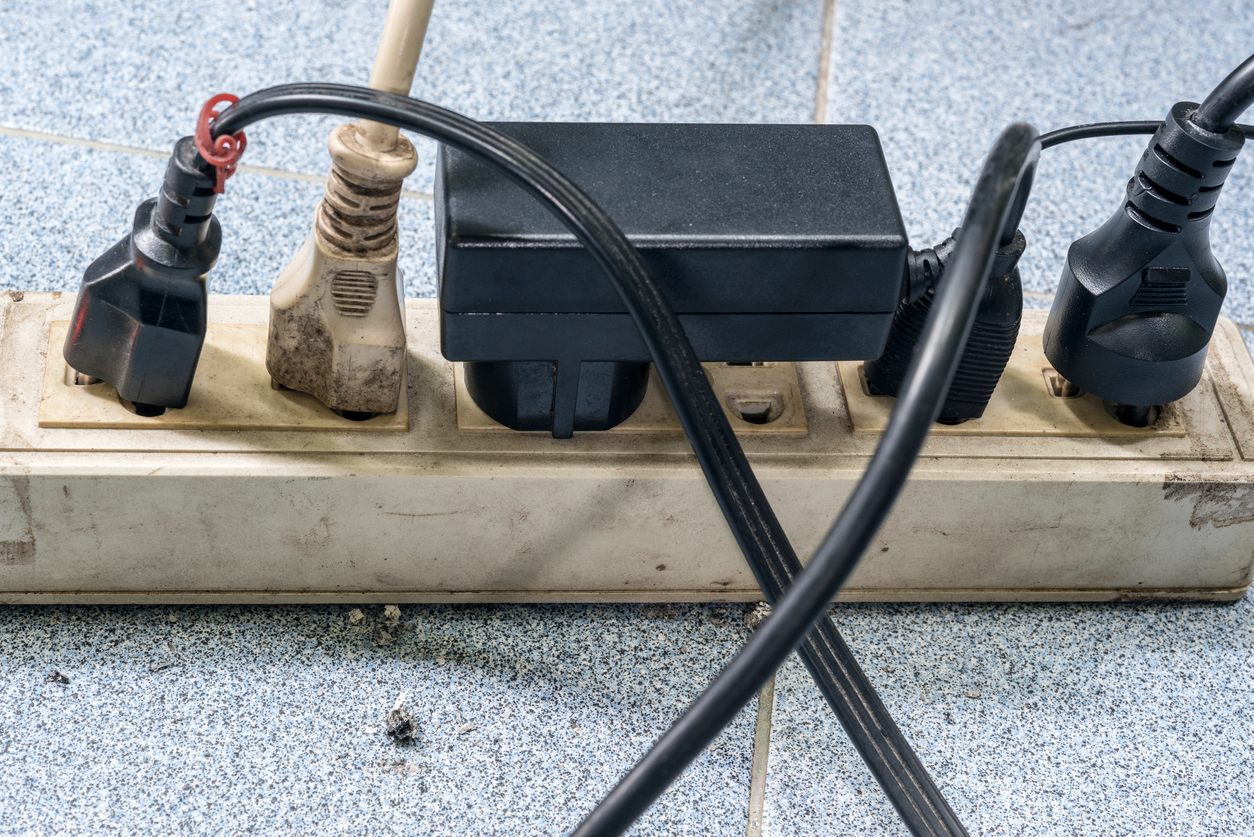
Another misconception is that a power strip “adds” power. It only adds sockets. The total power available is still limited by the circuit and the single receptacle on the wall. Consumer safety guidelines state this plainly and urges homeowners to add new outlets or circuits where demand is high rather than stacking strips.
Daisy-chaining power strips or plugging extension cords into them are especially hazardous. Government safety bulletins note that interconnecting these devices can overload them and violate electrical codes, creating a clear fire risk.
Warning signs your circuit is overloaded
Electrical systems often “tell” you there is trouble. Luckily, there are several warning signs that can prompt action before things get too bad. Look out for:
warm or discolored outlet or switch covers
breakers that trip or fuses that blow repeatedly
lights that flicker or dim when an appliance turns on
buzzing or sizzling sounds coming from outlets of switches
- a burning odor
If you notice any of these, unplug the device or appliance from the wall immediately and have a licensed electrician evaluate the circuit.
Safer alternatives that actually work
Power strips with surge protection can be useful for low-watt electronics like TVs, internet modems, and chargers. They don’t increase how much power your outlet can safely provide though, so never daisy-chain or plug high-watt appliances into these strips.
For portable electric heaters, seriously consider having an electrician install what’s called a dedicated wall circuit in an area surrounded by plenty of open space, away from other objects.
If you routinely need more sockets or keep tripping breakers in one room, the fix is permanent wiring, not more adapters. Ask a licensed electrician about installing additional outlets, adding a new circuit to high-demand areas like home offices and kitchens, or upgrading an older panel. Modern protective devices can dramatically reduce the risk of electrical fires from damaged or stressed wiring.
Quick safety checklist
- Plug high-wattage or heat-producing devices directly into a wall outlet, never into a power strip or extension cord
- Use only one power strip per wall outlet and never connect strips together
- Replace warm, discolored, buzzing, or damaged outlets and cords, and investigate breakers that trip repeatedly
- Add outlets or circuits where you routinely need more power, rather than relying on extension cords
- Consider having an electrician install AFCI or GFCI protected circuits for added fire prevention, especially in older homes
The bottom line
Outlet overload is quiet until it is not. The good news is that most of these hazards are preventable with simple habits and a few strategic upgrades.
If you see the warning signs or if your setup relies on multiple strips and extensions, reduce the load now and bring in a TrustDALE certified electrician to evaluate your system. Safety and peace of mind are worth the call.