

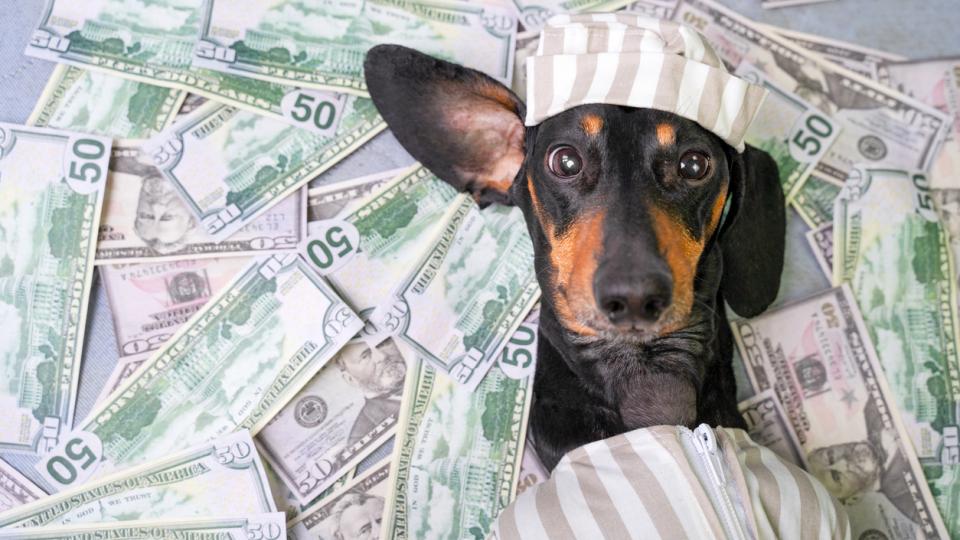
Animal lovers are generous by nature. Show them a sick puppy, a missing cat, or a shelter asking for help, and many people will reach for their wallet before they stop to inspect the story. Scammers know that. They’re counting on the soft spot.
The Federal Trade Commission recently warned consumers about a newer breed of pet scams built around stolen images, fake emergencies, phony donation requests and prize claims.
Some scams lean on old tricks. Others use AI-generated photos, videos, or deepfakes to make the story harder to question. Either way, the goal is the same: get your money or your personal information before you have time to think.
The Emergency Call That Isn’t Real
One of the cruelest versions starts with panic. A scammer contacts you pretending to be law enforcement or an animal hospital, claiming they found your lost pet. They may say your dog was injured, or that your cat needs treatment right now.
The details sound personal because the scammer pulled them from a missing pet flyer, a neighborhood post, or your social media account.
Then the trap tightens. They may send a photo or video that appears to show your pet in distress. The image might be stolen, altered, or generated with AI. Scammers bet that you, a worried pet owner, will act before studying the “evidence” too closely.
Payment method is the smoke alarm here. If someone says treatment or release fees must be paid by gift card, through a payment app, cryptocurrency, or wire transfer, STOP.
You already know logically that a real animal hospital would never demand that kind of payment as the “only option” during a mystery emergency. The best thing to do if you receive a message like this is to ignore it, then call the hospital or agency directly using a number you find yourself.

Fake Rescues With Borrowed Fur
Another scam (one of the worst kinds in my opinion) wraps itself in the kindness of others. The post shows a trembling dog, a kitten with sad eyes, or a shelter story written to hit every emotional nerve. The page itself may look like a real rescue or animal hospital, and the name may even resemble a well known local organization.
Scammers often steal pet photos from real posts. Now, they can take it a step further by creating AI images that never had a real animal behind them. That makes the old test of “does this photo look familiar?” a whole lot less reliable.
At that point, it’s still worth doing a reverse image search. If the same picture appears on unrelated pages, in different cities, or attached to several different pet stories, walk away from the donation request.
If you’ve never used reverse image software before, TinEye is one option. It’s free to use and has been around since forever (well, since 2008, which kind of feels like forever). Another option is good ol’ Google Lens. Neither are foolproof, but they’re both good places to start.
Before donating, visit the organization’s official website on your own. Look for a physical address, board members, registration details, and a donation page that matches the group’s real domain.
Whatever you do, just don’t donate because you received a random social media message or scrolled past a recommended post. Just because the story hurts to read doesn’t always make it true.

The Prize That Costs You Money
Pet lovers who have donated before may also be targeted with fake prize messages. The scammer says you won because of your past support for animals. The organization name may sound official or take the form of an actual animal rescue group.
I’ve seen these kinds of things many times on various social media platforms, but especially Facebook. For example, the official group is Atlanta Humane Society, so the scam group will call itself something like Atlanta Humane Society Official.
See the difference?
The prize itself probably sounds harmless, like a goody bag filled with premium pet supplies, or a $100 pet store gift card, or even a small cash award from a rescue campaign. But then all of a sudden you’re being asked to cover taxes, processing, delivery, or verification fees.
Whatever label they stick on it, the rule stays the same: if you have to pay to collect a prize or sweepstakes winnings, it’s a scam. Real prizes don’t require you to send money first.
The very best advice we can offer here? Don’t give out your banking details, Social Security number, or payment information. Even if it’s meant to “verify” winning a contest you didn’t enter.
Scammers, like manipulative exes, love planting vague memories that sound like they could have happened. Especially when you want to believe that they happened. After all, good things happen to unsuspecting people all the time, right?
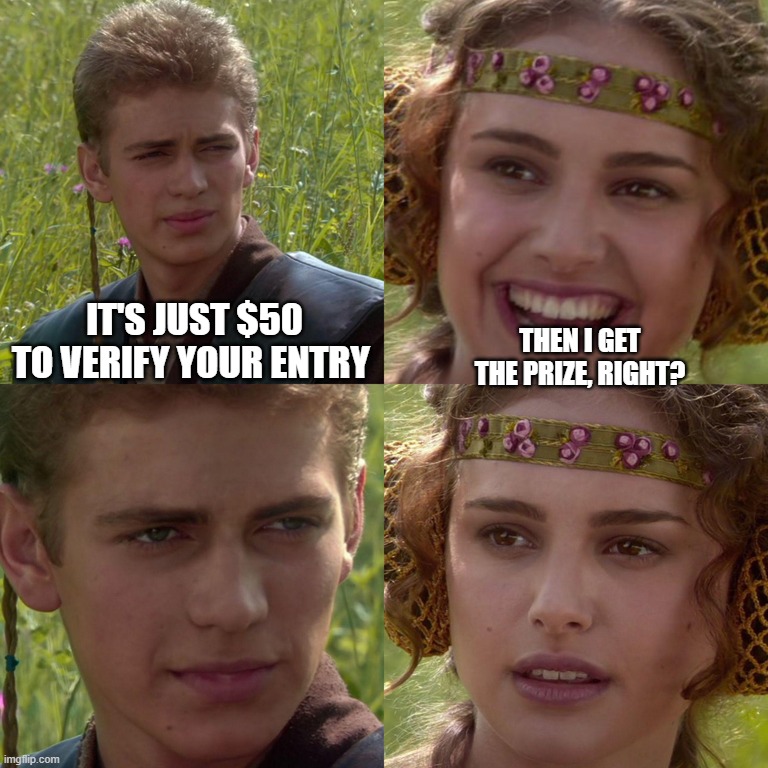
Stick to the narrative you do remember. Your ex was a jerk, and you never entered any contest.
Slow the Story Down
Pet scams work best when your heart gets ahead of your brain. So slow the whole thing down. Call someone you trust, look up the organization separately, search the images. Contact your local shelter, veterinarian, or animal control office directly.
A real rescuer won’t fall apart because you took ten minutes to verify the request. A scammer will push, guilt, threaten, or keep changing the payment instructions.
Trust Your Concern, Then Verify the Claim
Caring about animals will never make you an easy target as long as you’re careful with where your money goes. If you spot a suspicious pet emergency, fake rescue page, or prize claim, report it to the FTC.
And when you’re trying to make safer decisions as a consumer, TrustDALE is here to help you slow down, check the facts, and avoid handing your money to someone who’s only pretending to care.