

A Christmas Eve Thought Homeowners Rarely Have
Imagine Santa on Christmas Eve. His North Pole coat billowing, boots snug, and a hearty ho ho ho! as he surveys rooftops from sky high. Then… down he goes! Your chimney is glowing, the stockings waiting, the hearth ready for magic and warmth. It’s a familiar and comforting scene.
But real chimneys aren’t magic portals (unfortunately). They’re working systems that carry heat and byproducts of combustion safely out of our homes all winter long. A fireplace that looks charming on Christmas Eve can hide dangers beneath the wonder.
In this festive look at chimneys through Santa’s eyes, we’ll talk about what he might notice that most homeowners don’t. Along the way, you’ll learn how to keep your home safe, warm, and siding free of soot all winter.
What Santa Sees When He Looks Down Your Chimney
Picture Santa peering down chimneys across neighborhoods. Some are clear and welcoming, like a fresh snowfall. Others are lined with dark sticky buildup that would make even an elf pause.
In real world terms, that buildup is creosote. It is a byproduct of burning wood, and when it sticks and thickens on chimney walls, it can ignite at high temperatures. Creosote might be invisible until it becomes a hazard, but it’s one of the reasons chimney problems often go unnoticed until they become dangerous. That’s where professional inspection and cleaning can make all the difference.
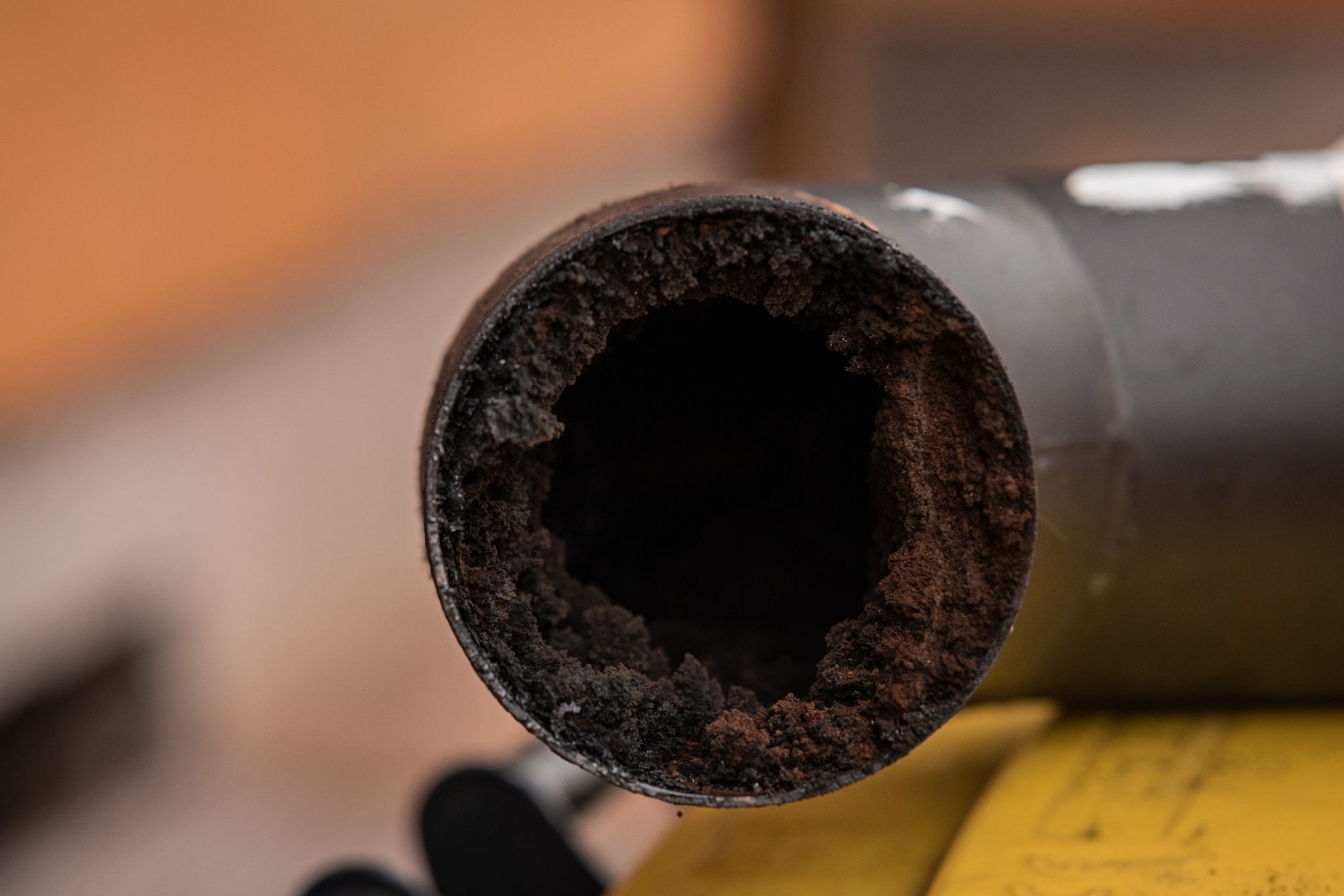
Santa might also see the difference between a properly installed liner and cracked masonry, or between a clear air path and blockages from birds, squirrels, or seasonal debris. These are not just mythical obstacles for a jolly visitor, they also affect how well your chimney actually works.
Why Chimneys Need More Than Holiday Attention
Fireplaces feel seasonal, but chimneys work hard all winter. Once cooler weather settles in, chimneys become daily conduits for heat and air. They remove smoke, carbon monoxide, and combustion byproducts. Without regular care, they also accumulate hazards.
Creosote buildup is a primary concern. When wood burns incompletely, it leaves a residue that sticks to interior chimney walls. Over time, that residue becomes thicker and more flammable. Cracked liners and deteriorated masonry allow heat or dangerous gases to escape into walls or attic spaces. Even a poor draft can send smoke back into the home rather than up and out, ruining comfort and indoor air quality.
Chimney fires are more common than many homeowners realize, especially in homes that skip annual inspections. National fire safety organizations recommend yearly inspections to identify and address hidden issues before they lead to real danger.
Naughty or Nice? Chimney Habits That Make the Difference
Let’s be practical about chimney habits this season. Some behaviors keep your home proudly on the “Nice List,” while others put you right smack dab on the “Naughty List” (at least, in terms of home safety).
Nice list behaviors include scheduling annual chimney inspections and cleanings, burning only seasoned hardwood, installing chimney caps to keep animals and debris out, and maintaining the damper and firebox in good condition. These habits help your chimney work as designed and protect both your home and your family.
Naughty list habits include burning trash, wrapping paper, or softwoods that create excess smoke and buildup; ignoring smoky smells or poor draft; using the fireplace without knowing its condition; and skipping inspections because “hey, it worked last year.”
These choices might feel harmless in the moment, but over time they increase risk.
The Silent Safety Role Chimneys Play
A properly maintained chimney quietly safeguards your home:
-It helps prevent house fires by providing a clear path for heat and combustion byproducts.
-It protects indoor air quality by keeping smoke and gases moving outdoors.
-It supports carbon monoxide safety by ensuring that dangerous fumes do not linger where family members live and breathe.
Chimney maintenance is more about prevention than it should be about fear. A little attention now prevents emergencies later, and it keeps your furnace or fireplace performing efficiently all season long.
A Christmas Gift Your Home Actually Needs
Santa may visit once a year, but your chimney works all winter. Keeping it in good condition is one of the kindest gifts you can give your home and your family.
If you want peace of mind this holiday season, consider professional chimney inspection and cleaning from a TrustDALE certified chimney professional. Certification means verified standards for accountability, workmanship, and safety. Santa may slide down the flue once in December, but a certified chimney expert makes sure that same flue is safe and sound through every cold night that follows.
A well cared for chimney brings warmth and nostalgia, sure. But even more so, it’s your quiet protector of comfort and safety, all winter long.