It just got easier to save thousands of dollars. Seriously.
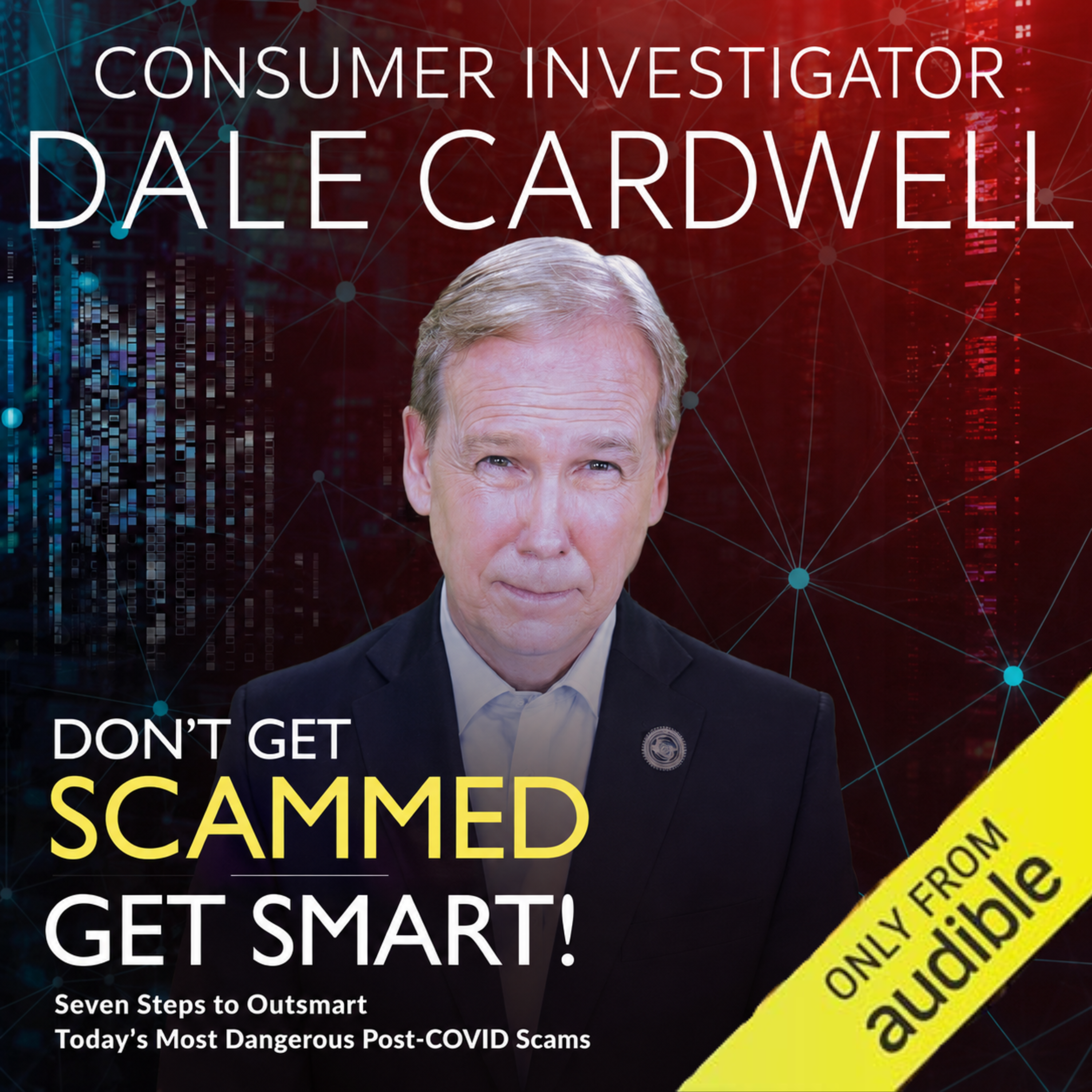
Don't Get Scammed, Get Smart is now available as an audiobook. Now you can learn how to spot a scam on your commute, on a walk or while you're folding laundry.
The truth is, my book and it's audiobook version are both born out of the frustration I felt each time I reported on a scam victim who lost money to bad actors. After more than 40 years of investigating scams, I wanted to reach you before the loss, while you still have time to question an offer, check out a company or walk away.
That's why I wrote Don't Get Scammed, Get Smart: Seven Steps to Outsmart Today's Most Dangerous Post-COVID Scams. It's built around seven simple steps for spotting scams and making smarter decisions with your money, and they all come from patterns I saw over and over again when people called me for help.
On our podcast, Trust Issues, I sat down with senior producer Marnie Zambri to talk about the investigations behind the book and why I wanted these lessons available as an audiobook. It starts with seven simple steps.
The 7 Steps at a Glance
| Step | The question to ask yourself |
|---|---|
| 1. Fast | Is someone pressuring me to decide right now? |
| 2. Funds | Am I being promised money, but asked to pay first? |
| 3. Found | Will I be able to find this person or company tomorrow? |
| 4. Define | Do I know exactly what I'm buying, what's promised and what it costs? |
| 5. Ensure | Is the deal fair, and does the guarantee actually protect me? |
| 6. Authenticate | What do references, reviews and public records say? |
| 7. Legitimize | Are they licensed, insured and free of red flags in their background? |
I walk through every step in detail, with real cases, in the audiobook.
Key Takeaways
- Fear, greed and speed are a scammer's favorite tools. If an offer stirs those feelings or pushes you to act now, slow down.
- The old con artist got Wi-Fi. COVID moved our lives online, and scammers followed us there.
- Seven steps can protect you before you sign a contract or send money.
- If you've been scammed, don't stay silent. Save your records, report it and tell someone you trust.
- Don't Get Scammed, Get Smart is now available as an audiobook, so you can learn the seven steps wherever you are.
Why I Turned 40 Years of Scam Investigations Into a Book
For much of my career, I met people at one of the worst moments of their lives:
- A contractor had their money.
- A car deal had gone bad.
- An investment had vanished.
- A business had stopped answering the phone.
My job was to find out what happened, expose the person responsible and, when I could, help the victim get their money back. But over time, I realized I was usually showing up too late.
The names, businesses and technology kept changing. The mistakes that left people exposed didn't. Someone acted too fast. They believed an offer because they wanted it to be true. Or they trusted someone before checking who that person really was.
Those patterns became the foundation of Don't Get Scammed, Get Smart. I wanted to teach these lessons before someone signs the contract or sends the money.
The Story That Showed Me What Reporting Could Change
One of my first major investigations started when I was a young reporter in Hopkinsville, Kentucky.
A DC-8 carrying 248 members of the 101st Airborne Division crashed in Gander, Newfoundland. The soldiers were heading home to Fort Campbell after peacekeeping duty in the Sinai. Everyone on board, including the crew, was killed.
Then, one Sunday morning, a young woman called our newsroom. Her sister had been engaged to one of the soldiers on that flight. Before the crash, he had mailed his fiancée a cassette tape, a cheaper way to stay in touch back when phone calls cost a lot more.
On that tape, he described concerns he and other soldiers had about flying on that plane.
The tape became an international story, and our reporting helped prompt Congress to take a hard look at how the military transported troops.
That investigation taught me that reporting could help prevent future harm. That purpose stayed with me through every consumer investigation that followed: exposing a dishonest operator matters because it can keep the next person from becoming a victim. It's the same reason I wrote this book, and the same reason I wanted it in your ears as an audiobook.
 DC-8 crash in Gander, courtesy The Leaf Chronicle
How COVID Changed the Way Scammers Find You
An earlier version of my book was already out when the pandemic moved huge parts of daily life online: work, shopping, banking, church, dating, staying in touch with family and even doctor visits.
Scammers noticed. Every time people change how they live, crooks find new ways to reach them.
| Then | Now |
|---|---|
| A letter in the mailbox | An email in your inbox |
| A phone call | A text message |
| A shady salesperson at your door | A fake website |
| A face-to-face con | A criminal on the other side of the world |
Fake employers started conducting interviews online. Romance scammers found people through social media.
Here's how I sum it up: the old con artist got Wi-Fi. The delivery changed, but the emotions behind a successful scam stayed exactly the same. That's why I updated the book for today's post-COVID scams.
Why Smart People Fall for Scams
We all like to think we make decisions logically. But in my investigations, I've seen how fast fear, greed, love, pity, excitement and urgency can take over.
- A caller says your grandchild is in trouble.
- A message warns that someone is breaking into your bank account.
- An offer promises money you weren't expecting.
Once your emotions are involved, careful thinking gets a lot harder.
Yes, It Happened to Me, Too
When I lived in Birmingham, I bought event tickets from a man who claimed to share my last name. After I hung up, I realized I didn't even want to go to the event. Then I started wondering whether he was really a Cardwell.
When I retraced what happened, I found out he wasn't. That fake family connection was how he earned my trust.
My 3-Word Warning System: Fear, Greed and Speed
When an offer makes you afraid, makes you want something badly or pushes you to act right now, recognize the pressure before it makes the decision for you.
The 7 Steps to Outsmart a Scam
My system has two parts. The first three steps (Fast, Funds and Found) are your defense when an unexpected offer lands in your lap. The last four spell DEAL (Define, Ensure, Authenticate and Legitimize) and help you check out the deal and the company before you commit.
You don't need to become an amateur detective. You just need to slow down, ask questions and make sure the answers hold up.
Step 1: Fast — Notice the Pressure to Decide Right Now
Speed is one of a scammer's strongest weapons. The offer expires today. The payment is due now. There's "no time" to ask questions.
That pressure shrinks the gap between hearing an offer and saying yes. Time gives you room to search online, think it through or ask someone you trust.
The harder someone pushes for an immediate decision, the more reason you have to stop.
Step 2: Funds — Question the Surprise Windfall
You supposedly won a prize, inherited money or qualified for a special investment. But first, you need to send money to get your payout.
That should set off alarm bells. The promise of a big payday makes the payment you're asked to send feel small, and that's exactly what the scammer is counting on.
Step 3: Found — Will They Still Be Here Tomorrow?
Before doing business with anyone, make sure you can find them later.
- Is there a real business address?
- Is the business registered?
- Do you know enough to track them down if something goes wrong?
If someone takes $5,000 and disappears, a first name and a phone number won't get you very far.
Step 4: Define — Get Clear on the Product, Offer and Price
Define what you're buying, what you need it to do and exactly what the seller is promising. A contract should spell out what you'll get and what you'll pay.
I've interviewed too many people who signed first and found out later that they and the business had completely different expectations. A low price means nothing if you never pinned down what the company agreed to deliver.
Step 5: Ensure — Make Sure the Deal Is Fair and the Guarantee Is Real
Look for three things:
- Ethical negotiations that give you a fair chance to understand the offer
- A fair contract that treats both sides equally
- An effective guarantee that actually protects you if the product or service falls short
Read past the big print. A guarantee can sound great in an ad, then lose most of its value in the fine print.
Step 6: Authenticate — Check References, Reviews and Records
Ask for 20 references, then pick three to call yourself. Any scammer can line up three people ready to rave about them. A longer list puts you in control of who you call. And don't just collect the references. Call them.
Look beyond the company's website, too. It's an advertising tool. In the book, I explain why I check customer feedback and government records when sizing up a business.
Pay close attention to low-rated reviews and look for patterns. Repeated complaints about unfinished work or bait-and-switch tactics tell you a lot more than a single bad review.
Step 7: Legitimize — Check Credentials and Background
- Verify licensing when the work requires it.
- Confirm they carry liability insurance.
- Look for lawsuits or other background red flags.
How deep you dig should depend on how much access you're giving someone. If a person is coming into my home, I want to know a lot more about them than I would about a clerk helping me in a department store.
Want to hear every step explained with real-life cases? That's exactly what the Don't Get Scammed, Get Smart audiobook delivers.
The Real People Behind the Book
The people who shared their stories are the heroes of this book. Admitting you lost money to a scam can be embarrassing, but their courage helps other people recognize the same tricks.
Readers remember the person who lost money to a moving company. They remember the contractor who took a deposit and vanished. And they remember the grandmother who believed her grandson was in trouble. Marnie's own grandmother was among the people whose experience helped show how that scam works.
These stories show you exactly where trust was built, where the pressure came in and where one good question might have exposed the scam. Some names have been changed to protect privacy, but every lesson comes from a real case.
Today's Most Dangerous Scams (and How They Work)
The updated book covers the scams that reach us through the online tools we now depend on. Here are some of the ones Marnie and I talked about.
Fake Jobs and Government Money Scams
As hiring moved online, scammers started posing as employers and running interviews that look completely legitimate.
Government grant and stimulus scams borrow a different kind of credibility. Using the government's name makes a message sound official before you've even checked who sent it. In both cases, the sender's apparent authority can stop you from asking the obvious questions.
Rental Scams
You see photos of a great place, pay a deposit and never see it in person. The "landlord" asks you to pay with cryptocurrency or a wire transfer.
That combination is a big red flag. You haven't confirmed the property is actually available to you, and the seller wants a payment method commonly tied to scams. The Federal Trade Commission's (FTC) guidance on avoiding scams warns about anyone who insists you pay by cryptocurrency, wire transfer, payment app or gift card.
Smishing: Scam Texts That Use Your Community's Trust
Smishing is fraud by text message. In one example we discussed, a scammer gets hold of a church directory and uses members' names to seem familiar.
The text says a fellow church member has cancer and asks you to buy a $500 gift card as a charitable gift, then send the numbers on the back of the card.
A familiar name plus a heartfelt cause is a powerful way to lower your guard. The FTC's gift card scam guidance says that being asked to buy a gift card and share its numbers is a sign of a scam.
Romance Scams
Marnie and I remembered sitting in the living room of a woman who lost everything, including her home, to a romance scam.
The money was devastating. But she also lost a relationship she believed was real. That emotional investment is why romance scams can keep going even when friends and family see the warning signs. The victim is trying to protect a connection that matters to them.
Fake Online Stores
A fake store can make the product, the price and the checkout look totally convincing. Then your order never shows up.
My own mother nearly bought a $100 sofa from a website copying a big-box store. The people behind it were after her banking information. Thankfully, my sister noticed what was happening and called me before it went any further.
Lottery and Advance-Fee Scams
You've won a huge prize! You just have to pay a processing fee first.
The giant payout makes the fee look small. That's the trick: it keeps your eyes on the imaginary winnings instead of on the person asking for your money.
Fake Check Scams
Marnie's sister-in-law was selling furniture for about $300. The "buyer" offered a bigger check and asked her to send part of the money somewhere else. She recognized the scam and walked away.
Here's how it works: your bank may make the money from a deposited check available before it discovers the check is fake. If you send part of that money to the scammer, you're on the hook when the check bounces. The FTC explains this pattern in its fake check scam guidance.
Sextortion
This is one of the cruelest scams out there. A scammer claims to have intimate images of you and threatens to share them unless you pay. Sometimes the images are real. Sometimes the threat only works because the person is afraid of what the scammer might have.
When teenagers are targeted, the criminal often starts by pretending to be another teen who's romantically interested. Once the young person shares an image, the scammer turns it into a threat.
Marnie and I talked about the severe emotional harm these threats cause, including the risk of self-harm. Shame and fear can make a young person feel trapped. The scam works by making exposure feel immediate and silence feel necessary, which is another reason I stress building trusted relationships before a crisis hits.
If a child is being targeted, you can report it to the National Center for Missing & Exploited Children's CyberTipline. If anyone is in crisis, they can call or text 988 to reach the Suicide & Crisis Lifeline.
The audiobook goes deeper into each of these scams, with the warning signs to listen for.
Think You've Been Scammed? Do This First
The book has an entire chapter on what to do once you realize something's wrong. My first priority is getting your facts and records in order.
Save Everything
- Contracts and receipts
- Text messages and emails
- Photos and screenshots
- Names of everyone you spoke with
- Dates of important conversations
Get any major promises in writing. If the agreement changes, put the change in a written addendum instead of relying on a casual conversation. Your memory of what was said won't carry the same weight as a record of what was promised, what you paid and what happened next.
And keep your written messages focused on the agreement. An angry text can come back to bite you if the other side uses it against you later.
Report It and Know Your Options
File a report so there's a record, even if you're not sure what will happen next. The FTC lays out the steps to take if you paid a scammer or gave out personal information.
It also helps to understand the difference between civil and criminal options. Too often, consumers get bounced between the police and the courts, with someone calling it "just a business dispute."
There's no consumer police force that automatically fixes a bad deal. Going to court costs money, and winning a judgment doesn't guarantee you'll collect.
Most importantly: don't let anger push you into another decision you'll regret.
Why I Built a Community of Trust
When someone cheats you, it costs more than money. It can shake your ability to trust anyone.
That's a big part of why I built TrustDALE: a place where you can find companies that have passed an investigative review. In the book, I explain how our team checks references, reviews customer experiences and digs into public records, looking for patterns that tell us whether a company belongs in our community.
You can find TrustDALE Certified companies in our directory. Our Certified Partners pass a seven-point review process, and qualifying home-service purchases are backed by our $10,000 Make It Right Guarantee.
The goal is fair dealing. A good company should earn a fair profit, and you should get a quality product or service at a fair price. Neither side has to lose for the other to win.
Get a Trust Partner
In the book, I also encourage you to have a trust partner: someone you can call when an offer feels exciting, urgent or confusing. Sharing a contract or work order with that person gives you one more chance to slow down before you decide.
Why I Made Don't Get Scammed, Get Smart an Audiobook
We all learn differently. My wife, Angie, loves sitting down with a good book. Me? I listen to books and podcasts in the car.
Other people listen while walking the dog or doing chores around the house. Marnie says she enjoys an audiobook while working on a puzzle or cleaning.
The whole point of this book is to put information you can actually use into your hands. So I wanted it in a format that fits the way you take in information, and for a lot of people, that means listening.
The Perfect Stocking Stuffer
The book or audiobook makes a great holiday gift, especially for:
- A young adult getting ready to make big purchases for the first time
- A parent or grandparent you want to help protect
However you read or listen, use the seven steps the next time you buy a roof or a car, hire a mover or consider an investment. Then share what you've learned with your kids, your parents and your friends.
Keep Control of the Decision
My biggest lesson is simple: you control the speed of your decision. Give yourself time to ask questions, check the answers and walk away when something doesn't add up.
If you've already been scammed, don't let embarrassment keep you quiet. Smart, good people get fooled every day, and sharing your story can help someone else spot the same trick.
I wrote this book because I wanted fewer conversations to start after the money was gone. Prevention gives you the chance to write a different ending.
Frequently Asked Questions
What are the 7 steps in Don't Get Scammed, Get Smart?
Fast, Funds, Found, Define, Ensure, Authenticate and Legitimize. The first three help you size up an unexpected offer, and the last four (which spell DEAL) help you check out the deal and the business before you commit.
What are the biggest warning signs of a scam?
Fear, greed and speed. If an offer scares you, promises money you weren't expecting or pushes you to act right now, slow down and check it out.
What should I do if I think I've been scammed?
Save your contracts, receipts, messages and screenshots, write down who you talked to and when, and file a report with the FTC. Don't let anger push you into another rushed decision.
Is Don't Get Scammed, Get Smart available as an audiobook?
Yes. The audiobook is available now, so you can learn the seven steps in the car, on a walk or while you're doing chores. You can find it on Amazon!