
Has this ever happened to you? You're cruising down the interstate when your car suddenly loses power. A clunk, a whine, shaking, then a burning smell tell you you've got real trouble. Transmission trouble. Two words that strike fear in the heart of any driver.
Car trouble is inevitable, but if you're relying on an extended warranty to save your wallet, you may not be as safe as you think.
On a new episode of the Trust Issues podcast, I dive into the realities of extended warranties and transmission repair with transmission specialist Zach Creary of TrustDALE Certified AAMCO Total Car Care.
Key Takeaways
- Read the written agreement to check which transmission components are covered, what exclusions apply, and what steps you must follow to make a claim.
- Ask who pays for diagnosis or teardown if the company denies coverage, and confirm whether you can choose the repair shop.
- Keep maintenance receipts and repair records. A service-contract company may review the vehicle's history, condition, and use when evaluating a claim.
- Have a shop diagnose the problem and document its findings before opening a claim. Prior authorization can take several business days, and approval time is separate from repair time.
Leisha expected protection, then faced a denied claim
In the podcast, we meet Leisha. Leisha bought an Endurance extended warranty because she wanted protection for her aging Suburban's engine and transmission. When the transmission failed, she initially felt relieved. She believed she had prepared for the expense.
Then, according to Leisha, Endurance denied her claim because the torque converter wasn't covered.
She didn't know what that part was, so she began calling transmission specialists. They explained that it was part of the transmission system. That left her questioning how the protection she thought she had purchased could exclude a component central to its operation.
The dispute became more complicated after the vehicle was evaluated. Leisha said both the dealership and a transmission shop determined that the oil pump had failed and caused wider damage. She said the company maintained its denial.
You may wonder how a consumer could buy transmission protection and still face an argument over which parts counted.
The actual contract matters more than the sales description
The phrase transmission coverage doesn't tell you enough to make a purchasing decision. A contract may name individual components, limit the failures it covers or set conditions for requesting repairs. A plan labeled powertrain doesn't establish which transmission parts the contract covers.
As the Minnesota Attorney General explains in its motor vehicle service contract guidance, a product marketed as an extended warranty is generally a separately purchased vehicle service contract, not an extension of the original warranty.
Zach said he often encounters contracts built around language about internally lubricated parts. However, he also sees exclusions for leaks and electrical problems. Some agreements treat a fluid leak as a maintenance responsibility rather than a covered mechanical failure.
The Michigan Department of Attorney General's auto extended warranty consumer alert also points to the Federal Trade Commission's warning about common repair limitations.
I want you to see the actual agreement before paying. A brochure or sales conversation can't answer every question about how the company will evaluate a breakdown.
Questions to ask before buying transmission protection
My first question is about the individual parts. If a seller uses a broad description, ask for an explanation tied to the written contract.
These are the questions I would put in front of the seller:
- Does the agreement name the torque converter, valve body and transmission pump, and explain what it says about each?
- What does the contract's powertrain language include, and how does it define internally lubricated parts and mechanical failure?
- What parts and labor does the agreement pay for?
- What exclusions apply to leaks, wiring, solenoids or computer-related problems?
- What happens when one failed component damages other parts?
- What maintenance records are required?
- Who must authorize diagnosis, disassembly and repairs, and can you choose the repair shop when filing a claim?
Ask for the complete transmission section, not a summary. If a term is unclear, have the seller explain it and show you where that explanation appears in the agreement.
I also want you to have enough time to read without pressure. A salesperson should answer your questions directly rather than redirecting the conversation toward another product or pushing for a signature.
Get any promised protection in writing. That gives you something concrete to refer to if a later claim produces a different explanation.
A transmission is a system of connected parts
To understand why those questions matter, I asked Zach to explain what happens inside a transmission.
His family's first AAMCO location has been in the business since 2005. He grew up helping at the shop, starting with sweeping floors and later adding up parts invoices for his father.
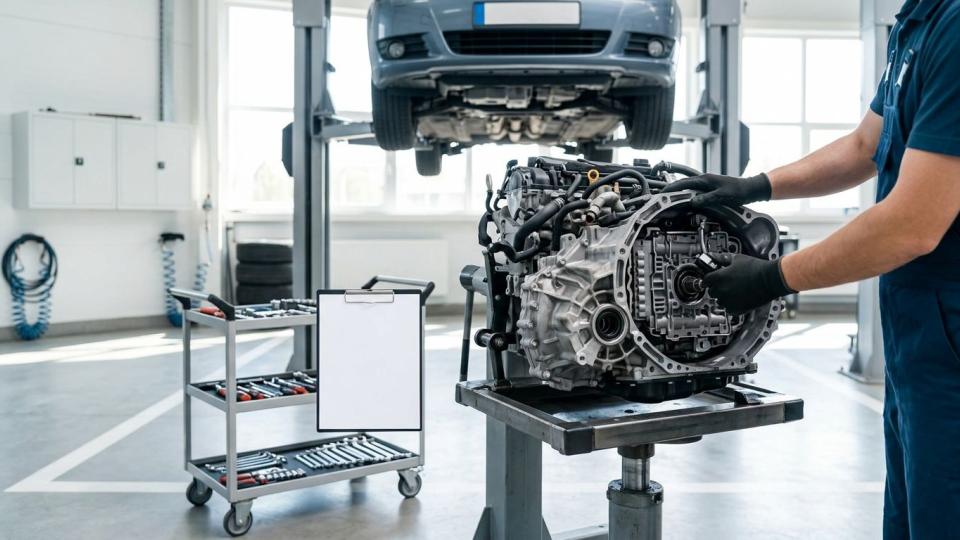
Zach described a transmission as a complex assembly with more than 800 moving pieces, including internal components. A failure can involve something relatively straightforward, such as a leak, or a damaged part that affects the rest of the system.
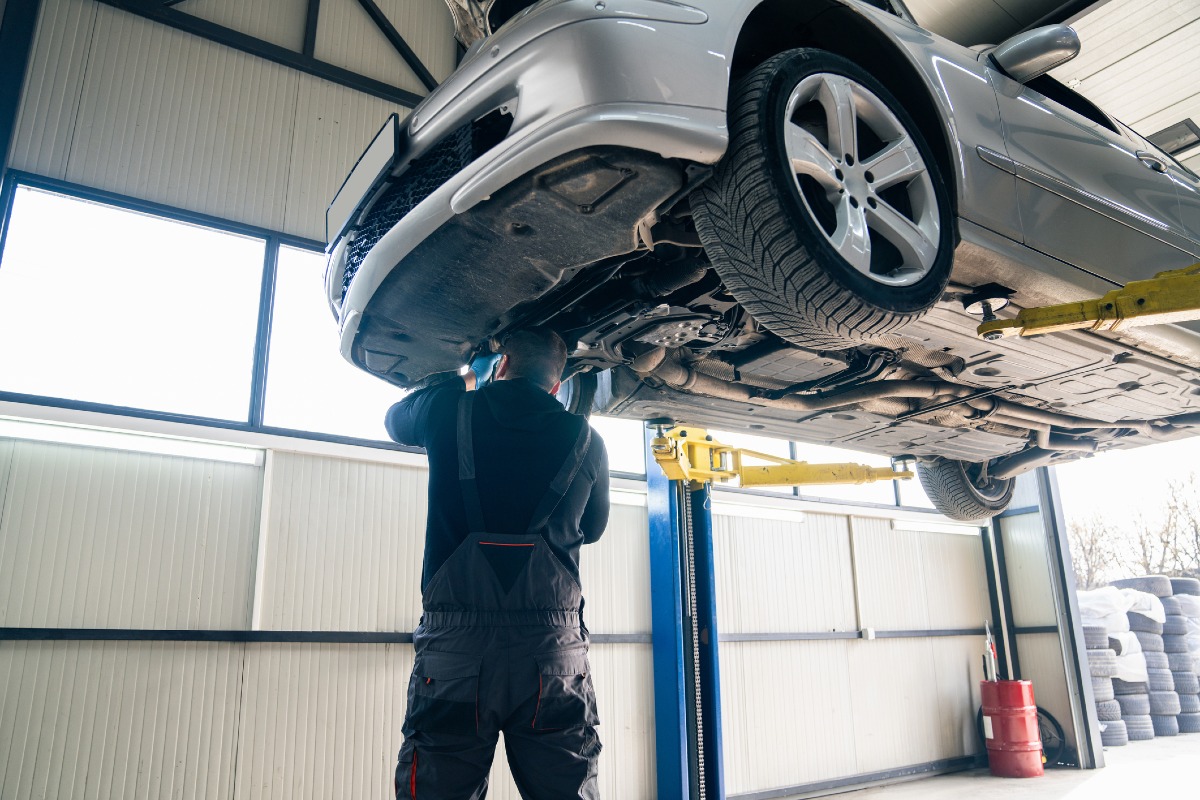 Photo by Uploaded
That distinction matters during diagnosis. A driver may report that the transmission jerks or won't engage, but those symptoms don't identify the failed part.
The shop has to investigate the cause. The service-contract company may then demand evidence supporting the diagnosis before deciding what to do with the claim.
Converter and pump problems can damage other parts
The Torque Converter
Zach explained that the torque converter holds fluid and has small internal clutches. When those clutches begin to fail, the driver may feel a shudder.
Zach compared the sensation to driving over the rumble strips along a highway shoulder. That description helps distinguish a recognizable symptom from the broader complaint that a vehicle feels rough.
A failing component can also produce metal debris. As transmission fluid circulates through the system, contamination can reach other parts and cause additional damage.
The Transmission Pump
I asked Zach to clarify the oil pump mentioned in Leisha's case because many drivers associate that term with the engine.
A transmission has its own pump, which moves fluid through the assembly. Contamination, a blockage or low fluid pressure can interfere with its operation.
Zach said a pump problem may cause a continuous whining sound after the driver selects reverse or drive. He described the noise as the pump cavitating.
His explanation also showed why identifying the original failure matters. A damaged pump can affect fluid movement and pressure throughout the assembly, so repairs may involve more than the part that failed first.
Valves, clutches and seals control how the transmission works
The Valve Body Directs Fluid
Zach described the valve body as a maze of channels with valves, springs, and check balls. Those parts control where transmission fluid flows and when.
If contamination makes a valve stick, fluid may not reach the places it needs to go. That can contribute to overheating, shifting problems, or failure to engage.
Clutch Packs Engage And Release
Inside the transmission, steel plates alternate with friction plates. Zach compared the arrangement to layers in a sandwich.
Fluid pressure brings those layers together so they engage and transfer motion. When pressure releases, the plates separate enough for the transmission to shift gears.
The friction material wears over time. That wear is one reason maintenance can't guarantee that a transmission will last indefinitely.
Seals And Solenoids Have Different Jobs
Seals, O-rings, and gaskets keep fluid contained where it belongs. A leak can involve a different problem than a broken internal mechanical part.
Solenoids are electrically controlled valves. An electrical signal tells them to open or close so fluid can pass through.
These parts work together, but a contract may treat their failures differently. That's why I ask about the component and the cause rather than accepting a general description of transmission trouble.
Maintenance and vehicle use can complicate a claim
Zach said representatives often ask about a vehicle's service history, condition and use before reviewing a claim.
Their questions may cover transmission service records, engine oil changes, collision damage or commercial driving for Uber and Lyft. They may also ask the shop to measure the tires.
Oversized tires can affect the relationship between wheel rotation and the vehicle's programmed shifting. Zach said he has seen companies use that modification to deny coverage for transmission repairs.
Service records deserve particular attention. A company may request engine oil-change receipts even when the reported problem involves the transmission.
When a listener asked whether missed required service could lead to a denial, Zach said yes. He distinguished minor mileage overages from a pattern of neglected upkeep. That was his experience handling reviews, not a promise about how every agreement works.
My recommendation is to keep every maintenance receipt and repair record. Store the contract with those documents in a folder or scanned file you can retrieve when needed. Knowing you maintained the vehicle is different from being able to document it.
Let the repair shop establish the problem before opening the claim
Zach recommends contacting a repair shop before calling the service-contract company about a new symptom.
He explained that representatives may record calls and add drivers' statements to the service file. An uncertain account of when a problem began can complicate a coverage review over whether the condition was pre-existing.
His point was that the shop should diagnose the issue and present its findings accurately. A driver describing a rough shift doesn't have the same information as a technician who has checked the fluid, scanned the vehicle and tested pressure.
Zach sees his role as helping customers document the failure and obtain authorization. He wants the authorization request supported by diagnostic evidence, not an owner's guess about the broken part over the phone.
Prior authorization can take several business days
A major repair generally requires more than dropping off the vehicle and submitting the bill afterward.
According to the Federal Trade Commission's auto warranty and service contract guidance, the agreement should explain how to make a claim, how reimbursement works, and how long reimbursement takes.
Zach described this sequence at his shop:
- The shop opens a request using the customer's information and vehicle identification.
- It reports the symptoms, diagnostic findings, and repair estimate, which may include parts and labor.
- The company decides whether to send an inspector.
- The inspector examines the failure and reports to the adjuster.
- The company decides whether to authorize the repair.
Diagnostic evidence may include scan results, line-pressure readings, contaminated fluid, or a problem the shop reproduced during testing.
Zach said inspections are common in his experience. Getting an inspector to the shop may take one or two business days, followed by another one or two days for reporting and review.
As a result, a request started Monday morning might not receive authorization until Friday. Approval time and repair time are separate.
Once authorized, Zach estimated that a transmission rebuild typically takes about three to five business days at his shop. A replacement generally takes about three to four. Rental-car assistance depends on the agreement, so don't assume it starts when you first leave the vehicle at the shop.
A teardown can leave you responsible for the bill
A company may require the shop to remove a component or disassemble the transmission to prove what failed.
Zach said teardown requests have become less common in his experience, but they still happen. The company may authorize a set diagnostic charge, then send an inspector to examine the parts.
That creates an important financial question: who pays if the company rejects the coverage request?
Zach said the customer may become responsible for the teardown fee. At his shop, he explains that possibility before proceeding.
Permission to investigate a failure isn't the same as approval to pay for the repair. If the coverage request is denied, teardown costs may fall to the customer.
The potential expense also extends beyond disassembly. Once the transmission is apart, the vehicle still needs a repair.
I'd ask the shop to explain both amounts before authorizing the work: the diagnostic expense if the coverage request is denied and the repair costs you could face afterward. Zach said that exposure is why he tries to avoid unnecessary teardowns.
Repair-shop choice depends on the agreement
A listener asked whether buying transmission protection meant having to use a particular repair shop.
Zach said many companies let customers choose, while others require an approved shop or a national repair chain. Those arrangements may include negotiated shop rates.
That makes shop choice another question to settle before buying a plan or arranging a tow. Your preferred mechanic's willingness to work on the vehicle doesn't mean the service-contract company will authorize that shop.
I also asked about the relationship between the technician and the person reviewing the request. Zach explained that good documentation helps the shop provide the evidence requested during a coverage review.
The shop's diagnosis and the company's authorization are separate decisions. An experienced technician may understand the failure, but the request may still require an inspection or additional documentation.
Warning signs deserve attention before the vehicle stops moving
Transmission trouble can cause power loss at the wheels, jerking, harsh shifts, shuddering or whining. A burning smell may accompany these problems.
Zach also described fail-safe operation, when the vehicle limits transmission functions to protect itself. Depending on the vehicle, it may remain in one gear.
He cited a flashing drive indicator on some Honda vehicles and a flashing overdrive indicator on some Fords. Check your owner's manual to understand what the indicators mean for your vehicle.
Maintenance Doesn't Eliminate Clutch Wear
When I asked whether a vehicle could reach 200,000 miles, Zach distinguished engine longevity from transmission life.
He recommended regular transmission service to help extend operating life. Internal friction material still wears over time.
In his shop, Zach often sees transmission problems begin around 140,000 to 150,000 miles. He said Honda and Toyota vehicles are exceptions he has seen perform well.
Those observations aren't a failure schedule for your vehicle. They explain why Zach doesn't consider regular servicing a guarantee against eventual transmission wear.
Leisha's dispute ended after she challenged the denial
Leisha said her dispute continued for nearly five weeks.
During that time, she began recording conversations with representatives. She said one conversation included an acknowledgment of the pump failure and a commitment to address her claim, followed later by a denial that the conversation had occurred.
According to Leisha, she provided those recordings to Endurance's insurer. Within days, she learned that the company would pay for the repair.
That was her account of how she resolved this dispute. It doesn't establish that another case will end the same way.
Zach's explanation of cascading damage helped put the disagreement in context. When one component spreads contamination or damages other parts, a shop may recommend replacing the full transmission rather than repairing only the original failure. That recommendation doesn't mean every affected component will be covered.
A smaller repair can leave damaged components behind. That can mean another breakdown and a new coverage dispute.
For me, Leisha's experience reinforced the importance of documentation. Her persistence gave her a way to challenge a version of events she said was inaccurate.
Frequently Asked Questions
Does transmission coverage include every transmission part?
No. Coverage depends on the written agreement, which may name specific components, limit covered failures, or exclude problems such as leaks or electrical issues. Ask the seller to show you what the contract says about parts such as the torque converter, valve body, and pump.
What should I do before filing a transmission claim?
Contact a repair shop to diagnose the problem and document its findings before calling the service-contract company. The company may ask for diagnostic evidence and may require prior authorization before repairs begin.
How long can transmission repair authorization take?
In Zach's experience, an inspection may take one or two business days to arrange, followed by another one or two days for reporting and review. Authorization time is separate from the time needed to complete the repair.
Who pays for a transmission teardown if coverage is denied?
The customer may be responsible for the teardown fee if the company rejects the claim. Ask the shop to explain the diagnostic charge and possible repair costs before authorizing disassembly.
Can I choose my own transmission repair shop?
It depends on the agreement. Some companies let customers choose a shop, while others require an approved shop or repair chain, so check the terms before arranging a tow or starting a claim.
Clear terms are the protection to understand before paying
My central takeaway is that a broad sales promise leaves too much unanswered. The written agreement needs to explain the covered components, exclusions, and steps required to make a claim.
Before authorizing major work, understand the approval process and your financial responsibility if the company declines the claim. Keep the agreement and your maintenance records accessible.
Leisha bought protection because she wanted less uncertainty when something expensive failed. Clear contract terms and a documented service history help you understand whether that protection meets your expectations.
Your best protection? Having a auto mechanic you can trust. I take my family's cars to TrustDALE Certified AAMCO for all my service needs because I trust them. That's why AAMCO is a long-time TrustDALE Certified Partner, backed by TrustDALE's $10,000 Make It Right Guarantee.