
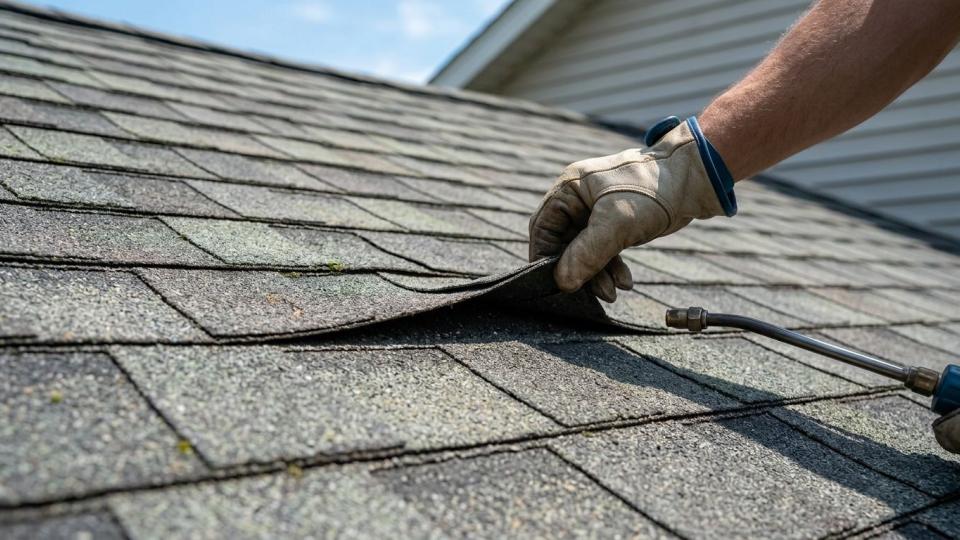
Your roof is one of the most important parts of your home. It's also one of the most expensive to replace. So when a company tells you a spray-on treatment can add years to your shingles for a fraction of the cost, it's tempting to sign right away.
But does roof rejuvenation actually deliver, or does it just delay the inevitable?
That's what we set out to answer on a new episode of our Trust Issues podcast. We sat down with Stephen Griswill of TrustDALE Certified Total Roof Solutions, and we also sent a TrustDALE team member undercover to secret shop a roof rejuvenation company. What we found should make every homeowner think twice before comparing prices.
Key Takeaways
- Roof rejuvenation may condition aging asphalt shingles, but it won't repair leaks, storm damage, flashing or ventilation problems. Have the roof professionally assessed to determine what work it needs.
- Compare the treatment's full cost, including any repeat applications, with an independent roof replacement estimate. Our secret shop found that the apparent savings shrank substantially when we used a separate replacement price.
- Before agreeing to treatment, ask for the exact product name, ingredient disclosure and written warranty terms. Check with your insurer how an older treated roof may affect coverage, especially if you plan to sell.
- Get multiple written, itemized estimates and take time to compare the proposed work. Treat large last-minute discounts, same-day deposit offers and pressure to file an insurance claim as reasons to pause.
Why This Topic Is Personal
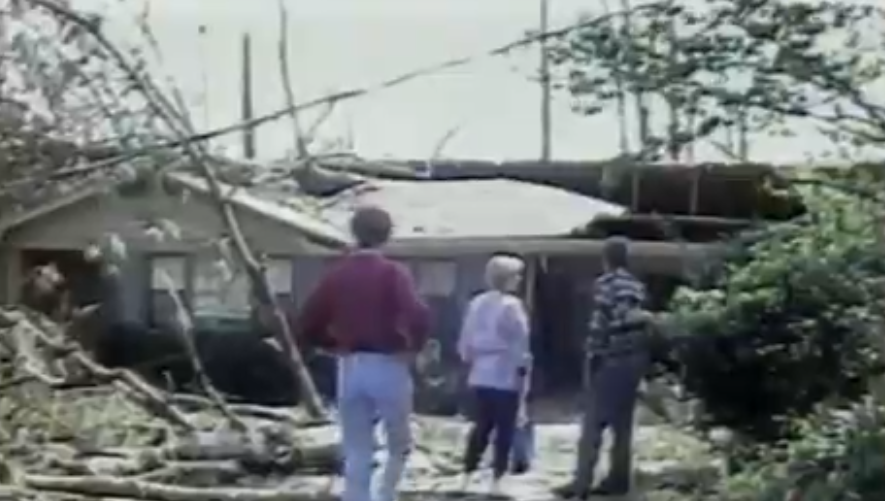
Nearly 30 years ago, an F2 tornado tore a roughly 19-mile path through Dunwoody, Georgia. One person died, and hundreds of families lost their homes or sustained major damage. My family was one of them.
My roof had to be replaced, and at the time, I didn't do my due diligence. I just hired a company who could fix it fast. Years later, I discovered it was installed incorrectly.
That lesson is behind everything in this episode. Money is tight for a lot of families right now, and many homeowners are looking for a Plan B on big maintenance bills. That makes the market ripe for low-cost alternatives, and for people selling them aggressively.
What Is Roof Rejuvenation?
A typical roof replacement in the U.S. runs about $8,000 to $16,000 for a 2,000-square-foot home. Roof rejuvenation products are marketed as a cheaper way to avoid that bill, at least for a while.
According to Stephen, there are three main types:
Bio-based oils like Roof Maxx are usually plant or soy based and sprayed onto asphalt shingles. They're designed to restore flexibility and reduce granule loss. (Granules are the gritty top layer that shields the body of the shingle.)
Chemical and nanotechnology treatments create a chemical bond inside the shingle rather than just conditioning the surface. The goal is the same: more flexibility.
Acrylic or silicone-based coatings form a barrier against water and UV rays. Stephen notes these are mostly used on flat roofs or low-slope metal roofs, not typical sloped shingle roofs.
So is there real science behind it? "Yes," Stephen says. The bigger question is whether it's right for your roof.
What Roof Rejuvenation Products Are Designed to Do
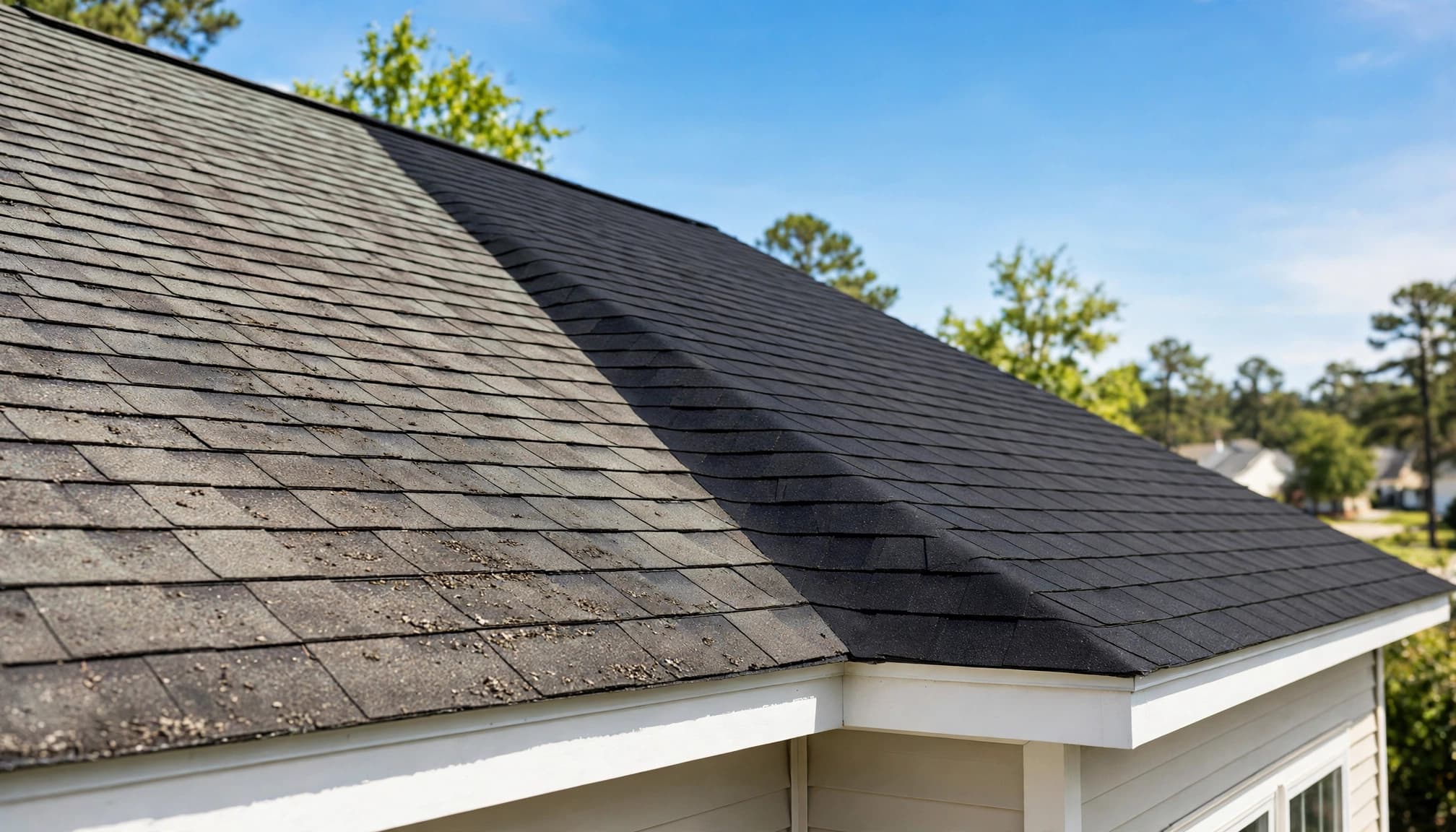
Some manufacturers claim their products help keep shingles from becoming brittle and breaking apart. Roof Maxx is one product marketed for this purpose, but formulas vary. Check current product disclosures for petrochemical oils and active ingredients.
Griswill's limit is more important than the sales claim:
"Treatment is not going to fix a leak. Treatment is not going to repair a roof."
A spray treatment intended to condition shingles won't repair storm damage, flashing around a chimney, or a leaking pipe penetration. A treatment is not a substitute for fixing roof damage.
Stephen points out that most roof leaks don't happen in the middle of the roof. They happen around penetrations like chimneys, pipes and vents. No spray fixes those.
Stephen also warns that cracked shingles aren't always caused by sun damage. Poor attic ventilation can dry out shingles and cause cracking too. If that's the real problem, a rejuvenation treatment won't solve it.
Does Roof Rejuvenation Actually Save Money?
TrustDALE Senior Producer Marnie Zambri's research found that pricing depends on the roof's square footage, its pitch or slope, and its current condition. A soy-based treatment can run from about $1,500 to $4,500.
"Of course, that depends on who's selling it," Marnie says. "And it could balloon from there."
Rejuvenation companies often pitch savings of up to 80% compared to replacement. But Stephen says many of these treatments need to be reapplied about every five years.
Do the math. At around $4,000 per treatment, three rounds over 15 years adds up to a hefty sum. Meanwhile, Stephen says roof prices have roughly doubled over the last decade, partly because asphalt shingles are petroleum-based products. You could spend thousands on treatments and still face a more expensive replacement down the road.
That said, Stephen believes rejuvenation can make sense for some homeowners. It depends on how old the roof is, how long you plan to stay in the house, and whether you're planning to sell.
When Treatment, Repair or Replacement May Make Sense
Griswill wouldn't recommend one answer for every aging roof. He considers its age and condition, whether a repair can address the problem, how long the owner plans to stay, and whether the home may soon go up for sale. He regularly sees roofs that don't need complete replacement, even when someone has suggested making an insurance claim.
The cause of visible wear matters, too. Roof leaks often develop around chimneys, pipes, and other penetrations rather than in the middle of a roof. Shingles may crack as they dry out, but Griswill says poor ventilation can also contribute. A conditioning product won't fix the leak source or correct ventilation and flashing problems.
Repeated applications change the financial comparison, and consumers should verify whether methyl ester is relevant to the quoted product. Some roof rejuvenation pitches call for another treatment every five years, Griswill noted. His illustration, not a house-specific quote, totaled $12,000 for three $4,000 treatments over 15 years, without roof replacement. That's why we compare the proposed treatment schedule with an independent replacement estimate before calling either option a bargain.
The Insurance Problem Nobody Mentions
This is where roof rejuvenation gets tricky. Stephen says insurance companies mainly care about one thing: your roof's age.
"The date that roof was put on, that roof's birth certificate," he explains. "No matter what you do in between that time, they don't care about that."
Here's what that can mean for you, according to Stephen:
- Depending on the carrier, coverage may drop once a roof hits roughly 10 to 15 years old, and the roof continues to depreciate from there.
- Some insurers won't write a new policy on a home unless the roof is under 15 or 10 years old, and some carriers use a 5-year cutoff. That can become a sticking point when you sell. A buyer's insurer won't care that you had the roof "rejuvenated."
- Some manufacturer and contractor warranties include stipulations that could affect coverage if a treatment is applied.
Marnie also found that some rejuvenation companies state right on their websites that they don't work with insurance companies. In other words, you're on your own.
Aging shingles or a leak alone don't mean an insurer will pay for replacement; a storm-related repair or replacement must meet the terms of your policy. The National Association of Insurance Commissioners' homeowners insurance overview explains that coverage depends on the damage and policy. Its guidance on actual cash value coverage also explains how depreciation can affect a payment. Ask your insurer how your roof is covered under your home insurance and whether a proposed treatment affects that coverage.
What Our Secret Shop Found About the Price
About a year ago, a homeowner emailed TrustDALE asking what we knew about roof rejuvenation. So a TrustDALE team member secret shopped one of these companies.
Here's how it played out:
- The initial quote for the treatment: more than $8,300
- The salesperson waived some fees on the spot, dropping it to $6,200
- Then came another offer: put $1,000 down today and get another $1,000 off
- To show the "savings," the salesperson jotted down roof replacement estimates ranging from $15,000 to just under $30,000
On paper, that looks like a great deal. But then we got an independent quote from a TrustDALE Certified roofing partner. Their price for a full replacement? Just under $12,500.
That's nowhere near the 80% savings the salesperson suggested.
"That sounds to me like an aggressive sales tactic," Stephen says. "If you can drop a price $2,000 just like that on the spot..."
| Price discussed | Amount |
|---|---|
| Initial rejuvenation quote | More than $8,300 |
| Rejuvenation quote after waived fees and reductions | $6,200 |
| Salesperson's replacement comparison | $15,000 to just under $30,000 |
| Independent replacement estimate | Just under $12,500 |
At $6,200, the treatment was cheaper than the independent replacement quote, but the apparent cost savings were far below the roughly 80% suggested by the sales comparison. The salesperson offered another $1,000 reduction if the customer put down $1,000 that day. We viewed the large on-the-spot price changes and same-day deposit offer as pressure tactics.
Ask the seller for the treatment's exact product name and an ingredient disclosure, including whether it contains a methyl ester. The treatment quoted in this article isn't identified as a particular brand or formula.
Get the replacement price from someone other than the company selling you the treatment. Otherwise, you have no independent basis for judging the claimed savings.
A side note- huge price drops always feel like a red flag to me. It feels like the classic scam formula: fear, greed and speed. Scare the customer, inflate the price, offer big savings if they sign before they talk to anyone else.
The consumer lesson: Never compare a product's price to a replacement price provided by the person selling you the product. Get an independent evaluation.
Roof Maintenance That Can Catch Problems Early
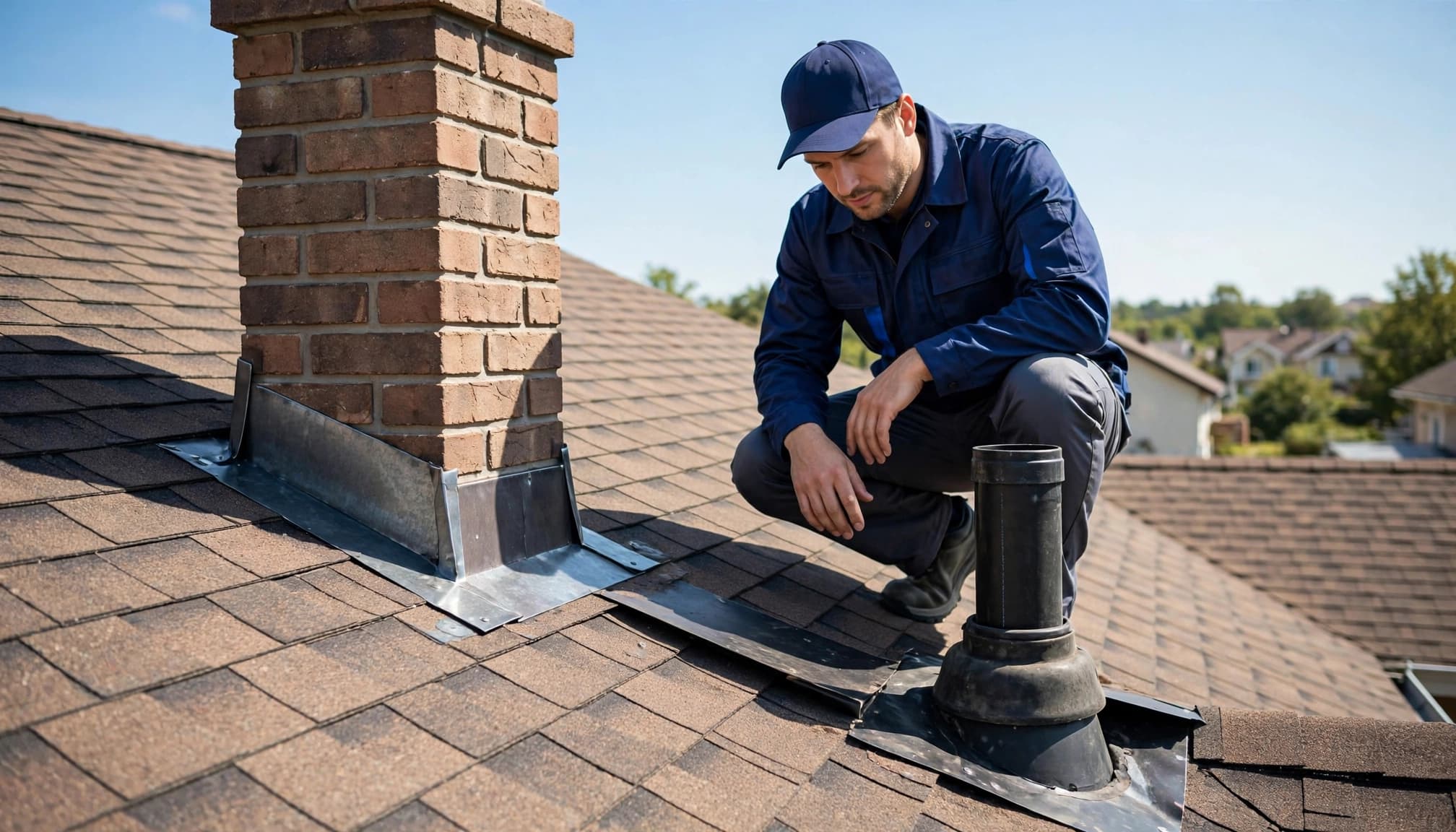
You don't need to climb on your roof, and Stephen strongly recommends you don't. Instead:
Look up. Walk through your house and check the ceilings for wet spots or stains.
Check the attic. If it's accessible, look around the chimney, pipes and vents for moisture or black stains.
Keep gutters and valleys clean. When leaves pile up where two roof slopes meet, the debris breaks down into something like soil and can create a dam that backs water up under the shingles.
Trim your trees. Overhanging branches encourage algae and moss. Those black streaks on your roof are actually algae feeding on the limestone filler in the shingles. Branches that touch the roof also give critters a highway into your attic.
Schedule inspections. Stephen recommends a professional inspection around the 10-year mark, then every 5 to 10 years after that depending on condition.
Get inspected after major storms. After hail or high winds, you usually can't see damage from the ground. Stephen's tip: search "storm damage" plus your zip code online to find maps showing recorded hail size and wind speeds in your area. That information can also support an insurance claim.
Keep Water Moving Off the Roof
Leaves collect in roof valleys, where two slopes meet. When debris builds up there or in gutters, water can back up instead of flowing off the shingles. Griswill recalled finding a bush growing from a commercial roof drain. The blockage had caused water to collect across part of the roof. The example was extreme, but the maintenance point is simple: a blocked drainage path needs attention.
Check Your Trees
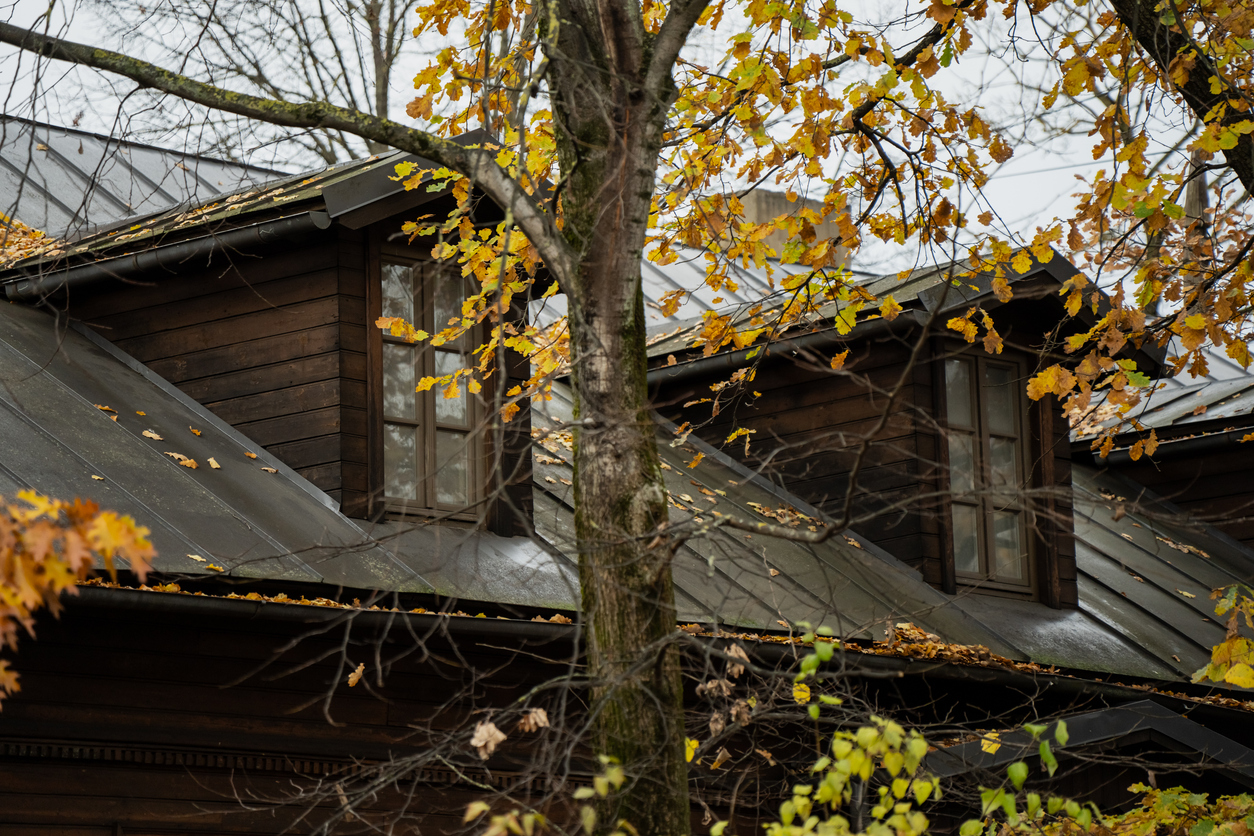
Overhanging trees can add debris to a roof and encourage algae or moss growth. Griswill said the black streaks commonly seen on shingles can be algae feeding on limestone filler in the granules. He had offered a separate roof-cleaning service in the past and questioned whether rejuvenation sellers clean a roof before treating it.
Keep an eye on the health of trees near the house and on branches close enough to give animals access to the roof or attic. Griswill suggested scheduling a roof inspection around 10 years after replacement, then deciding when to return based on what it finds. Pipe boots, flashing, sealants and gutters deserve attention along with the shingles. Some of his customers instead schedule annual or semiannual maintenance visits. A maintenance visit or roof tune-up should assess drainage, flashing and other components, not just treat the surface.
After a Storm, Check the Damage Before Filing a Claim
Griswill recommends a professional assessment after hail or high winds because roof damage may not be visible from the ground. An assessment can also identify structural damage, if present. Ordinary rain alone doesn't call for the same response. Storm effects can differ even between nearby homes, so a neighbor's damage doesn't establish that yours has the same damage.
He suggested checking reported hail size and wind speeds for your location when evaluating what happened. A roofer may review that information, too. Before filing a claim, find out what your policy covers and have the roof assessed. Griswill has seen older, weathered roofs receive a denied claim followed by notice that the roof must be replaced to keep the policy. A door-knocking salesperson promising a new roof may not explain that possibility.
If storm damage leaves the house exposed, a roofer or tree company may be able to tarp it while you research contractors and wait for an adjuster. Ask your insurer about reimbursement rather than assuming the tarping cost is covered. The National Association of Insurance Commissioners' post-disaster claims guide is a useful reference for understanding the claims process.
Signs Your Roof Needs Replacement, Not Maintenance
Stephen says to watch for:
- Granule buildup in your gutters or washing out of your downspouts onto the driveway
- Shiny patches, especially around the edges, when sunlight hits the roof. That's often the fiberglass mat showing through worn shingles.
- Recurring leaks in different spots. "Where's the stopping point?" he asks.
One leak may call for a repair. Repeated leaks raise a different question: how much will you spend patching the roof before replacement becomes the better use of that money? Inspection findings can help you assess how much roof life remains and whether further repairs are worthwhile. Early inspections may also help prevent leaks from damaging decking, insulation or drywall and creating conditions for mold.
How to Compare Roofers and Their Estimates
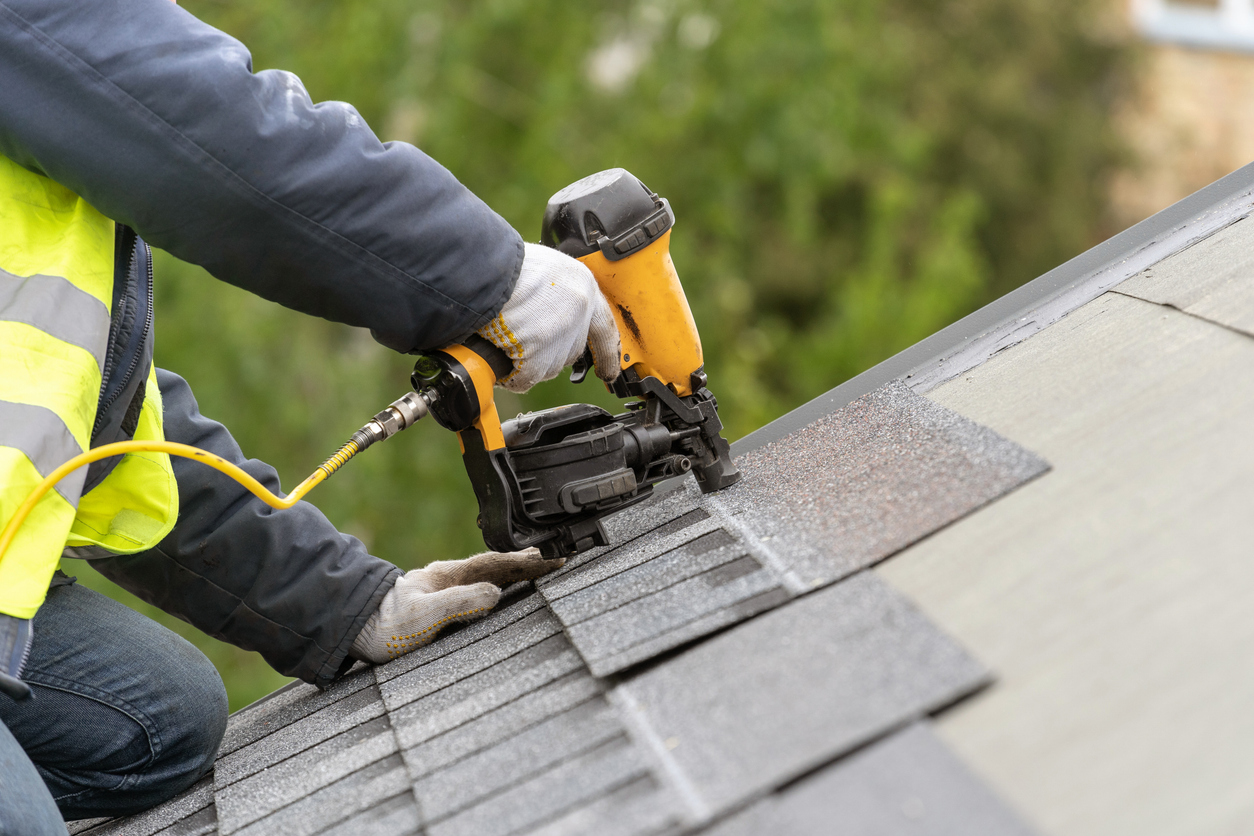
As I always recommend, get estimates from at least three roofers before signing. Compare what's included, not just the final price. Griswill described estimates that say little more than "architectural shingles" beside a total; a line-item scope gives you far more to evaluate.
Ask where the company operates, whether it can provide references from similar jobs and whether you can speak with past customers. Griswill also suggested viewing completed roofs when you're deciding on a shingle color. Reviews help, but they don't replace a conversation about the work the contractor will do for you. Ask for proof of applicable insurance and check local licensing or registration requirements.
For roofing work in Georgia, you can review TrustDALE-certified roofing companies, including Total Roof Solutions. TrustDALE Certified Partners go through our seven-point investigative review process and are backed by our $10,000 Make It Right Guarantee.
Questions to Ask Before You Sign a Roofing Contract
- Where is your office? A real company has a team behind it, not just a truck.
- Can I talk to references? Don't rely on online reviews alone.
- Can I see a job you've done nearby? Do a drive-by and see the work for yourself.
The Biggest Roofing Mistakes Homeowners Make
Waiting until there's a problem. Catching a leak early can prevent damage to decking, insulation, drywall and potential mold.
Signing with the first door knocker after a storm. Stephen warns that for some storm chasers, it's a numbers game. And there's a risk they won't mention: if you file a claim on an older, weathered roof and it's denied, Stephen says you could get a letter giving you 90 days to replace the roof or lose your policy.
Choosing the lowest estimate without reading it. A quality estimate should be line-itemed. Be cautious of a bid that just says "architectural shingles" with a total price.
Three Roofing Questions We Hear From Homeowners
Can a Roof Be Replaced in One Day?
Sometimes. Griswill said the home's size, crew size and weather all affect the schedule. His company tries to finish efficiently without compromising quality, but he wouldn't use a one-day promise as the reason to choose a roofer. Once the old roof comes off, protecting the house during the work matters as much as speed.
Can Old Asphalt Shingles Be Reused?
Griswill's answer for asphalt shingles was no. He distinguished them from materials such as slate or terracotta tile, which may be reusable in some circumstances. He also cautioned against treating a partial replacement on an older asphalt roof as a simple solution: you could end up with sections of very different ages and questions about warranty coverage.
Does a Tarp Mean You Must Hire That Contractor?
No. A temporary tarp can help keep a damaged roof dry while you compare companies. As Griswill put it, "You don't have to choose somebody right now." An insurance adjuster may also take time to visit after a major storm, which makes temporary protection important while you wait.
My Do's and Don'ts for Roof Rejuvenation
✅ DO get a professional inspection from at least three companies before signing anything.
❌ DON'T assume a spray or coating can stop a leak. If there's water, there's usually a bigger problem.
✅ DO ask whether the treatment will affect your roof's warranty or your insurance coverage.
❌ DON'T make a major roofing decision based on a salesperson's comparison pricing.
✅ DO ask lots of questions. If the answers are murky, don't sign.
❌ DON'T let urgency or fear rush you before you get an independent evaluation.
The Bottom Line Before You Sign
A lower roof rejuvenation quote only helps if the product suits your roof. Find out what problem you're paying to solve. Ask for the product's written identity and ingredients, including whether it contains methyl ester where applicable. A professional inspection should distinguish aging shingles from a leak, storm damage or an issue around a roof penetration.
Then compare written scopes and independent prices, and check the applicable warranty and insurance terms. Our secret shop showed how much the apparent savings can change when the replacement estimate comes from someone other than the treatment salesperson.
Roof rejuvenation isn't necessarily a scam. For a structurally sound roof, it may buy you some time. But it's also not a repair. It may not save as much money as advertised, and it won't change how your insurance company sees your roof's age.