

A scam can leave people embarrassed, angry, and eager for any sign that the money might come back. That’s exactly the moment a second scammer may try to step in, wearing a more official costume. The newest warning from the Federal Trade Commission is especially cruel because it targets people who have already been harmed, then offers them what sounds like help.
In this blog, you’ll learn how fake FTC follow up messages work, why a badge photo doesn’t prove anything, what real FTC employees won’t do, and how to respond if you already paid someone or shared personal information. The big takeaway is simple: recovery promises deserve more caution, not less.
The Second Knock at the Door
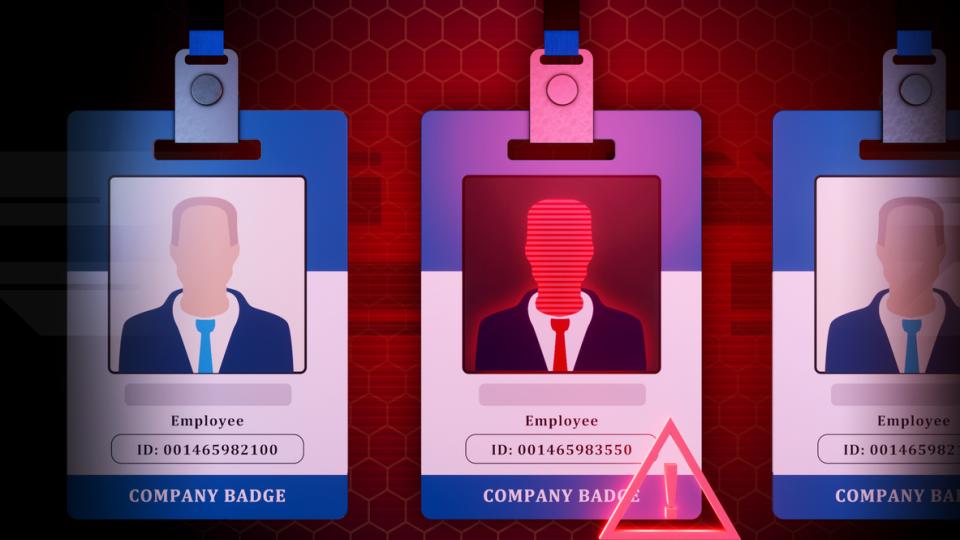
This scam starts with an unexpected message from someone you don’t know. The person claims to be an FTC “agent” or “employee” and says they can help recover money you lost in a previous scam. To make the message feel legitimate, they’ll send a picture of an employee ID or badge.
That kind of “proof” is persuasive, since most people associate badges with authority. And psychology tells us that people generally want to follow the instructions of an authority figure, especially when a situation feels urgent or intimidating (for more information on this phenomenon, see the Author’s Note at the bottom of this post).

The thing to remember is that a photo can be copied, altered, staged, or fabricated, and it will never be used by a legitimate FTC employee to “prove” who they are. The FTC is specifically blunt about this point: the badge and ID are fake, and the real goal is to get money, financial account access, or personal information.
The painful part is the timing. Someone who’s already been scammed may be tired of paperwork, unsure who to trust, and desperate for a clean solution. Fake offers of scam recovery thrive on that stress, giving the victim a sense of closure (“it’s finally almost over!”), accomplishment (“I will come out on top of this!”), or relief (“I won’t lose my savings after all!”)
This new villain, a supposed helper, promises that the problem can finally be fixed… so long as the victim cooperates.
What a Real FTC Employee Won’t Do
Scammers often try to shortcut your judgment. They don’t want you to pause and verify through official channels. They want the badge photo to do all the work, so you feel rude questioning it or scared to ignore it.
The easiest way to spot this scam is to focus on what the FTC says its employees won’t do.

A real FTC employee will not:
- contact you by text message or through a messaging app such as WhatsApp
- send a photo of an employee ID to prove who they are
- claim they can recover your scam losses and then ask you to pay
- move your money into an account they name
- hand over financial information
Any one of those requests should stop the conversation cold. No refund requires you to protect your money by sending it somewhere else. No official recovery process starts with a stranger asking for banking details over a message thread.
The Refund Promise Is the Trap
Scammers often return with a softer voice after the first theft. Instead of pushing a fake prize, fake investment, or fake emergency, they offer relief. They may say they found your case, traced the scammer, located your missing funds, or need one final payment to “verify” where to release your recovered money.
That story can be hard to resist because it sounds like the ending you wanted. Still, the safest response is to treat any unsolicited recovery offer as suspicious. Don’t click links, don’t send screenshots of accounts, don’t confirm personal details, and don’t continue the conversation just to see where it goes.
If the message claims to come from the FTC, go directly to the FTC’s official website (that’s https://www.ftc.gov) on your own. Don’t use any link, phone number, or contact information supplied by the person who messaged you. Scammers build fake pathways so every attempt to verify leads back to them.

If You Already Paid, Move Fast
If you paid someone you now believe was a scammer, speed matters. The FTC advises consumers to try to cancel or reverse the transaction as soon as possible. The right next step depends on how the money was sent.
Contact your bank, credit card company, wire transfer service, gift card issuer, money transfer app, or cryptocurrency platform and explain that the payment was part of a scam. Some payments may already be gone, especially cryptocurrency transactions, but it’s still worth asking whether the company can reverse, block, or investigate the transfer.
If you gave away a username, password, Social Security number, or access to your phone or computer, treat that as a separate emergency. Change your passwords, check connected accounts, contact your phone provider if your number was compromised, and watch financial accounts for unauthorized activity.
Report It, Even If You Feel Finished With It
Many people don’t report scams because they’re embarrassed, exhausted, or convinced nothing will happen. That reaction is understandable, but reports still matter. The FTC uses scam reports to spot patterns, educate consumers, and take action where possible.
If someone claims to be an FTC employee and offers to recover money from a past scam, report it at ReportFraud.ftc.gov. Save the message, screenshots, phone numbers, usernames, payment details, and any fake badge or ID image before deleting anything. Those details may help connect your report to a broader pattern.
The Bottom Line for Consumers
A real recovery process won’t begin with a surprise text from a stranger holding up a badge photo. It won’t require you to pay money to get money back. It won’t ask you to move funds into a special account, share banking details, or keep the conversation secret.
After a scam, the safest move is slower than the scammer wants. Stop, verify through official websites, contact the company or bank involved, and report what happened. The first scam may have caught you off guard, but the follow up scam depends on speed, shame, and hope. Take those tools away, and the whole performance starts to fall apart.
—
—
Author’s Note:
In 1963, Yale psychologist Dr. Stanley Milgram published a famous study on obedience. Participants were told by an authority figure to give stronger and stronger electric shocks to another person, even when that person appeared to be in pain. The shocks weren’t real, and the person reacting was an actor, but the participants didn’t know that. Milgram found that most people kept following instructions despite obvious discomfort. The study would face serious ethical barriers today, but it helped show why official-sounding demands can pressure people into ignoring their instincts. If you’re interested in reading the original study, it’s available at this link.