

When a Tree Turns From Treasure to Threat
There’s no denying the value of a mature tree: shade in summer, beauty in every season, and even higher property value. But trees aren’t immortal. As they age or suffer damage, some shift from being assets to becoming ticking time bombs. When storm season arrives, a weak or compromised tree can transform into a projectile capable of causing catastrophic damage.
This guide walks you through the five most critical warning signs that a tree may be past saving. Knowing these signs now can spare you from thousands of dollars in storm damage later.
Hollow or Cracked Trunks Signal Hidden Danger
A healthy trunk is the backbone of every strong tree. If the trunk is hollow, riddled with cracks, or peeling away in sections, the tree’s structure has already been compromised. One way to check: tap on the trunk with a mallet or your knuckles. A hollow sound may mean the interior has rotted away, leaving a fragile shell.
In high winds, these weaknesses become catastrophic failures. A hollow tree may look sturdy from the outside but can split or topple without warning during a storm.
Fungal Growth Means Decay Is Spreading
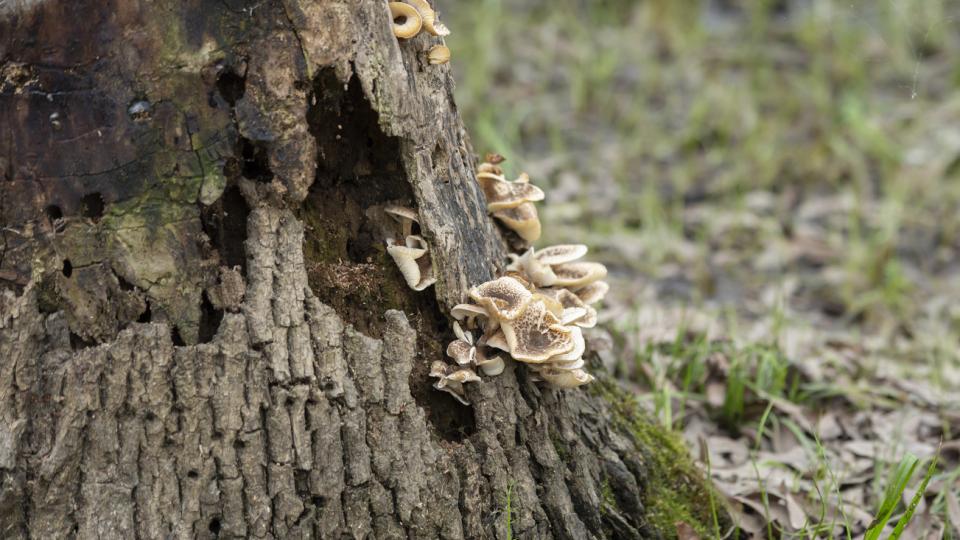
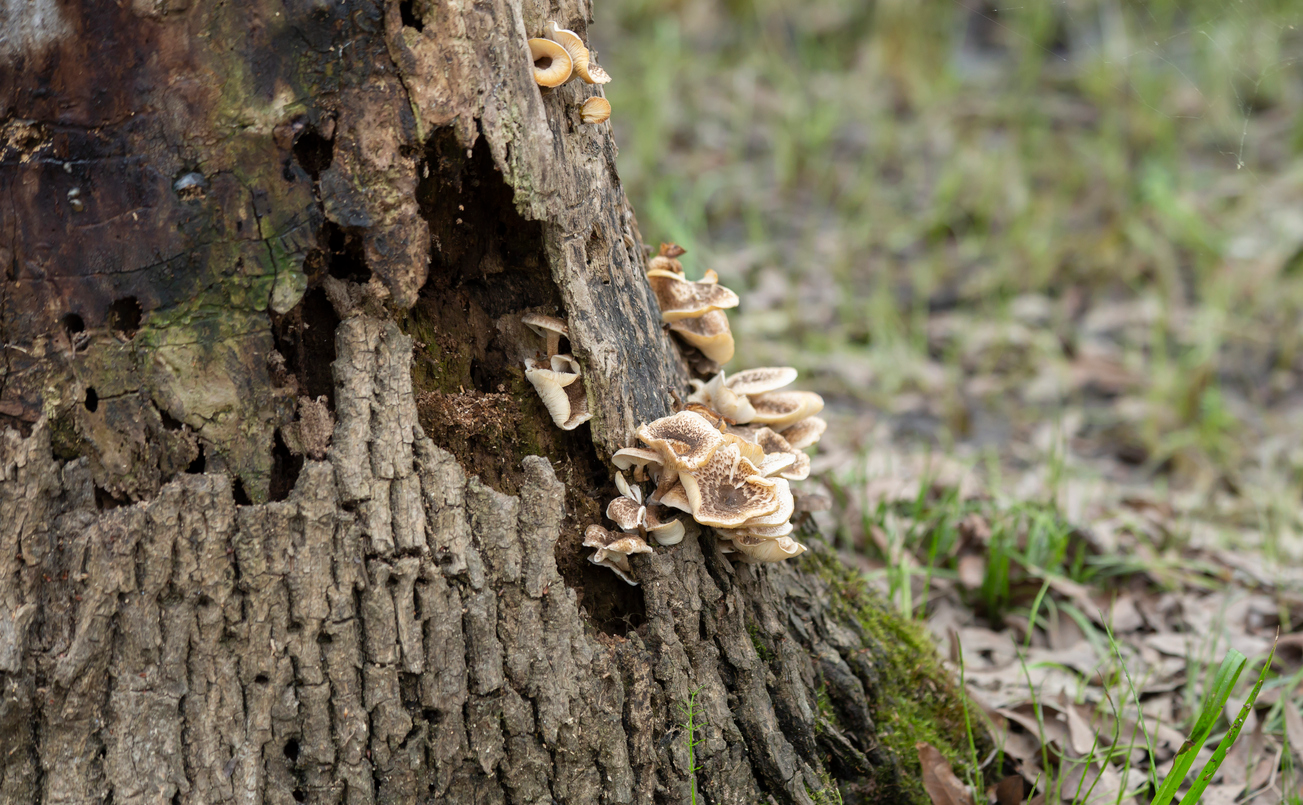
Mushrooms and shelf-like fungus sprouting from the bark may look quaint, but they’re actually signs of rot deep within. Oozing sap or soft, spongy areas on the trunk and roots also point to decay.
When fungi take hold, the tree’s natural defenses have been breached. Storm-force winds easily exploit these weak spots, and even moderate gusts can bring down branches or the entire tree once rot has spread too far.
Roots Tell the Real Story
Roots are a tree’s anchor. If you notice soil lifting, cracking, or separating near the base, it can indicate shifting roots and a loss of stability. Sometimes, roots become exposed after heavy rains, further weakening the tree’s hold.
Beyond stability, roots that creep into sidewalks, driveways, or even plumbing pipes create risks you may not see until damage is severe. A compromised root system makes the tree especially dangerous in storm season because it has nothing firm to grip.
Leaning Trees Aren’t Always Picturesque
Not all leaning trees are hazards. Some grow at an angle naturally and remain stable for decades. The real danger lies in sudden changes. If you notice a tree that seemed straight last year now slanting sharply, that’s a red flag.
Fresh cracks in the soil near the base or a tilt after heavy rain often signal that the tree is losing its footing. In storm conditions, these trees are often the first to come down.
Dead Branches and Sparse Canopies Mean Decline
A full, leafy canopy is a hallmark of a healthy tree. If your tree has bare branches during the growing season or its canopy looks thin and patchy, it’s likely in decline. Dead branches not only indicate poor health, they are also hazards in their own right.
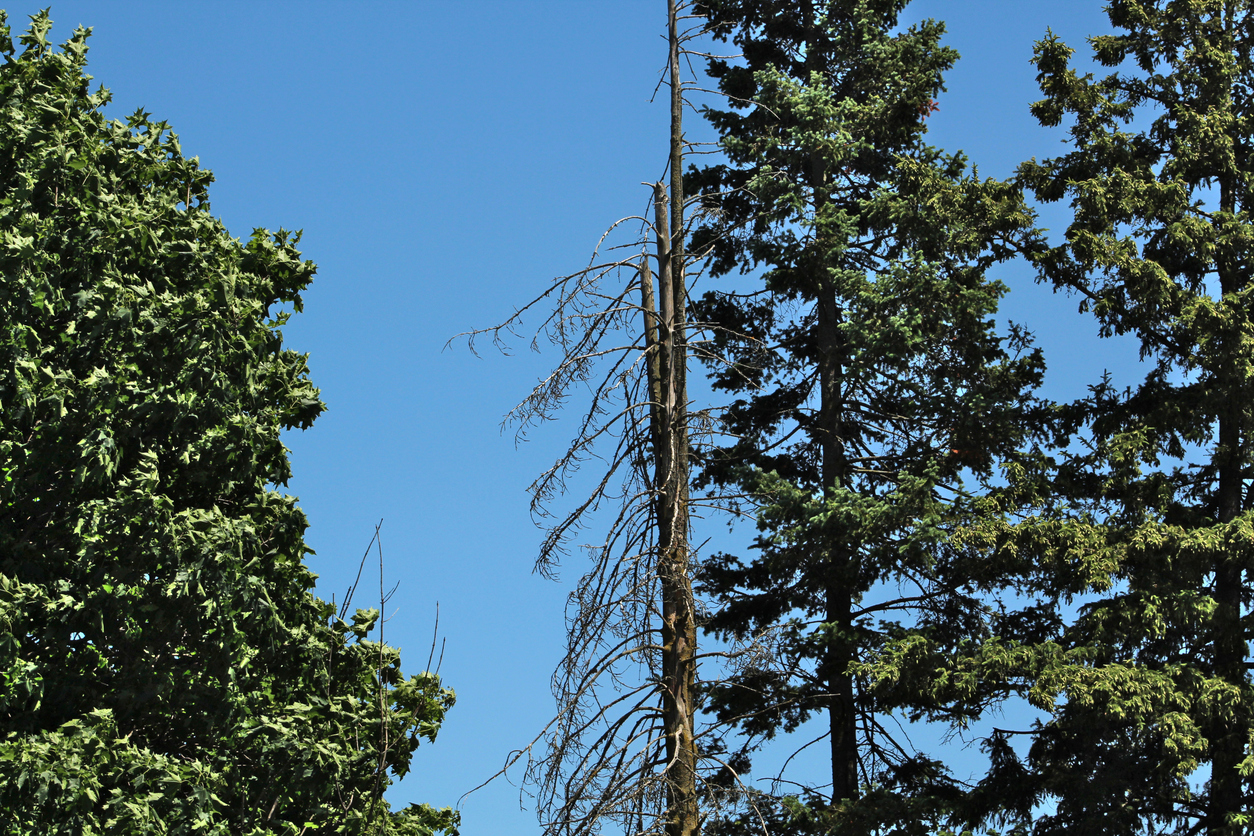
Falling limbs are one of the most common causes of storm-related property damage. Even smaller branches can smash windows, dent vehicles, or injure someone below.
Take Action Before the Storm Hits
The signs are clear: hollow trunks, fungal growth, unstable roots, sudden leaning, and bare branches all point to a tree that may not weather the next storm. Acting early is not just about safety – it’s about protecting your home, your family, and your wallet.
If you spot these warning signs, don’t wait until storm season proves you right. Schedule an inspection with a TrustDALE certified tree service. Certified experts can tell you whether pruning, bracing, or full removal is the best option, giving you peace of mind before the next big wind arrives.