

-default.jpg)
Too Good to Be True?
Temu has exploded in popularity by delivering ultra-cheap products across a vast catalog – often at prices that seem too good to be true. When something looks that affordable, consumers are justified in pausing and asking: is Temu a legitimate bargain or a buyer beware waiting to happen?
In this guide, we’ll explore Temu’s origins, what could go wrong, how recent U.S. tariff changes reshape the picture, and how to shop smart if you still choose to use the platform.
Who’s Behind Temu?
Temu launched in the U.S. in 2022 and operates under PDD Holdings, sister to China’s Pinduoduo. It isn’t a traditional retailer – it connects U.S. buyers directly with overseas manufacturers, often bypassing wholesalers and middlemen. That arrangement explains why prices can be startlingly low.
Legally speaking, Temu is a real and registered entity. It partners with major payment processors and holds millions of users globally. But being legitimate doesn’t automatically mean dependable.

Why Consumers Are Raising Concerns
Frustrations with Temu are common:
- Long shipping times or delayed delivery.
- Inconsistent product quality.
- Orders that fail to arrive or come incomplete.
Beyond these, watchdogs have flagged issues around counterfeit goods and intellectual property violations. Plus, data privacy advocates caution that Temu’s app may collect more user data than consumers anticipate.
These aren’t the hallmarks of a scam – but they do point to reliability concerns rooted in how Temu operates.
How Tariffs Now Shape the Temu Experience
In 2025, sweeping changes to U.S. trade policy drastically shifted the online shopping landscape. Unsurprisingly, Temu is standing smack dab in the middle.
Farewell to Duty-Free Shopping
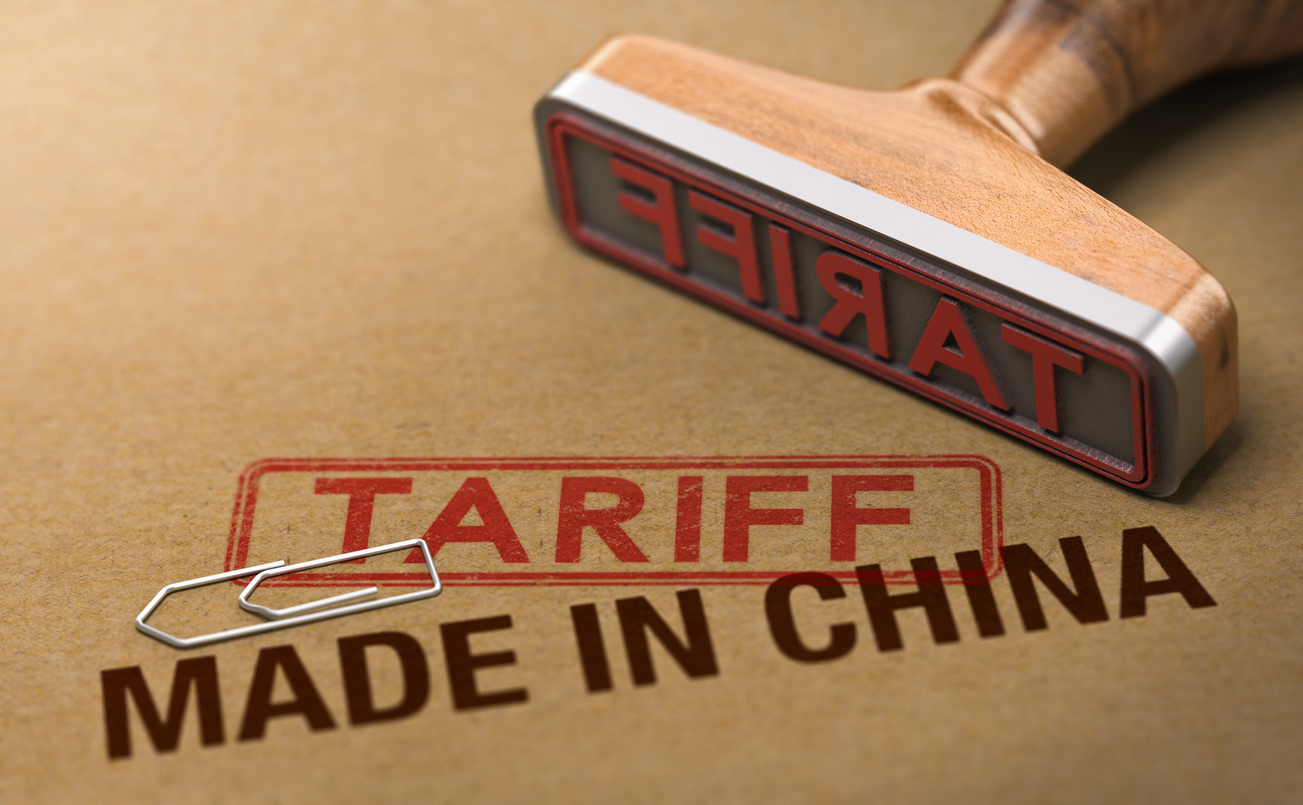
As of May 2, 2025, the U.S. officially ended its long-standing “de minimis” exemption, which allowed shipments valued under $800 to enter the country duty-free. Now, even inexpensive items can face tariffs as high as 145%. (sources: Wired, Business Insider)
Immediate Consequences
- Temu immediately stopped shipping goods directly from China, shifting to fulfill orders from U.S.-based warehouses instead
- This was a massive pivot; in Q1 2025, Temu’s profits fell by around 47% due to the tariff blowback (Ecommerce North America)
- Direct shipments did resume once a temporary trade “truce” kicked in—but at this point, the price advantage had narrowed significantly
Results for Shoppers
- You’ll likely see higher prices, even on traditionally cheap items, as tariffs get passed down through the chain (Associated Press, Global Financial Market Review)
- Some goods now ship from U.S. warehouses, which may mean faster delivery, but also less variety
- Temu’s user base in the U.S. plummeted—from nearly 34 million monthly users in May 2024 to fewer than 8 million in May 2025
Smart Shopping: Protect Yourself on Temu
If you’re still shopping Temu, you can still do it safely—with these precautions:
- Stick to secure payment: Use credit cards, not debit or lesser-known third-party apps.
- Limit your data footprint: Only provide information necessary to complete your purchase.
- Watch listings closely: Read reviews and descriptions with care—knockoffs are still a risk.
- Mind return and refund policies: The process may be slower than expected.
- Shop low-stakes items: Avoid timing-sensitive or high-value purchases.
- Check shipping origin: “Local” U.S.-based fulfillment may mean quicker delivery—just expect prices to be higher.
Final Take: A Legit Platform in a Turbulent Trade Climate
Temu is unquestionably legitimate, but rising tariffs and policy shifts have eroded its signature cheapness. It now operates in a more complex trade environment, making it a place for bargain hunters—but definitely not a one-stop shop for essential items.
A deal only remains valuable if it safeguards your wallet, your data, and your confidence. For products that matter, stick with tried-and-true, certified retailers.