


When a Text Turns Into a Nightmare
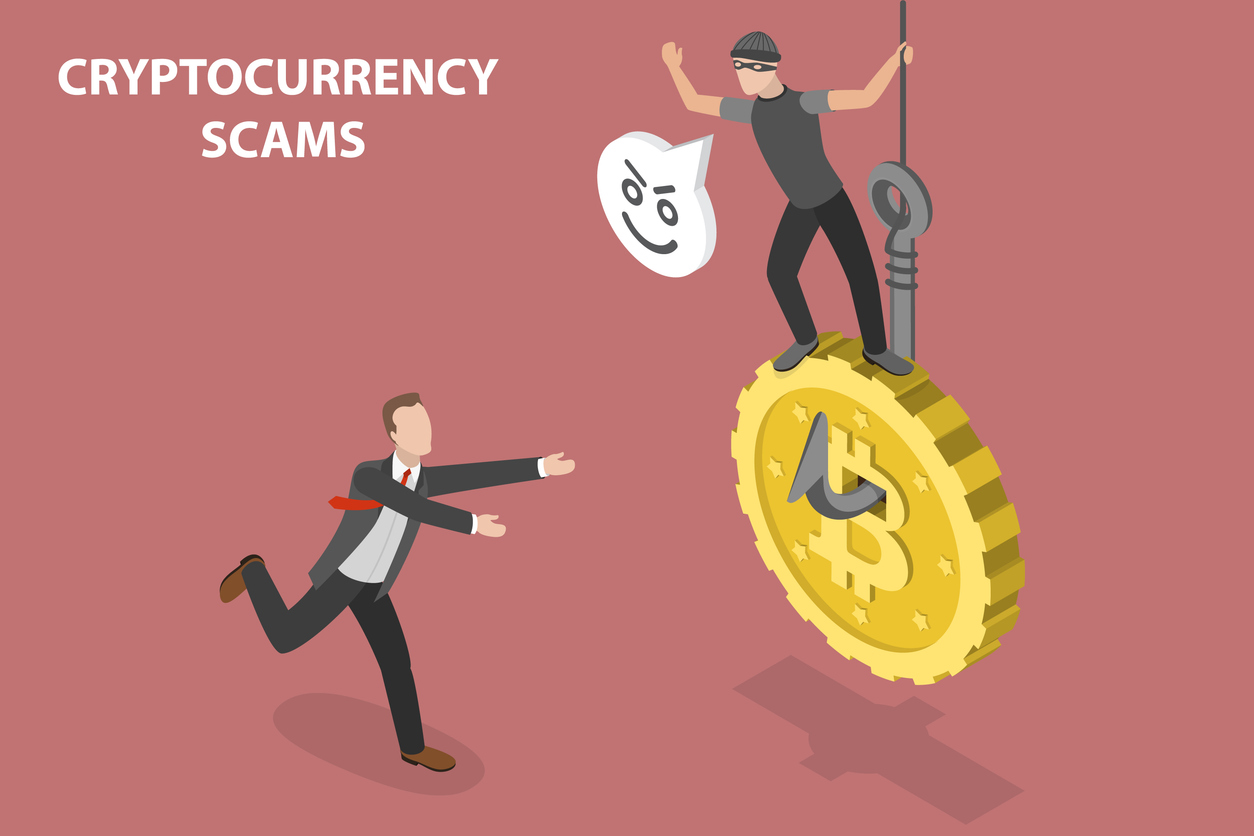
It starts innocently enough. A text pings your phone: “Coinbase: Suspicious activity detected. Verify now.” The message looks urgent, convincing, and maybe even familiar. You click, enter your login information, and within minutes, your crypto balance is drained. The growing wave of Coinbase text scams is catching users off guard, and unlike credit card fraud, recovery is anything but straightforward.
This article breaks down how the scam works, what legal and recovery avenues exist, and why prevention remains the strongest line of defense.
How the Coinbase Text Scam Tricks Users
The scam hinges on spoofed SMS messages designed to mimic legitimate Coinbase alerts. They often:
- Direct victims to fake login pages that capture credentials.
- Use stolen usernames and passwords to access accounts, triggering rapid withdrawals.
- Escalate into SIM swap attacks, where scammers hijack a phone number to intercept two-factor authentication (2FA) codes.
Phishing works because it preys on urgency and trust. The text looks real, the timing feels urgent, and victims act before verifying.
Why Stolen Crypto Rarely Comes Back
The harsh reality is that stolen cryptocurrency almost never returns to its rightful owner. Unlike banks or credit card companies, there is no “chargeback” mechanism in blockchain transactions. Once coins move off the exchange and into a scammer’s wallet, they’re gone.
Coinbase itself makes this clear in its user agreement: the crypto company carries crime insurance for some digital-asset thefts, but importantly, it does not cover losses resulting from unauthorized access to your personal account due to compromised credentials.. Even when exchanges cooperate with law enforcement, tracing funds across multiple wallets and platforms is extraordinarily difficult.
The takeaway: prevention is far easier than recovery.
What To Do If You’re a Victim
If you fall for a Coinbase text scam, acting quickly is critical. Cybercrime specialists recommend these immediate steps:
- Lock your account. Contact Coinbase support to freeze activity.
- Change your passwords. Update Coinbase and all connected accounts.
- Enable stronger 2FA. Switch from text authentication to using an authenticator app or hardware key.
- Report the crime. File with the FTC, the FBI’s Internet Crime Complaint Center (IC3), and local police.
- Check your phone carrier. If a SIM swap is suspected, alert them immediately.
- Preserve evidence. Save all texts, emails, and transaction records.
While recovery is unlikely, reporting helps build cases against scam rings and can aid in broader enforcement actions.
Legal and Recovery Avenues Are Slim, but Possible
Some victims pursue legal options, but outcomes vary.
- Law enforcement: The FBI and Secret Service sometimes investigate large-scale rings, though individual cases rarely see restitution.
- Blockchain forensics: Private firms can trace stolen funds through the blockchain, but retrieving them usually depends on cooperation from exchanges where the funds land.
- Class actions: Lawsuits against exchanges have been filed, questioning their security responsibilities, but results are mixed.
- Insurance limitations: Unlike bank deposits, crypto isn’t FDIC insured. Some exchanges carry private insurance, but phishing losses are almost always excluded.
Consumers should understand that the law is still catching up to crypto crime. Legal remedies exist, but they’re slow and rarely guarantee compensation.

Staying Ahead: Prevention as Your Best Defense
Because recovery options are so limited, the best weapon against Coinbase text scams is vigilance. Protect your account with these habits:
- Coinbase will never text you login links. Access your account only through the official app or bookmarked site.
- Never share your authentication codes with anyone, even if they claim to be “Coinbase support.”
- Use an authenticator app or hardware key for authentication instead of text message, which is vulnerable to SIM swaps.
- Save Coinbase’s official contact information and ignore all other numbers or messages.
The Bottom Line
For victims of a Coinbase text scam, the chances of getting crypto back are slim to none. Unlike traditional finance, there’s no safety net, no chargebacks, and little insurance coverage. Prevention is the only real power consumers have in this space.
In crypto, vigilance isn’t just a recommendation, it’s survival. Scammers move faster than regulators, which means your strongest defense is skepticism, secure habits, and a refusal to click on suspicious links.