

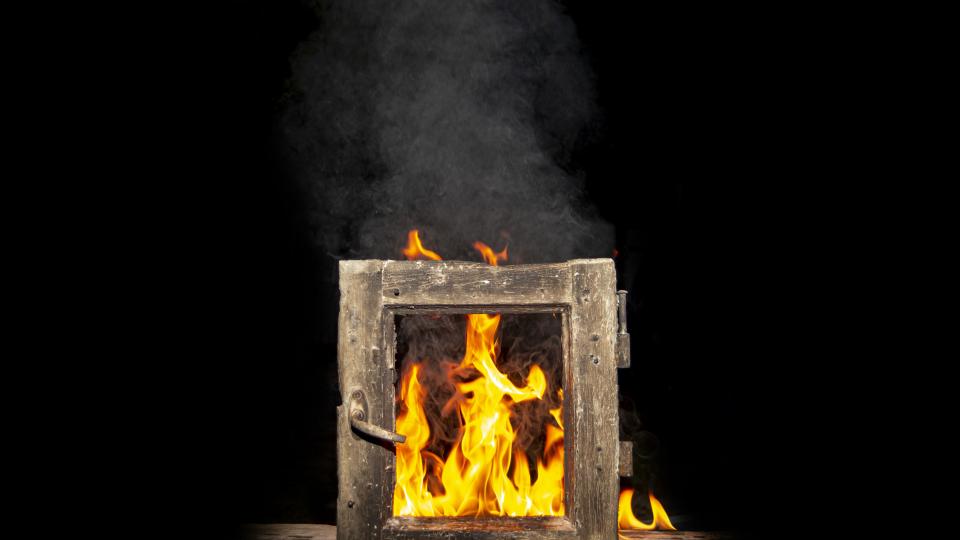
When the fire department pulls away, the house often goes quiet in a way that feels more unsettling than calm. The emergency may be over, but the damage is still present. Unfortunately for many homeowners, that’s when uncertainty sets in. Questions about safety, cleanup, insurance, and next steps begin to stack up quickly.
This is the moment where planning matters more than speed. Fire damage restoration is not a single task, but a sequence of decisions that affect health, finances, and the long term stability of the home. Understanding what comes next helps homeowners move forward with clarity instead of reacting under stress.
The Hidden Damage Left Behind
Even small fires can leave behind complex damage. Smoke travels farther than flames, soot settles into fabrics and ventilation systems, and water used to extinguish the fire often creates secondary issues inside walls and floors. Odors linger, surfaces corrode, and moisture becomes trapped where it cannot dry on its own.
Professional restoration begins with assessing these less visible risks. Certified fire restoration companies use moisture detection tools, air quality testing, and containment methods to prevent cross contamination. This early evaluation shapes the entire recovery process, from what can be salvaged to what must be removed for safety.
Why Cleanup Is Not a DIY Project
Homeowners often feel pressure to start cleaning immediately, partly to regain control and partly to reduce visible damage. As so many learn the hard way, improper cleanup can make restoration harder. Scrubbing soot can smear it deeper into surfaces, and airing out smoke damaged rooms without filtration can spread contaminants.
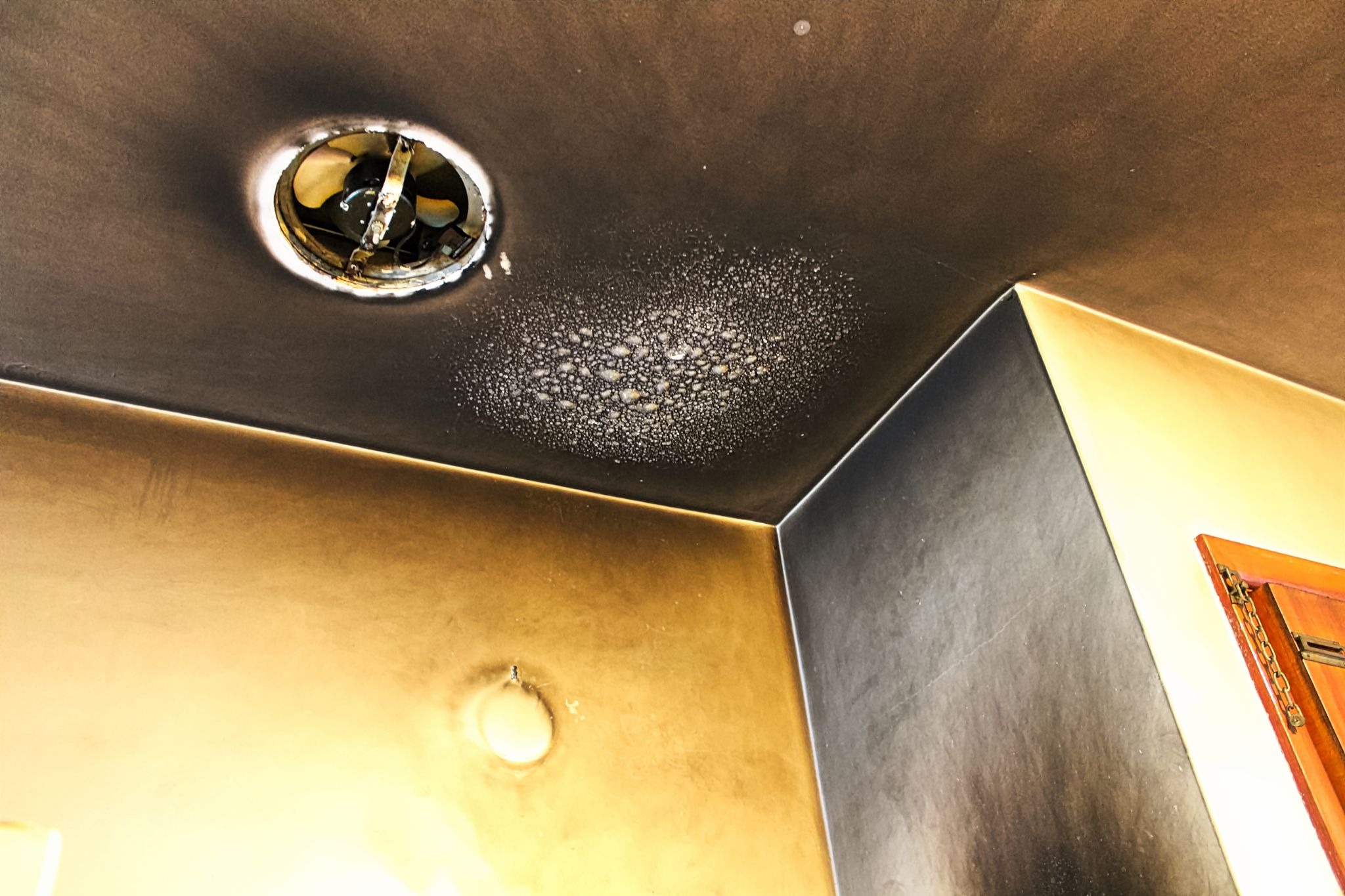
A professional restoration provider coordinates debris removal, smoke and soot remediation, structural drying, and odor control in the correct order. This is also where insurance documentation becomes critical. Accurate photos, moisture readings, and written assessments protect homeowners during the claims process, especially when damage develops days or weeks later.
Navigating Insurance Without Guesswork
Insurance coverage after a fire can feel opaque, particularly when adjusters, contractors, and temporary housing are all involved at once. Restoration companies that work routinely with insurance carriers help bridge that gap by documenting damage thoroughly and aligning repair plans with policy requirements.
Apex Disaster Management approaches this phase with accountability rather than urgency alone. As a TrustDALE certified partner, the company has been vetted for transparency, licensing, and business practices, giving homeowners a clearer path through an already stressful process. Their role centers on restoring the property while helping homeowners understand what is happening and why.
Restoration Is Also About People
Fire damage affects more than structures. It disrupts routines, displaces families, and often brings emotional weight that is easy to underestimate. Restoration teams that work with sensitivity understand that homeowners are not simply managing a project, they are recovering from an event.
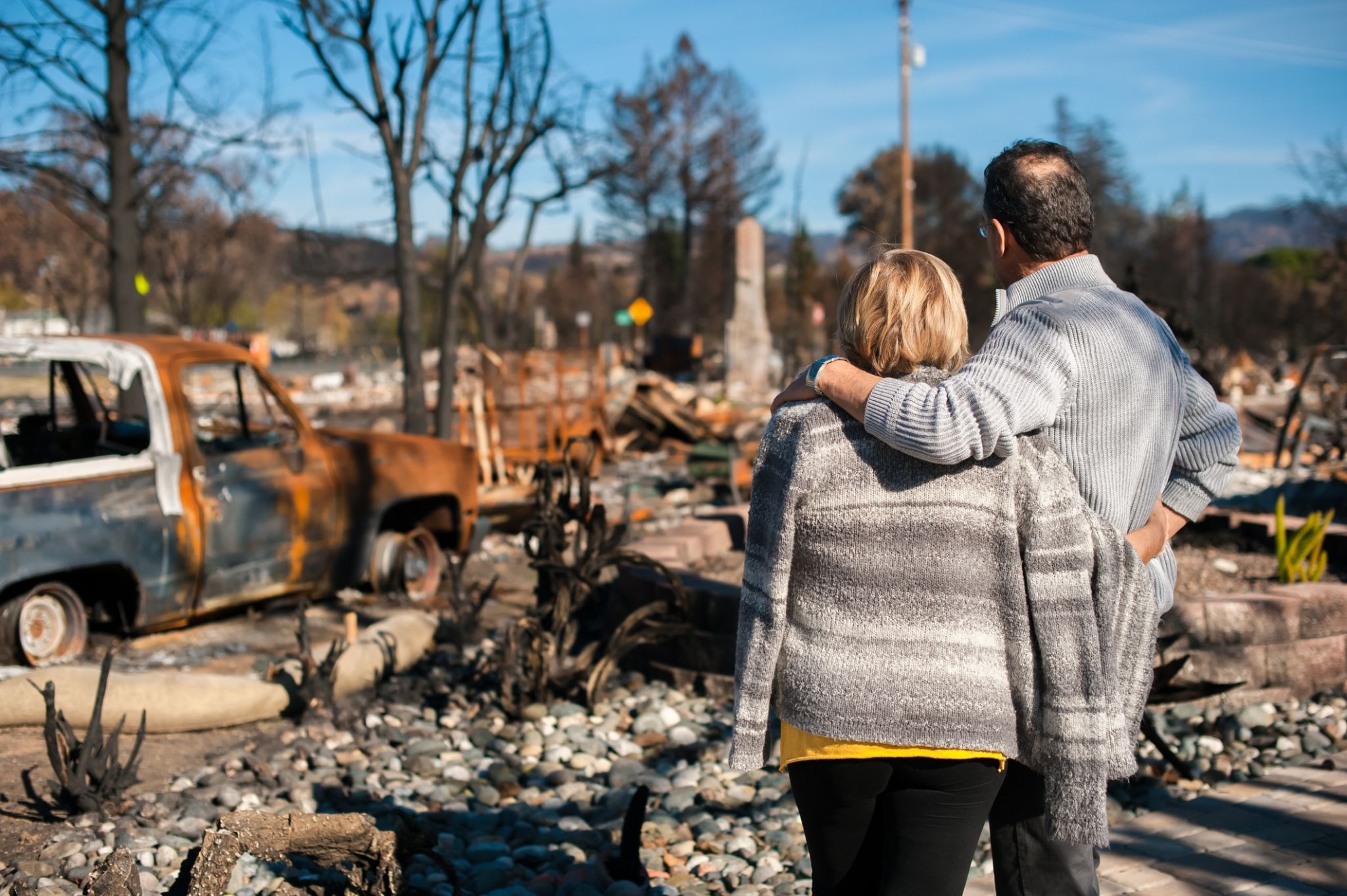
Apex Disaster Management focuses on coordinated restoration services that address fire, smoke, and water damage together, reducing delays and minimizing repeated disruptions. Clear communication and realistic timelines help homeowners regain stability while repairs move forward.
Taking the Next Step With Confidence
The hours and days after a fire shape the entire recovery. Choosing a qualified, accountable restoration partner helps ensure that cleanup is thorough, insurance documentation is accurate, and the home is restored safely rather than cosmetically.
If you are facing fire damage, TrustDALE encourages homeowners to connect with certified partners like Apex Disaster Management, professionals who understand both the technical and human sides of recovery. The emergency may be over, but thoughtful restoration is what truly allows families to move forward.