

Why Slowing Down Before You Pay Really Matters
In a world filled with new offers, new companies, and new forms of communication, it is easier than ever to hand over money without thinking twice. Scammers rely on that. They know most people are busy, and they know speed is their best weapon.
This article breaks down three simple questions that can help protect your money and your peace of mind. If you make this checklist a habit, you will be safer from the most common tricks used today.
Question One: Who Am I Really Dealing With?
This is the question scammers hope you skip.
Anyone can sound convincing in a phone call or a message, but legitimate businesses leave a trail. Check the company’s license, confirm their physical address, and look for reviews from verified sources. If they claim to have a business, but nothing shows up online? That’s a sign to be very cautious.

If you ask direct questions and they change the subject or grow defensive, that’s another huge red flag. Real companies expect customers to verify their legitimacy, and will be happy to answer any questions you have.
Scammers? Nah. They’ll be skilled at making you feel guilty or silly for asking normal questions.
Question Two: Where Is My Money Going?
The manner in which someone asks to be paid tells you a lot about their intentions.
If they demand cash, gift cards, or a wire transfer, sashay away, Diva. You hear about these payment methods a lot in particular because they’re the most difficult to trace, and nearly impossible to recover.
Real businesses offer secure payment options that create a paper trail. They use invoices, digital receipts, and trackable transactions. Scammers do the opposite. They want to quickly disappear with your money, which is why they demand the least secure payment methods right now.
Question Three: What Happens If Something Goes Wrong?
A legitimate company will always outline their responsibility if a service fails or a product breaks. They put agreements in writing. They share clear contact information. They offer customer service support.
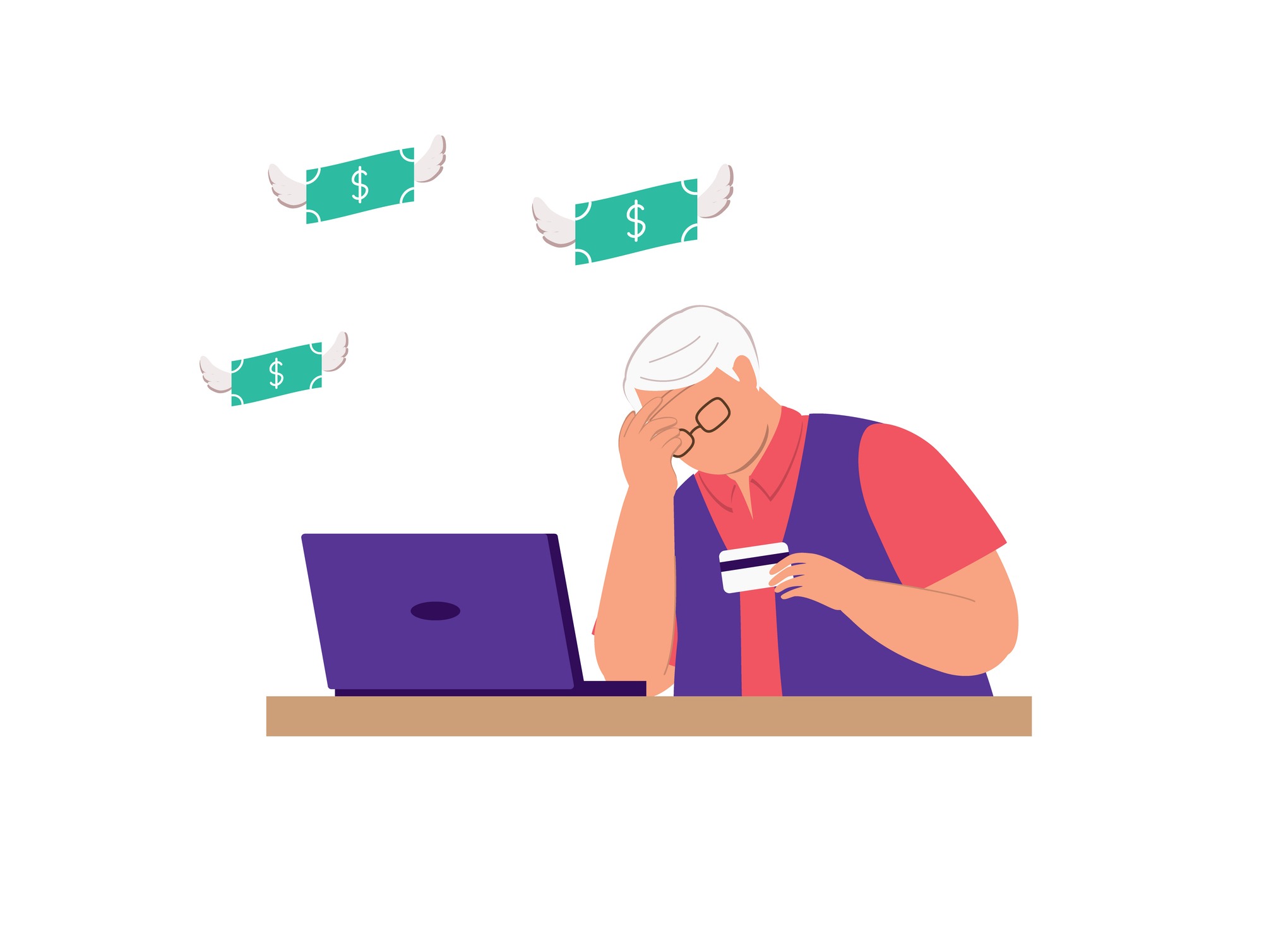
Scammers avoid all of this, because they have no intention of helping you after they are paid. If the person you are dealing with refuses to provide written details, or if the agreement feels vague and rushed, trust your gut. Lack of accountability is one of the strongest signs of a scam.
Why Slowing Down Protects Your Wallet
Remember this acronym: F. F .F.
That stands for Fast Funds Found – meaning that funds that must be found fast are usually gone just as quickly, and with no recourse. Scammers want you to rush. They want you to trust without checking.
The best defense is taking a moment to think things through before you pay. Even one minute of careful review can reveal the truth. When you pause, the pressure breaks and the scammer loses control over you.
A Deeper Guide to Outsmarting Modern Scams
If you want to learn more about how scams work and how to stay protected, check out Dale’s new book, Don't Get Scammed: Get Smart!: Seven Steps to Outsmart Today's Most Dangerous Post-COVID Scams. It’s available now on Amazon, and offers practical steps that anyone can follow.
The more you understand the tactics behind scams, the easier it becomes to spot them and protect your money.