

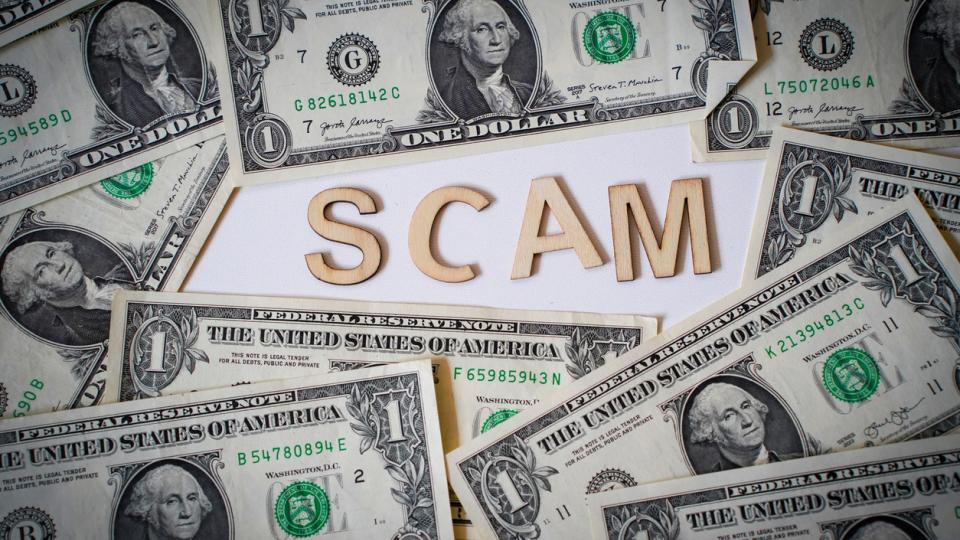
If a call or text says money is waiting for you, it’s easy to feel a jolt of excitement before common sense has a chance to catch up. That’s exactly what makes unclaimed funds scams so effective. The message sounds official, the amount sounds tempting, and the pressure often shows up fast.
In this blog, you’ll learn how these scams work, which red flags matter most, and how to check for legitimate unclaimed property without putting your money or personal information at risk. You’ll also see why a calm, methodical response is your best protection when a surprise message claims you’re owed cash.
Why this scam works so well
Unclaimed property is real. States do hold forgotten bank balances, insurance payouts, uncashed checks, utility deposits, stocks, and other assets until the rightful owner claims them. That sliver of truth gives scammers a very useful disguise.
The problem starts when a caller or texter wraps that truth in urgency. They may claim you’re eligible for thousands of dollars, name a government sounding office, or insist the deadline is about to expire. The FTC says that when someone contacts you unexpectedly about unclaimed funds, asks for personal information, or wants an upfront fee to release the money, you should treat it as a scam.
A lot of people still expect fraud to sound sloppy or obvious. That’s old thinking. The newer version is polished, specific, and confident. It doesn’t need to scream to be dangerous. It just needs to catch you off guard for a few seconds.

The red flags that deserve an immediate stop
The biggest warning sign is contact you didn’t initiate. If you never searched for missing money and suddenly someone is calling or texting with “good news,” that alone should slow you down.
Pressure is another giveaway. A real government process does not need a theatrical countdown. Scammers love phrases like claim period extended, final notice, immediate verification required, or funds will be forfeited today. They want speed because speed leaves no room for questions.
Fees are another hard stop. You should not have to pay someone to “unlock” your unclaimed property. Official state programs let consumers search for and claim eligible property for free through government channels, and NAUPA points consumers to official state sites for that reason.
Then there’s the personal data grab. A scammer may ask for your Social Security number, banking details, date of birth, or photos of identity documents before you’ve verified anything. That is not a minor step in the process. That is often the whole point.
How to check if the money is real
Start from the front door, not the side entrance. In other words, don’t use the phone number, link, or website sent in the message. Go directly to your state’s official unclaimed property office through a trusted source and search there yourself.
For Georgia consumers, you can search for any potential unclaimed property online through the Department of Revenue.
Legitimate unclaimed property searches are usually simple. You enter your name, maybe search past states where you lived, and review any matches. It may take a little patience, especially if you’ve moved or changed names, but the process should feel administrative, not dramatic.
Consumers sometimes assume a real claim will arrive neatly packaged in a text with a link. That’s rarely how safe verification works. Real money can be found through real channels, but you need to be the one steering the search.

Don’t let urgency do the driving
Scam prevention often comes down to one unglamorous habit: pause before you respond. The moment you feel rushed is usually the moment you should stop.
That pause gives you time to ask a few useful questions:
Did I start this conversation?
Is this person asking for money?
Are they trying to move me away from an official site?
Are they asking for sensitive details before I’ve verified the claim independently?
When you run through those questions, the fog tends to lift.
It also helps to remember that missing money does not become safer because you answer quickly. If the property is genuinely yours, it can be verified through the proper channels. A scammer, on the other hand, depends on emotional momentum. Once that evaporates, the pitch starts to wobble.
What to do if you get one of these messages
Don’t click. Don’t call back from the number provided. Don’t send documents. Go straight to your state’s official unclaimed property program and search on your own. If the message was fraudulent, report it to the FTC and then warn someone else about it. A quick conversation with a parent, neighbor, or friend can interrupt the next scam before it lands.
This is one of those consumer threats that hides inside hope. People want the surprise to be real, and that’s understandable. Still, the smartest response is verification. When a caller says money is waiting, trust process over pressure every single time.
References
Federal Trade Commission. (2026, March 30). How to handle unexpected calls about unclaimed funds. https://consumer.ftc.gov/consumer-alerts/2026/03/how-handle-unexpected-calls-about-unclaimed-funds
National Association of Unclaimed Property Administrators. (2026). Search for your unclaimed property (it’s free). https://unclaimed.org/search/