

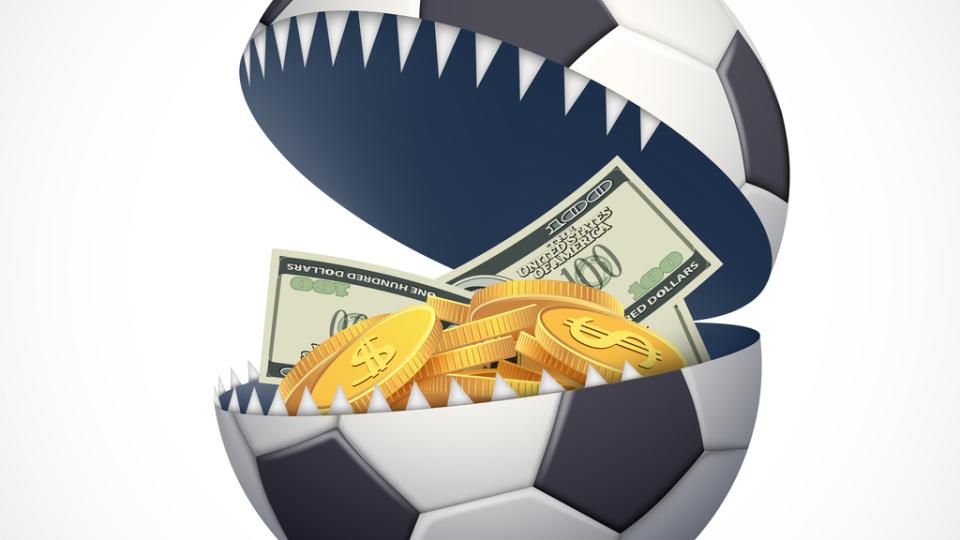
The 2026 World Cup is going to draw enormous crowds, enormous excitement, and, predictably, enormous scam activity. Big global events create the perfect hunting ground for fraudsters because people are moving fast, spending big, and making decisions with emotion instead of caution. When tickets feel scarce and travel plans start stacking up, that’s when bad actors step in and try to turn fan excitement into easy money.
In this blog, you’ll learn where World Cup scams are most likely to show up, how to spot red flags before you pay, and what smart travelers should do when buying tickets or handling travel paperwork. If you want the thrill of match day without the financial hangover, this is the checklist worth keeping in your back pocket.
Why major events bring out smarter scammers
Scammers love urgency, and for a lot of folks, what’s more urgent than The World Cup? Tickets are limited, travel windows are tight, and fans don’t want to miss their chance to be there. That creates the perfect setup for fake listings, cloned websites, social media ads, and polished resale offers that look legitimate at first glance.
This kind of fraud works because it doesn’t always look sloppy. Some scam sites mimic official branding, some listings appear through paid search results, and some sellers are really helpful, responsive, and completely believable! …right up until the payment clears and the ticket never arrives. A World Cup scam isn’t going to just announce itself with flashing lights and warning signs. Unfortunately, it’s going to look a lot closer to serendipitous convenience.
The ticket trap fans should take seriously
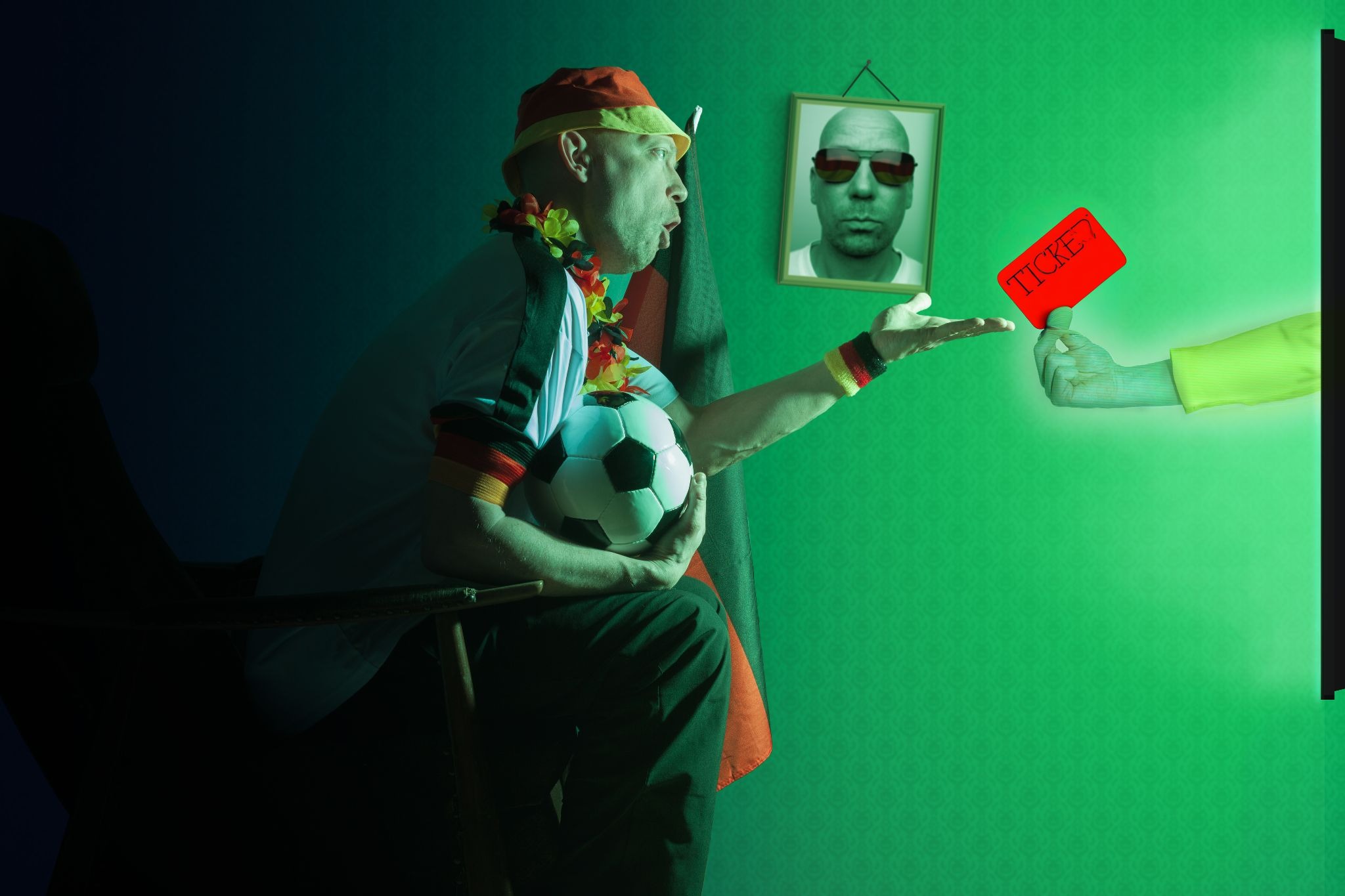
If you’re buying tickets, slow down before you click. The FTC says remaining tickets will be sold through FIFA’s official channels, including FIFA.com/tickets and the FIFA app, while resale tickets may appear on FIFA’s resale marketplace and third party platforms. The agency also warns consumers to watch for copycat websites, fake ticket offers, and sellers pushing paper tickets or screenshots even though most tickets will be delivered electronically through the FIFA app (FTC, March 17, 2026).
If the recent lawsuit against Live Nation and Ticketmaster has taught us anything, it’s that scammers thrive in the resale space. A fake seller might offer a seat that doesn’t exist, sell the same seat to multiple buyers, or promise transfer details that never come through. Before you buy from any reseller, look for plain, boring, unglamorous details. How are the tickets delivered? When will they arrive? What happens if the transfer fails? Is there a refund or replacement process? Consumer protection is not the exciting part of the purchase, but it’s often the part that saves you.
Travel paperwork can be its own scam zone
International fans face another risk that doesn’t get nearly enough attention. Travel document scams can be just as costly as fake tickets. Fraudulent sites may claim they can help with visas, passports, or ESTA applications (that’s the Electronic System for Travel Authorization) while charging inflated fees or pretending to offer services that should be handled through official government channels.
That matters especially for travelers coming to the United States. The State Department warns travelers about scams involving fake government representation, while CBP notes that third party sites often mislead travelers applying for ESTA by appearing official when they are not. If you need travel authorization, start with official government websites and nowhere else (U.S. Department of State; CBP).
A smarter buying mindset beats panic every time
The safest World Cup purchase usually feels a little less dramatic. It involves reading policies, verifying the website, checking delivery terms, and refusing to be rushed. That may not have the adrenaline of a last minute score, but it’s how experienced buyers protect themselves.
Be suspicious of sellers who pressure you to act instantly, ask for unusual payment methods, or offer workarounds that seem oddly casual for a massive international event. Be equally skeptical of links you find through ads or random social posts. Search intentionally, verify the URL carefully, and remember that a professional looking page can still be a fake storefront in a very convincing costume.
Keep the memory, lose the risk
A World Cup trip should be memorable for the match, the crowd, and the atmosphere pulsing through the stadium, not for the moment you realized your tickets were worthless. The good news is that avoiding most scams comes down to discipline, not luck. Buy through trusted channels, verify every step, and treat urgency like a warning sign instead of an invitation.
If something feels off, step back and check it before paying. That pause may not feel exciting, but it’s the move that protects your money, your plans, and the experience you’ve waited years to have.