

A text message about an unpaid toll or traffic ticket can land with a little jolt of panic. Maybe you drove through a toll recently. Maybe you don’t remember whether you paid that parking fee. Maybe the message looks official enough to make you wonder whether ignoring it could lead to late fees, court trouble, or a suspended license.
That nervous pause is exactly what scammers are counting on. Federal consume
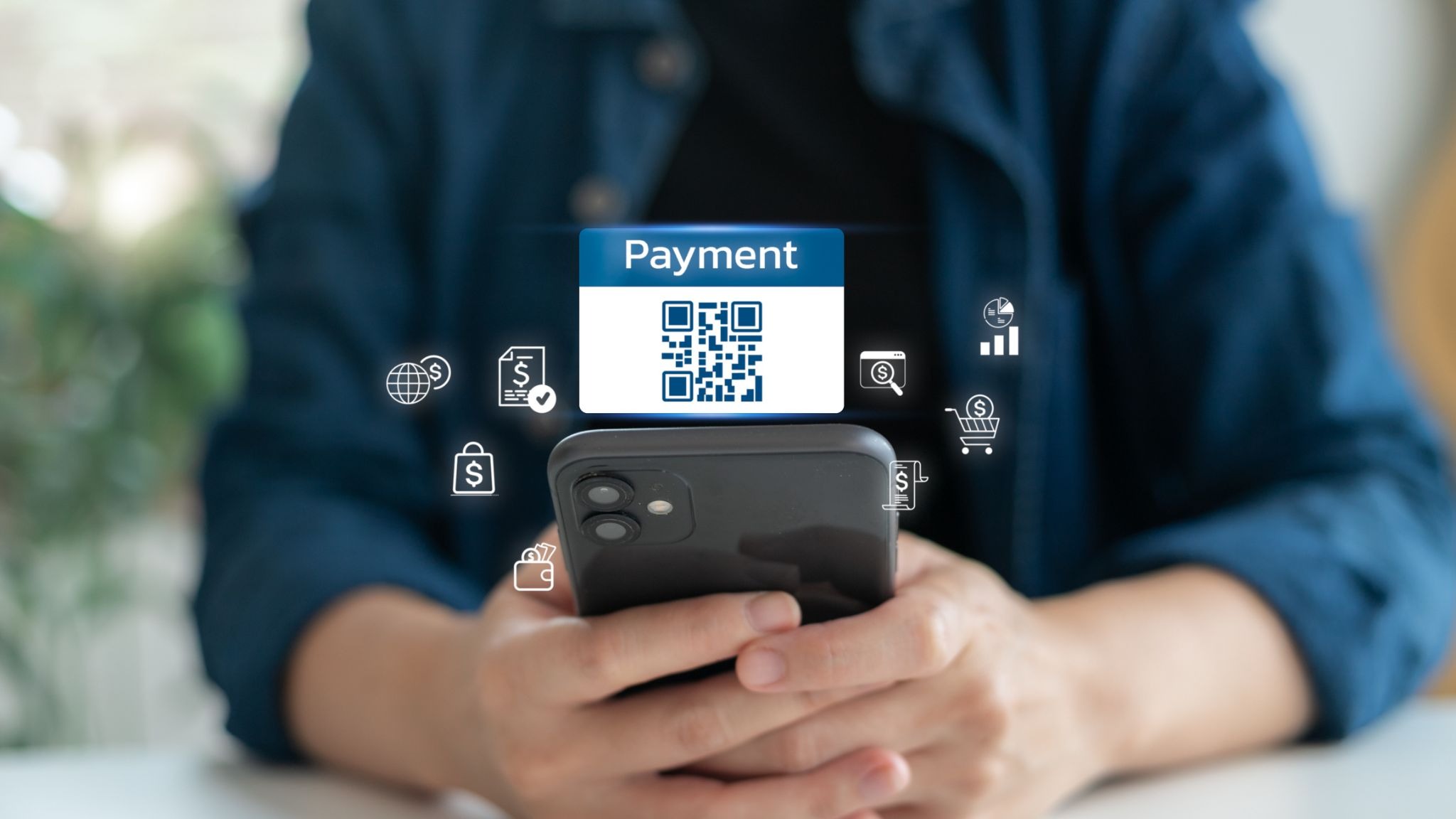
r agencies have warned that fraudsters are sending fake toll, traffic ticket, and court notice texts that pressure people to click links, scan QR codes, or pay small fines immediately. The Federal Trade Commission recently warned consumers about traffic violation texts that may include a QR code, a fake case number, an official looking seal, and a supposed court date, all designed to push people toward a fake payment page.
Why This Scam Feels So Believable
The fake unpaid toll scam has been circulating for more than a year, with scammers impersonating toll agencies and telling people they owe a small balance that must be paid right away. The FBI’s Internet Crime Complaint Center warned in 2024 that many of these texts used similar language, changed phone numbers from state to state, and sent people to lookalike websites pretending to be legitimate toll services.
Now the scam has widened into fake traffic violations and court notices. The FTC says these messages may tell recipients they can either attend a fake hearing or pay the fine immediately. That detail matters because it turns a simple text into a miniature legal drama, complete with a deadline and consequences. Recent local reports (like here, and here ) show the same pattern appearing in different parts of the country, including fake court documents and QR code payment demands tied to supposed traffic citations.
Scammers also understand that small dollar amounts can lower people’s guard. A demand for thousands of dollars might trigger suspicion, while a modest toll balance or traffic fine can feel annoying enough to pay quickly. The real damage may come after the click or scan, when the fake site asks for a credit card number, driver information, address, or other personal details.
Red Flags in Toll and Traffic Ticket Texts
A real notice from a government agency, court, or toll authority should never make you feel rushed into paying through a random link or QR code. The FCC warns that toll scam texts often claim the recipient owes money, threaten account suspension or penalties, and include a link that looks official but leads to a phishing site.
Before you pay, slow the moment down and look for warning signs:
- The message came from an unknown number, a strange email address, or an out of state area code.
- It demands immediate payment to avoid court, extra fees, suspension, or arrest.
- It includes a QR code or shortened link instead of directing you to an official website.
- The agency name, court name, or state seal looks slightly off.
- The message asks for personal information, banking details, or card numbers.
- You never received a paper ticket, toll notice, or official mailed notice.
- The payment page asks for more information than a legitimate fine payment should require.
One of the safest habits is to treat every unexpected payment text as unverified until proven otherwise. Even if you recently drove through a toll lane or received a citation, don’t use the link or QR code in the message. Go directly to the official agency website through your browser, log into your account if you have one, or call a published customer service number you found independently. The FCC recommends checking your account through the legitimate toll service website or a verified phone number before sending money or personal information.
What To Do If You Receive One
The best response is usually no response. Don’t click the link. Don’t scan the QR code. Don’t reply, even to say “stop,” because that may confirm your number is active. The FTC advises consumers to report suspicious texts, then delete them after checking through official channels.
If the text claims to be from a toll agency, court, DMV, police department, or local government office, search for that agency yourself. Use the official website, not the link in the message. If the notice mentions a specific court date or citation number, call the court clerk or agency using a number listed on a government website. A legitimate fine should be traceable through official records.
You can also forward suspicious texts to 7726, which spells SPAM on most phone keypads. The FCC says most mobile carriers allow customers to report spam texts this way, and it also recommends blocking suspicious senders when possible. Fraud can also be reported to the FTC through ReportFraud.ftc.gov.
If You Already Clicked or Paid
If you clicked a link or scanned a QR code but did not enter information, close the page and avoid interacting further. If you entered a credit card number, bank information, Social Security number, driver’s license number, or login credentials, act quickly. Contact your bank or credit card issuer, watch for unfamiliar transactions, and change passwords tied to any account you may have exposed.
If you paid with a credit card, ask your card issuer about disputing the charge and replacing the card. If you entered sensitive identity information, consider placing a fraud alert or credit freeze with the major credit bureaus. A small fake toll charge can be the bait, while identity theft is the hook hiding underneath the waterline.
The Bottom Line for Consumers
Scam texts work because they interrupt ordinary life with urgency. A phone buzzes, a fine appears, and the message tries to make paying feel easier than thinking. That’s the trap.
Real agencies give consumers reliable ways to verify what they owe. Scammers try to keep you inside their message, their link, their QR code, and their payment page. When in doubt, step outside the text. Look up the agency yourself, verify through official channels, and report anything suspicious before deleting it.
TrustDALE encourages consumers to pause before paying unexpected charges, especially when a message uses fear, urgency, or official looking graphics to push a quick decision. Whether you’re checking a toll notice, hiring a home service company, or responding to a payment request, verification is one of the simplest protections you have. For trusted local guidance and vetted service providers, start with TrustDALE before money changes hands.