

Buying a home should feel like a finish line. After weeks or months of searching, negotiating, and paperwork, closing day is supposed to be the moment everything comes together. Instead, for some buyers, it’s becoming the exact moment everything falls apart.
In this blog, you’ll learn:
- how this wire fraud scam works
- why it’s so effective
- the warning signs that often go unnoticed
- the steps you can take to protect your money before it’s too late.
The Message That Looks Exactly Right
This scam doesn’t rely on sloppy mistakes or obvious red flags. It works because it looks legitimate. You’ll receive an email or text that appears to come from your real estate agent, title company, or closing attorney. The tone feels familiar, the timing makes sense, and the request seems to be pretty routine.
The twist comes when you’re told there’s been a last minute change to wiring instructions. It may be framed as a scheduling issue, a banking delay, or just a necessary correction. The message explicitly urges you to act quickly so you don’t delay closing.
At that moment, with all the stress and urgency already associated with real estate transactions, many folks wouldn’t think twice about receiving this message… which is exactly the point.
Why This Scam Works So Well
Homebuyers are uniquely vulnerable during closing. The pressure and uncertainty, the tight timelines, and the large amounts of quick moving cash is never not overwhelming. Not to mention that most people are wiring funds for the first time, meaning they don’t always know what “normal” looks like.

This type of fraud falls under what the FBI calls Business Email Compromise, or BEC. It’s one of the fastest growing and most financially damaging internet crimes, with billions of dollars in reported losses over the past several years. Real estate wire fraud is a specific version of that scam, where criminals insert themselves into a transaction and redirect funds meant for closing.
What makes it especially dangerous is the timing. Criminals often gain access to real email conversations, then wait until money is about to move. When they step in, everything looks accurate because, well, most of it actually is.
Where Your Money Goes After You Send It
Once the wire is sent, it doesn’t just sit in one place.
It moves.
Fast.
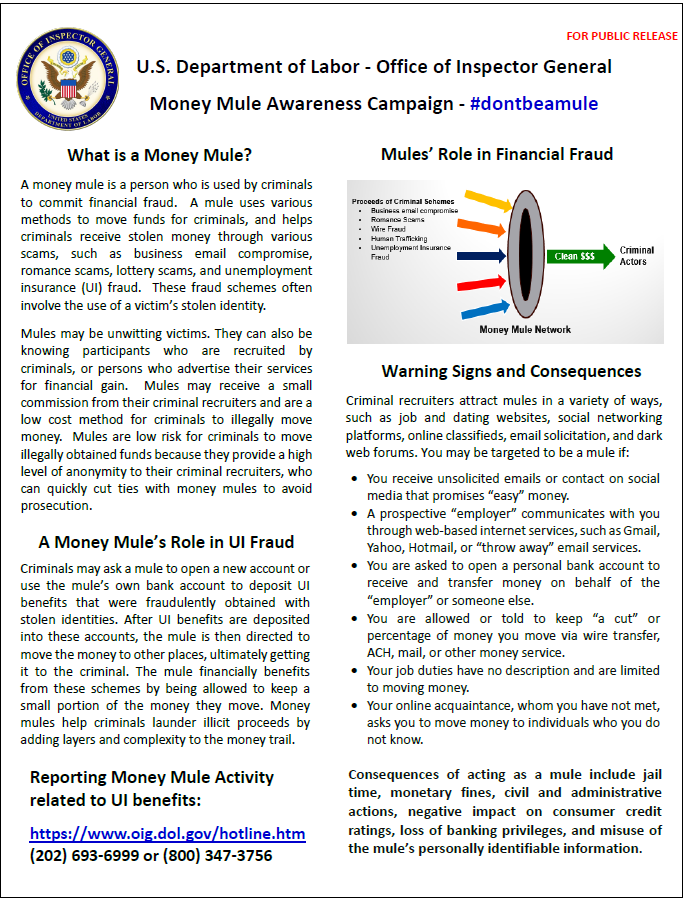
In many cases, the money is routed through multiple accounts, sometimes within minutes. Criminals use networks of people known as “money mules” to help move and hide stolen funds. Some of these individuals know exactly what they’re doing, but some just think they’re helping with a job or favor, not realizing they’re part of a larger fraud operation.
According to the FBI, money mules are often recruited online and asked to move funds through their personal accounts, sometimes in exchange for a small cut . That layering process makes the money harder to trace and even harder to recover.
By the time a buyer realizes something went wrong, the funds have usually been dispersed across multiple accounts, sometimes overseas. At that point, recovery becomes extremely difficult.
You can access the FBI’s Money Mule Awareness booklet in full by clicking here.
The Red Flags Most People Miss
Even a convincing scam leaves clues. The problem is recognizing them when everything feels urgent.
A few things should immediately raise concern:
- Last minute changes to wiring instructions
- Pressure to act quickly to avoid delaying closing
- Messages that shift from email to text unexpectedly
- Slight changes in email addresses or contact details
- Requests that discourage calling to verify
None of these on their own guarantee a scam. Put together, they should stop you in your tracks.
How to Protect Yourself Before You Wire Funds
The safest buyers treat wiring instructions as something that should never change without direct confirmation. That one mindset can shut this scam down before it starts.
Start by confirming wiring instructions early, ideally several days before closing. Don’t wait until the last minute when everything feels rushed.
Always verify instructions by calling your title company or closing attorney using a trusted phone number. Not one given to you in an email or text message. Use a verified phone number from a reliable source.
Avoid sending sensitive financial details over email whenever possible. Secure portals exist for a reason, and they’re worth using.
And most importantly, slow down. A legitimate professional will never rush you past a security check..
Why Slowing Down Is the Smartest Move You Can Make
There’s a lot of pressure baked into closing day. After all, nobody wants to be the reason things get delayed, and scammers count on that mindset.

But the reality is that a short delay to verify wiring instructions is nothing compared to the consequences of sending your life savings to the wrong account. Legitimate professionals expect caution, they do not penalize it.
Wire fraud at closing works because it feels like a small, routine change in a high stakes moment. The best defense is treating every financial instruction like it matters, because it does.
Final Thoughts: Protect the Finish Line
This scam doesn’t break into your bank account, it just convinces you to leave the door unlocked.
If you’re buying a home, take control of the final step:
Verify everything.
Question anything that changes.
Give yourself permission to slow the process down when money is on the line.
When closing day finally arrives, the goal isn’t just to get through it. It’s to walk away with your home, and your savings, fully intact..