

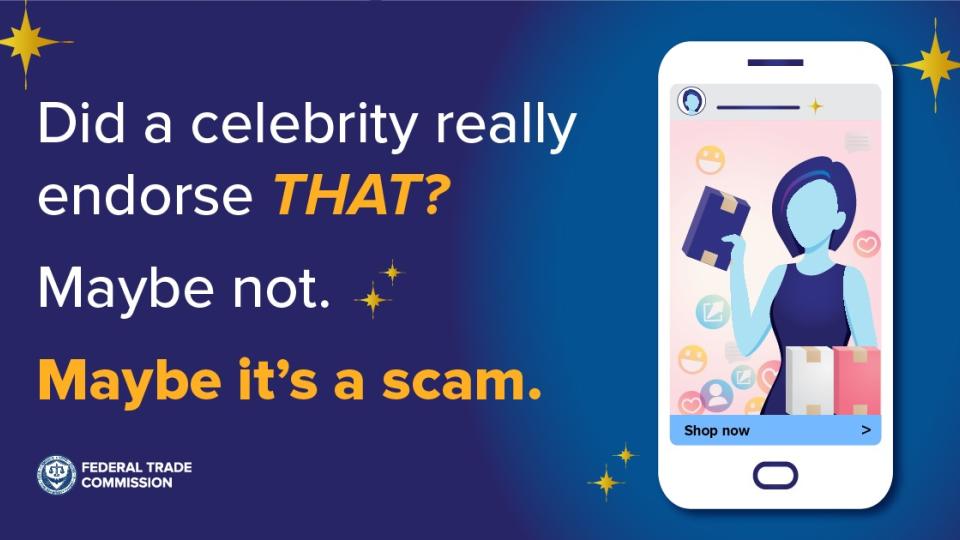
A familiar face can make a product feel safer than it is. That’s exactly why fake celebrity weight loss ads are getting so much traction online, especially when the video looks polished, the voice sounds convincing, and the product promises the kind of effortless result people badly want to believe.
This blog looks at how AI deepfake weight loss scams work, why these ads can feel unusually persuasive, and what consumers should check before buying pills, powders, gummies, teas, or “natural” weight loss products from a social media ad.
The New Face of an Old Weight Loss Scam
Weight loss scams have been around for decades, but AI has given them a sharper costume. Instead of a grainy pop up ad or a suspicious email, consumers may now see a video that appears to show a celebrity, influencer, or doctor talking directly about a product. The Better Business Bureau reported that they have received more than 200 reports from consumers who’ve seen social media ads for weight loss products supposedly endorsed by trusted celebrities.
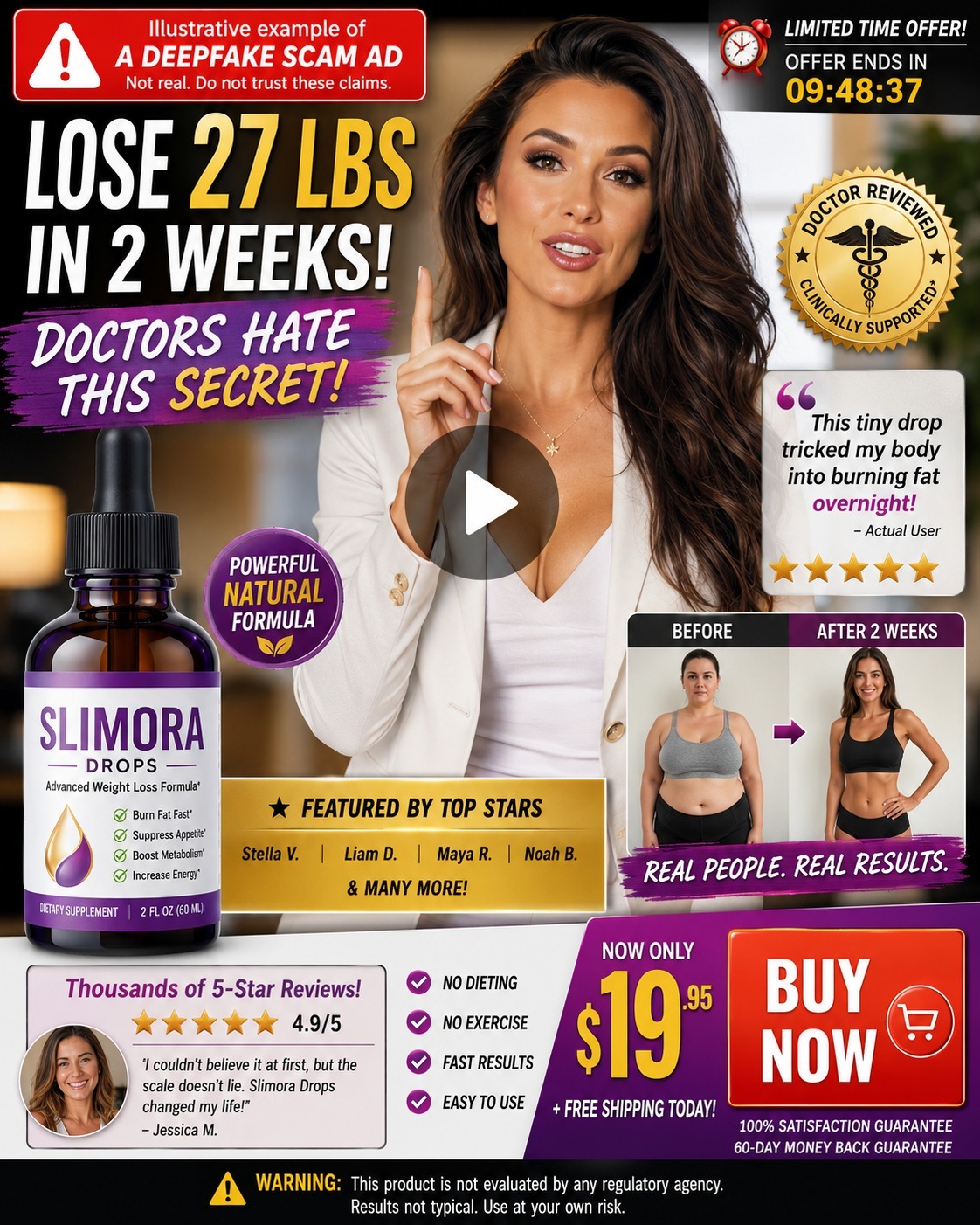
That’s exactly what makes this revolutionary type of scam so… slippery. The fake endorsement borrows credibility from someone people already recognize, like Oprah Winfrey, then rushes them toward a purchase before they have time to question the source. The ad may lead to a checkout page with glowing reviews, countdown timers, bundle offers, or claims that the product is nearly sold out. By the time the buyer realizes the celebrity never endorsed it, the charge may already be on their card.

Why Deepfake Ads Feel So Convincing
A deepfake weight loss ad doesn’t need to be perfect. It only needs to look real enough for a few seconds while someone is scrolling. A familiar face, a confident voice, and a dramatic before and after claim can do a lot of damage when they arrive inside a platform people already use every day.
The Federal Trade Commission has warned that scammers are using fake celebrity and influencer testimonials, including doctored video and audio, to make endorsements look legitimate. They recommend searching the celebrity’s name, the product name, and words such as “scam” or “fake” before buying. The agency also warns consumers to resist pressure to purchase quickly, since urgency is one of the easiest ways scammers keep people from doing basic research.
Real endorsements should be easy to verify outside the ad itself. If a celebrity, physician, or major media outlet truly promoted a product, there should be credible evidence beyond a single sponsored video or a checkout page. When the only “proof” appears inside the sales funnel, the whole thing deserves a slower look.
The Health Risk Behind the Checkout Button
A fake endorsement can drain your wallet, but weight loss products can also create a health concern. According to the FDA, many products marketed for weight loss, including diet pills, fat burning pills, supplements, pills, and teas, may contain dangerous hidden ingredients. Also, some products are falsely advertised as dietary supplements, food, or all natural treatments, and may still be shared heavily through social media.

That’s especially important for anyone taking prescription medication, managing a medical condition, or trying a product that claims fast results without diet, exercise, medical supervision, or a prescription. “Natural” doesn’t automatically mean safe, and a celebrity face in an ad doesn’t replace medical guidance. Before trying any weight loss supplement, it’s worth asking a healthcare professional whether the product is appropriate for your health, medications, and goals.
Red Flags Before You Buy
A weight loss ad deserves extra scrutiny when the offer depends more on emotion than evidence. Watch for:
- Fake celebrity or doctor endorsements that only appear in social media ads
- Promises of rapid weight loss without meaningful lifestyle changes
- Countdown timers or “limited supply” pressure
- Missing ingredient lists
- Confusing subscription terms
- Checkout pages with no clear company information
- Before and after images that look overly polished or reused
- Claims that a product works “like prescription medication” without requiring any kind of actual medical evaluation.
One red flag may not prove a scam, but several together should stop the purchase. The safest move is to leave the ad, search for the product independently, review complaints through consumer protection sources, and check whether the company provides a real physical address, clear refund terms, and accessible customer service.
What to Do if You Already Bought One
If you already purchased a product from a suspicious ad, start by saving screenshots of the ad, receipt, website, product label, and any emails or texts. Contact your card issuer if you see unauthorized charges, recurring billing, or a company that refuses to honor its refund policy. If the product caused a reaction or made you feel unwell, stop using it and contact a healthcare professional.
You can also report the ad or account on the social media platform, file a report with the FTC, and use BBB Scam Tracker to help warn other consumers. Scam reporting may feel small in the moment, but it leaves a breadcrumb trail for investigators and gives future buyers a better chance of spotting the trap.
The Bottom Line
AI has made fake weight loss ads smoother, faster, and harder to recognize at a glance. The safest habit is simple: don’t buy health products directly from a celebrity ad, especially when the ad pushes urgency, miracle results, or a checkout page you can’t verify anywhere else.
Before you spend money, step outside the ad and do your own search. A real product can survive a little daylight.