
The subject of WHISTLEBLOWERS has been on my mind a lot lately, both because of the current state of local journalism and because of a new book by my friend, former DeKalb County District Attorney J. Tom Morgan, called A Rainy Night In Georgia.
A whistleblower can expose misconduct that people in power would rather keep hidden. That's a powerful thing. But it often comes with personal risks to a career, reputation and even safety.
I've spent 40 years as an investigative journalist, and if there's one thing I've learned, it's this: the truth almost never announces itself. Someone has to bring it forward. Usually at real personal risk.
That's the subject of the newest episode of my Trust Issues podcast, "Whistleblowers: The Price of Truth," where I sat down with J. Tom Morgan to discuss one of the most jaw-dropping cases of our careers: the assassination of DeKalb County Sheriff-elect Derwin Brown, and the whistleblower tip that set the whole thing in motion.
If you've never heard this story, buckle up. If you have, you probably don't know the half of it.
What Exactly Is a Whistleblower?
The word goes back to the 1800s — cops and referees literally blowing a whistle to call out a foul. Today it means someone who exposes illegal, secret or unethical activity happening inside an organization: an employee, a former employee, a contractor, a witness, or, in a criminal case, someone on the inside who decides to flip.
Here's the part people get wrong: whistleblowers aren't automatically protected just because they spoke up. Legal protection depends on the law, the reporting channel, and the specific circumstances. That's a big deal, and it's exactly why I always tell potential sources: talk to a lawyer before you talk to anyone else.
A Tip Isn't a Story — It's a Starting Line
I can't stress this enough: a tip is where the work begins, not where it ends. Every claim I've ever reported had to survive documents, public records, interviews and corroborating evidence before it saw daylight.
That discipline is what separates real accountability journalism from a rumor with good timing. It's also what turned a single anonymous source into the biggest story of my career.
The First Whistleblower Story I Reported
My first major experience with a whistleblower began on December 12, 1985. An Arrow Air flight carrying 250 American soldiers and eight crew members crashed near Gander, Newfoundland, as the troops headed home for the holidays.
Three days later, a young woman called me at TV 43 in Hopkinsville, Kentucky. Her fiancé had died in the crash, and she told me he had mailed her an audio tape shortly before the flight. On that tape, he described his fear of flying on what he called a “rickety old plane.”
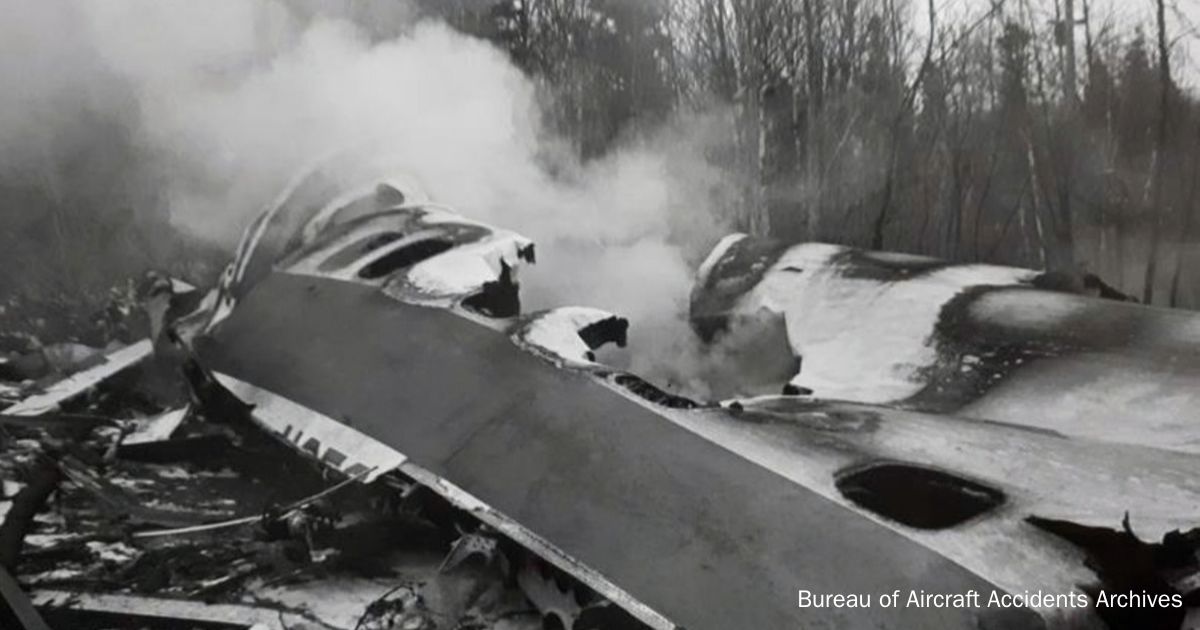
Arrow Air Flight 1285 crashed in Gander, Newfoundland on December 12, 1985, killing all aboard including 250 American soldiers
A Tape That Raised A Larger Safety Question
I was a young reporter, but I understood the importance of what I was hearing. The tape led to an investigation about the Army’s use of substandard charter carriers to transport soldiers.
The story moved beyond a single crash because it raised public health and safety questions about how American troops were being transported. Congress responded by ordering an end to chartered, non-military personnel flying troops until safety standards could be reviewed and upgraded.
The sequence showed how a source can turn a private warning into a public issue:
- A military transport plane crashed near Gander.
- A grieving fiancé shared a tape from one of the soldiers.
- The tape raised questions about the condition of the aircraft.
- Reporting exposed broader safety concerns.
- Congress ordered a review and changes to troop transportation practices.
The Case That Changed Everything: Derwin Brown
Before he was murdered, DeKalb County Sheriff-elect Derwin Brown was the reform candidate who beat a powerful incumbent, Sidney Dorsey. That upset didn't happen in a vacuum — it happened because a source came to me with allegations that Dorsey's deputies were clocking in on the taxpayer's dime and then working private security for his outside business interests.
I asked J. Tom Morgan point blank: is this legal?
His answer: "No way this is legal."
That reporting reached voters right before the election. Dorsey nearly won outright in the primary — he missed the runoff threshold by just 315 votes. But as more came out, the gap widened, and DeKalb County voters chose Brown instead.
"The whistleblower, along with the investigative journalism that took place, that's what defeated a very popular, charismatic incumbent sheriff," Morgan told me.
Then It Got Worse — Inmates, a Deputy on the Record, and a Murder
After the election, another tip landed: inmates from the DeKalb County Jail were reportedly being bused into Sherry Dorsey's — Sidney's wife's — political district to paint fences and do yard work at private homes. Free labor, no oversight, no public process.
My cameras caught it happening. And eventually, a deputy — Sergeant Joseph Murray — went on the record, explaining he'd been ordered to provide security at a bank, not realizing he was working a private gig on the county's payroll.
Three days before he was set to take office, Derwin Brown was shot 12 times in his own driveway, walking up to his front door carrying roses for his wife's birthday.
Within 30 minutes, police were at my door. My family spent weeks under protection, moving between hotels, using decoy cars just so I could keep reporting.
The case that started as a public corruption story became a murder investigation — and eventually, a conviction. Sidney Dorsey was found guilty and sentenced to life in prison. A cooperating co-conspirator, Deputy Patrick Cuffy, became one of the most important witnesses in making that happen.
"As Long As the Whistleblower Is Telling the Truth"
People love to attack a whistleblower's motives. They've got an ax to grind. They're bitter. They got passed over. Mark Felt — the Watergate source known as Deep Throat — faced exactly that criticism because he'd been passed over for FBI director.
Here's the thing: motive doesn't make information false. As Morgan put it to me: "As long as the whistleblower is telling the truth," the reason they came forward doesn't change the facts. Evidence has to carry the claim — not whether the source seems likable.
The Part Nobody Talks About: What It Costs the Family
This is the piece that stays with me. My daughter developed PTSD because she was afraid I'd be killed. Morgan later found out his 11-year-old son had started avoiding walking in front of windows in their own house.
Whistleblower protection laws can address things like wrongful termination. They can't the affect on your kids. That's the price of truth nobody puts in the headline.
Should You Come Forward? Read This First
If you think you've got information about real wrongdoing, don't post it on social media. Don't wait either. Here's what Morgan and I both recommend:
- Find a journalist who actually covers the issue — a local reporter with a track record on that agency, industry or beat.
- Ask for off-the-record first. That's different from "anonymous," and it's a lower-risk way to start the conversation.
- Stay off social media until it's been checked out. Public posts can tank an investigation before it starts.
- Hold onto your documents. Records, photos, dates, names — anything that supports what you're saying.
- Talk to an attorney before you talk to anyone else. They can walk you through whistleblower protections, retaliation risk, and whether something like a False Claims Act (qui tam) claim might even apply.
- Give it time. Real verification — records requests, interviews, corroboration — doesn't happen overnight.
Why Speaking Up Can Be Harder Today
Morgan believes modern tracking and surveillance make confidential meetings more difficult than they were during Watergate. Phones can reveal location information. Cell towers can help trace movement. Cameras can record vehicles and travel routes.
He said Mark Felt couldn't easily meet reporters in a parking garage today without risking being tracked.
Caution Matters Before Sharing Information
Morgan repeated advice once offered by a corrupt politician during the Tammany investigations: "Never write when you can speak, never speak when you can nod, and never nod when you can wink."
His point was that people should think carefully before creating a permanent record of sensitive information. A source should understand the security and legal limits of Anonymous reporting and Internal reporting before sharing sensitive material. Whistleblower protection varies by law and circumstance, so sources shouldn't assume every channel offers the same safeguards.
For federal employees, the Office of Special Counsel may provide a reporting channel for certain disclosures and prohibited personnel practices. It isn't a universal resource for every whistleblower or every type of allegation.
Social media creates a particular danger. I strongly advise potential sources not to post sensitive allegations publicly before the information has been checked. A source can be tracked, publicly attacked or discredited before the facts receive a fair investigation.
Steps Potential Whistleblowers Should Consider
A person who believes they have information about serious wrongdoing should not rush to post it online. The decision carries legal, professional and personal consequences.
Whistleblower laws differ by industry, employer and type of misconduct. Deadlines, confidentiality rules, protected-disclosure requirements, retaliation complaints and reward eligibility also vary by law.
Based on the discussion with Morgan, these are the steps I’d urge a potential source to consider:
- Research local investigative reporters who cover the relevant agency, business or issue. Federal employees may have different reporting routes involving an Inspector General or the Office of Special Counsel.
- Ask whether the initial conversation can be off the record before sharing sensitive details. Do not assume that anonymous reporting provides the same protection as speaking with an attorney.
- Do not post allegations on social media before a reporter has verified the information. Public statements can affect an investigation and may create professional or legal risks.
- Keep records, documents and firsthand details that can support the claim. A protected disclosure may have specific requirements, and statutory eligibility can affect access to whistleblower rewards.
- Speak with an attorney before moving forward with sensitive information. A lawyer can assess possible False Claims Act claims, including qui tam lawsuits, and explain when whistleblower rewards may be available.
- Give the journalist time to investigate, obtain records and seek corroboration. Securities-related issues may involve the Securities and Exchange Commission, the Dodd Frank Act or the Sarbanes Oxley Act, and those rules can affect whistleblower rewards.
Confidentiality And Legal Counsel
An off-the-record conversation means the journalist agrees not to identify the source. That agreement is different from anonymous reporting, which may conceal a source's name from the public but cannot guarantee permanent secrecy. Confidentiality agreements may also set terms, but they don't replace legal advice.
Journalists have faced legal pressure, and even the prospect of jail, rather than reveal confidential sources. Whistleblower protection isn't automatic, and whistleblower retaliation can create additional legal and professional concerns.
Morgan strongly recommended that potential whistleblowers seek legal counsel. Legal representation can help evaluate deadlines, reporting options and whether a retaliation complaint is available. It can also explain when whistleblower rewards might apply, rather than promising that any reward will be paid.
Attorney-client privilege can protect confidential discussions between a person and their lawyer. That protection differs from a journalist's off-the-record agreement, and it doesn't guarantee immunity or a particular result. Federal and state rules may also provide different forms of whistleblower protection when a person reports misconduct in the required way.
"Someone comes to me because I'm a licensed attorney," Morgan said. "They tell me something. I can go to you, a reporter, and say I've got this information, but I cannot reveal the source."
That arrangement can create a buffer between a source and a reporter, but whistleblower retaliation remains possible. Anyone considering a report should get advice about the facts, applicable deadlines and any whistleblower rewards before proceeding.
Public Service Requires Accountability
Morgan wrote A Rainy Night in Georgia after keeping records, transcripts and notes throughout the case. He first outlined the story and contacted Southern writers John Grisham and Pat Conroy. Conroy replied with advice Morgan never forgot: "This is your story. You need to write it."
During the isolation of the COVID-19 period, Morgan returned to the boxes of material he had stored away. He called me several times to verify facts as he wrote.
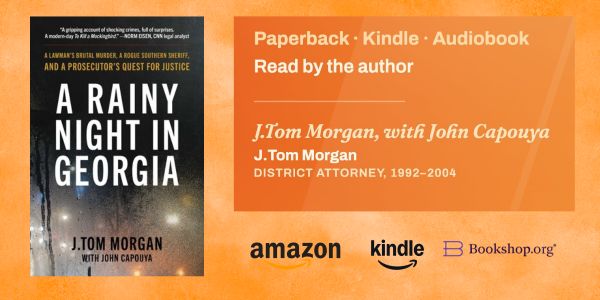
You can find A Rainy Night In Georgia on Amazon
The Lesson Morgan Carried Forward
Morgan said readers and students often see current issues in the case: First Amendment rights, investigative reporting, teamwork, the power of county sheriffs and the discretion held by prosecutors.
Modern accountability systems offer different channels, depending on the source and the facts. Some Federal employees may seek guidance from the Office of Special Counsel. Securities concerns may instead reach the Securities and Exchange Commission. An Inspector General may handle other allegations, but protections vary by role and law. Whistleblower rewards may be available under some statutes, while others provide different remedies or financial incentives. Those Whistleblower rewards don't determine whether evidence is truthful.
His predecessor, Robert Wilson, left him a note when he left office: "J. Tom, do the right thing." Morgan said that became a rule for his work.
He also cited Justice Robert Jackson's warning that a prosecutor has more control over "life, liberty, and reputation" than any other person in America. That power requires prosecutors to follow evidence and justice, rather than political pressure.
Accountability Also Protects Consumers
My work investigating government corruption taught me that people who depend on public ignorance can do great harm. That lesson later shaped my work at TrustDALE, where I focus on helping consumers avoid dishonest businesses and identify accountable companies.
The same evidence-based standards guide consumer investigations at TrustDALE. We examine claims, verify facts and help people make informed decisions about the businesses they trust.
The work is different from a criminal prosecution, but the standard is the same. Consumers deserve clear facts, honest answers and businesses that stand behind their work.
Frequently Asked Questions
What is a whistleblower?
A whistleblower is someone who reports illegal, secret or unethical activity within an organization. The person may be an employee, former employee, contractor, witness or other source with relevant information.
Does whistleblower protection apply to every report?
No. Protection depends on the applicable law, the type of misconduct, the person's role and whether the report was made through a qualifying channel. Whistleblowers should not assume that an anonymous, internal or public report provides the same safeguards.
How should a whistleblower verify information before reporting it?
A whistleblower should preserve documents, records, photographs and firsthand details that support the claim. A journalist, investigator or attorney can help evaluate the information, but serious allegations still require independent corroboration.
Can a whistleblower receive a financial reward?
Some laws provide whistleblower rewards when information helps support a successful claim, including certain False Claims Act or securities matters. Rewards are not automatic, and eligibility depends on statutory requirements such as the nature, timing and originality of the information.
What risks can whistleblowers face?
Whistleblowers may face retaliation, wrongful termination, reputational harm, threats and stress affecting their families. Legal remedies may address some workplace consequences, but they cannot eliminate every personal or safety risk.
The Bottom Line
Watergate had Mark Felt. The Pentagon Papers had Daniel Ellsberg. Big Tobacco had Jeffrey Wigand. And DeKalb County had a source who I have never publicly identified — but whose tip helped take down a corrupt sheriff and, eventually, helped convict him of murder.
J. Tom Morgan's late boss left him a note when he left office: "J. Tom, do the right thing." That's the whole podcast episode in five words. It's also a pretty good way to sum up what we do at TrustDALE.com.