

A low online price can hide a much higher cost when an excursion involves open water, heights, speed, or remote terrain. I investigate consumer problems for a living, and I want travelers to treat an adventure booking with the same care they would give any major purchase.
Adventure travel expert Beth Orehosky, co-owner of TrustDALE Certified Xtreme Bookings in Colorado Springs, Colorado, told me that travelers want meaningful experiences and an epic story to tell. They deserve one that ends well.
Adventure should give you a rush, not regret.
Use this article and our Trust Issues podcast episode "Going to Extremes: The Truth About Adventure Travel" as guides to check an excursion before stepping into a harness, boat, or helicopter.
Key Takeaways
- Research the operator behind the booking platform, including its reviews, qualifications, safety record, equipment inspections, and emergency plans.
- Ask direct questions about guide training, activity requirements, weather policies, safety gear, rescue procedures, cancellations, and refunds before paying.
- Read the waiver and safety briefing carefully, and make sure the activity matches your group's actual experience, fitness, and swimming ability.
- Compare direct-booking prices and platform fees, then confirm that travel insurance covers the specific adventure and any medical evacuation needs.
- Leave or cancel if equipment, instructions, conditions, or the operator's answers make you feel unsafe.
How Online Booking Changes Adventure Travel Risk
Online booking makes it easy to reserve active travel experiences, including hiking and walking, mountain biking, river rafting, scuba diving, and rock climbing. Listings also feature a multi-adventure tour, wildlife safari, and guided tours, often without speaking to the operator.
Millennials and younger Gen Z travelers often prioritize outdoor activities and trekking adventures over souvenirs. They seek cultural exchange, global destinations, and a memorable travel experience. Yet a sales page may omit who operates the trip, how trip leaders train, whether equipment is inspected, and what happens when weather, water, or a medical problem changes the plan.
Orehosky put the problem plainly: "The challenge isn't really finding information anymore. It's knowing what information actually matters."
Safety Rules Change by Destination
International operators aren't automatically unsafe. Still, licensing, inspections, insurance requirements, and consumer protections can differ sharply outside the United States. In some destinations, local government may not closely regulate an adventure company's safety procedures. Remote locations can also delay emergency response, making rescue planning especially important.
The U.S. State Department's adventure travel safety guidance recommends investigating an operator before booking, including its equipment, guide training, emergency plans, and rescue capability. Confirm that expert guides and trip leaders have relevant qualifications, especially for activities in national parks or remote wilderness. Also review the State Department's destination advisories before leaving home.
Three Fatal Cases Show What Can Go Wrong
A 2009 tandem hang-gliding crash in New Zealand killed the pilot and passenger after the pilot performed a maneuver beyond the manufacturer's limits, causing structural failure. Investigators also found that the glider's required warrant of fitness was five months overdue.
At New Zealand's Tree Adventures, a participant incorrectly connected a pulley and fell nearly 40 feet from a platform. The company later pleaded guilty to a health and safety charge and paid more than $100,000 in fines.
In Scotland, a 12-year-old died during a river-boarding trip after losing his boogie board in the River Tay's fast current. His consent form stated that he couldn't swim 10 meters without a flotation device, yet investigators found that the river conditions could overpower even a strong swimmer.
Verify the Operator Behind the Platform
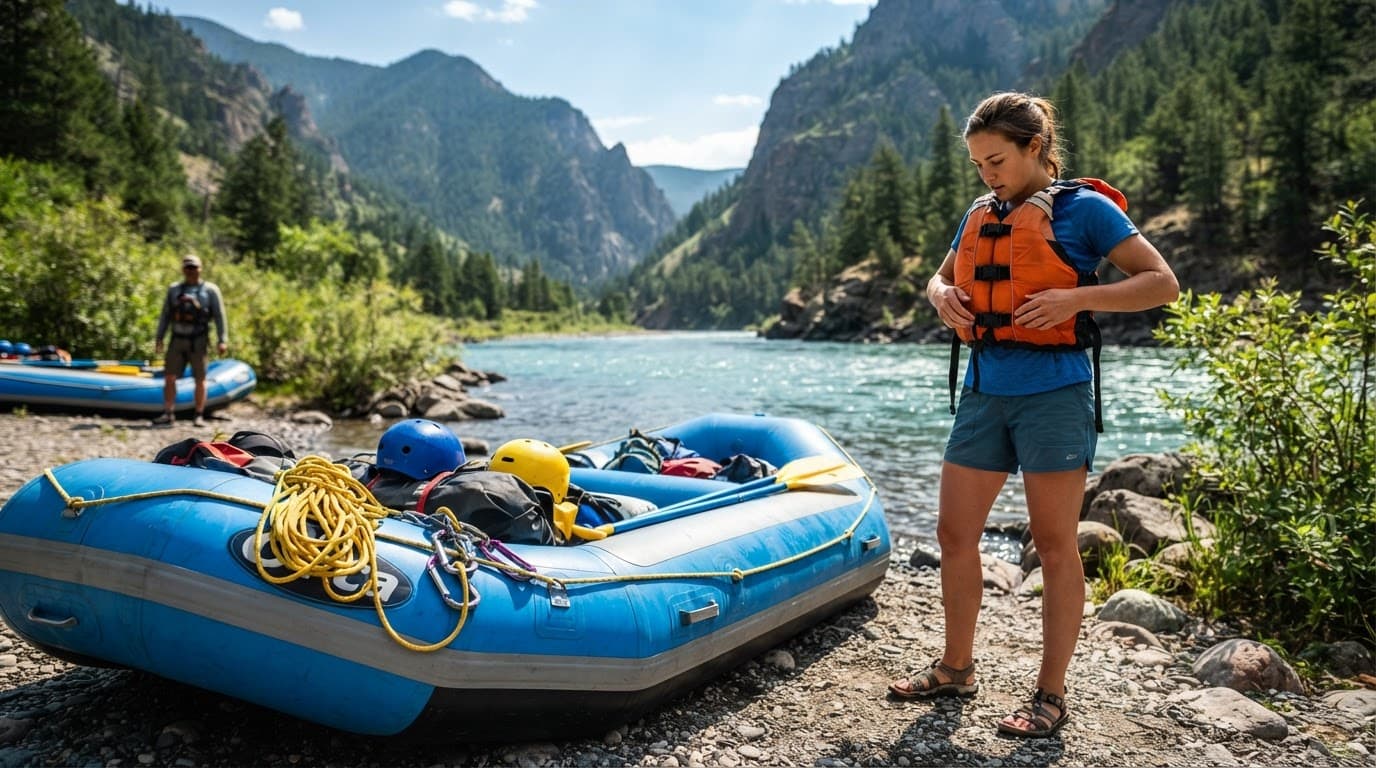
Research the operator, not only the platform. A booking site may make reservations easier, but it doesn't mean the site has personally inspected every company it lists. Find the operator's own website, phone number, cancellation terms, and independent reviews before you pay.
The Federal Trade Commission's travel scam guidance advises consumers to research travel companies before sending money. Search the operator's name with terms such as "complaint," "review," and "scam." Then read both the strongest and weakest reviews for repeated complaints about unsafe equipment, hidden fees, cancellations, or poor communication.
Price deserves context. A small, family-owned outfitter may charge less because it has lower overhead. A low price is a reason to investigate, not proof that a small operator is unsafe. Check whether the company cuts corners on equipment maintenance, guide training, customer service, or emergency preparation.
A mountain biking route, river rafting trip, or scuba diving excursion can involve different conditions, group sizes, and levels of physical exertion. Compare the qualifications and safety records of the trip leaders, and confirm that a trustworthy operator provides expert guides. Match the activity to your group's actual experience level, not the photo that looked best online.
Ask Direct Questions Before Paying
Calling the operator still matters. I want to hear how someone answers basic safety questions, because that conversation often reveals more than a polished website. If the staff avoids direct answers or makes you feel rushed, take that concern seriously.
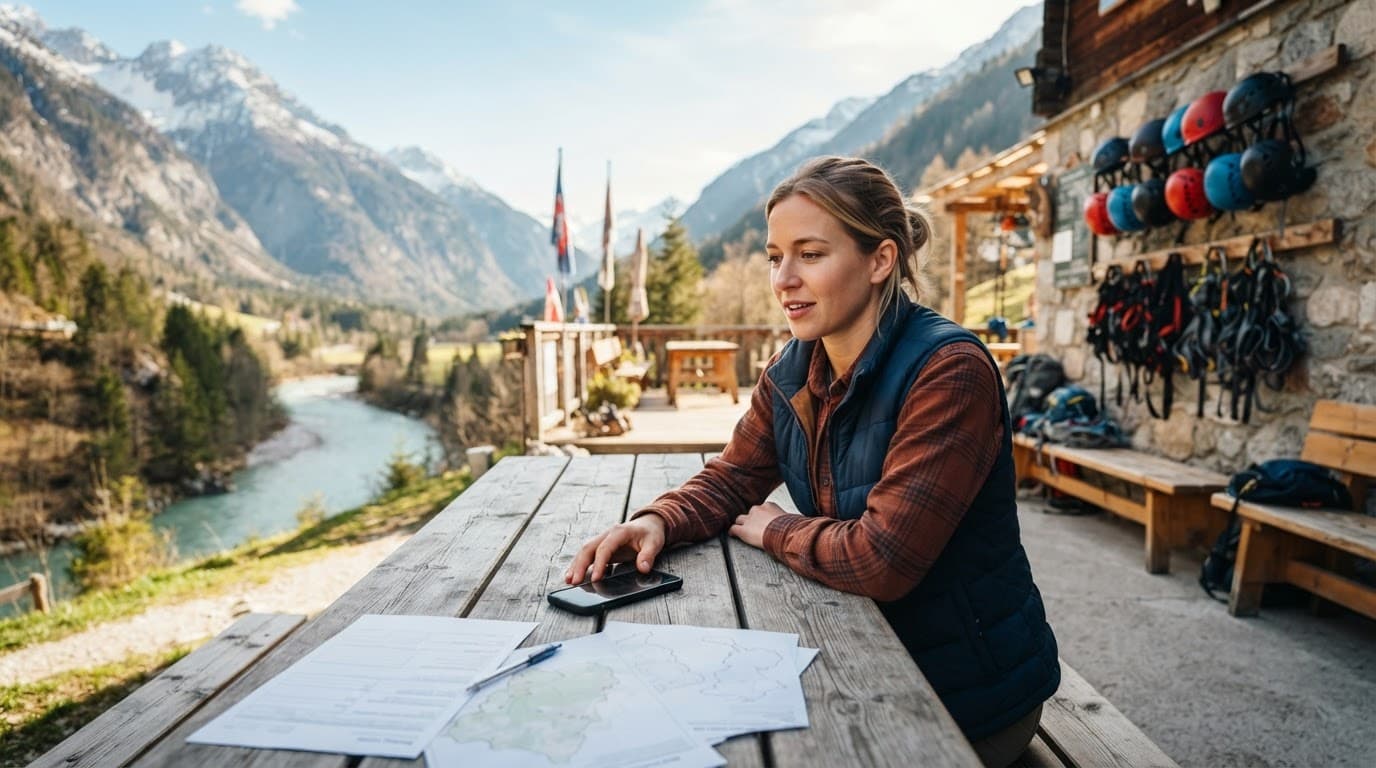
Before booking, ask:
- What licenses or local authorizations apply to this activity, and when was the equipment last inspected?
- How much experience and certification do the trip leaders have, and what medical or rescue preparation does the team have?
- What age, swimming ability, fitness level, physical exertion, or prior experience does the trip require?
- Who checks life jackets, harnesses, helmets, pulleys, and other safety gear before departure?
- How do weather, wind, or changing river levels affect the difficulty or cancellation decision?
- What emergency, rescue, and medical-response plans are in place?
- What are the cancellation, refund, and rebooking policies if conditions change?
A waiver can identify risks, but signing one doesn't prove an operator has controlled them or excuse unsafe conduct.
Read the waiver before you sign. Then listen closely to the safety briefing. On a boat, locate life jackets. For rock climbing, ask how harnesses and ropes are checked. Before scuba diving, confirm how the equipment is inspected and explained. If instructions are unclear before the activity begins, they probably won't improve when the situation becomes stressful.
Compare Booking Fees and Insurance Coverage
A booking fee is an added charge that some reservation platforms apply when you reserve online. Compare the platform's final price with the price you receive when calling the operator directly. Direct booking may avoid a fee or produce a better price, depending on the company's policy, but confirm that the cancellation and refund terms are the same.
A travel advisor or adventure booking company can help evaluate custom itineraries, luxury lodges, and active itineraries. It can also separate useful facts from promotional content and false AI-generated images or videos. The travel advisor should explain why an operator fits your group, verify sustainable travel claims, and identify the safety information supporting that recommendation.
Travel insurance may help with covered cancellations, medical emergencies, or lost luggage. An expensive luxury vacation isn't automatically comprehensively insured. Coverage varies, and you shouldn't assume a standard policy covers rafting, zip lining, scuba diving, or medical evacuation. Review the State Department's travel insurance overview and ask your insurer about exclusions and the exact activities on your itinerary.
You can find TrustDale Certified Travel Experts who have been vetted through a rigorous seven-point inspection process and are backed by TrustDale's Make It Right Guarantee at TrustDale.com.
Know When to Leave
Save every email confirmation and keep emergency contact information with you. Pay attention to changing conditions, especially during water-based activities, when seasonal river levels can make a familiar trip far more difficult.
Most importantly, leave or cancel if something feels unsafe. No outdoor adventures are worth accepting neglected equipment, missing instructions, or a plan that doesn't match what you booked. Your safety matters more than avoiding an awkward moment.
Orehosky's strongest advice is also the simplest: if you arrive and feel unsafe, leave or cancel. It is more important to be safe than polite.
Frequently Asked Questions
How can I check whether an adventure travel operator is safe?
Research the operator's own website, qualifications, safety record, independent reviews, and emergency procedures. Ask when equipment was last inspected and how guides are trained.
What questions should I ask before booking an adventure activity?
Ask about licenses, guide certifications, equipment checks, physical requirements, weather cancellations, emergency plans, and refund policies. Clear, direct answers can reveal whether the operator is prepared and trustworthy.
Does signing a waiver mean an adventure operator is safe?
No. A waiver identifies some risks, but it does not prove that the operator has controlled them or excuse unsafe conduct.
Does travel insurance cover adventure activities?
Not always. Check the policy's exclusions and confirm coverage for the exact activities on your itinerary, along with medical emergencies, evacuation, cancellations, and lost luggage when relevant.
When should I cancel an adventure activity?
Cancel or leave if the operator skips a safety briefing, provides neglected equipment, avoids basic questions, or continues despite unsafe conditions. Your safety matters more than avoiding an awkward moment or losing a booking fee.
Final Word
Adventure travel is safer when you treat booking as a consumer decision, not a quick online purchase. Check the operator, ask direct questions, understand the terms, and confirm your insurance fits the trip.
A memorable vacation should end with photos and stories, not a preventable injury, denied claim, or fight for a refund.