
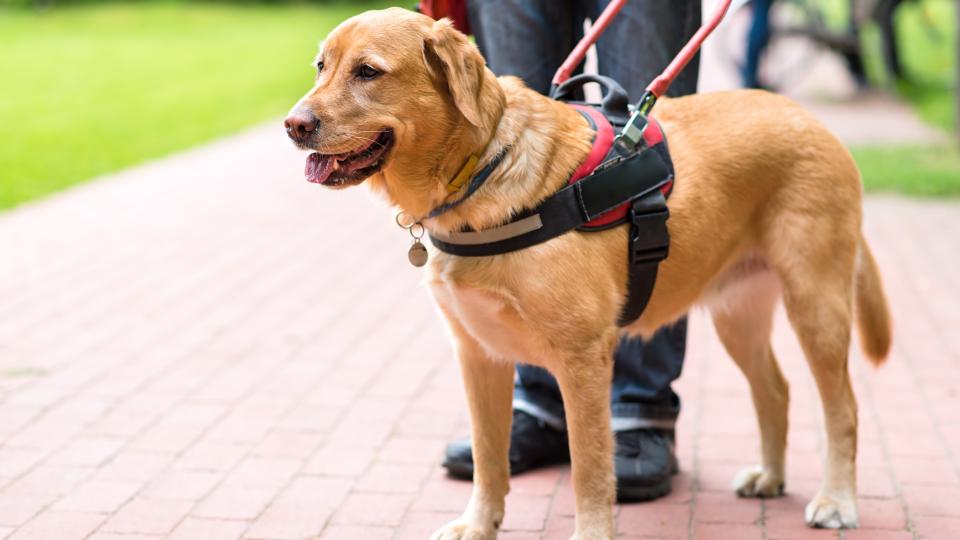
This Veterans Day, as we thank the men and women who served, I want to shine a light on Warrior Paws, the organization featured on our podcast, and on the four-legged helpers some veterans rely on long after they come home: PTSD service dogs.
If trauma has made crowded places or even a quick trip to the store hard to handle, a service dog can help. But what that dog actually does comes down to the specific tasks it's trained to perform for its handler. Understanding those tasks also explains why a working dog needs to stay focused on its person, even when that person looks perfectly calm.
In my consumer advocacy work at TrustDALE, I always want people to understand what a service actually provides. With service dogs, that starts with one key difference: the comfort a dog gives just by being there versus the trained work it does for the person it helps.
On our podcast, Trust Issues, I talked with veteran Frank Barraquero and 911 leader Melissa Alterio, who brought her service dog, Sarah, about Warrior Paws and the work these dogs do. Watch the full conversation on "PAWS WITH A PURPOSE: How Service Dogs Help Veterans & First Responders" here:
Warrior Paws provides highly trained, customizable service dogs to veterans, first responders and other people with qualifying needs. Its mission is to build lifelong partnerships founded on trust, independence, healing and support. You can learn more at warrior-paws.org.
Key Takeaways
- It's all about trained tasks. A PTSD service dog's role depends on tasks trained for its handler, like interrupting a specific behavior, using trained physical contact or creating space in a crowd.
- Comfort alone doesn't make a service dog. Under the ADA, a psychiatric service dog performs trained work for a person with a disability. An emotional support dog provides comfort.
- Calm doesn't mean the dog is off duty. A handler may look relaxed while the dog watches for subtle cues. Give working dogs space, and remember the handler doesn't owe anyone an explanation.
- The VA doesn't provide service dogs. Eligible veterans may get a benefit connected to a service dog, but VA benefits and nonprofit program requirements are separate.
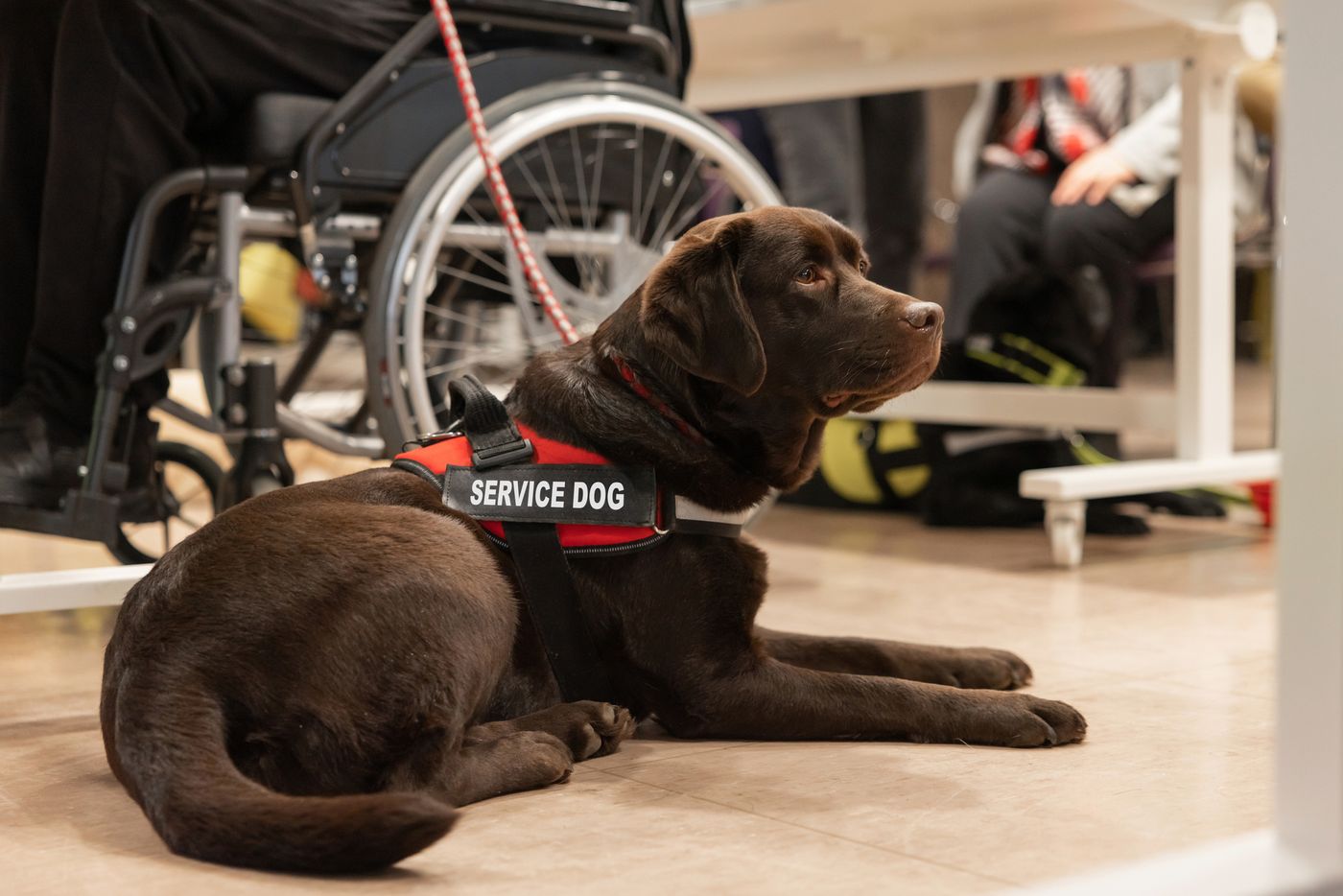
What Does a PTSD Service Dog Do?
The U.S. Department of Justice defines service animals as dogs that are individually trained to do work or perform tasks for people with disabilities. Under its ADA service-animal requirements, that trained work is what makes a dog a service animal.
For PTSD, that work can look very different from the guide-dog assistance most of us recognize right away. Frank described several tasks a dog can learn:
- Interrupting a behavior. A dog may nudge a person's hands to break a particular habit or movement.
- Trained physical contact. A dog may rest its head on a seated person's lap or, depending on the situation, lay its chest across the person's thighs. Some dogs are trained to use this contact for deep pressure therapy, but it's an individual task, not something every service dog does.
- Creating space. A dog can sit in front of its person or circle around them to create a buffer in a crowd.
Those are concrete, visible actions, and they tell you a lot more about a service dog's job than a vague idea like "keeping someone company."
And breed isn't what qualifies a dog. A Golden Retriever, Labrador Retriever or pit bull isn't suited for the job because of its breed alone. The ADA definition focuses on the dog's training and behavior.
Service Dog vs. Emotional Support Dog vs. Therapy Dog
These three terms get mixed up all the time. Here's the difference:
| Who it helps | What it does | |
|---|---|---|
| Psychiatric service dog | One person with a disability, such as PTSD | Performs individually trained tasks for that person; covered as a service animal under the ADA |
| Emotional support dog | Its owner | Provides comfort, but comfort alone doesn't make it an ADA service animal |
| Therapy dog | Many people who need comfort | Offers comfort to others, rather than performing tasks for one handler |
As Melissa pointed out, a therapy dog comforts the people it visits. A service dog's trained tasks are all about the one person it assists.
Trauma Doesn't Clock Out When the Shift Ends
The uniform comes off at the end of a shift. The memories of what happened during it don't always come off with it.
First responders may face a deadly crash, a shooting or a child in danger, then show up for their next shift and do it all again. That repeated exposure is a big part of the conversation about trauma.
You Can Lead and Still Carry Invisible Stress
Melissa knows this firsthand. She's spent 35 years in the 911 field, starting as a frontline telecommunicator and working her way up to executive director of Cobb County's 911 center.
She also worked in New York during the September 11 attacks, and she spoke openly with us about living with anxiety and PTSD related to her work.
Her story makes an important point: someone can hold a demanding leadership job while dealing with symptoms nobody else can see.
The Memory That Sticks Isn't Always the One You'd Expect
Marnie Zambri shared the story of a former news colleague who served as a Marine combat photographer. Even after documenting military service, he said the experience he couldn't get out of his head came later, at a local TV station, when he covered a multi-car crash with fatalities.
I don't assume someone's military assignment tells the whole story of their trauma. His experience shows that the event a person carries with them may not be the one other people expect.
How a Small Habit Became a Service Dog's Task
During a conversation, dog trainer Scott Rucker noticed something Melissa was doing with her hands. He asked whether she often made those movements when she felt anxious.
She'd never made the connection herself.
That observation gave her a specific behavior to work with. Melissa described how Sarah learned to nudge her hands whenever it happened.
That's how a task can be built: around a specific, visible behavior a person links to panic attacks, flashbacks, nightmares or feeling constantly on guard. The dog responds to a cue that's unique to its handler. It doesn't diagnose anything, and the same task isn't right for everyone.
Melissa's story also explains why a handler can look completely composed while their dog stays alert. The signs that matter to that partnership can be so subtle that someone standing right next to them would never notice.
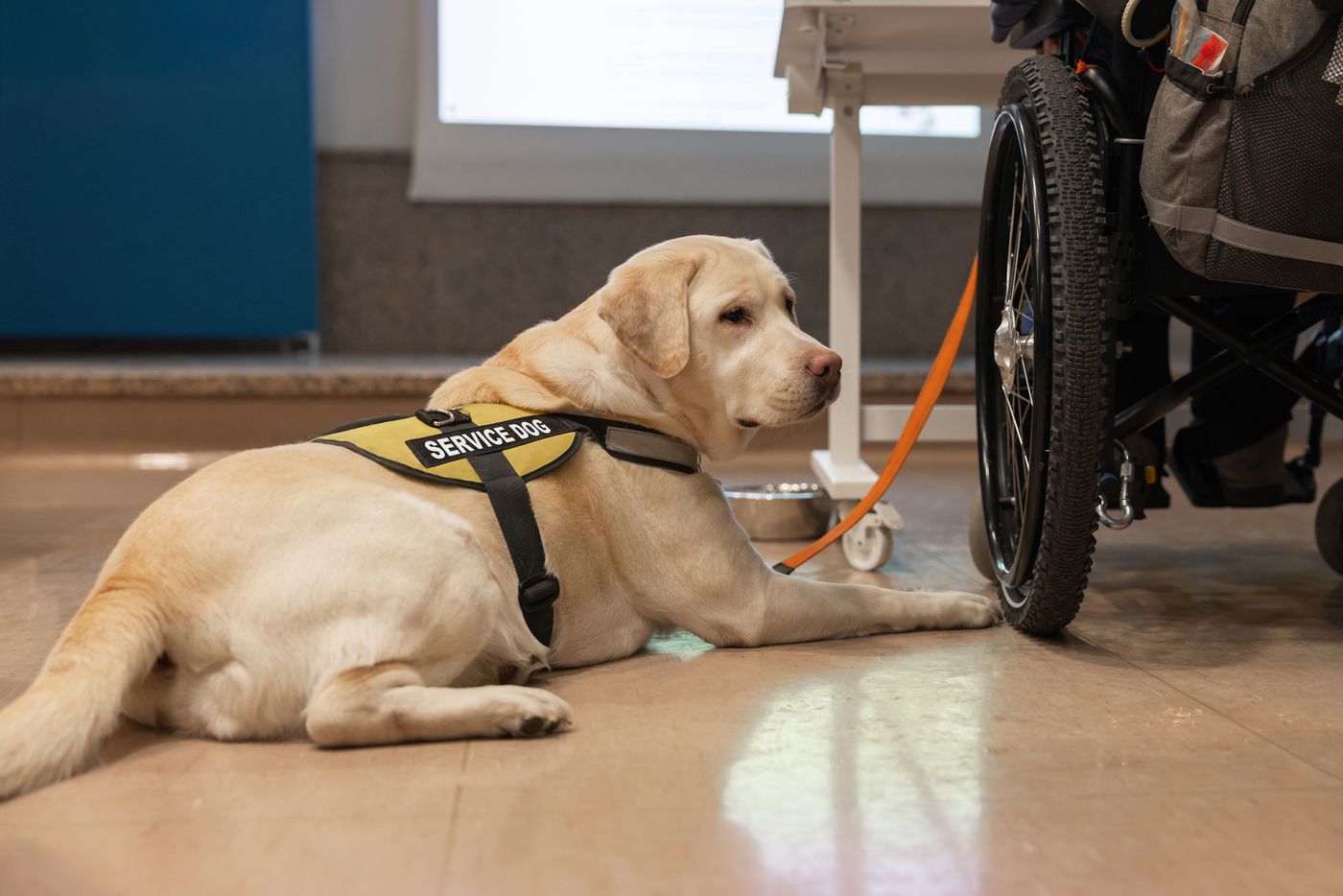
How One Veteran Went From Skeptic to Believer
Frank admits he was skeptical the first time he came across service dogs. He figured they were mostly for people who wanted attention.
That changed while he was competing with the U.S. Army Archery Team at the Warrior Games in Manhattan.
A teammate started having an attack. Medics hooked him up to an EKG, and his service dog laid its head in his lap and put a paw on him. Frank remembers watching the man's heart rate come down on the monitor and his breathing slow.
That's Frank's memory of one specific moment. It explains why he cares so much about these dogs, but it doesn't mean every dog will do the same thing for everyone.
For Frank, it's personal, too. After serving in Afghanistan and suffering a traumatic brain injury, he eventually had a rescue dog that became his service dog. He later lost that dog to cancer, and he described that loss as a hard one.
Those experiences are why he takes the bond between a person and a working dog so seriously.
Does the VA Provide Service Dogs for PTSD?
No. This is one of the biggest misconceptions out there, so let me be direct: a veteran doesn't get a service dog just by going to the Department of Veterans Affairs.
The VA's National Center for PTSD says in its guidance on dogs and PTSD that the VA doesn't provide service dogs for physical or mental health conditions, including PTSD.
But that's different from help with a dog a veteran already has:
- The same VA guidance discusses veterinary care for service dogs.
- The VA's Mental Illness Research, Education and Clinical Center describes a service-dog insurance benefit for eligible veterans through the Veterans Health Administration's Prosthetic and Sensory Aids Service.
The bottom line: providing a dog and providing a benefit connected to a dog are two different things. Mixing them up sets veterans up with the wrong expectations.
If you're a veteran or first responder interested in a service dog program like Warrior Paws, check the program's current eligibility requirements directly. Program requirements and VA benefits are separate.
How Common Is PTSD?
Numbers can help put PTSD in perspective, but only if you know who and what timeframe they describe.
| Group | Lifetime PTSD rate | Source |
|---|---|---|
| U.S. veterans | 7% | VA National Center for PTSD, review of PTSD epidemiology |
| U.S. adults overall | About 6 out of every 100 people | VA National Center for PTSD, PTSD in adults |
Note what the veterans' figure means: it's about veterans over their lifetimes. It doesn't mean 7% of service members develop PTSD while they're in uniform.
I keep that context attached to the numbers on purpose, because a statistic loses its meaning without it. And neither number can diagnose anyone or tell you what support a particular person needs.
Training Goes Both Ways: The Handler Has to Learn, Too
A working partnership is a two-way street.
Frank described a time when someone thought a dog wasn't following a command. The real problem? The person's hand signal. Once they changed the movement, the dog responded differently.
As Frank put it:
"It's the guy holding the leash, not the one on the leash."
That's why service dog training involves both the dog and the person. The dog learns its tasks, and the handler learns to give clear, consistent cues. A confusing cue gets a confusing response.
Melissa made practice part of her daily routine with Sarah. She went to weekly classes and practiced at home every morning and evening. She even turned mealtime into training time, feeding Sarah by hand instead of from a bowl.
That's her routine with her dog, though, not a universal training requirement under the ADA.
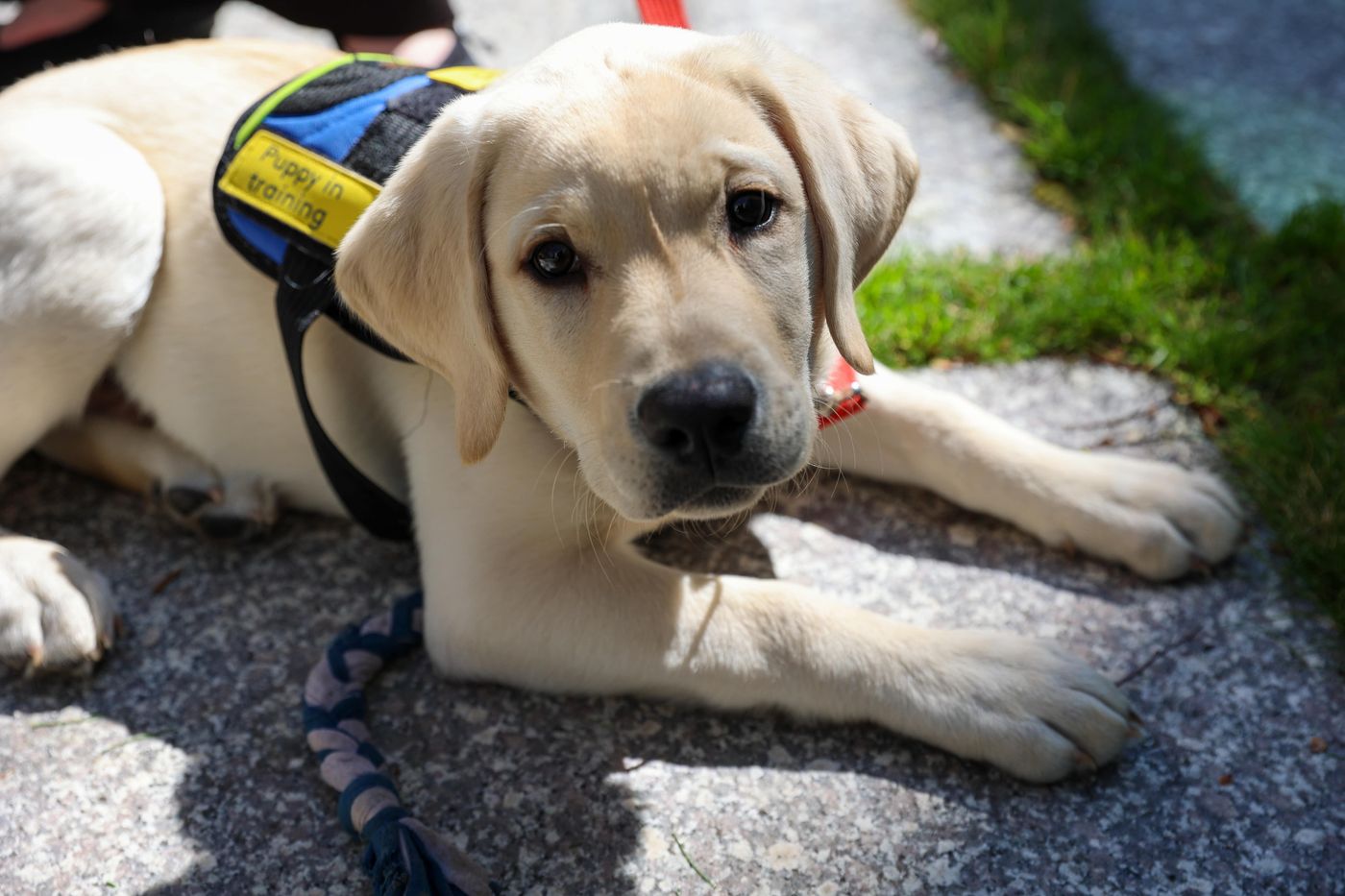
Why You Shouldn't Pet a Service Dog
I'll be honest: I was tempted to pet Sarah while she sat with us. She was friendly and right there within reach. But Melissa needed Sarah's attention on her.
Respect the Vest
Melissa's message was simple: respect the vest.
Walking up to pet a working dog can pull its attention away from the person it's helping. The dog may be watching for a movement or cue that you'd never recognize.
Melissa explained that Sarah loves people when she's on a break. When Sarah's off duty, Melissa takes the vest off, and that's when she's free for attention. But that doesn't make any working dog you see an open invitation to come over.
A Handler Doesn't Owe You a Medical Explanation
Frank compared a service dog to a "four-legged pill bottle." His point was about privacy: you wouldn't stop a stranger taking medicine and demand to know why they need it.
Here's what the ADA allows when it comes to public places like stores and restaurants:
- Businesses may ask whether the dog is required because of a disability and what task it's trained to perform, if the answers aren't obvious.
- Staff can't ask about the person's disability, and they can't require medical records, special ID cards or training paperwork for the dog.
Just because a disability isn't visible doesn't make it anyone else's business. And a handler looking calm tells you nothing about whether their dog is on the job.
PTSD Service Dog FAQs
What does a PTSD service dog do?
A PTSD service dog performs tasks it's been trained to do for its handler. Those can include nudging the person's hands to interrupt a behavior, using trained physical contact or creating space in a crowd.
Is an emotional support dog the same as a service dog?
No. An emotional support dog provides comfort. An ADA service dog is individually trained to do work or perform tasks for a person with a disability. Comfort alone doesn't make a dog an ADA service animal.
Can I pet a service dog if it looks friendly?
Don't approach or pet a working dog without permission. The dog may be watching for a cue or behavior its handler needs it to respond to, even if the handler looks perfectly calm.
Does the VA provide service dogs to veterans with PTSD?
No. The VA doesn't provide service dogs for physical or mental health conditions, including PTSD. Eligible veterans may qualify for a service-dog insurance benefit, and nonprofit programs have their own separate eligibility requirements.
This Veterans Day, Give Them Space
The best way to understand a service dog is to look at the work it's trained to do and the person that work supports. A friendly face doesn't mean the dog is free for attention, and a calm handler may still need that dog's focus.
My takeaway is to keep the differences clear: trained tasks aren't the same as companionship, VA benefits aren't the same as getting a dog, and a handler's medical needs are their own business.
So this Veterans Day, if you see a veteran with a service dog, one of the kindest ways to say thank you is simple: let the dog do its job.