
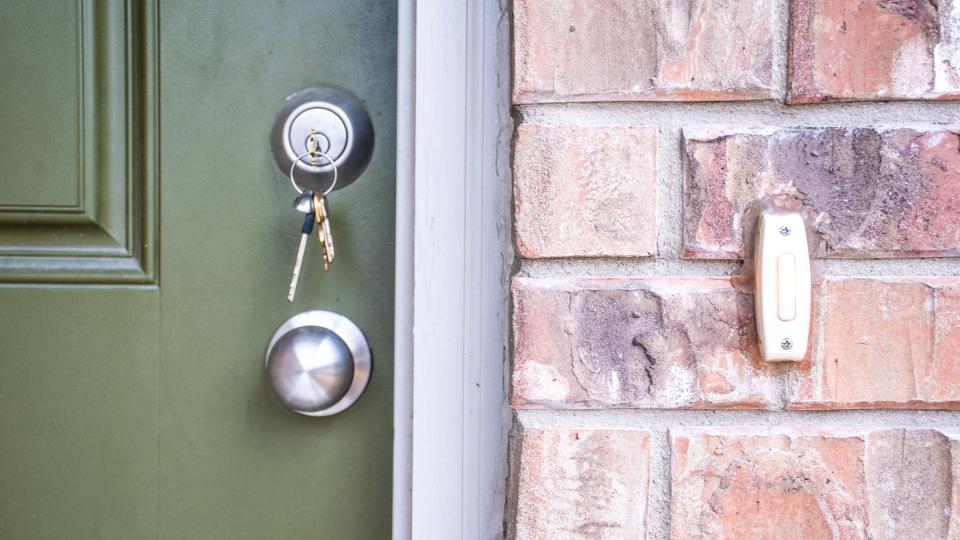
You just got the keys to your new home. Congratulations! But here's something most new homeowners don't think about: someone you've never met may still have a key that works.
The previous owner may have handed out copies over the years, and you have no way of knowing how many are still out there. Even in a brand-new home, builders and contractors may have had access during construction.
The Quick Answer
Yes, you should change or rekey your locks as soon as you take possession of your new home. The goal is simple: you decide who can get in, without paying for hardware you don't need.
Start by figuring out which locks just need new keys and which need to be replaced, then get a written price before any work begins.
Key Takeaways
-
Update your locks right away, even if the seller hands over what looks like a complete set of keys.
-
Rekey or replace? Let the condition of each lock decide.
-
Don't stop at the front door. Include garage entry doors, detached garages and storage buildings.
-
Rekeying typically runs about $50 to $130 per lock, but service fees and the size of the job affect the total.
-
Get the full price in writing before work starts, so a low advertised fee doesn't turn into a big surprise.
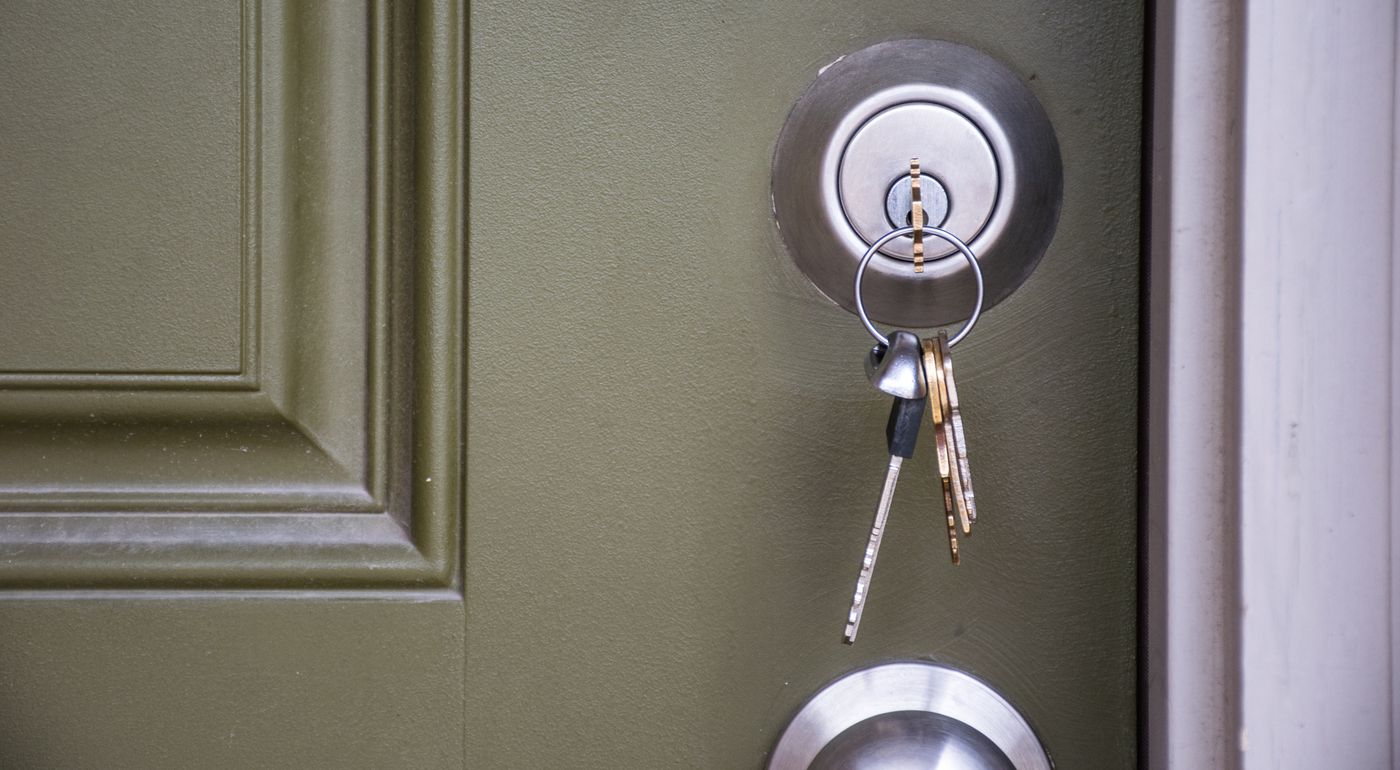
someone you don't know may have a key to your house
Why Change Your Locks After Buying a House?
According to the Associated Locksmiths of America (ALOA), buyers rarely get every existing key to a property. That's why the association recommends updating your locks as soon as possible after you move in.
Bought a new-construction home? This applies to you, too. ALOA explains that construction keying can leave access open to people other than the buyer, so being the first owner doesn't mean you're the only one with a key. Ask the builder whether they used a construction key system and whether it's been disabled.
You don't need proof that anyone plans to misuse a key. You just need a clean break between the old access and yours.
Rekey vs. Replace: Which Do You Need?
| Rekeying | Replacing | |
|---|---|---|
| What it does | Changes the lock's inner workings so old keys no longer work | Swaps out the lock hardware entirely |
| Best when | The lock is in good shape and suits your needs | The lock is damaged, unreliable or not right for your needs |
| Cost | Typically the less expensive option | Usually costs more, especially for complex installations |
When Rekeying Is Enough
A locksmith can rekey a compatible lock cylinder so the old keys stop working. ALOA says the condition and suitability of your existing locks help determine whether to rekey or replace.
When you book, tell the locksmith this is a change of ownership. That's a much clearer goal than a vague request to "fix the locks."
And make sure the written scope lists every lock being serviced. A front-door-only appointment can leave your back door or garage entry still working with the old keys.
When You Should Replace the Locks
Replacement may make sense if a lock is damaged, unreliable or just not right for your needs. If you notice signs of forced entry or other damage, point them out so the locksmith can take a look.
A few things to ask about:
- Separate lock work from door repairs. Otherwise, a quote for new locks may leave other needed repairs out of the scope.
- Know what you're getting. The estimate should name the specific product and the installation work.
- Ask about extra fitting. Older doors may need additional work, while newer homes usually have standard-size holes for locks. Get an explanation of any extra work before you approve it.
Secure Every Entry, Not Just the Front Door
Before you call a locksmith, walk around your property. Start at the front door and work your way around to catch the entries that are easy to forget during a hectic move.
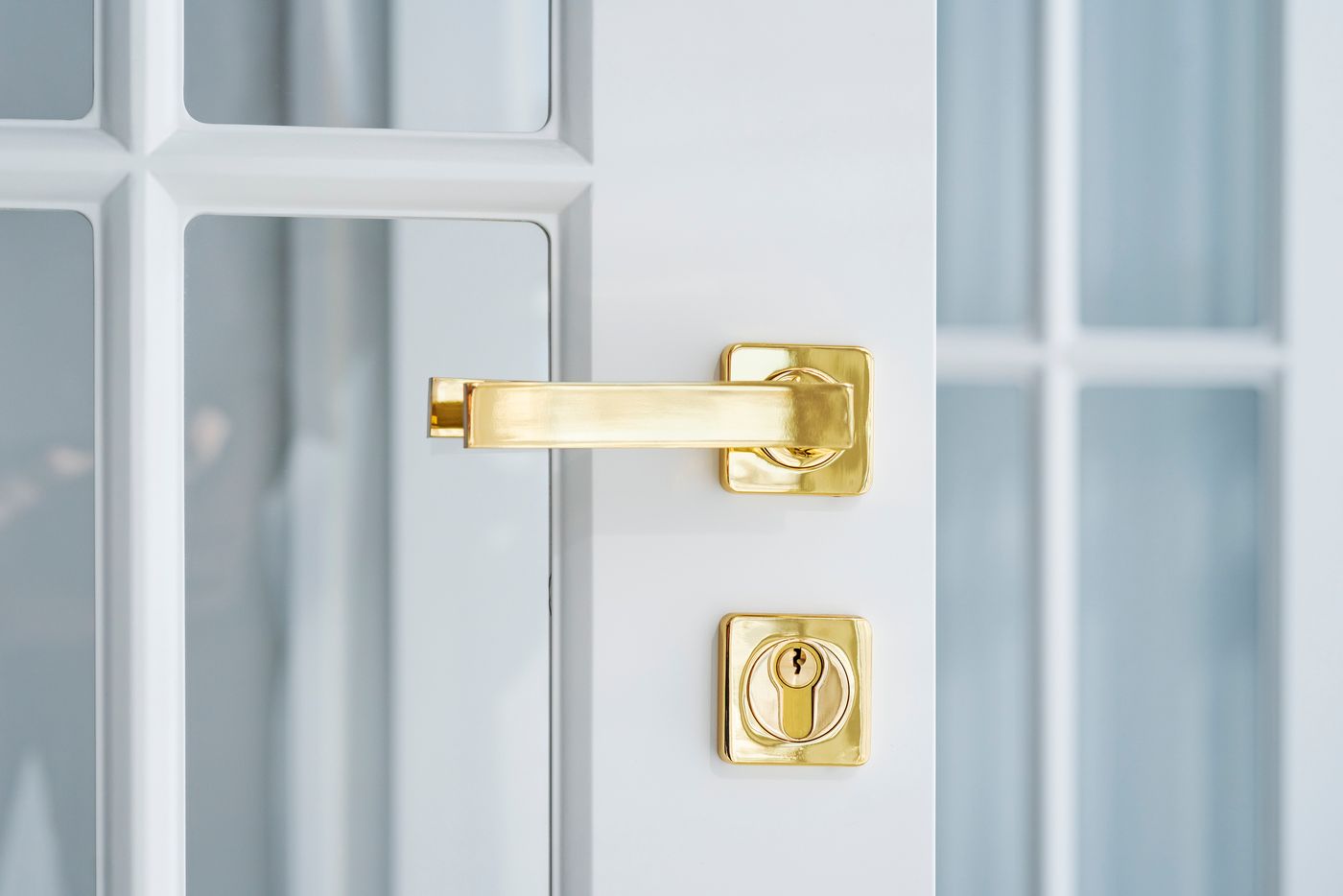
Your Lock Inventory Checklist
- Every exterior door, including side entrances and basement doors
- The door between an attached garage and the house
- Keyed doors on detached garages and other separate buildings
- Storage sheds and any locked areas holding tools, equipment or valuables
Count Locks, Not Doors
A keyed doorknob and a separate deadbolt on the same door count as two locks. Check each deadbolt separately from the knob and make sure it works normally. This matters when you're comparing per-lock prices.
Tips for a Smooth Appointment
- Write down which keys you got, including any spares, and which doors they open. You're just documenting what you received, not trying to prove every copy was turned in.
- Got a security system? If any lock or entry connects to it, ask how to update the access codes or user permissions.
- Missing a key? Mention it when you book. Don't wait until the locksmith shows up to bring up a missing key or a building they can't get into.
- Note any door problems separately. A door you have to lift to close deserves a look, even if your main concern is old keys.
- Use plain-English labels on larger properties, like "kitchen side door" or "detached garage side door." Clear labels help prevent mix-ups about what the quote covers.
Share your inventory with every locksmith you get a quote from. If the quotes are based on different numbers of locks, you can't compare them fairly, even if one looks a lot cheaper.
How Much Does It Cost to Change Locks?
Here are typical reported prices for rekeying:
| Job | Typical reported cost |
|---|---|
| Rekeying one lock | About $50 to $130 |
| Whole home (4 to 6 locks) | About $200 to $500 |
These ranges give you a ballpark, but they're not guaranteed quotes. Your location, the type of lock and service-call charges all affect the total. Replacing locks and more complex installations can cost more.
Watch Out for the Dispatch Fee Trap
Here's the costly misunderstanding: assuming the price you were quoted for the locksmith to show up includes the actual work. It often doesn't.
Before you book, ask whether the price covers:
- Travel only, or
- Labor, materials and every lock on your list
Get the full scope and total price in writing before any work starts. If the locksmith needs to inspect first, approve only the inspection until you get a price for the job, and make sure any inspection or cancellation fee is in that first agreement.
Remember: a written arrival fee isn't the same as a written price for finishing the job.
Ask how they handle extra work, too. Any price increase should come with an explanation and your approval before the locksmith continues.
How to Choose a Locksmith You Can Trust
- Read recent reviews. Look for repeated complaints about surprise price changes, high-pressure sales or poor communication.
- Confirm who's coming. Verify the business name and the name of the person who will show up at your door.
- Ask about licensing and insurance. Requirements vary by state and city, so check the rules where you live.
- Pay attention to communication. A late arrival alone doesn't mean you're being scammed. But repeated missed promises with no updates are a red flag. A reputable company should give you an expected arrival time and let you know about changes.
- Or skip your own investigation and pick a Certified Locksmith at TrustDALE.com. All TrustDALE Certified locksmiths have passed our rigorous seven point inspection and are backed by TrustDALE's free to you $10,000 Make It Right Guarantee.
Changing Locks After Buying a House: FAQs
Can I book a locksmith before closing?
Yes. You can schedule an appointment ahead of time for after the home is officially yours. Let the company know your closing or move-in date could change, and ask about their rescheduling policy. Booking early means you won't be choosing a locksmith in a rush on moving day.
What if contractors still need access after I move in?
Change the locks right away, then decide which workers truly need a key. If you give one out, write down who has it and when their access ends. Once the work is finished, consider rekeying again if you've lost track of the keys you handed out.
Will I need to prove I own the house?
A locksmith may ask for ID and paperwork showing you're allowed to access the home. Keep your ID and closing or move-in documents handy during the move. It's a reasonable security check, especially if your ID still shows your old address.
Can a locksmith help if the seller didn't leave the keys?
Yes. A missing key doesn't automatically mean you need new locks. Explain the situation when you book so the locksmith can plan for it. And don't try to force the lock open, since damaging it can add a repair bill on top of the original problem.
How should I check the work before I pay?
Test every lock while the locksmith is still there. First try it with the door open, then with the door closed. Point out any sticking or problems right away. Keep an itemized invoice showing which locks were serviced, what products were installed and what you paid.
Take Control of Who Can Get Into Your Home
Before you start unpacking boxes:
- List every entry and count every lock
- Decide which locks need rekeying and which need replacing
- Get a clear, written quote with the full price
- Test each lock before you pay
Don't let this get buried under the rest of your moving to-do list. A clearly defined job at an agreed price, plus a written record of the work, the cost and who has the new keys, is your best protection and gives you real peace of mind in your new home.
Find a Locksmith You Can Trust
Ready to rekey or replace your locks? You'll find TrustDALE Certified locksmiths at TrustDALE.com.