

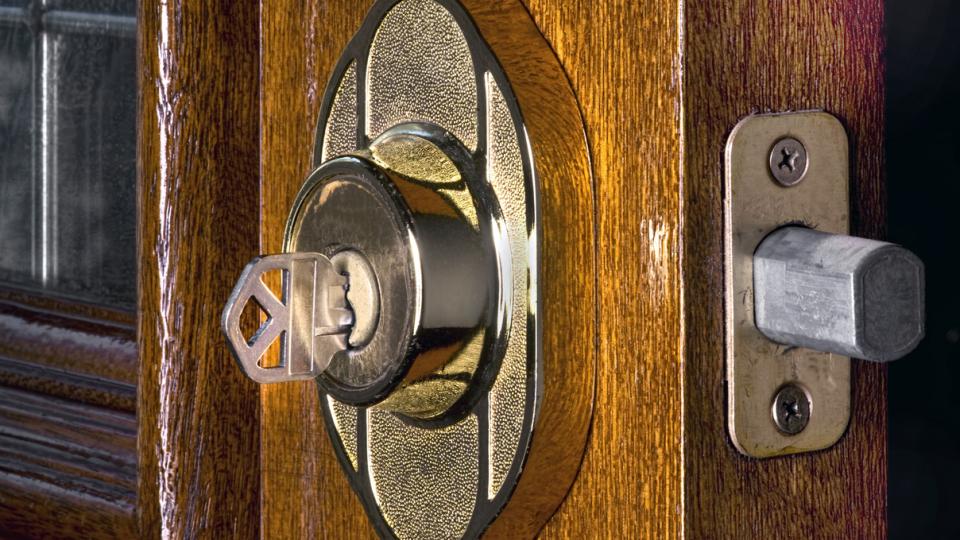
A lock is one of those small pieces of a home that carries a surprising amount of emotional weight. You turn the key, hear the bolt slide, and expect the house to settle into its private little hush. When that confidence gets interrupted by a lost key, a sticky deadbolt, a recent move, or a garage access door that feels too easy to forget, the next question usually arrives fast: should you rekey what’s already there, or replace the lock entirely?
In this guide, you’ll learn how rekeying differs from replacing, when each option makes sense, and why garages, side doors, rental turnovers, older hardware, and keyless entry upgrades deserve more attention than most homeowners give them. The goal is simple: spend money where it actually improves security, avoid replacing hardware that still has plenty of life left, and know when a professional locksmith should take a closer look.
The “Key” Question: Has the Hardware Earned Your Trust?
Rekeying changes the internal pins or cylinder configuration so the old key no longer works. The existing lock stays in place, but it accepts a new key. That makes rekeying a smart choice when the lock is in good shape and the main concern is key control. Maybe you moved into a new home and don’t know who still has a copy. Maybe a contractor, former roommate, pet sitter, or tenant once had access. In those situations, rekeying can close the invisible circle of old keys without the cost of changing every knob and deadbolt.
Replacement goes further. The old lock comes off, and new hardware takes its place. That’s the better choice when the lock itself has become part of the problem: loose trim, worn cylinders, rust, a key that sticks even after lubrication, visible damage, outdated hardware, or a deadbolt that doesn’t throw cleanly into the strike plate. A rekey can change who gets in with a key, but it won’t make a weak lock body stronger or fix a door that no longer closes squarely.
When Rekeying Makes Practical Sense
Rekeying works best when the hardware still feels solid. The key turns smoothly, the bolt extends fully, the door latches without lifting or pulling, and the lock hasn’t been damaged by forced entry, weather, or years of rough use. For many homeowners, it’s also the cleanest way to simplify daily access. A locksmith can often make multiple compatible locks operate with one key, which is useful when the front door, back door, garage service door, and side entry have become a jangling pocketful of confusion.
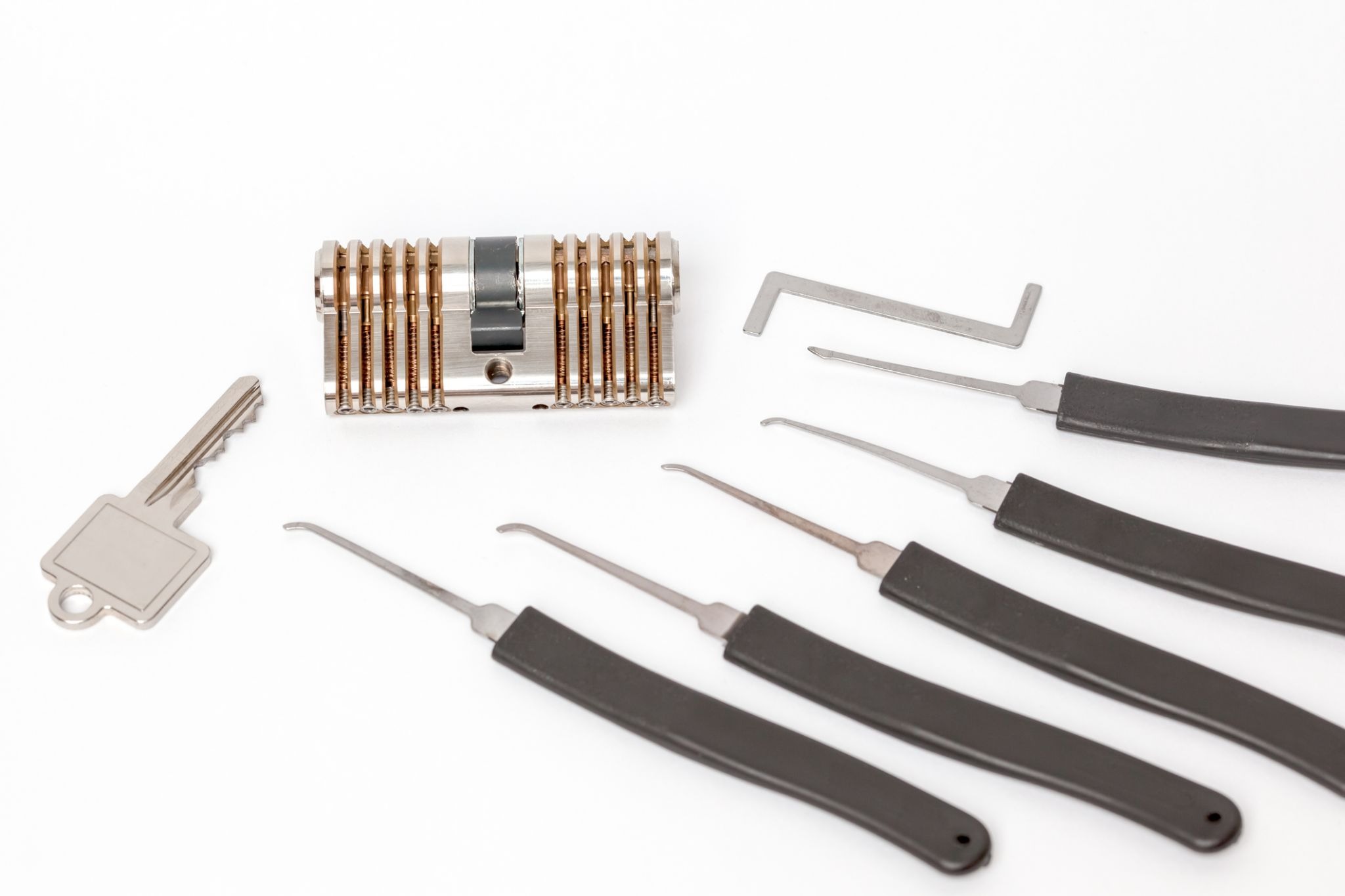
Rekeying also fits well after a low risk key loss, especially if the missing key wasn’t attached to anything identifying the home. Still, context matters. Losing a spare key somewhere vague is different from losing a full key ring with a wallet, address, vehicle registration, or garage remote. Once the location of your home can be connected to the key, the decision starts leaning toward faster action and a broader security review.
When Replacement Is the Wiser Spend
A lock should be replaced when its condition, function, or security level no longer matches the job it’s being asked to do. The FBI’s 2025 national crime summary estimated almost 6 million property crime offenses in 2024, including burglary, larceny theft, and motor vehicle theft. Burglary decreased that year, but it still remained part of the national property crime picture, which is why physical access points deserve steady attention rather than panic driven upgrades. You can read and download the full report here.
Consider replacement when you notice any of these warning signs:
- The key sticks, spins, or only works at a certain angle
- The deadbolt doesn’t extend fully into the frame
- The lock is loose, corroded, cracked, or visibly worn
- The door was kicked, pried, drilled, or otherwise damaged
- You want smart lock, keypad, or electronic access features
- The lock grade or hardware quality feels too light for an exterior door
Replacement also makes sense when convenience and security need to move together. A keypad on a garage service door, for example, can reduce the habit of hiding spare keys or sharing physical copies. Smart locks can help families manage access for cleaners, relatives, dog walkers, or short term guests, but they need to be installed correctly and paired with strong physical hardware. A fancy keypad attached to a weak door setup is still a weak door setup wearing a tiny computer hat.
Don’t Forget the Garage Door’s Sidekick
The garage often becomes the home’s accidental back channel. Homeowners think about the overhead door opener, then forget the service door, interior entry door, side gate, storage room, or detached garage lock. Those access points deserve the same rekey versus replace question as the front door, especially if tools, bikes, lawn equipment, or entry into the main home sit behind them.
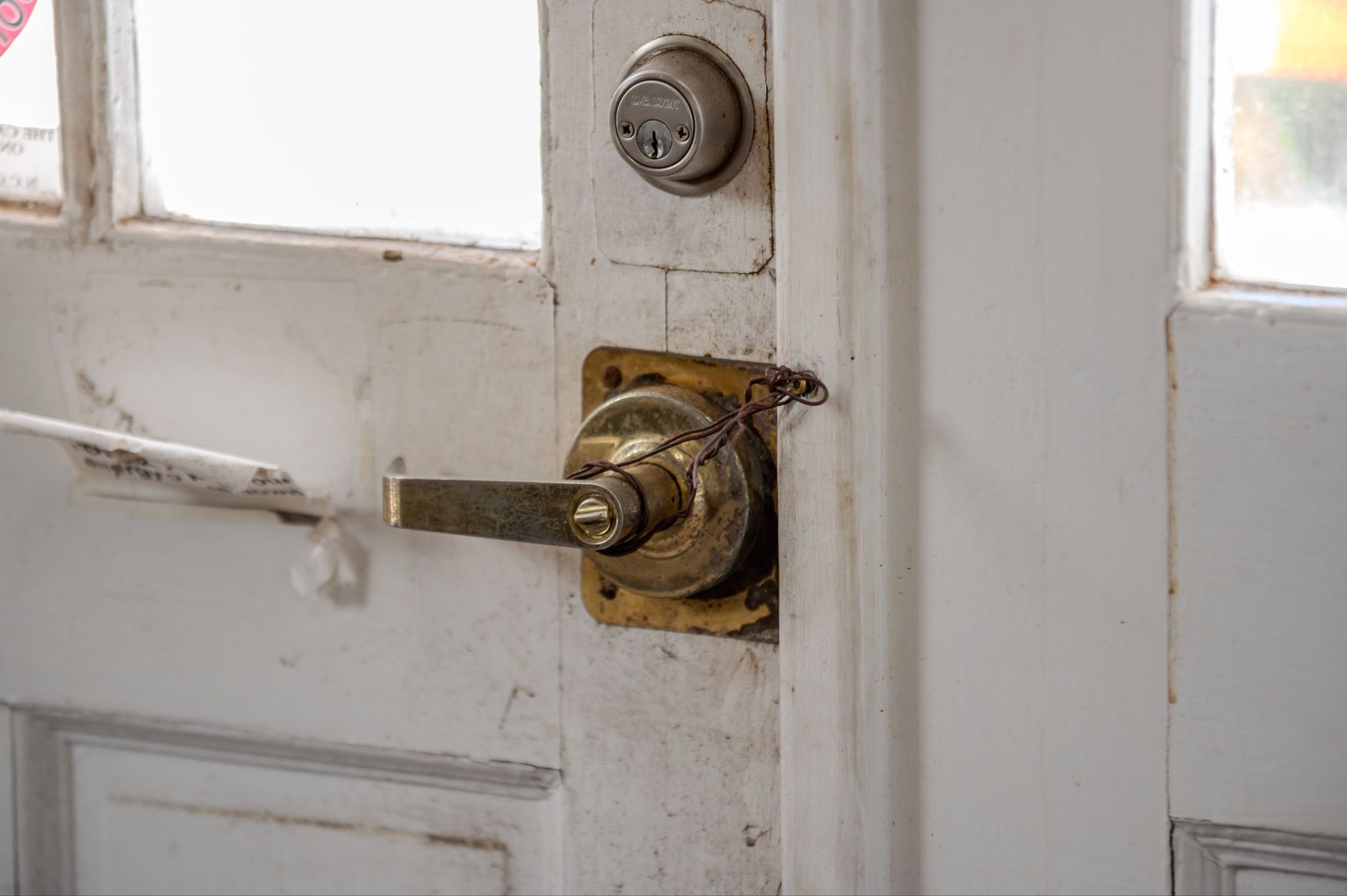
If the garage has older keyed knobs, mismatched locks, or a door that has swollen and shifted over time, replacing hardware may give you a better result than rekeying. A locksmith can also evaluate whether the lock lines up properly with the strike plate and whether the surrounding door and frame support the level of security you expect. That kind of inspection is worth more than a quick hardware swap, because the strongest lock in the aisle can’t do much if the bolt barely catches.
A Local Locksmith Without Guesswork
For homeowners in the Metro Atlanta area, STL Locksmith is a useful call when the answer isn’t obvious from the key in your hand. Their work includes residential lock repair, lock changes, duplicate keys, rekeying, master key systems, electronic lock installation, keyless entry installation, commercial locksmith services, safe related services, and emergency lockout help. That range matters because rekeying and replacing aren’t isolated decisions; they’re part of how your doors, garage access, keys, and daily routines fit together.
If your lock still feels sturdy and you mainly need old keys retired, rekeying may be the cleanest move. If the hardware is worn, damaged, outdated, or ready for a smarter access setup, replacement is usually the better investment. TrustDALE certified partner STL Locksmith can help you sort that out without turning a simple security decision into a hardware guessing game. Start with the door that worries you most, ask what can safely be rekeyed, and let a trained locksmith tell you where replacement will actually improve protection.